Portuguese
  Spanish


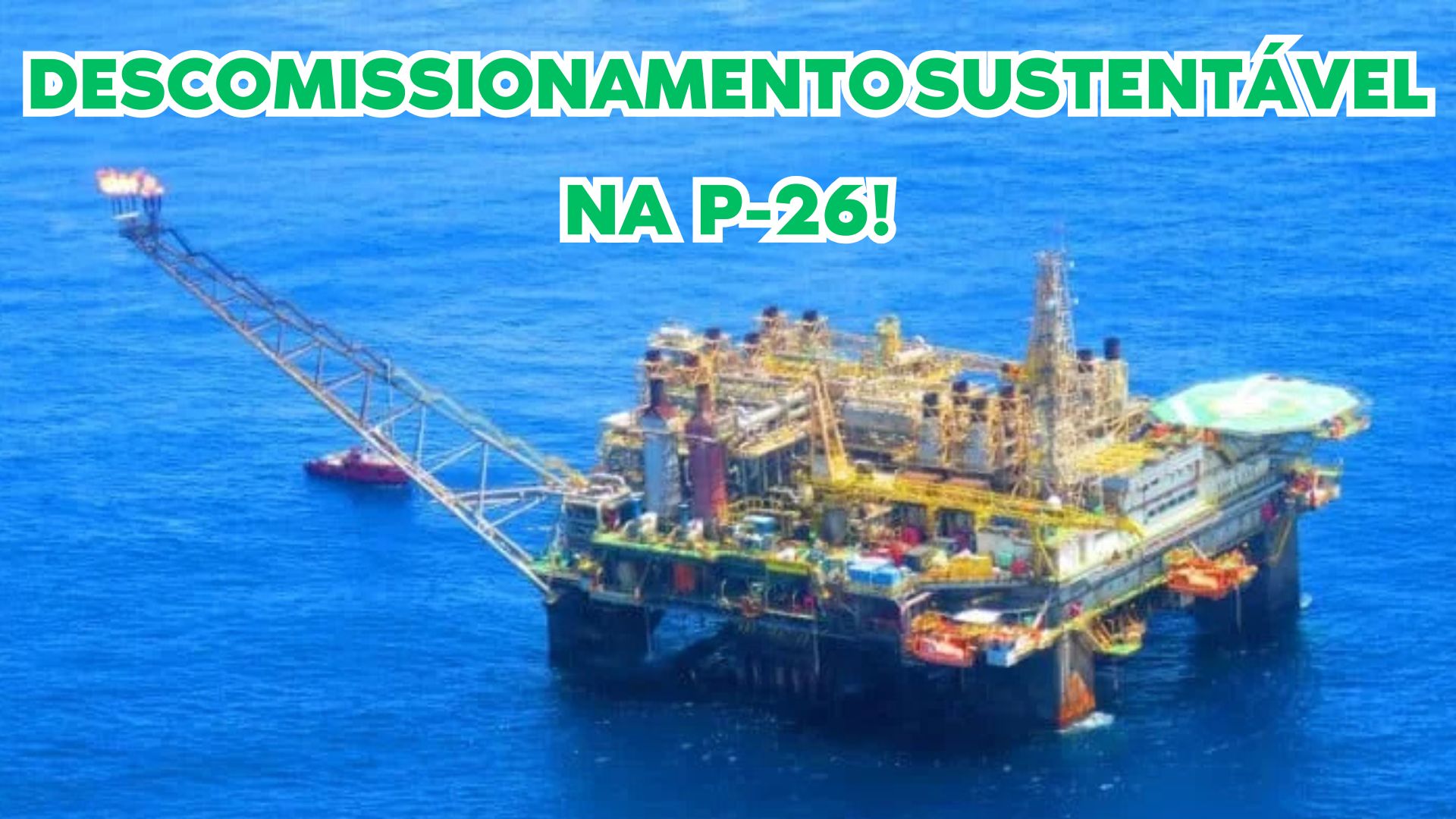

The Arrival That Marks A New Era For The Offshore Sector In Brazil
This month, the P-26 arrived at the Porto do Açu, marking a new chapter in sustainable decommissioning in Brazil. Furthermore, the movement highlights the port’s commitment to innovative and environmentally responsible practices.
Why The Arrival Of The P-26 At The Porto Do Açu Is So Important?
The arrival of the P-26 symbolizes a milestone because the contract with Petrobras involves safe berthing, hull cleaning, and waste management. Thus, Porto do Açu establishes itself as a reference in sustainability, aligned with global standards.
The P-26: A Story Of Relevance In The Oil And Gas Sector
Since 1998, the P-26 has played a crucial role in the Marlim field. For over 20 years, it processed 100 thousand barrels of oil per day and 3 million cubic meters of natural gas, until it ceased operations in 2020.
-
OPEC+ Boosts Oil Supply by 188,000 Barrels per Day in July 2026, Leading to Price Drop from $112 to $89 per Barrel in Under Two Months

-
TotalEnergies Signs 20-Year Deal to Purchase 2 Million Tons of LNG from Alaska, Boosting Project Viability
-
Turkey Deploys Çağrı Bey Drilling Ship to Explore New Oil Frontier Off Somalia’s Coast
-
Golden Pass LNG Ships First Liquefied Gas Cargo from the U.S., Completing $10 Billion QatarEnergy and ExxonMobil Investment


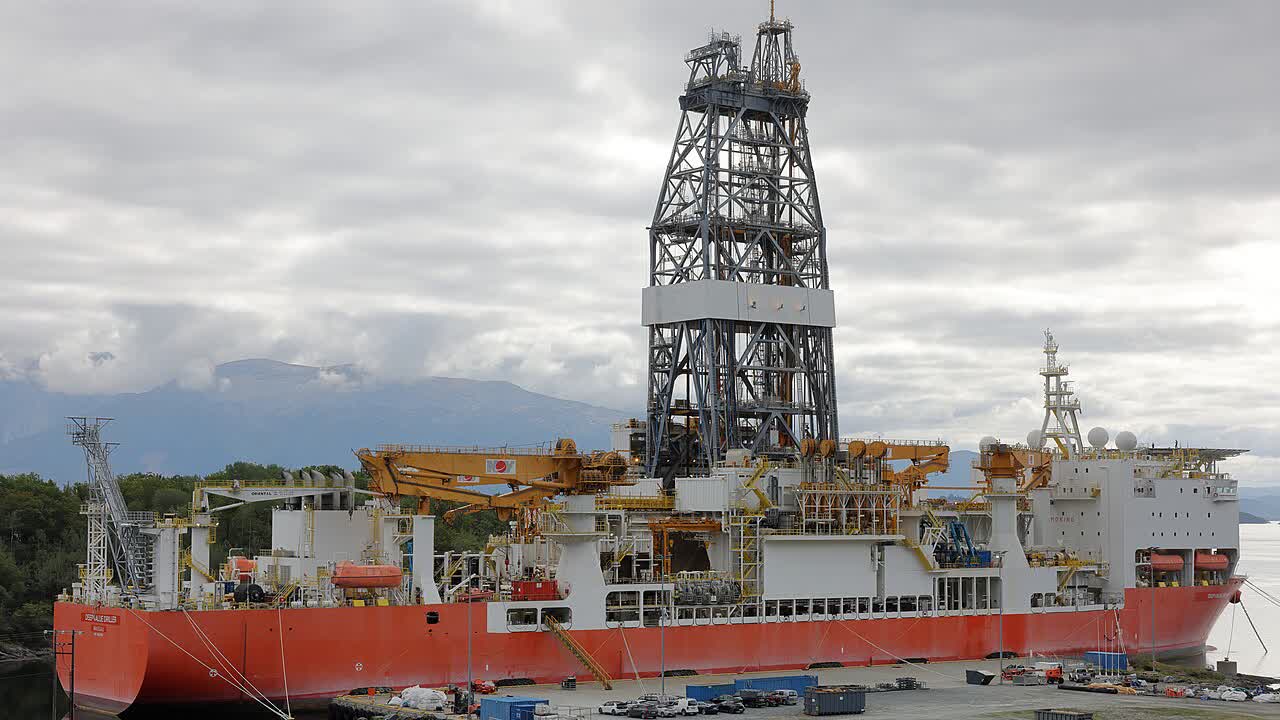

Porto Do Açu: A Center For Sustainable Decommissioning
Porto do Açu positions itself as Brazil’s first sustainable hub, with infrastructure to accommodate up to three platforms. Additionally, it applies ESG practices and offers planning flexibility, consolidating its leadership in the sector.
Sustainability In Decommissioning: Why Is It So Important?
Sustainable decommissioning prevents environmental damage, recycles materials, and follows international standards. Thus, Porto do Açu adopts a circular economy to minimize waste and maximize resources.
The P-26 And The Future Of The Porto Do Açu
With the arrival of the P-26, Porto do Açu reinforces its leadership in decommissioning. Services such as hull cleaning and technical repairs follow global standards, balancing economic progress and environmental preservation.
Positive Impacts: Economic And Environmental
Sustainable decommissioning creates jobs, strengthens local industries, and attracts investment. Furthermore, it reduces waste and protects biodiversity, establishing Brazil as a benchmark in responsible practices.
Decommissioning As A Trend In The Offshore Sector
This transformation in the offshore sector demonstrates how sustainable practices are essential. As such, Porto do Açu leads the use of advanced technologies and the expansion of specialized hubs, promoting green recycling.