





 Portuguese
  English
  Spanish
  4 min of reading
  0 comments


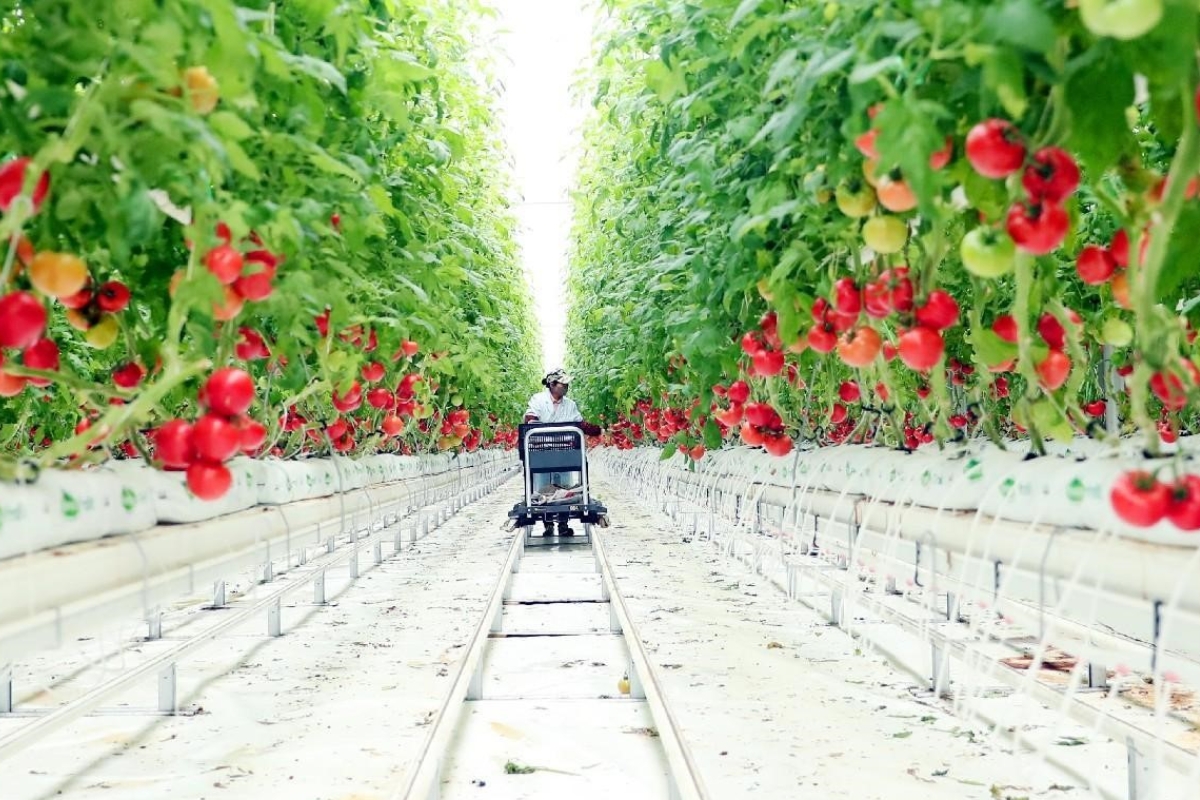
High-Tech Greenhouses Produce Soil-Less Tomatoes in the Netherlands, Increase Productivity, and Make a Scale of 1 Million Kg Per Week Viable.
The image of agriculture in the Netherlands often surprises because the country combines limited area with tomato production far above the standard seen in conventional farms. The secret lies in modern greenhouses, soil-less cultivation, and strict control of water, climate, and nutrients.
In this system, the plant does not rely on soil to grow. It develops in materials such as rock wool or other substrates while receiving the right amount of water and nutrients. This reduces waste, extends production throughout the year, and helps push yields to a level that attracts attention in the global market.
Soil-Less Cultivation Changed the Scale of Production
The strength of this model appears when looking at productivity per area. In technical studies linked to Wageningen, the average tomato production in Dutch greenhouses has been described as around 46.8 kg per square meter, a number well above what is typically seen in conventional open-field systems.
-
A fish that survives out of water, crawls on land until it finds another river, and whose female lays 80,000 eggs at once is infesting rivers and lakes in Brazil, and no one can stop this invasion.

-
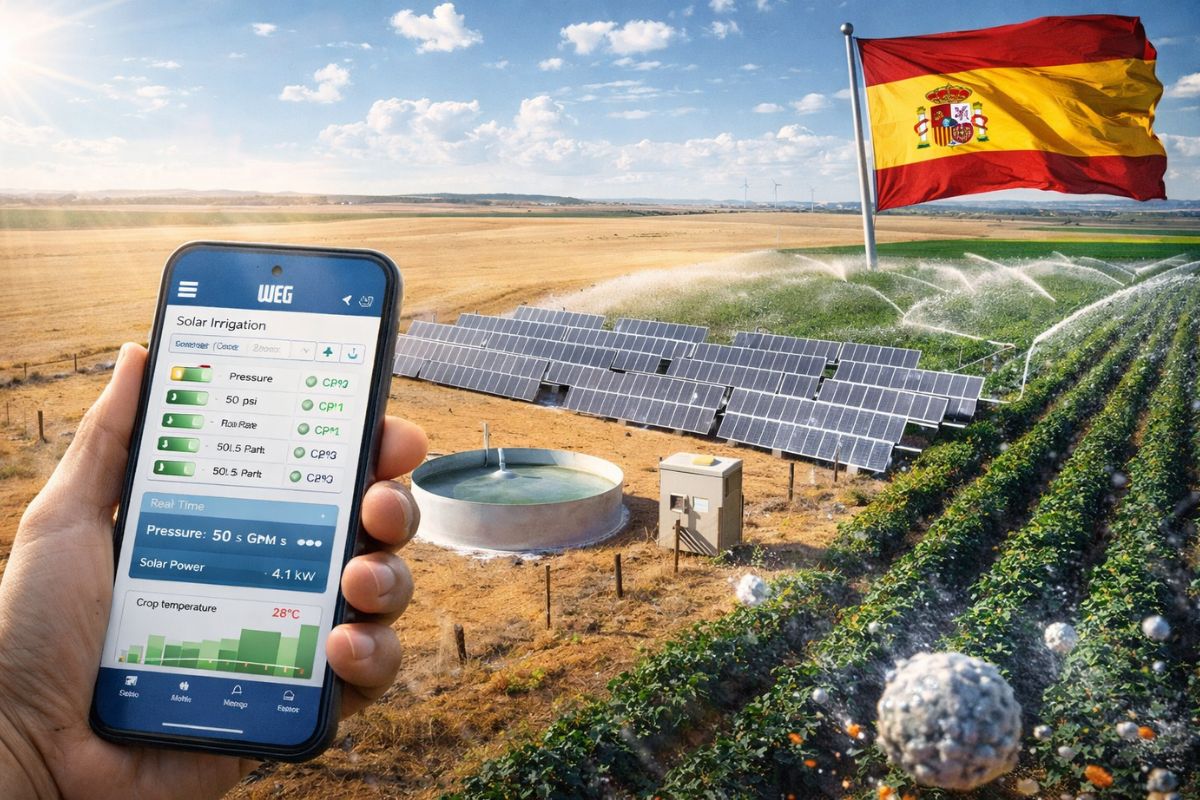
WEG took its technology to Spain to create a solar irrigation system that operates independently without needing an electrical grid, and now farmers control everything remotely via their mobile phones.
-
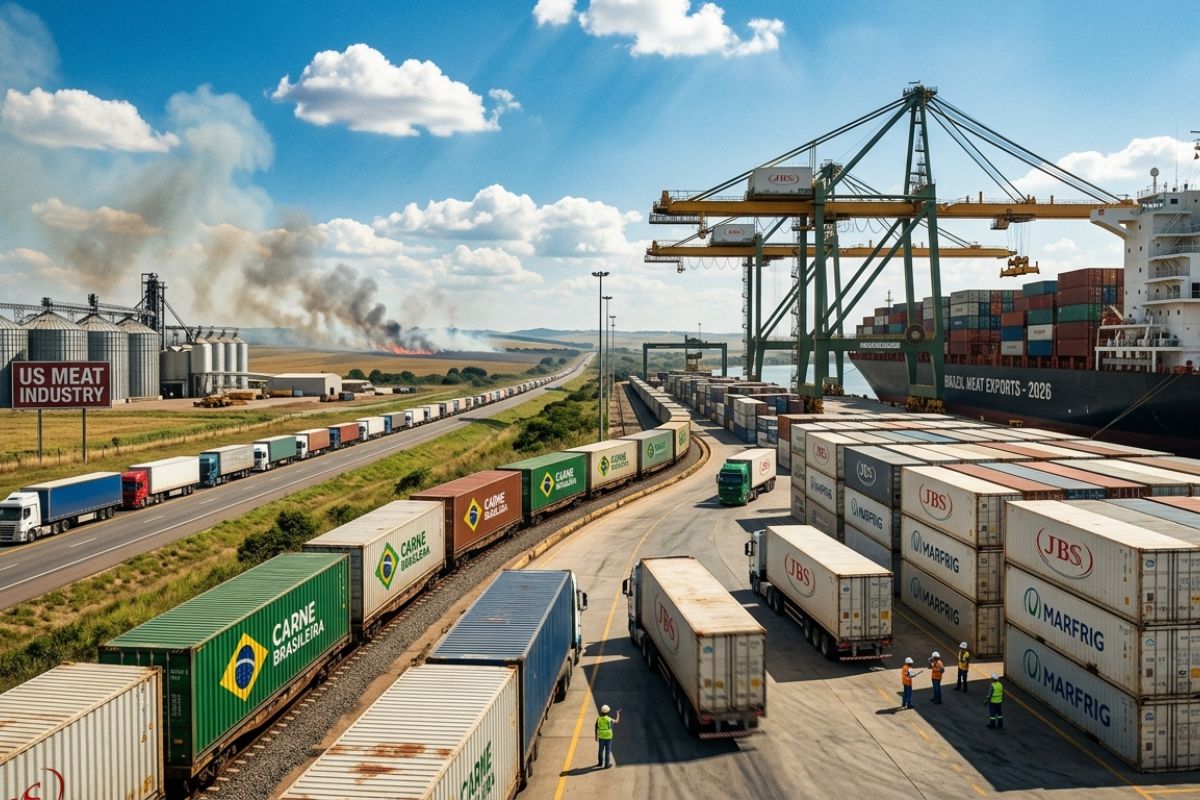
The US faces a meat crisis with fires, pests, and strikes, consumption rises and supply falls to the lowest level since 1952, creating a billion-dollar opportunity for Brazilian exports to grow in 2026.
-
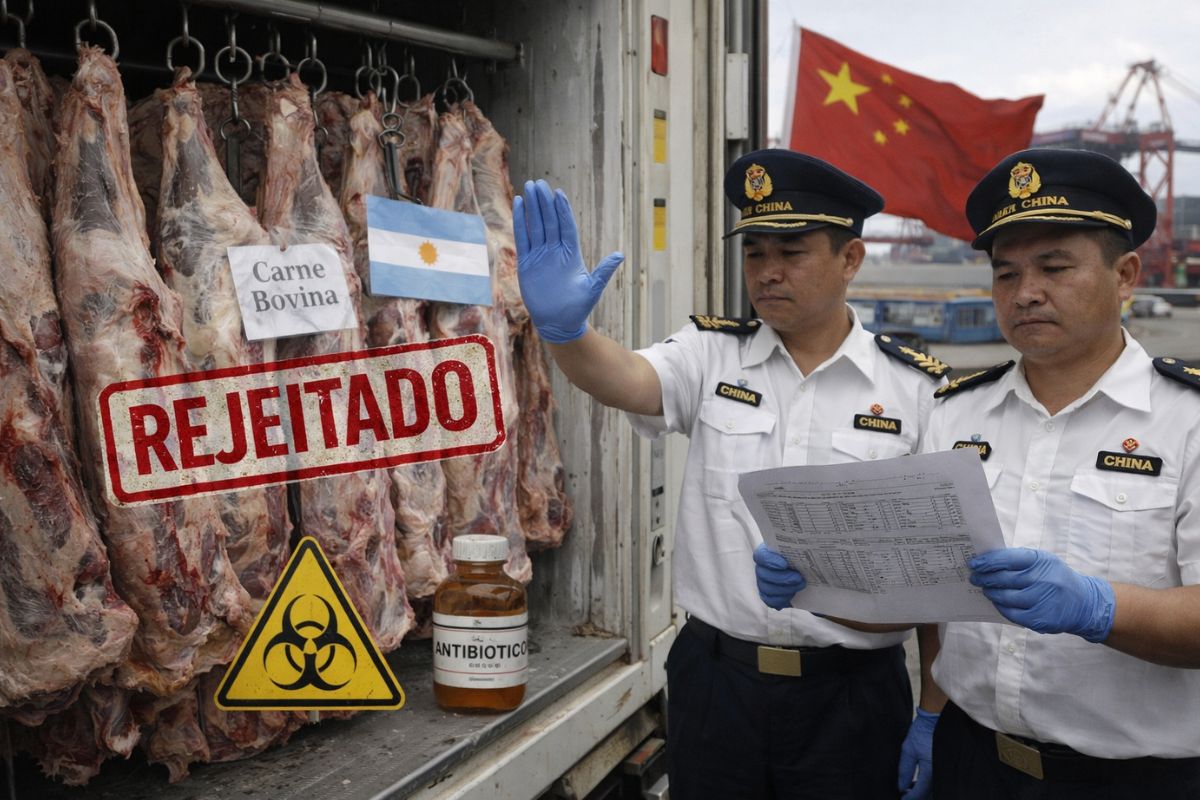
China rejected an entire shipment of beef from Argentina after detecting an antibiotic so dangerous that it has been banned for human consumption for over 30 years, and now the export sector is facing a crisis of international trust.

In more advanced versions of protected horticulture, the country operates with even higher levels of efficiency. That is why Dutch soil-less agriculture has become an international benchmark when it comes to harvesting more using less space, less water, and a much more predictable operation.
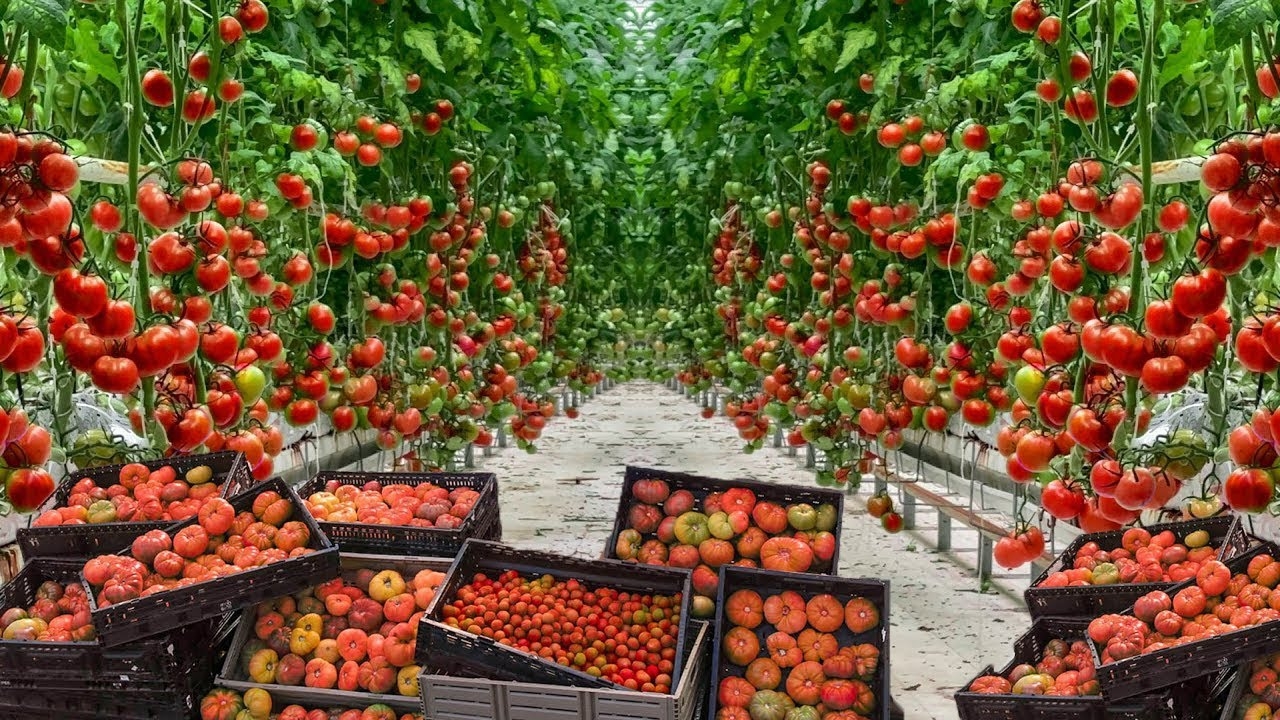
The Number of 1 Million Kg Per Week Fits in a Large Operation
The figure of 1,000,000 kg per week seems exaggerated at first glance, but it becomes plausible when applied to a large greenhouse complex. If the calculation uses a yield of 3.7 kg per square meter for the same weekly period, around 270,270 m² would be needed, equivalent to almost 27 hectares in production.
Mathematically, this fits within the reality of an intensive protected cultivation hub. The point that requires caution is not the weekly volume itself but how the yield was presented. Without indicating the exact period, the number can lead to a misinterpretation of the actual performance of Dutch greenhouses.
National Production Shows Why This Scale Is Not Absurd
According to CBS, the official statistics agency of the Netherlands, the country’s tomato harvest reached 828.5 million kg in 2024 over 1,726 hectares. This represents an average close to 48 kg per square meter per year, a level consistent with the reputation for high productivity of Dutch greenhouses.
When this annual total is distributed throughout the calendar, the average weekly scale of the country is well above 1 million kg. This helps to understand why the viralized figure does not sound impossible within the Dutch reality, especially when discussing a large company, a robust cooperative, or a set of highly tech-savvy greenhouses.
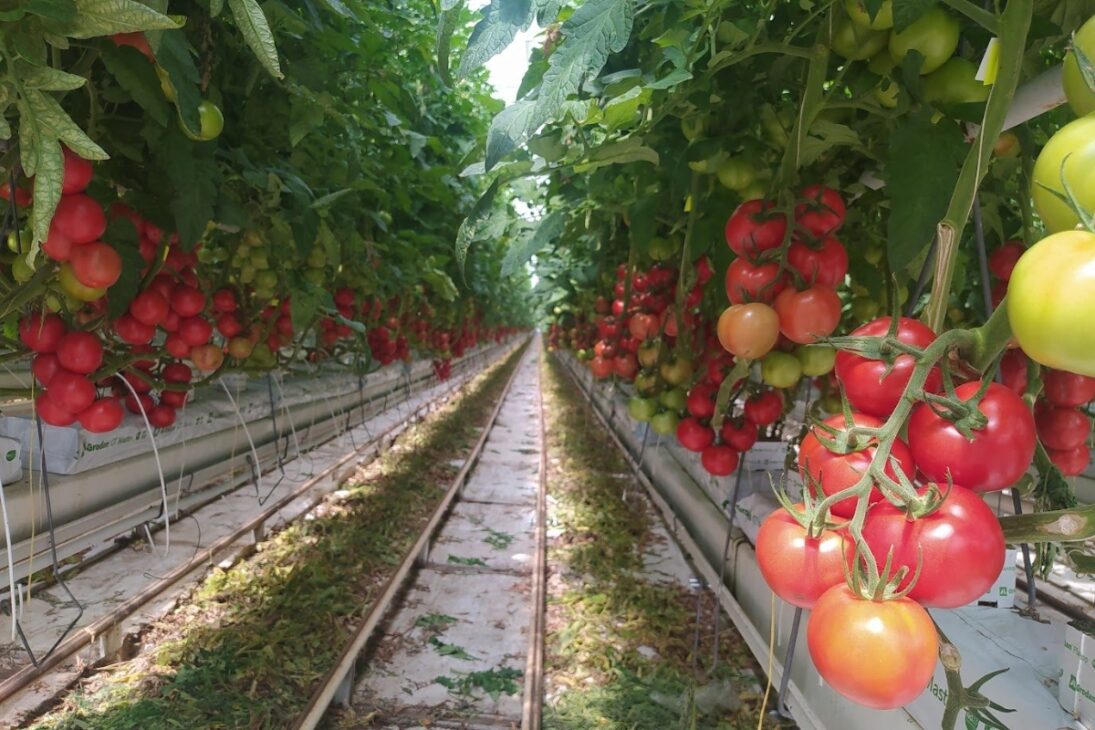
The 3.7 Kg Per Square Meter Data Needs Context
The number of 3.7 kg per square meter only makes sense if linked to a short harvest window, such as a strong week within the production cycle. If someone tries to read this value as an annual yield, it clashes with the consolidated data of the sector, which indicates a much higher performance in Dutch greenhouses.
In other words, the volume of 1 million kg per week may be real in a large operation, but the figure of 3.7 kg per square meter needs to be accompanied by period, cut, and context. Without that, the statement stands out but is technically incomplete.
Water, Climate, and Precise Control Explain the Dutch Advantage
The competitive advantage of the Netherlands does not arise solely from the use of greenhouses. It depends on fine control of irrigation, nutrient dosing, recycling of drained water, and internal environment adjustment to keep the plant in a steady production rhythm. This package makes the system yield more per area and with fewer losses.
This type of agriculture also changes the economic logic of production. Instead of being entirely dependent on external climate and the natural quality of the soil, the producer works with a more stable, predictable, and much more intensive environment. That is what places Dutch tomatoes in another level of competitiveness.

The Strength of the Model Is Less in the Slogan and More in Consistency
Soil-less agriculture in the Netherlands does not need exaggeration to impress. The data already shows a system capable of producing on a massive scale, with high productivity per square meter and an efficiency that has transformed the country into a global benchmark within protected horticulture.
What stands out the most is the strategic reading of this model. It is not just about harvesting tomatoes in a greenhouse, but about mastering water, space, climate, and regularity of supply at a level that few can replicate. When this agricultural engineering works, it repositions the market and changes the strategic reading.










-

Uma pessoa reagiu a isso.