





 Portuguese
  English
  Spanish
  3 min of reading


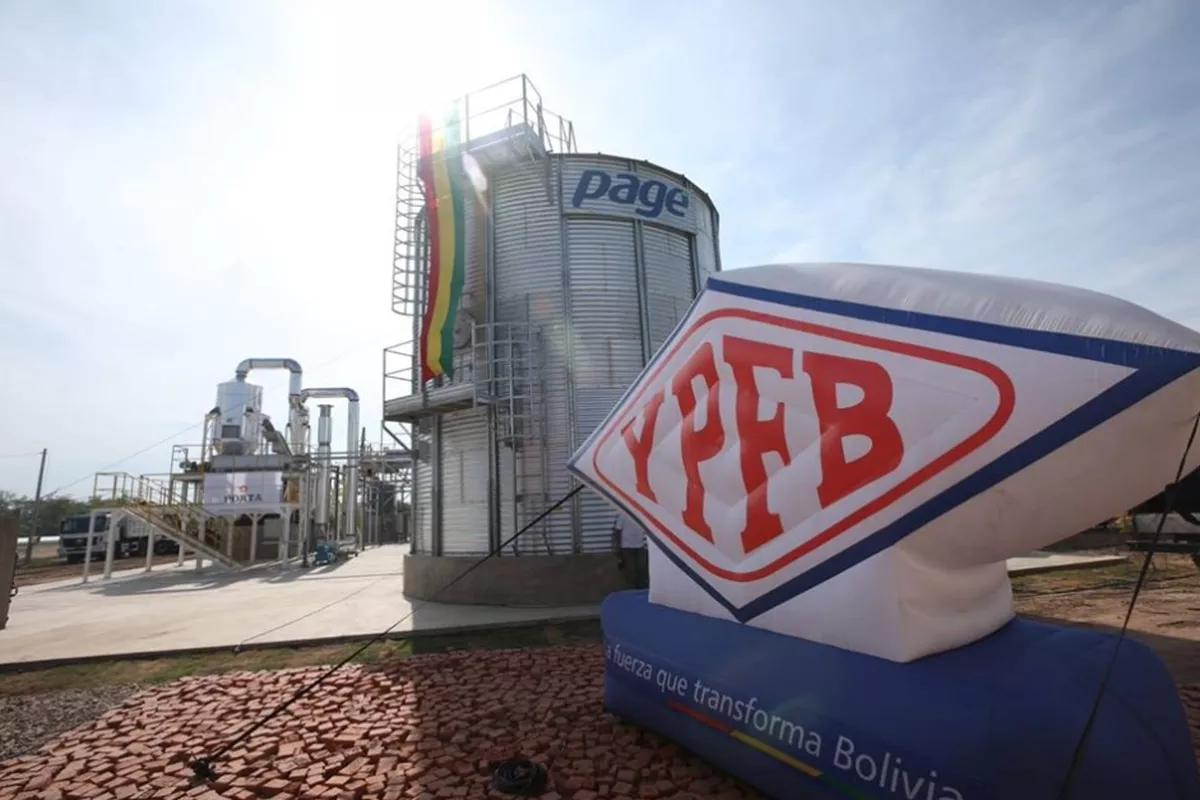
After Negotiations With Argentina, And Also With Brazil In Search Of More Gas, And Denying That The Country May Face A Lack Of The Resource, The Bolivian State-Owned Company That Controls Oil And Gas, YPFB, Announces That It Is About To Make One Of The Largest Investments Ever Made By The Company In Exploration: R$ 324 Million, Just In 2023.
The PRU, Upstream Reactivation Plan, Contains 32 Exploration Projects. Nine Of Them Have Already Been Completed And In 16, The Works, Already Initiated, Are Ongoing. In Perspective, There Are New CSPs, Petroleum Service Contracts, For Production And Exploration Between YPFB And Canacol Energy Colombia, And Between Vintage Petroleum Bolivia.
With The Measure, The Bolivian State-Owned Company Expects That The Energy Reserves Can Be Replenished. However, The Markets, Especially That Of Brazil, Show Concerns About The Decline That Bolivia’s Production Has Been Suffering Since 2015. YPFB’s Message Is That The Programmed Investments Will Be Able To Ensure That Gas Is Not Lacking For Bolivians.
And, Besides Financial Investments, Structural Investments Are Also Being Made, Such As The Drilling Of New Wells.
-
Iran authorizes the passage of ships with essential goods in the Strait of Hormuz, requires coordination and protocols; UN postpones resolution to reopen the oil route, while China, France, and Russia reject the use of force.

-
The Ukraine war exposes the strength of the M113 armored vehicle amid modern warfare with military drones.

-
Maritime geopolitics: China and the USA compete for strategic ports in Peru.

-
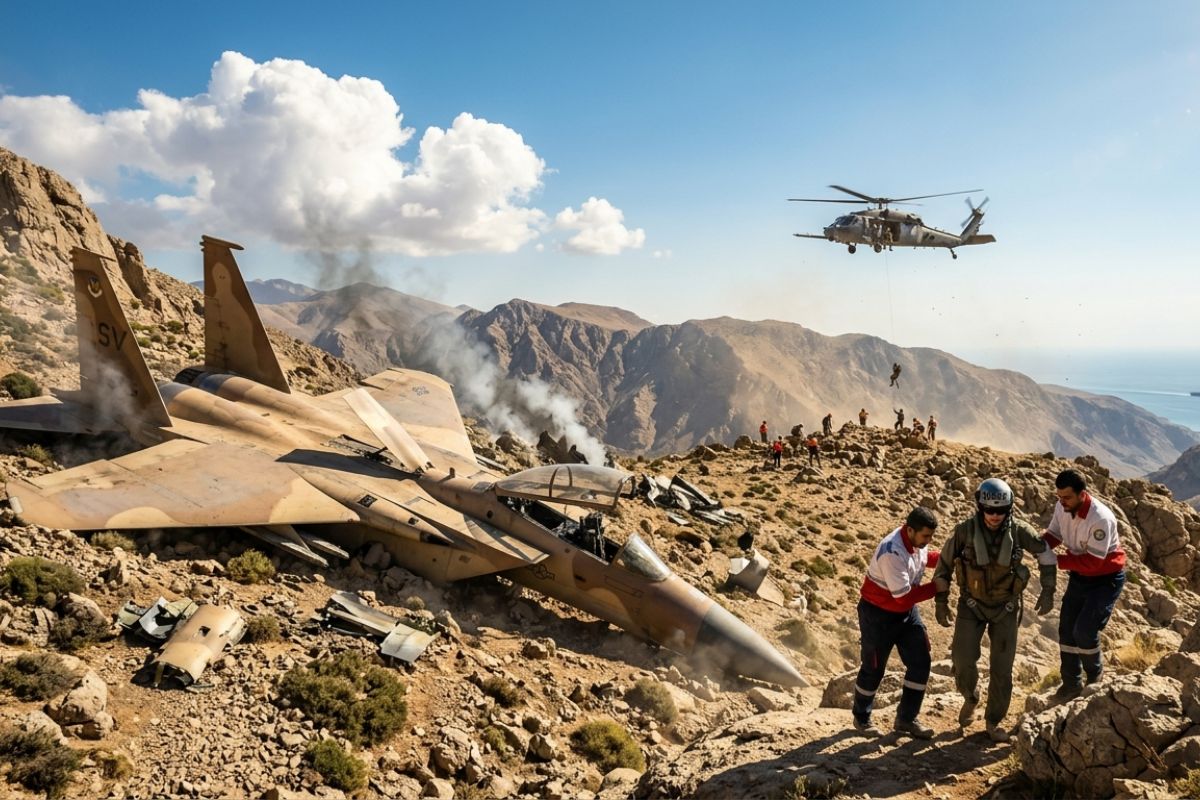
Iran shoots down two US aircraft: F-15 fighter crashes in mountainous area, one crew member is rescued and another is still missing; second crash in the Persian Gulf exposes still active air defense, says US intelligence.
Recently, The Consultancy Wood Mackenzie Published A Report In Which The Situation In Bolivia Was One Of Lack Of Exploration Success, And Of A Rapid Decline In Production. This Decline Causes Impacts On Exportation, And Brazil Feared To Be Left Without The Possibility Of Importing Gas, By The End Of This Decade.
This Prompted YPFB To Express Concerns About The Suspicions Of Bolivia Stopping Exports To Import. According To The State-Owned Company, This Fact Is Not In Their Plans.
Another Consultancy, Gas Energy, Also Foresees Continued Decline In Bolivia. However, The Fact That New Discoveries Have Not Been Made In Recent Years Indicates That The Country Has Enough Gas To Export And To Meet Domestic Demand.
In This Scenario, The Approaching Relationship Between Argentina And Brazil Is In The Spotlight Of The Oil And Gas Sector. The Background That The Country Led By Luís Inácio Lula Da Silva Would Invest In The Gas Of The Country Led By Maurício Macri Was Confirmed By President Lula’s Statement Yesterday (23): Brazil “Will Create The Conditions To Finance, Via BNDS, The Néstor Kirchner Gas Pipeline,” He Stated.
With The Agreement, Both Countries Believe They Will Benefit From Cheaper Gas And A Strengthened Partnership For The Energy Transition That The World Needs To Undertake To Ensure Sustainability And Livable Climate Conditions. Argentina Has Already Declared The Amount Needed To Complete The Second Section Of The Gas Pipeline: US$ 689 Million. The Project Envisions That Argentinians Will Stop Importing From Bolivia To Favor Importing From Brazil, From The Vaca Muerta Reserve.
The Minister Of Economy In Argentina, Sergio Massa, Stated That The Argentinian Gas Will Be Cheaper For Brazil Than Bolivian Gas. Jointly, Argentina And Brazil Also Announced That The Gas Pipeline Agreement Will Not Be The Only One. Other Commitments In The Energy Sector Are Underway, Such As Studies For The Development Of Projects That Promote Binational And Regional Energy Transition Chains And Complexes. Convergence Is The Target Word For Both Countries.









Seja o primeiro a reagir!