





 Portuguese
  English
  Spanish
  4 min of reading
  0 comments


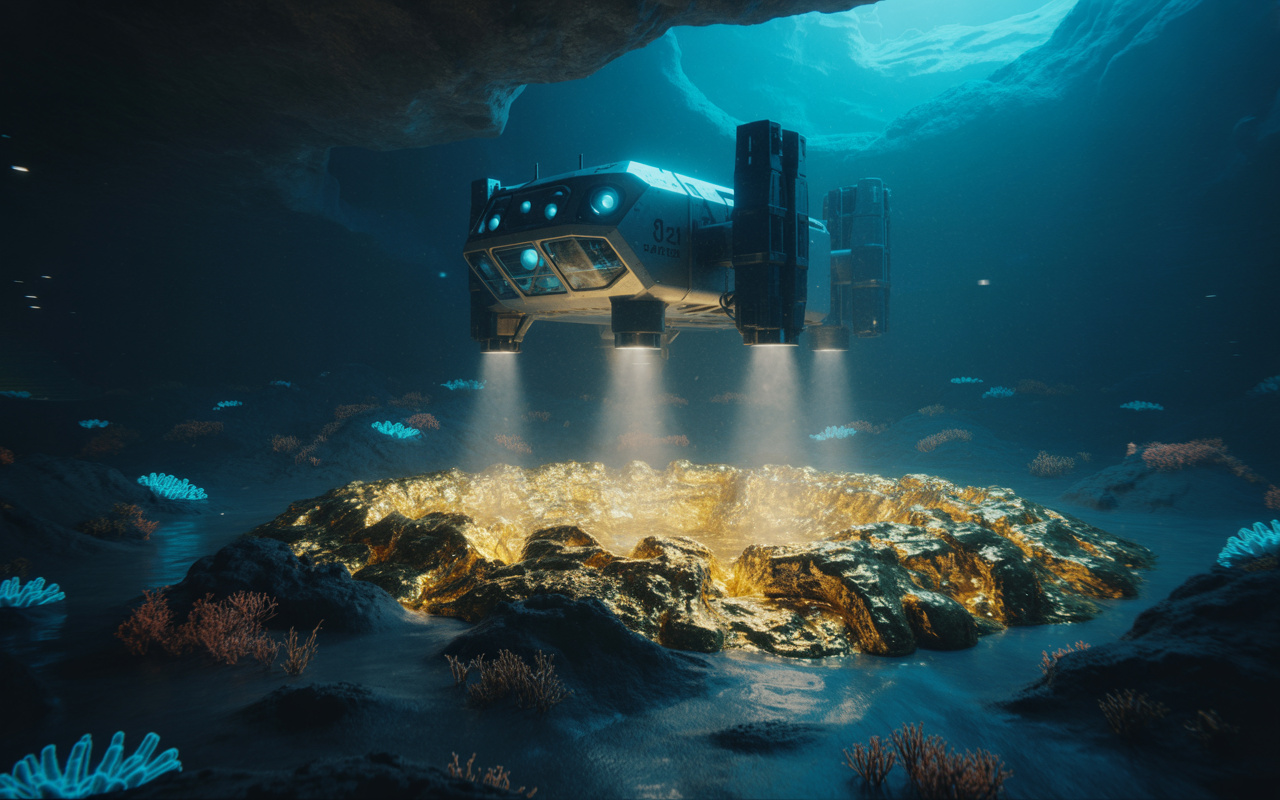
Billion-Dollar Deep Sea Mining Project in Papua New Guinea Fails After 25 Years, Leaving Debts and Becoming a Global Example of Technological Failure.
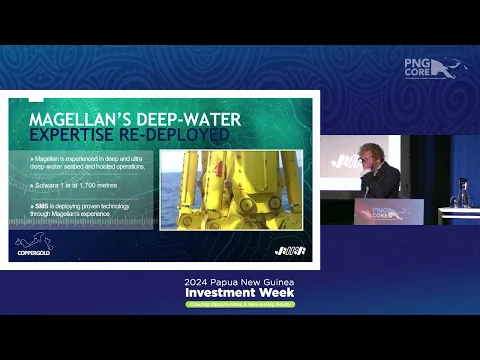
At the end of the 1990s, the promise seemed revolutionary: to explore mineral wealth hidden thousands of meters deep in the ocean floor. The Canadian company Nautilus Minerals launched an ambitious project in Papua New Guinea, called Solwara 1, aimed at extracting copper, gold, and other precious metals directly from the seabed.
It was the start of a technological race that could usher in a new era of global mining. With billion-dollar funding, support from governments and investors, the expectation was clear: to transform the oceans into the next frontier for mineral exploration.
But what promised to be a historic turning point turned into one of the biggest failures in global mining.
-
After China, it’s now the turn of the USA to ‘secure’ a share of Brazil’s natural resources: the country buys critical rare earths for R$ 3 billion and enters the center of the global technology dispute.
-
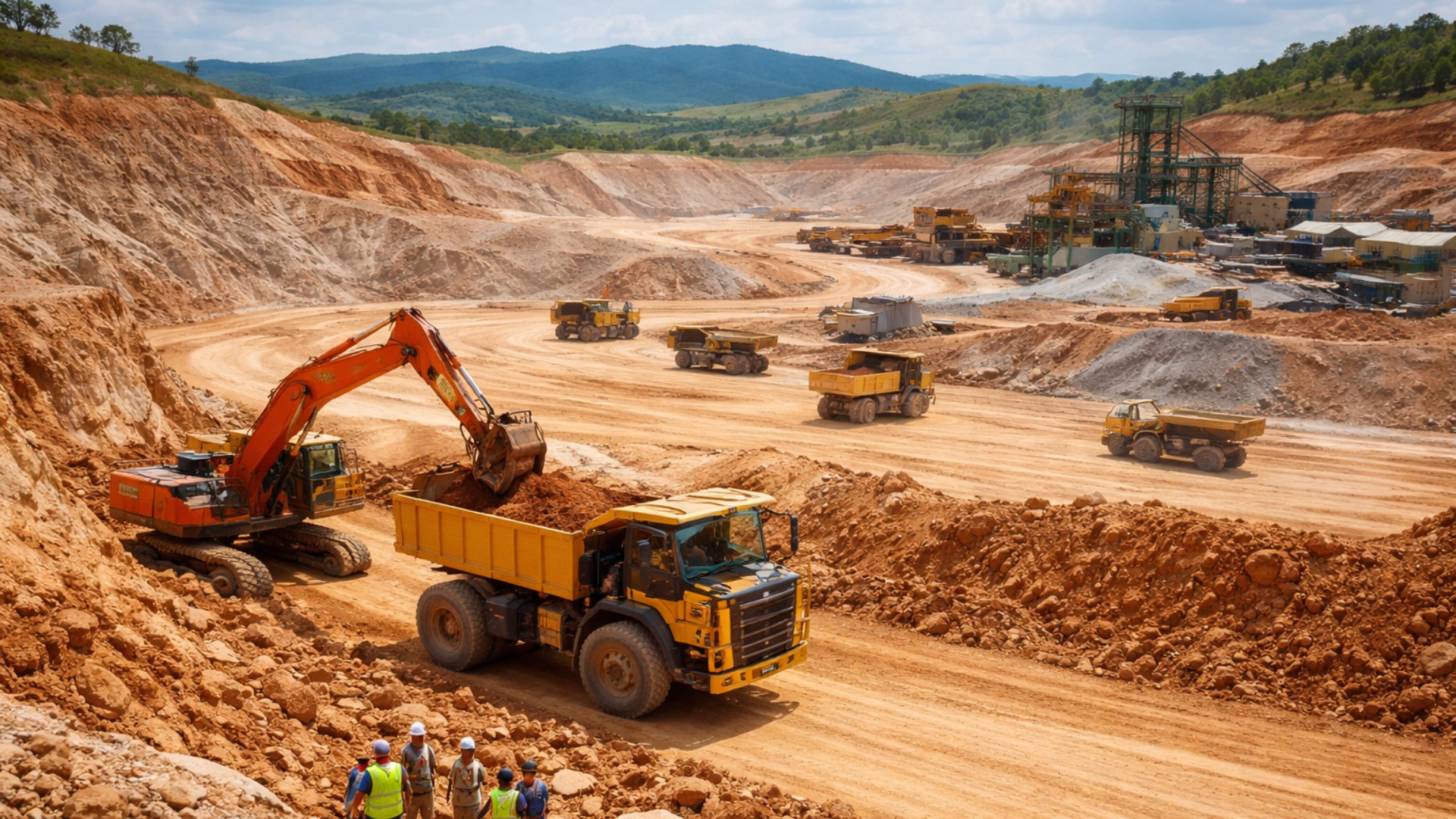
Rare earths are in everything, from cell phones to bullet trains, and what almost no one realizes is why they have become the target of such a delicate global war.
-
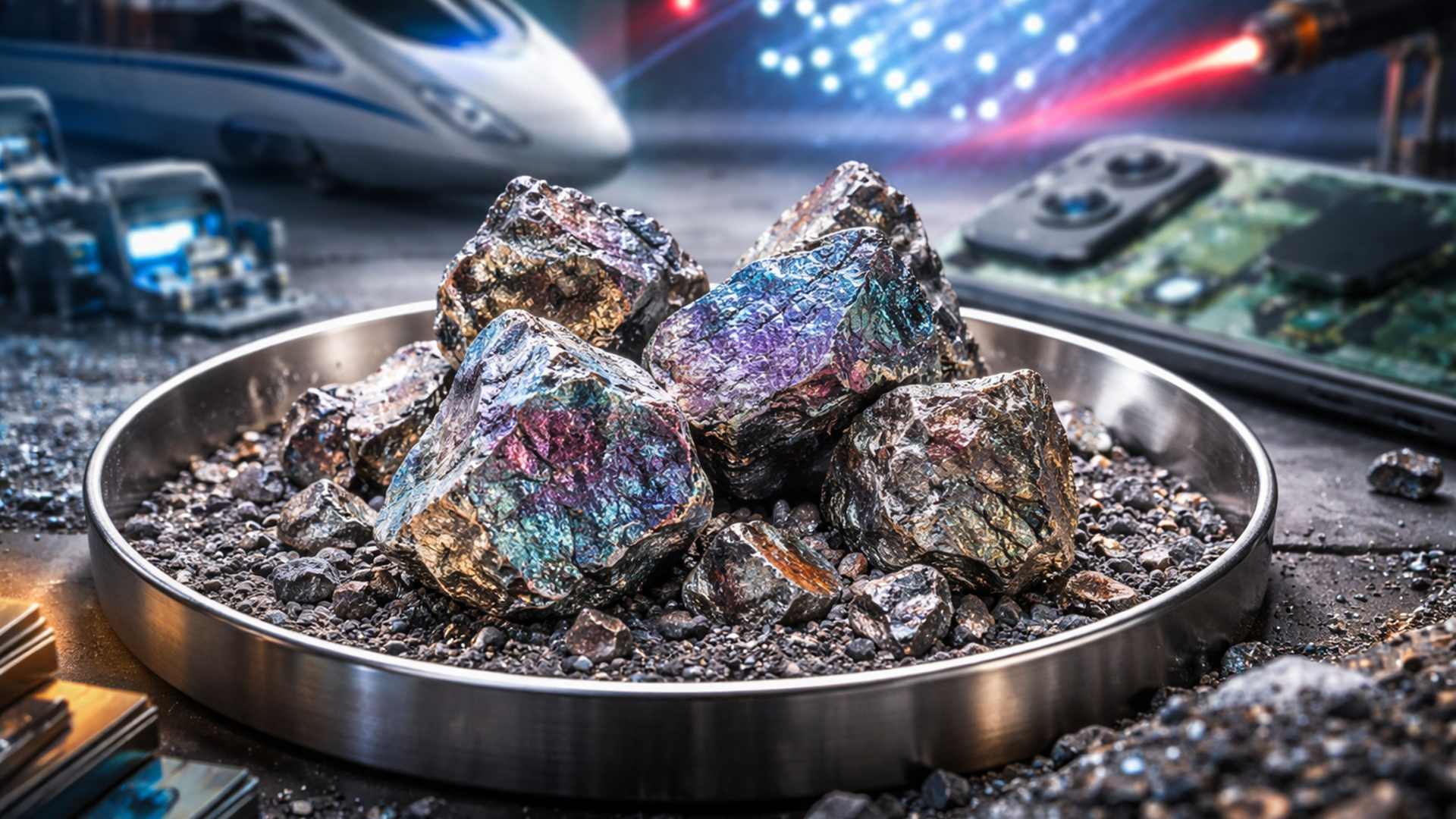
Brazil extracts 26.3 million tons of ore from what was previously treated as waste, transforming residues into wealth, producing over 3 million tons of sand, and demonstrating how national mining is relearning to generate value.

-
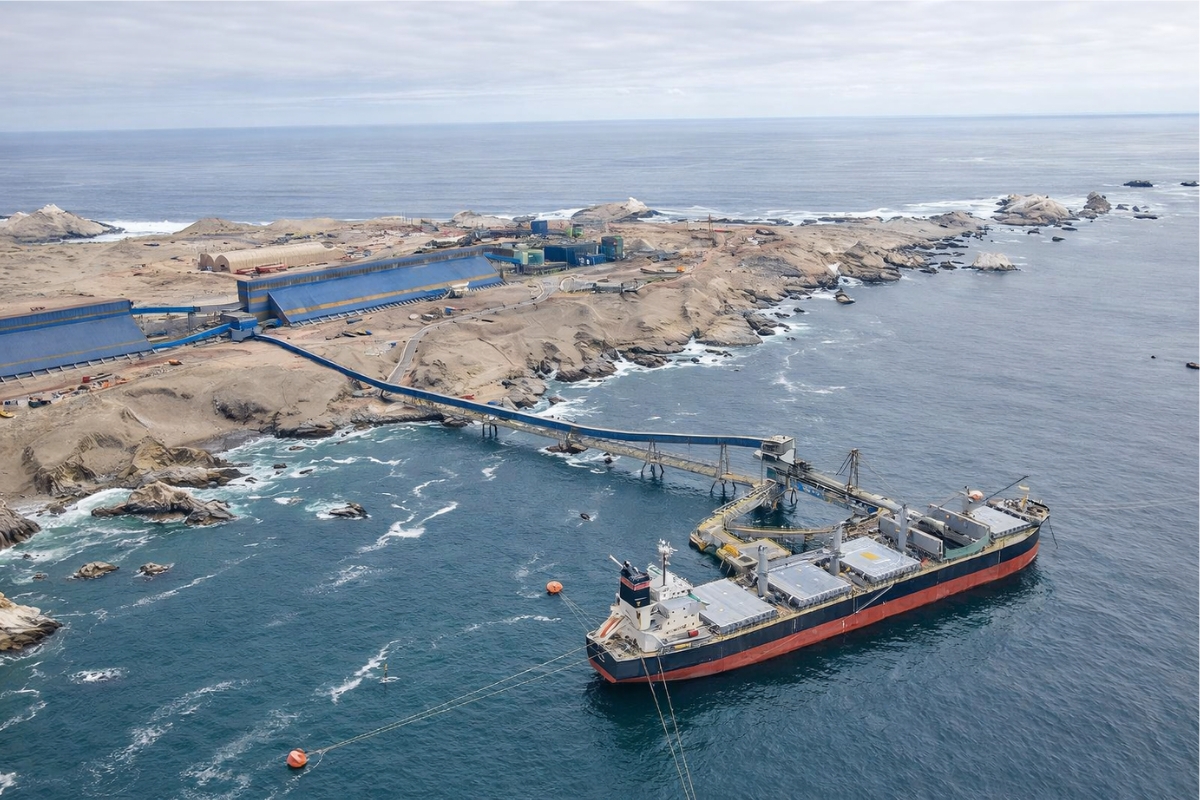
A $3.5 billion megaproject in Latin America pumps desalinated seawater at 1,050 liters per second over 194 km to keep a copper supermine in the Andes operational for another 20 years.

Billions Invested, Not a Gram of Ore
There were more than 25 years of investments, research, and attempts. The project consumed billions of dollars in creating underwater machines, excavation robots, and special vessels.
The goal was ambitious: to drill the ocean floor at depths greater than 1,600 meters, crush volcanic rocks, and pump the ores to the surface. The estimated ore was incredibly rich: high-purity copper and gold in commercial quantities.
However, in practice, not a gram of ore was extracted. The technology repeatedly failed, costs skyrocketed, and deadlines were missed year after year.
The Promises and the Collapse


Nautilus Minerals guaranteed that Solwara 1 would be just the first of a series of projects in the Pacific capable of transforming ocean mining into a new source of global wealth.
But in 2019, reality hit hard: the project was officially canceled. The company went into financial collapse, leaving debts that exceeded US$ 350 million without delivering a single ton of ore.
The case came to be cited by environmentalists, economists, and engineers as an example of how the pursuit of technological advancements without a solid foundation can lead to financial tragedies.
Environmental Impacts and International Reaction
In addition to the economic failure, the project generated intense environmental criticism. Scientists warned that deep-sea mining could devastate unknown ecosystems, destroy marine habitats, and release toxic substances into the deep waters.
International pressure grew, and several countries began to demand a moratorium on deep-sea mining. Organizations like Greenpeace and the Deep Sea Conservation Coalition reinforced the warnings, stating that environmental risks outweighed any promise of profit.
The collapse of Nautilus reinforced the argument of environmentalists: if the technology couldn’t even start production, what would be the real impact if it had worked?
The Dream That Turned Into a Nightmare for Papua New Guinea
For Papua New Guinea, a country that offered its coast for the experiment, the project was a disaster. The government invested around US$ 120 million in Nautilus Minerals, expecting returns in the form of royalties, jobs, and economic growth.
However, when the company went bankrupt, the country was left with the debt and no benefits. This episode is still remembered today as a financial nightmare that compromised public resources and left bitter lessons about the risks of betting on untested technological promises.
One of the Biggest Failures in Global Mining
The case of Solwara 1 went down in history as one of the biggest failures in mining worldwide. The contrast is evident: while land mining companies still manage to extract profits even in problematic projects, Nautilus Minerals failed to produce anything at all in over two decades of attempts.
The failure was so resounding that experts began to call it the “Titanic of Mining”, a perfect metaphor for a billion-dollar project that sank before it even set sail.
The Future of Deep-Sea Mining
Despite Nautilus’s failure, other countries and companies continue to study ways to explore the ocean floors. The growing demand for minerals like cobalt, nickel, copper, and rare earths — essential for batteries and clean energy technologies — keeps the topic on the global agenda.
The International Seabed Authority (ISA), linked to the UN, is studying regulations for the sector. But the collapse of the project in Papua New Guinea serves as a warning: ocean mining is still far from being economically viable or environmentally safe.
Lessons from a Billion-Dollar Collapse
The failure of the Solwara 1 project leaves some clear lessons:
- Immature technology can lead to billion-dollar losses.
- Promises of innovation do not substitute practical viability.
- Environmental risk can nullify even potential gains.
- Governments should exercise caution when investing public money in high-risk ventures.
More than a business failure, the episode serves as a reminder that not every technological “El Dorado” is real.
The Gold from the Ocean Floor That Never Reached the Surface
After 25 years of promises, billions invested, and a trail of debts, the deep-sea mining project in Papua New Guinea ended without producing anything at all.
What was supposed to be the “future of mining” turned into just a historical example of how excessive optimism can sink when faced with technical, financial, and environmental barriers.
In the end, the episode confirms: the gold from the ocean floor may well exist, but it is still a long way from becoming real wealth. And for Nautilus Minerals and Papua New Guinea, the dream turned into nothing but a symbol of failure.








Seja o primeiro a reagir!