





 Portuguese
  English
  Spanish
 2 min of reading
  0 comments



The Climatic Impact on the Energy Economy
The president of the Union of Construction, Generation, Transmission, and Distribution of Electric Energy and Gas of Mato Grosso (Sindenergia MT), Tiago Vianna, highlights the close relationship between climate variations and the energy sector, a sector intrinsically linked to agribusiness and the economy. Vianna emphasizes that the period between December 21 and 22 recorded intense rains, which resulted in full reservoirs and reduced energy tariffs. However, he points out the possible change in this scenario in 2024, driven by significant climate changes.
He explains that the hydropower dominance in the national energy matrix, which exceeds 60%, establishes a direct dependence on water conditions for energy generation. In this context, the free energy market has presented itself as an advantageous option, with historically low prices. However, Vianna warns about the instability of these values in the near future, especially due to climate projections.
Energy Challenges and Rising Prices
Vianna points to a concerning scenario, where water scarcity in the Amazon region, specifically in the northern states, has a domino effect throughout the country. The Giral and Santo Antônio power plants, located in Porto Velho (RO), are essential for energy supply in the Southeast. However, the lack of water has led to the temporary shutdown of these sources, affecting energy distribution.
-
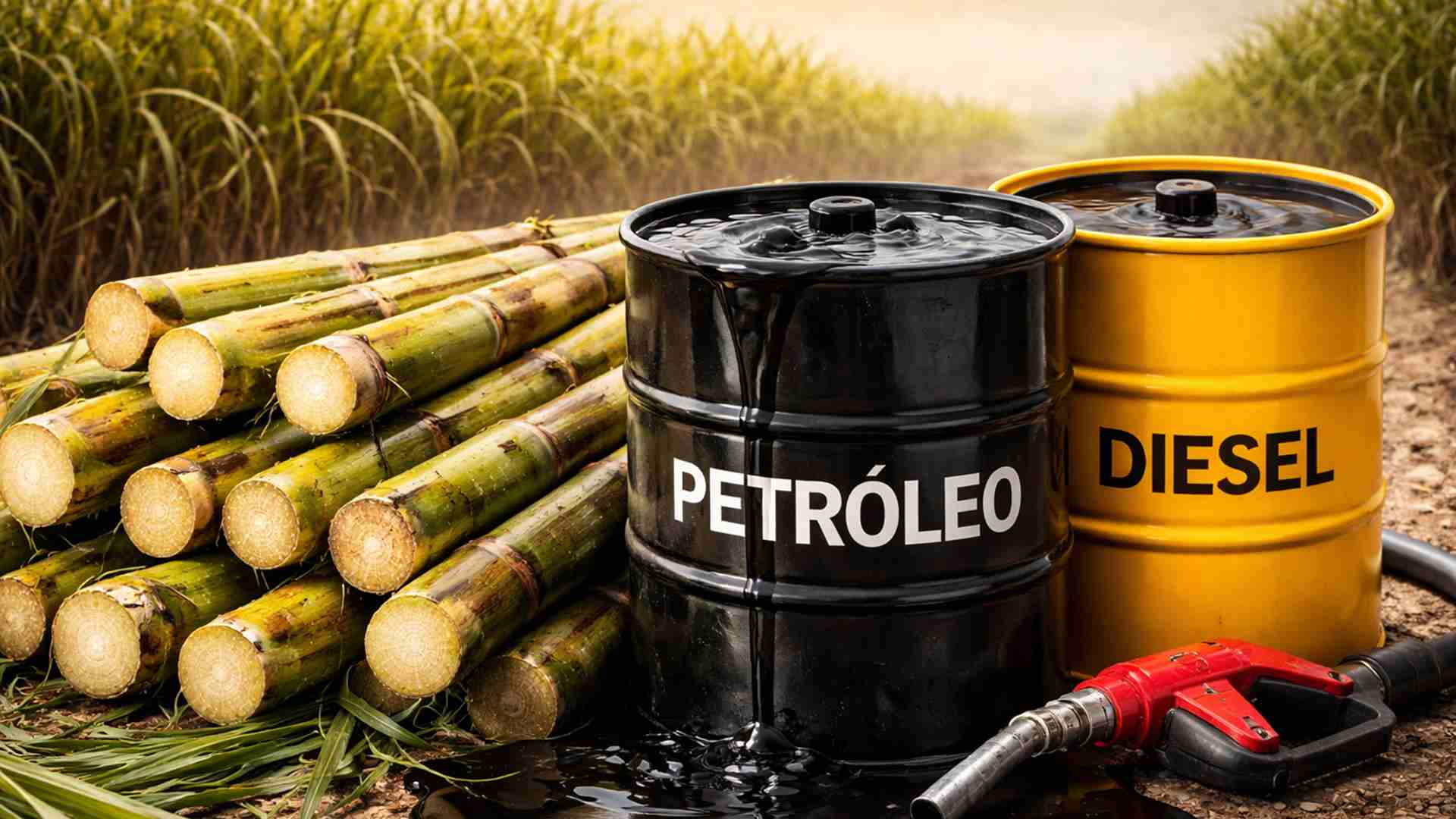
The rise in oil prices in the Middle East is already affecting Brazilian sugar: mills in the Central-South are seeing their margins shrink just as ethanol gains strength.
-
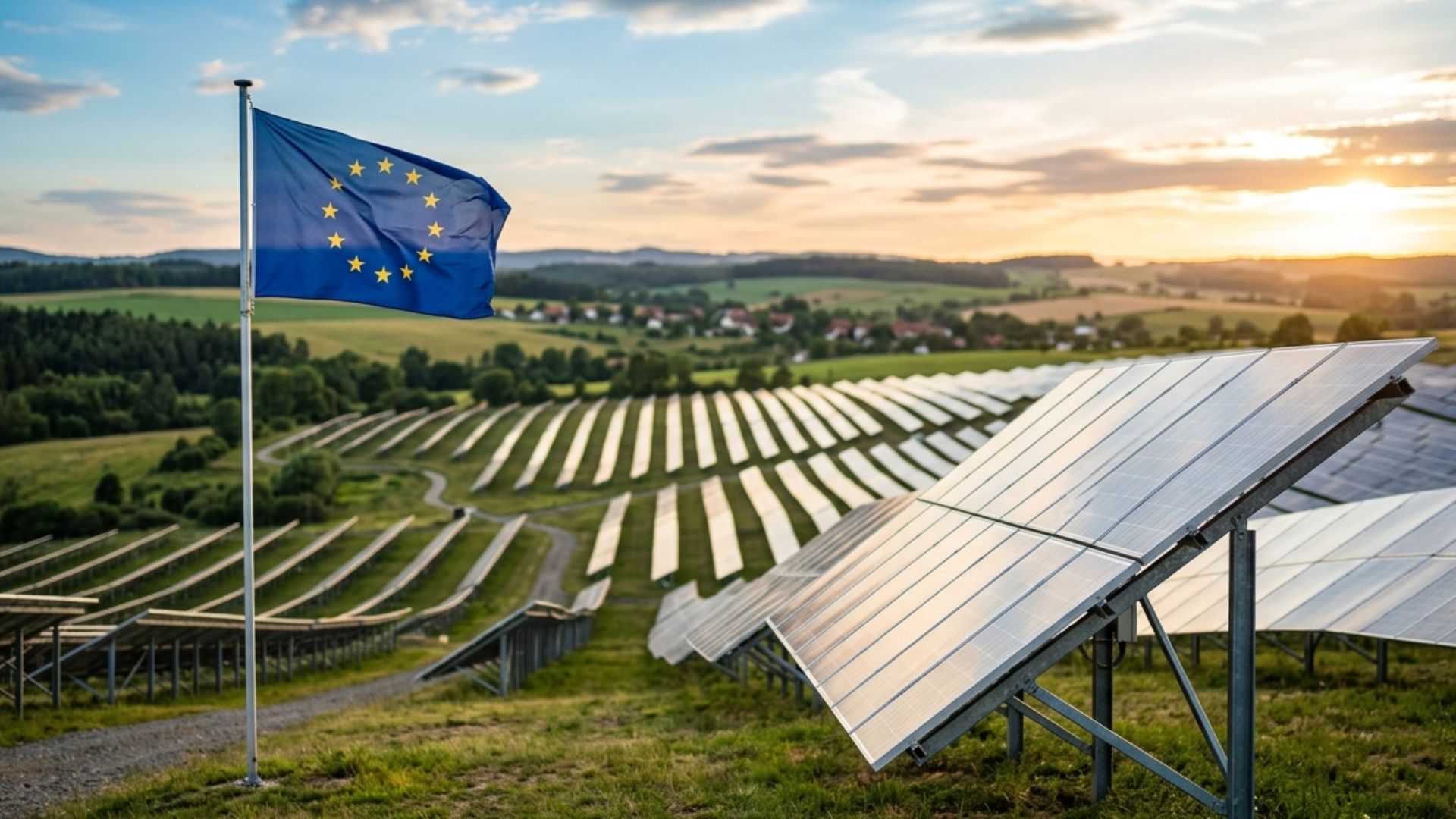
Europe records strong euro economy with solar energy in March and sparks curiosity about which country leads growth that redefines the energy market and reduces costs.
-
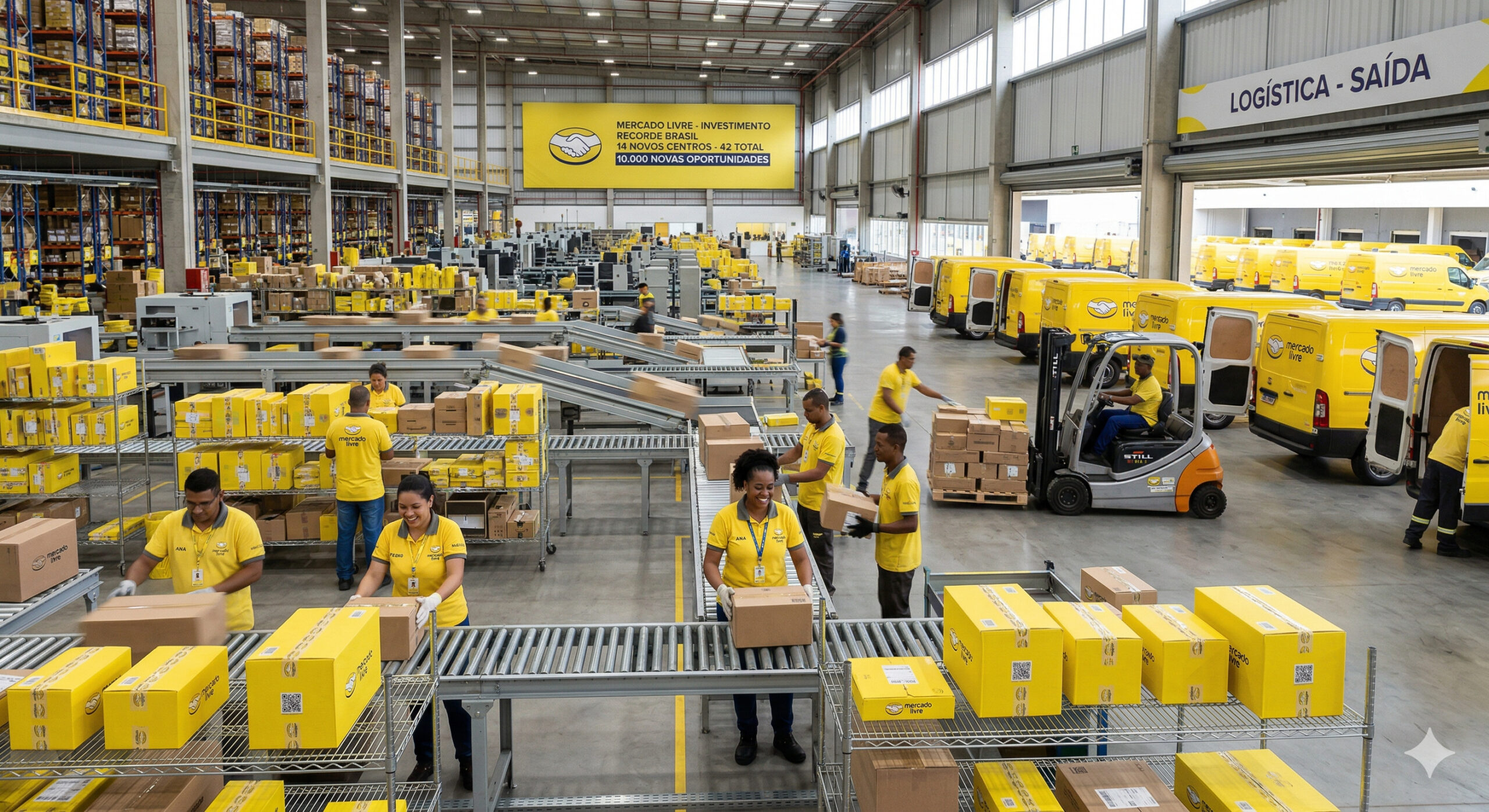
Mercado Livre “opens the vault” and announces a record investment of R$ 57 billion in Brazil in 2026, a value 50% higher than the previous year, with an expansion plan that includes 14 new logistics centers, totaling 42 units in the country and hiring an additional 10,000 employees.
-
How investment in technology can revolutionize the national economy and enhance industrial gains, according to a study that highlights the direct impact on productivity, innovation, and wealth retention within Brazil.


He predicts that this drought, which already affects the Midwest, may extend to the South in 2024, with serious implications for water availability and, consequently, energy supply. Vianna highlights that water scarcity not only reduces the energy supply but also significantly raises its price. In the free market, this variation is perceived through the Free Price of Differences (PLD), which fluctuates hourly. In the regulated market, the situation is reflected in the tariff flags of the utilities, ranging from green, yellow, and red. In scenarios of water scarcity, where utilities are forced to resort to non-renewable sources, the final consumer will feel the impact directly in their pocket, paying higher tariffs for energy.
Tiago Vianna’s forecast from Sindenergia MT underscores the vulnerability of the energy sector to climate change, emphasizing the importance of prevention and adaptation strategies. He warns of a 2024 filled with challenges and uncertainties, where the balance between energy supply and demand may be severely tested by climatic conditions.
Source: Steh 220 Press Advisory.







Seja o primeiro a reagir!