





 Portuguese
  English
  Spanish
 3 min of reading



Researchers from CNPEm in SP Discover Enzyme in the Digestive System of Capybaras That Can Make Ethanol Production Possible, as Well as Other Uses in the Food Sector
In Campinas (SP), researchers from the National Center for Energy and Materials Research, linked to the Ministry of Science, Technology and Innovations (CNPEm), discovered that it is possible to produce biofuel, such as ethanol, from two families of enzymes that are involved in the digestion of capybaras. The discovery was announced on Wednesday (2). The researchers from SP used advanced techniques from modern science. To understand how the digestive process of the capybara works, an animal that primarily feeds on grass plants like sugarcane and aquatic plants, it was necessary to use one of the synchrotron light lines of the Sirius particle accelerator.
Read Other Related News
Understand How the Discovery to Produce Ethanol with the Help of Capybaras Came About
The work of the CNPEm researchers in SP started from an initial suspicion. Due to capybaras being accustomed to consuming sugarcane as food in Brazil, they would have incorporated, in their intestinal microbiome, bacteria that can adapt and digest this type of biomass more efficiently. The scientists conducted a sort of census with the aim of finding and mapping the microorganisms.
Integrated multi-omic analyses were used in this process, including metabolic reconstruction and DNA and RNA sequencing. With the help of Sirius, the focus gradually narrowed down to an atomic scale. As a result, CNPEm researchers discovered unprecedented details about the composition, structure, and enzymatic processes involved in the digestion of plant fibers.
-
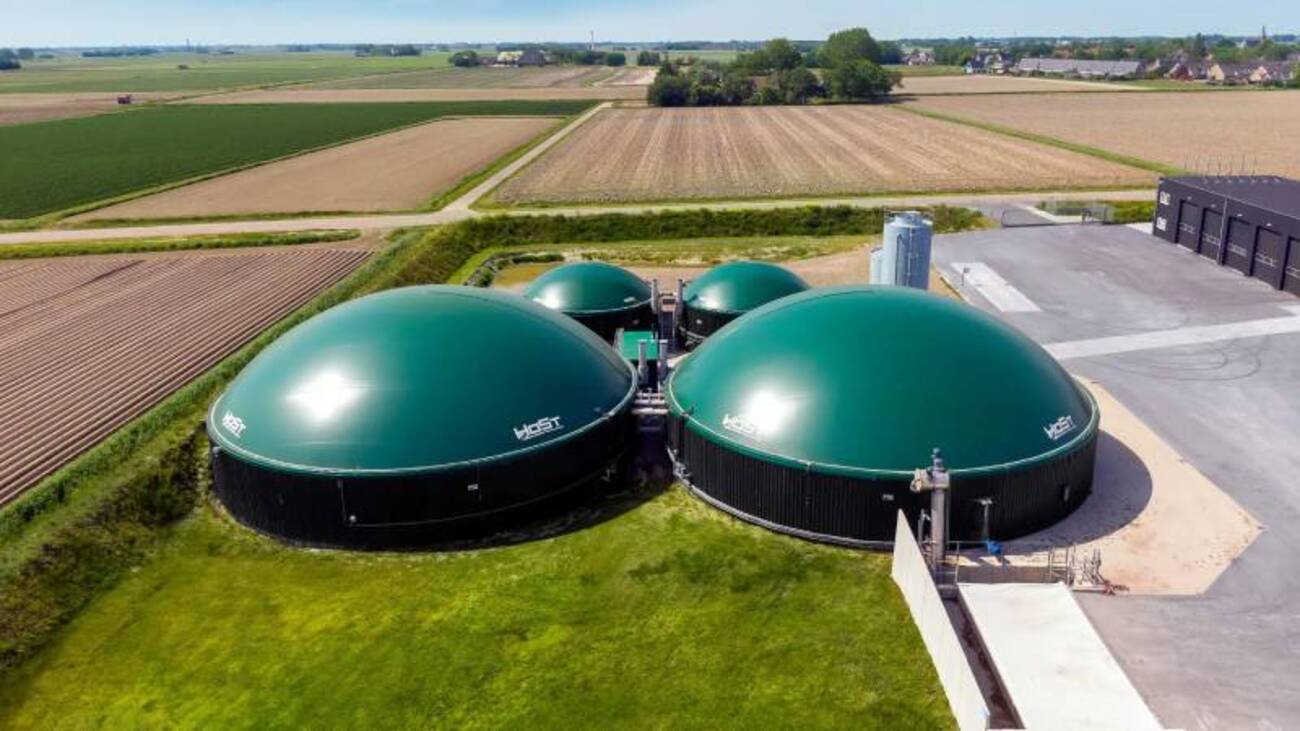
Revolution in the sugar-energy sector: Government sets new target for biomethane and paves the way for ethanol plants to profit from the conversion of waste into renewable fuel.
-
How green infrastructure and renewable energy at the World Cup transform the logistics of the largest sporting event on the planet in North America.

-
The Cagece and UFC project advances in sustainable innovation with biogas by converting waste into renewable energy, reducing environmental impacts, and increasing sanitation efficiency with concrete and measurable results.
-
Paranaense students develop a system that transforms farm waste into clean energy and revolutionizes sustainable agribusiness.

The degradation of cellulose is performed by Fibrobacter phylum bacteria, while pectins and hemicelluloses are processed by various CAZymes found in Bacteroidetes phylum genomes.
CAZymes Discovered by CNPEm Researchers in SP
Known as carbohydrate-active enzymes, CAZymes are proteins very favorable for use in biotechnological processes, such as the production of ethanol and other biofuels, materials from biomass, and even in the food industry.
The CNPEm researchers in SP discovered two new types of these enzymes in the digestive system of capybaras, including a new carbohydrate-binding module related to xylan recognition (CBM89) and a new family of glycoside hydrolases with beta-galactosidase activity, commonly known as GH173.
The latter, found in capybaras, proved particularly interesting for use in food-related processes, primarily acting in the metabolism of dairy derivatives. The former is favorable for incorporation into enzymatic platforms that are already being refined, with applications in fuel production, such as ethanol, biomaterials, and even food.
Ethanol from Corn?
In addition to this discovery by CNPEm researchers in SP, with capybaras, a plant in Paraná decided to innovate due to the lack of sugarcane, producing ethanol from corn. Even with low production, of the 19 plants, one in Jandaia do Sul is the only one still producing the fuel.
The plant can grind about 600 tons of corn per day, and with each ton, it is possible to produce about 400 thousand liters of fuel. With sugarcane, only 80 thousand liters can be produced. Furthermore, with corn, fewer employees are needed, only 100. Three times less than sugarcane, which requires 300 workers.






Seja o primeiro a reagir!