





 Português
  Inglês
  Espanhol
  5 min de leitura


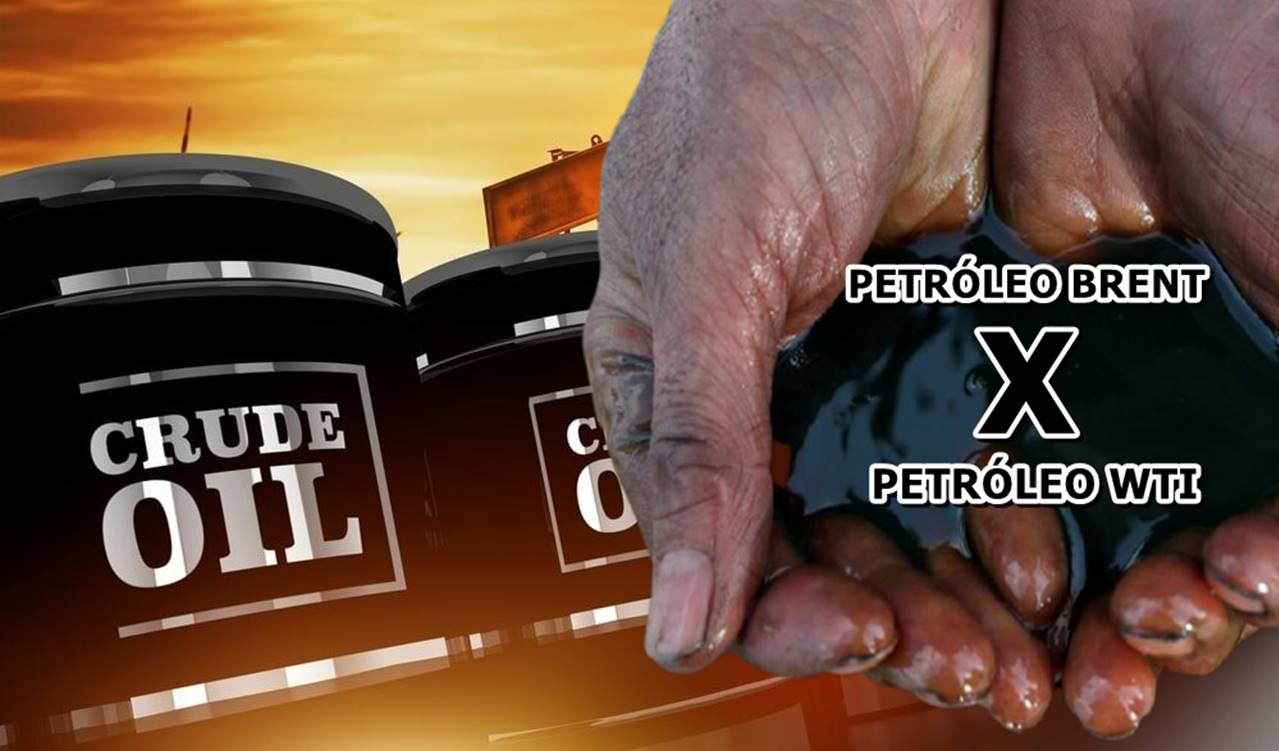
Commodities are one of the largest sources of foreign exchange for any country, and that is no secret. Among many of them, oil has drawn significant attention, especially for being an important resource to produce raw materials for various products and a source of energy. However, there is much doubt about Brent oil and WTI oil, isn’t there?
There Are Different Types of Oil Traded in the Market, Let’s Get to Know Them and Highlight Their Differences, Here is the List of Contents You Will Find Below:
- What is Brent Oil
- What is WTI Oil
- How to Invest in Oil?
- Is Investing in Oil Worth It?
- Why Pay Attention to Oil?
- Production in Saudi Arabia
- Why Do Brent and WTI Have Different Prices?
In addition to those previously mentioned: Brent and WTI, there is also Dubai Crude, a heavier type of oil from the Middle East. However, the most traded oils on the Brazilian stock exchange are Brent and WTI (West Texas Intermediate).
Brent Oil
Brent oil is a lighter oil traded on the London Stock Exchange, produced in the North Sea and Asia.
-
Offshore industrial demand in Macaé skyrockets with the recovery of oil and gas and could grow by up to 396% by 2026 in the Campos Basin.
-
Offshore industrial demand in Macaé surges with the recovery of oil and gas and could grow by up to 396% by 2026 in the Campos Basin.
-
Brazilian giant expands borders in the Southeast: Petrobras confirms new oil discovery in ultra-deep waters in the pre-salt of the Campos Basin.

-
Alert in the global energy market: Severe tropical cyclone hits the coast and disrupts gas production at major plants in Australia, threatening global supply.

It is used as a reference price worldwide, meaning, when you hear or read news about the price of a barrel of oil, Brent is the most mentioned.
It gets its name because it was initially extracted from a Shell oil platform called Brent.
WTI Oil
On the other hand, WTI oil (West Texas Intermediate) is a heavier type of oil produced in the United States, especially in the regions of Texas, Louisiana, and North Dakota.
It tends to be a bit more expensive than Brent oil due to being heavier and more difficult to refine, and for having somewhat superior quality. Moreover, it has high extraction costs.
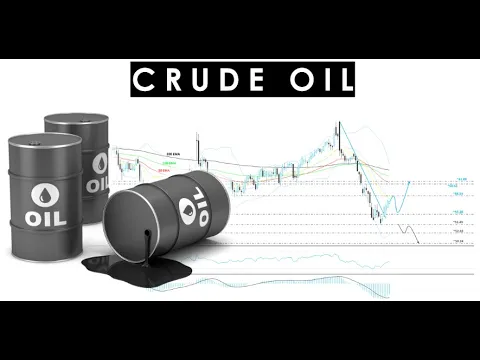

How to Invest in Oil?
At B3, it is possible to trade oil through shares of oil companies, futures contracts in commodities, and BDRs of international oil companies.
To invest in oil companies, it is essential to know the type of oil that the company is associated with.
The shares of Petrobras (PETR4 and PETR3) are correlated with Brent oil. That is, the price of this oil directly influences the company’s shares. 3R Petroleum (RRRP3) and PetroRio (PRIO3) are also assets correlated with Brent oil.
The oil futures market is also a way to invest in the commodity.
To invest in WTI oil, you must use the ticker WTI + the letter of the month + the two digits of the contract expiration year, following the month table below:
The BDR of Exxon Mobil (EXXO34), an American oil company, also has a strong correlation with WTI oil.
Although it recorded an annual loss of $22 billion in 2020, Exxon is the fourth-largest oil company in the world, according to Exame magazine.
Other BDRs of oil companies include Sinopec (C1HI34), PetroChina (PTCH34), Chevron (CHVX34), and Shell (RDSA3).
Is Investing in Oil Worth It?

Why Pay Attention to Oil?
Diversification in dollar-denominated products, the super cycle of commodities, and the Chinese five-year plan are other determining factors for oil assets to take advantage of the scenario.
During the 2020 U.S. presidential elections, Biden noted the need for greater regulation of WTI oil exports, aiming to curb the advances of global warming.
With Biden’s election, even though it may take several years for these measures to materialize, the threat of the impact of exports inevitably exerts pressure on the futures market.
Production in Saudi Arabia
At OPEC, the battle between Russia and Saudi Arabia has endured for several years.
The two largest oil producers in the world entered a price war within the Organization of the Petroleum Exporting Countries that saw Brent drop by 30% in March 2020, one of the largest declines since the Gulf War in 1991.
With the excessive increase in production from Saudi Arabia and the suspicion of offering Brent barrels at a 20% discount by the major Middle Eastern exporter, Russia claimed regulation from OPEC.
In response, the organization decided on production cuts that ended up resulting in a price increase for Brent oil.
This movement presents an asymmetry within supply and demand, as a lighter and cheaper oil has been moving upward since 2021 due to production control.
Furthermore, following the recession triggered by the new coronavirus crisis, many Brent and WTI oil companies reduced their CAPEX. In other words, the capital available for spending on capital goods and facilities is reduced.
Due to the reduction in all expenditures on new technologies and machines, the likelihood of discovering new oil reserves becomes increasingly lower.
Thus, the low budgets allocated for exploration make the possibility of supply small, while demand remains the same.
Why Do Brent and WTI Have Different Prices?
Since the 1980s, WTI and Brent have been traded at nearly the same price. There have been times when WTI was more expensive than Brent. However, currently, WTI is priced lower than Brent: the difference ranges between $10 and $20 per barrel.
Prices depend especially on the cost of production and transportation.
Brent oil is produced near the sea; therefore, transportation costs are significantly lower.
On the other hand, WTI oil is produced in continental areas, which implies infrastructure issues that hinder the flow of U.S. production to the market and consequently raise transportation costs.
Brent has a lower quality than WTI; however, it has become an oil standard and is priced higher due to more reliable exports.
Another important factor to consider is geopolitical issues: tensions in the Middle East weigh heavily on oil prices. It is known that when the supply of an asset decreases, prices rise.
West Texas Intermediate is less affected because it comes from continental areas in the United States.
The price of WTI is formed by crude oil inventories. As the quantity increases, WTI falls. If the amount of inventories decreases, WTI rises. In other words, when demand increases, prices rise.









Seja o primeiro a reagir!