Portuguese
  Spanish




Organization of the Petroleum Exporting Countries and its allies, Opec+, Meet and Expectation is to Maintain the Level of Cuts in Production in February
With expectations that Opec and allies may limit oil production next month, barrel prices spiked to multi-month highs this Monday (12/04). The hope that vaccines could contain the coronavirus and lead to a strong economic recovery this year were also influencing factors.
Read Also
- Petrobras Is Ordered to Pay 70 Million Dollars to IESA Oil and Gas
- AES Union Urgently Recruits on This Day (12/04) for Offshore Positions Requiring Elementary and High School Education as Helpers, Leaders, and More
- 41 Job Openings for Helpers, Production Gaugers, Mechanics, Drivers, and More at Girassol Agrícola in MT and GO
Brent crude rose US$ 0.76, or 1.47%, to US$ 52.56 per barrel at 8:11 AM (Brasília time). U.S. crude gained US$ 0.47, or 0.97%, to US$ 48.99 per barrel.
“The price movement today suggests the market is assuming that Opec+ will keep the level of cuts unchanged next month,” said ING’s commodities strategist, Warren Patterson.
-
Brazil’s ANP Opens 86 New Oil Blocks in the Equatorial Margin, Expanding the Amazon River Mouth Frontier

-
OPEC+ Boosts Oil Supply by 188,000 Barrels per Day in July 2026, Leading to Price Drop from $112 to $89 per Barrel in Under Two Months

-
TotalEnergies Signs 20-Year Deal to Purchase 2 Million Tons of LNG from Alaska, Boosting Project Viability
-
Turkey Deploys Çağrı Bey Drilling Ship to Explore New Oil Frontier Off Somalia’s Coast



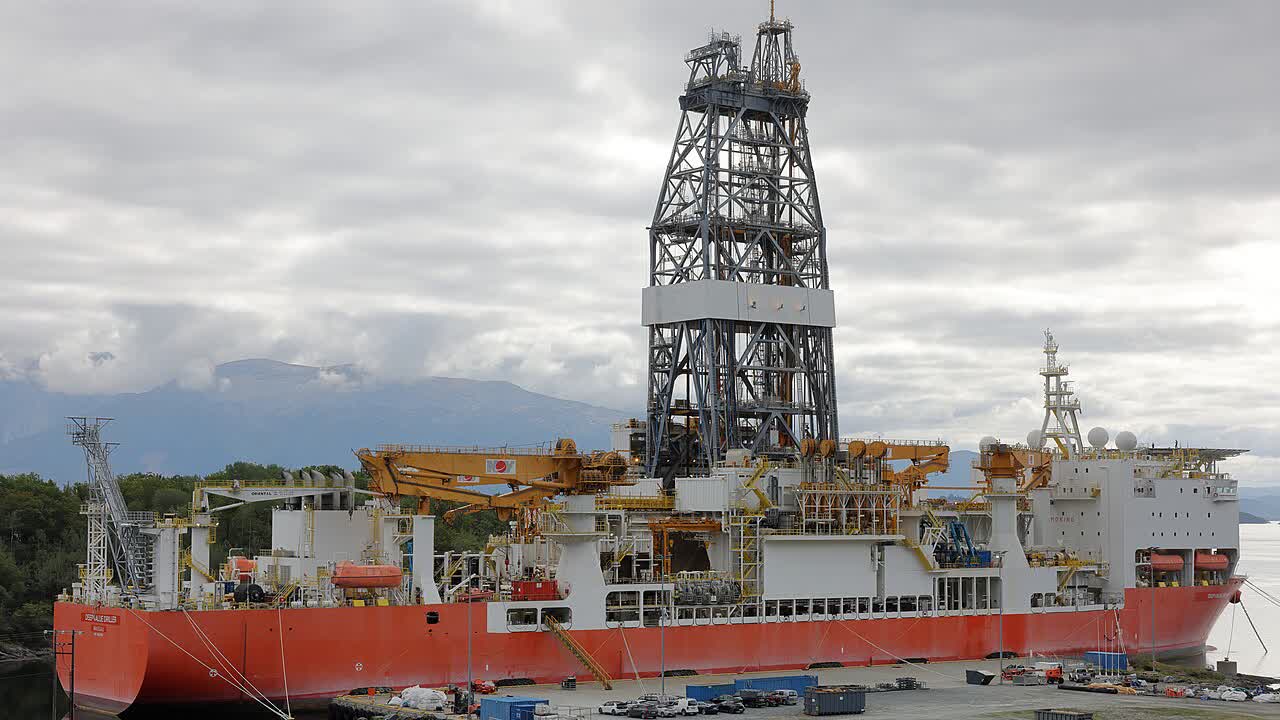
About the Opec+ Meeting of the Organization of the Petroleum Exporting Countries
Countries cut their production throughout 2020 in response to lower fuel demand. Now, Opec+ analysts foresee crude oil demand reaching 95.9 million barrels/day this year, representing an increase of 5.9 million barrels. The estimate for global economic growth for the year is 4.4%.
The majority of experts in Opec+ expressed opposition to an increase in oil supply starting in February during a meeting on Sunday, three sources told Reuters on Monday.
In December, Opec+ decided to increase production by 0.5 million barrels per day (bpd) starting in January, as part of a gradual increase of 2 million bpd this year, but some group members questioned the need for a new increase now due to the rapid spread of the coronavirus.
“The beginning of the new year is bringing drawbacks for the Opec+ group, as the risk balance for the recovery of oil demand has shifted,” said Harry Tchilinguirian, an analyst at BNP Paribas.
“The group of Opec+ producers may need to revise its agenda and postpone a new adjustment in voluntary supply cuts due to the latest news on Covid,” he added.