





 Portuguese
  English
  Spanish
  2 min of reading
  11 comments


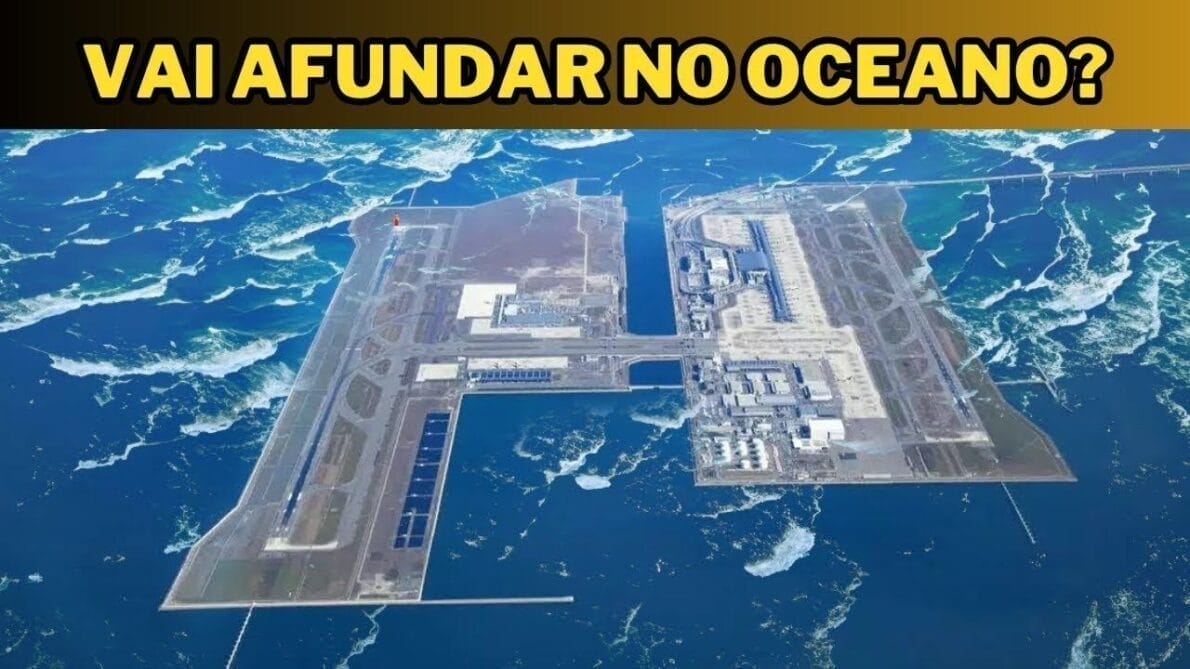

The Kansai Airport, Built on Two Artificial Islands That Are Sinking, Faces Enormous Challenges That Nobody Can Solve. Understand Why This Innovative Airport Is in This Situation.
The Kansai Airport, located in Osaka Bay, Japan, is one of the most impressive in the world. Built on two artificial islands, it was designed to address space and noise pollution issues. However, since its opening in 1994, the airport has faced a serious problem: it is sinking.
The construction of Kansai Airport was a remarkable engineering feat, costing around US$ 15 billion initially, with an additional US$ 6 billion spent on measures to curb sinking and protect the airport from sea waves. Nevertheless, since its completion, the airport has been sinking at an alarming rate.
The Decision to Build the Airport on Artificial Islands Arose in the 1960s
When the Osaka region was expanding and needed a new airport. The chosen site for the airport faced challenges such as earthquakes and typhoons, common in Japan. To deal with the soft sea bed, which contained 70% water, engineers dried the clay to create a solid base. 2.2 million vertical pipes filled with sand and a huge sea barrier made of rocks and tetrapods were used to protect the airport.
-
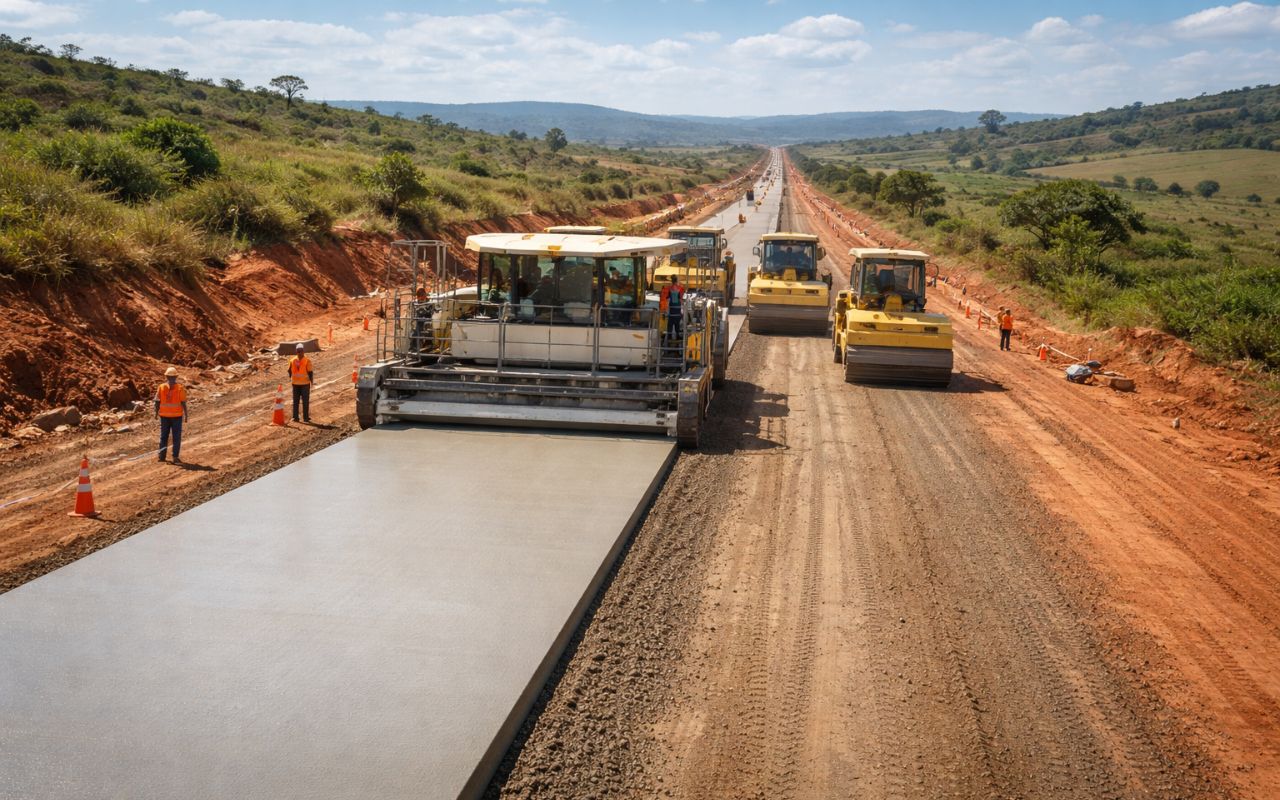
New CCR concrete paving technology promises roads up to 3x more durable, less maintenance, and cost reduction in Brazil.
-
Made from recycled plastic, plastic wood is gaining space in the construction industry because it does not rot, resists moisture, and reduces maintenance costs over the years.

-
Florianópolis will receive a million-dollar BRT that will begin construction in 2026 with nearly 400 million in funding from the federal government and the Inter-American Development Bank, and the map already shows the routes for the exclusive bus corridors.

-
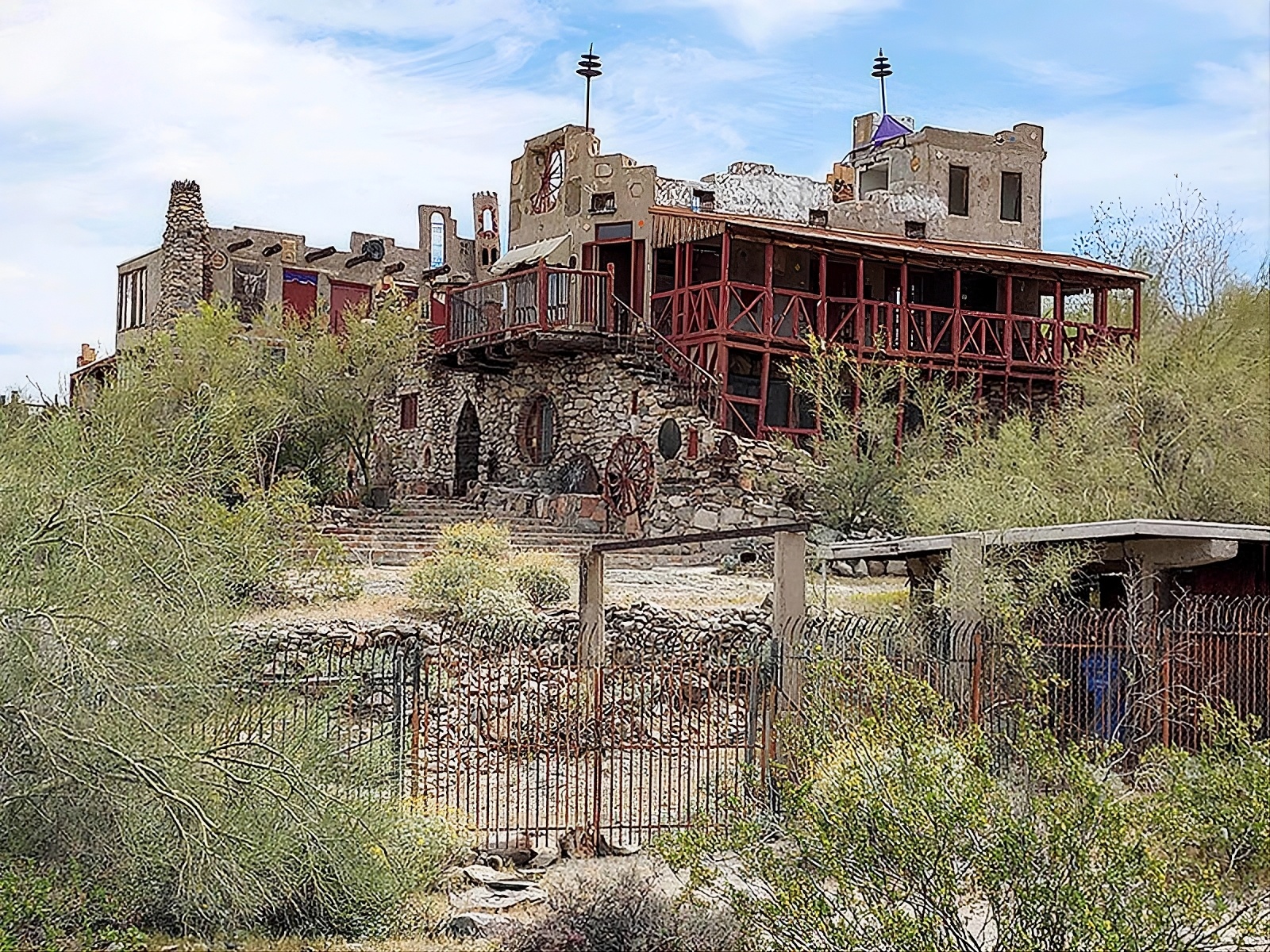
Without a blueprint, without an engineer, and using scrap from the dump, a father spends 15 years building an 18-room castle for his daughter, featuring tram tracks, 13 fireplaces, and over 700 m², which may now be demolished.
Despite these precautions, the airport began to sink faster than expected. Initially, it was anticipated to sink about 5.7 meters, but by 1999 it had already sunk 8.2 meters, and it continues to sink. Parts of the airport sink at different rates, causing uneven surfaces and threatening the integrity of the structures.
Despite the Sinking Issue, Kansai Airport Showed Resilience
In 1995, it withstood the Great Hanshin Earthquake and, in 1998, survived a typhoon with winds exceeding 60 meters per second. However, in 2018, Typhoon Jebi caused significant damage, flooding runways and forcing operations to be suspended. The airport partially resumed activities a few days later.
The solution to the sinking problem has not yet been found. Engineers have been adjusting columns and increasing the height of sea walls regularly, but this is only a temporary measure. It is expected that the soil beneath the airport will eventually compact completely, stabilizing the situation. Until then, Kansai Airport will continue to battle against time and the forces of nature.
Kansai Airport is an impressive example of engineering and innovation, but also a lesson about the unforeseen challenges that large infrastructure projects can face.







Fico muito triste pelo Japão, ter tantos problemas naturais , e pesso a Deus que cuide do povo japonês acalmando a fúria da mãe terra !
Não adianta pedir a Deus. Jesus disse que não rogava pelo mundo, então não devemos rogar também, pq o mundo jaz no maligno.
Natureza não, não a desafie
Chame os chineses.
Ou o nosso jeitinho brasileiro.
Pode escolher.
Os chineses são mais rápido.
Os brasileiros são mais baratos e criativos