Portuguese
  Spanish


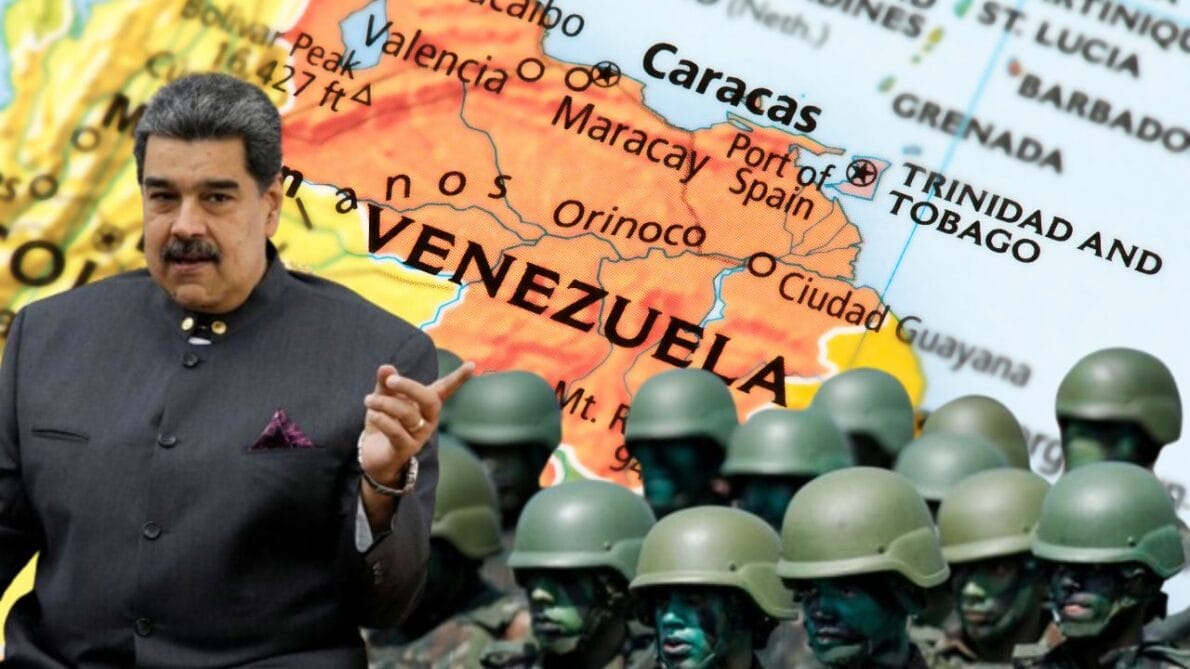

Brazil Is On High Alert. In One Of The Most Critical Moments Of South American Geopolitics, The Brazilian Government Made A Last Appeal To Nicolás Maduro, President Of Venezuela. With The Approach Of The Venezuelan Presidential Elections, Tension Between The Two Countries Has Significantly Increased.
On Wednesday (05), Elvis Amoroso, head of the National Electoral Council of Venezuela, announced that the presidential elections will take place on July 28, a date that marks the anniversary of former President Hugo Chávez. Nicolás Maduro, who has been in power for 11 years, will seek reelection. However, his main opponents have been barred from running, which generated criticism, including from Brazil.
Last year, in Barbados, the Venezuelan government and the opposition signed the “Barbados Agreement” to ensure fair elections and the presence of international observers. Brazil was one of the countries that helped mediate this agreement. However, Maduro excluded the European Union from the list of observers, accepting only entities like the UN and BRICS. This raised suspicions about the transparency of the electoral process.
Furthermore, The Territorial Crisis In Essequibo, Where Nicolás Maduro Advanced Over Disputed Areas, Increased Tensions


Brazil, which has felt “humiliated” by Maduro’s actions, has sent troops and armored vehicles to the border as part of Operation Roraima, to ensure sovereignty and security.
-
European Parliament Approves Digital Euro, Aiming to Challenge Visa and Mastercard’s Dominance and Transform Payments Across Europe by 2029

-
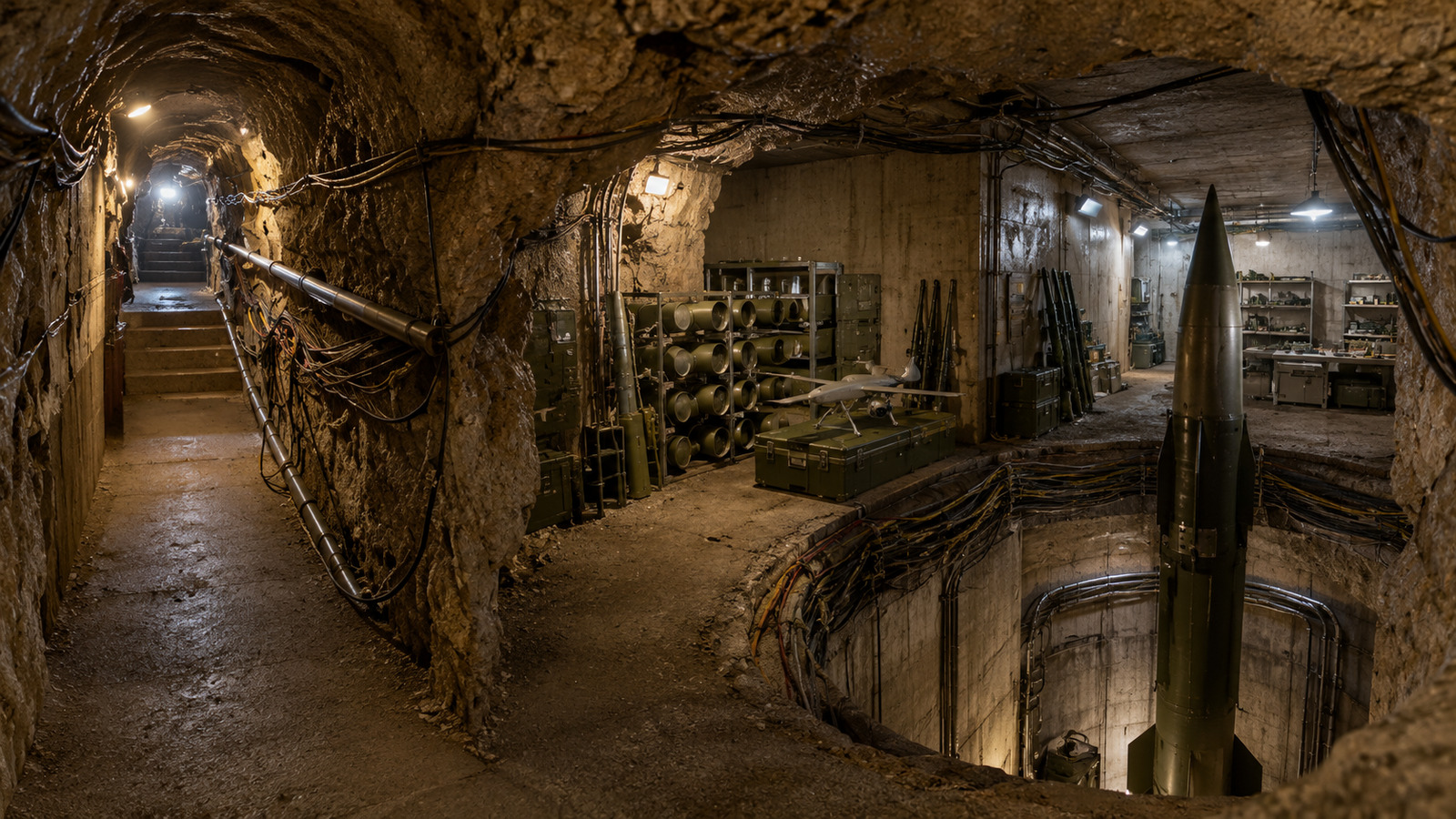
Israel finds Hezbollah militarized tunnel over 200 meters long under village, with 4 missile launch shafts, 12 chambers, anti-tank missiles, drones, and weapons depots at a depth of 25 meters.

-
Ukraine launches largest drone attack on Moscow since 2022, Russia claims to have intercepted nearly 200 aircraft near the capital, Kapotnya refinery targeted again, and offensive reignites alert about war reaching the Russian energy heart just a few kilometers from the Kremlin.

-
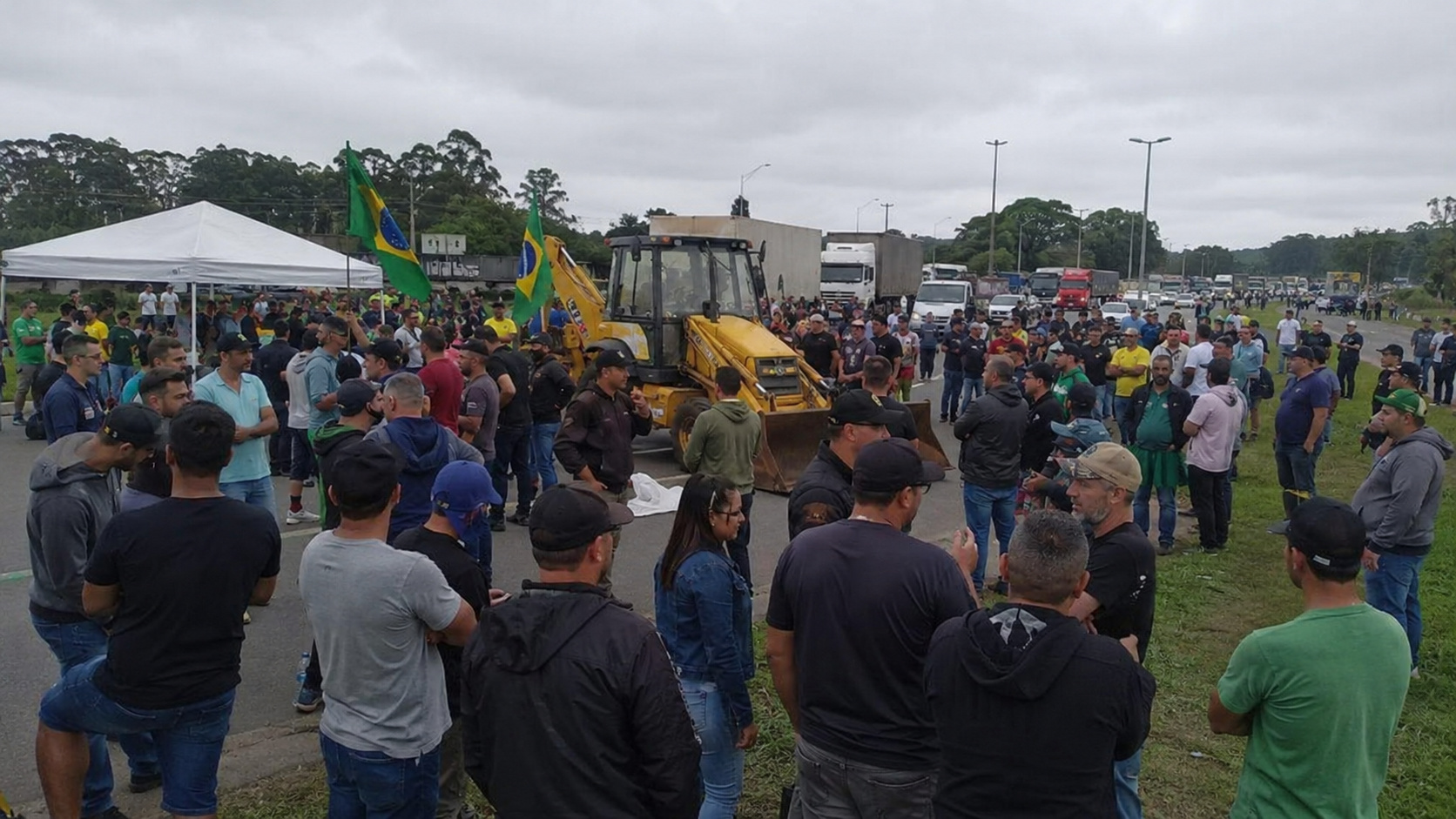
Truck drivers, freight, and fines from 2022 take center stage in politics: Chamber approves MP with amnesty, mandatory tracking by CIOT, million-dollar penalties, and new minimum wage for those who spend more than 24 hours on the road.


In an attempt to resolve the situation diplomatically, Brazilian President Luiz Inácio Lula da Silva called Maduro, reinforcing the importance of a transparent election with international observers. While being in favor of ending US economic sanctions against Venezuela, Lula criticized the restrictions imposed by Maduro on the opposition and his expansion over Essequibo.
The Brazilian Government Has Made It Clear That It Expects A Fair Election In Venezuela And Will Not Allow Venezuelan Incursions Into Its Territory
Maduro’s actions in Essequibo are seen as a threat to regional stability, and Brazil is prepared to protect its sovereignty. The alert has been given. Now it remains to be seen whether Nicolás Maduro will listen to Brazil or continue to ignore the appeals of his main South American ally.