






 Portuguese
  Spanish


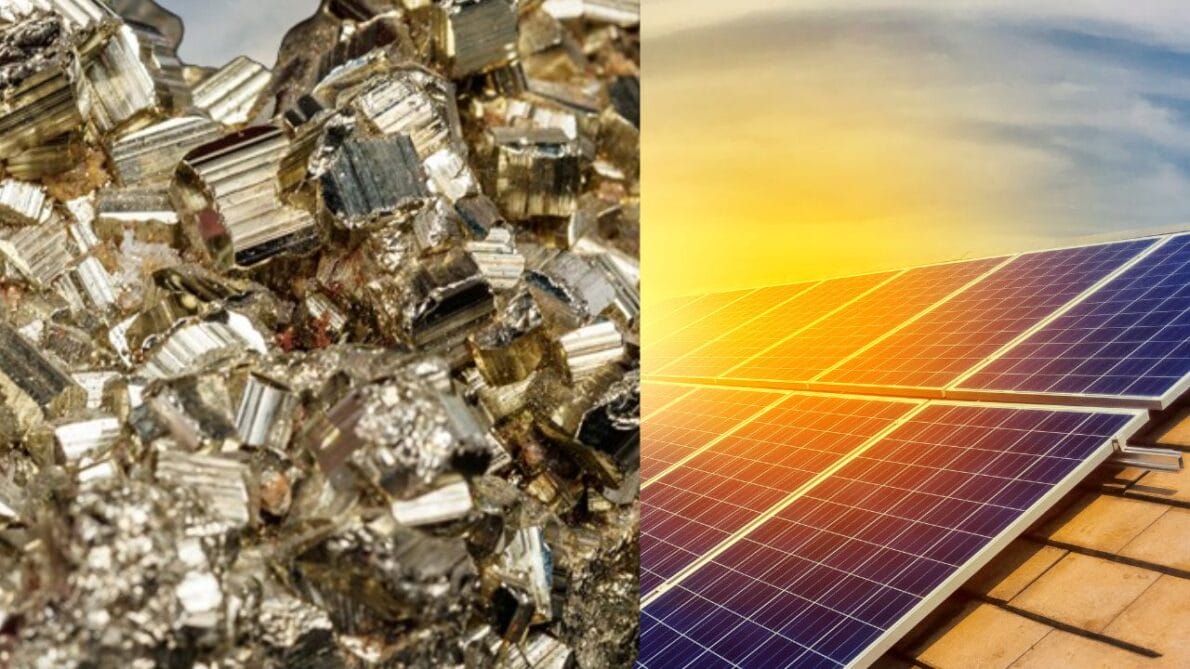

Solar Energy Is About to Undergo a Major Transformation. With the Development of Perovskite Photovoltaic Cells, the Solar Panels We Know Today May Become a Thing of the Past. But What Makes This New Technology So Special?
The perovskite photovoltaic cell is made of a mineral composed of calcium, titanium, and oxygen, which has a unique crystalline structure. This composition allows for a much higher efficiency in converting sunlight into electricity, compared to traditional silicon solar panels.
Since 2009, the efficiency of perovskite cells has jumped from 3.8% to an impressive 26.1%. In contrast, the silicon solar panels we currently use have an efficiency range of 15% to 22%. In addition to being more efficient, perovskite cells are lighter, flexible, and cheaper to produce. They can be manufactured at temperatures of up to 200ºC, while silicon panels require temperatures around 1000ºC, saving a lot of energy in the production process.
Another Major Advantage of Perovskite Is Its Ability to Generate Electricity Even with Diffused or Low-Intensity Sunlight


This is something that silicon solar panels struggle to do. This makes perovskite cells much more effective in different weather conditions. However, the new technology faces a significant challenge: durability.
-
Brazilian scientists are simultaneously advancing two research projects on clean hydrogen and driving solutions that could transform the energy matrix, enhance industrial competitiveness, and accelerate large-scale emission reduction targets.

-
Advancement in renewable energy: A R$ 150 million project launched by Petrobras and Finep aims to create state-of-the-art electrolyzers for green hydrogen, strengthening national research and preparing Brazil to compete in a billion-dollar energy market.
-
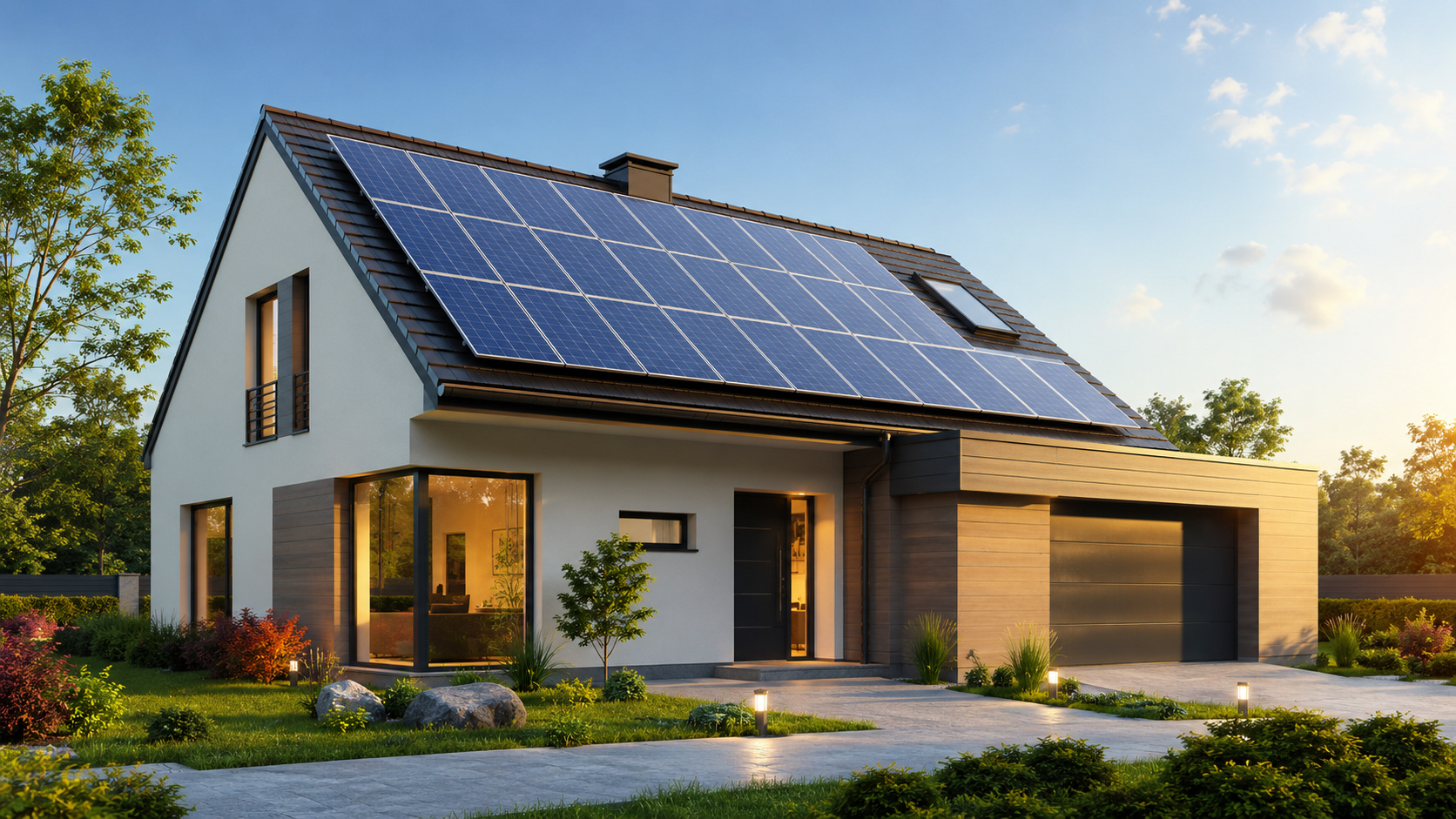
Solar energy can increase property value by up to 10% and become a selling point.
-
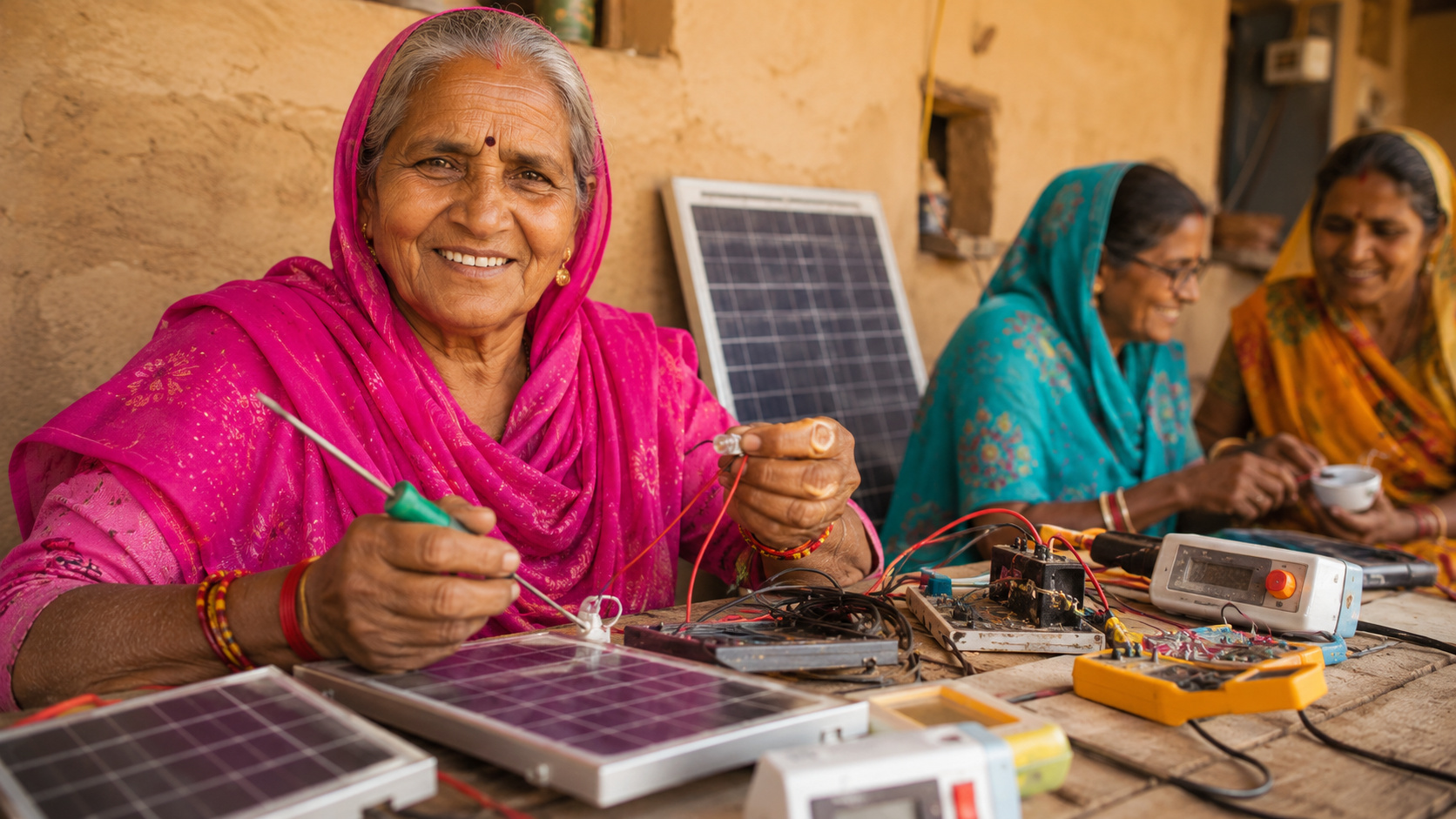
Illiterate or semi-literate grandmothers were trained to repair solar systems, open rural workshops, and light up homes that still depended on kerosene.


Perovskite cells degrade quickly when exposed to moisture and heat, which reduces their lifespan compared to silicon solar panels, which are more weather-resistant.
Researchers Are Working to Extend the Lifespan of Perovskite Cells, Aiming for 20 to 30 Years of Use, Similar to Silicon Panels
In Brazil, the Onnin Institute, located in Belo Horizonte, is leading research to develop a commercial solar panel using perovskite cells. This represents a significant advancement for the country, which could become a leader in this new technology.
If perovskite cells achieve the desired durability, we will witness a revolution in solar energy, making silicon solar panels a museum piece. The future of solar energy looks bright and more efficient with this innovation.







Mas pelo que sei…O Rússia o maior produtor ou a maior jazida deste mineral …enquanto não for localizado outra jazida podemos ficar na mão de apenas um produtor
Estao fazendo sintetica inspirada na natural da russia.