





 Portuguese
  English
  Spanish
  5 min of reading
  0 comments


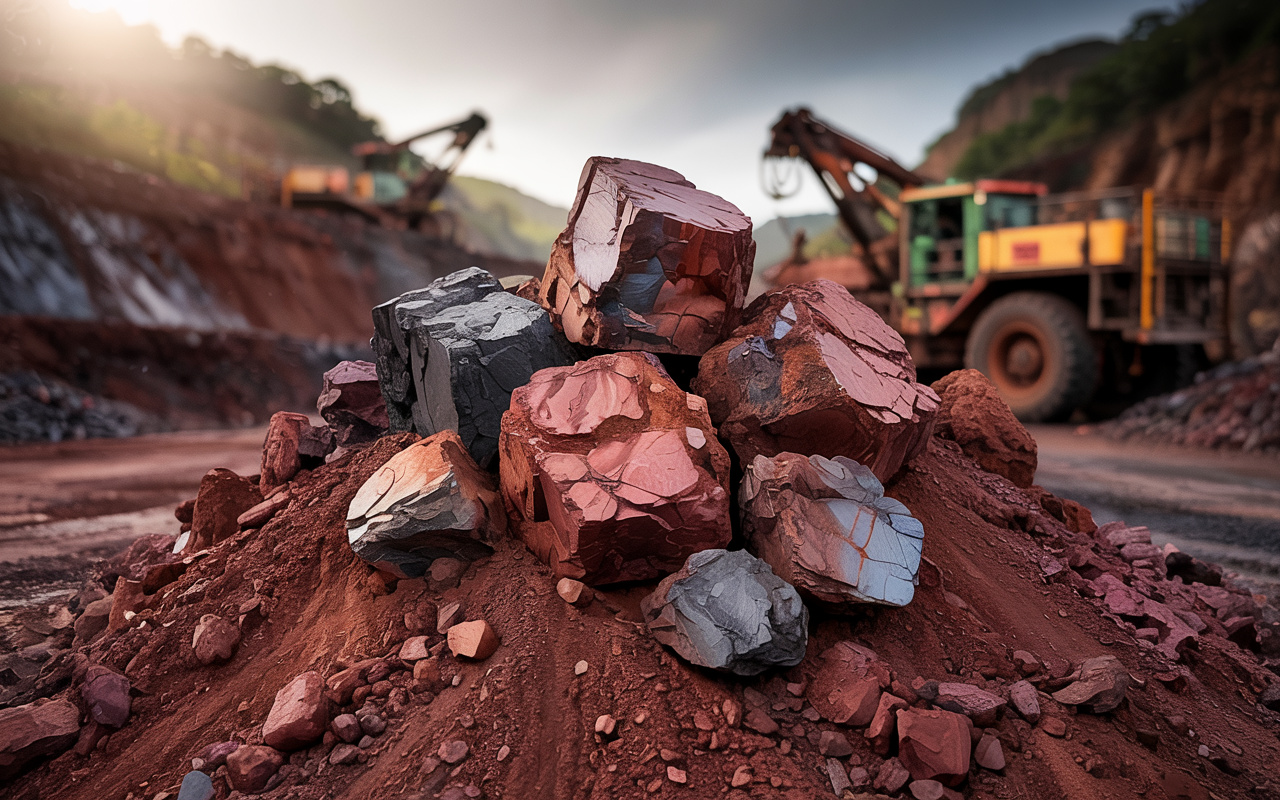
Discover Why China Pays More for Brazilian Iron Ore, Even with Record Prices. The Purity of the National Product Is a Global Asset.
Few people know, but Brazil hides beneath its feet one of the most coveted resources on the planet. This is a special type of iron ore, with a purity level that few nations can produce — and which has become a key piece in the machinery of the Chinese industry. Even with international prices rising, China does not give up importing this Brazilian resource, paying more for a raw material that delivers more performance, sustainability, and efficiency. But after all, what makes Brazilian ore so special? And why is it considered “premium”?
What Does It Mean to Have “Premium” Iron Ore?
Iron ore is one of the main inputs for steel production, used in sectors such as construction, automobiles, infrastructure, and naval. But not all ores are the same. The factor that defines its quality is the iron content (Fe): the higher the concentration, the fewer impurities and less energy are needed to turn it into steel.
While common ores have between 56% and 62% Fe, the ore from Vale, especially that extracted from the Carajás region (PA), reaches up to 66.5% purity. This places it in the category of the so-called “premium” ores, which are more valued in the international market because they require less processing, generate less waste, and provide a higher yield per ton.
-
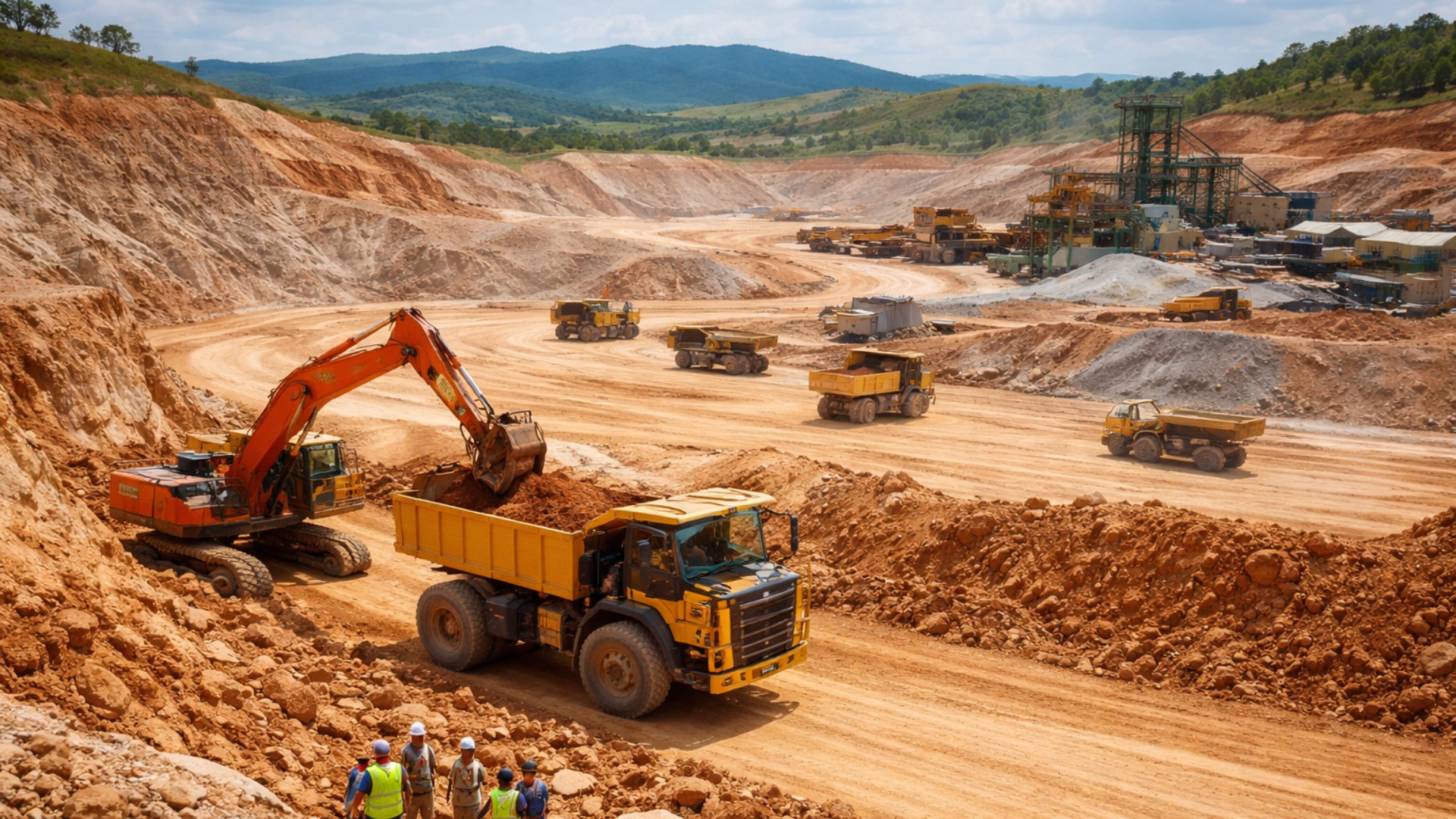
After China, it’s now the turn of the USA to ‘secure’ a share of Brazil’s natural resources: the country buys critical rare earths for R$ 3 billion and enters the center of the global technology dispute.
-
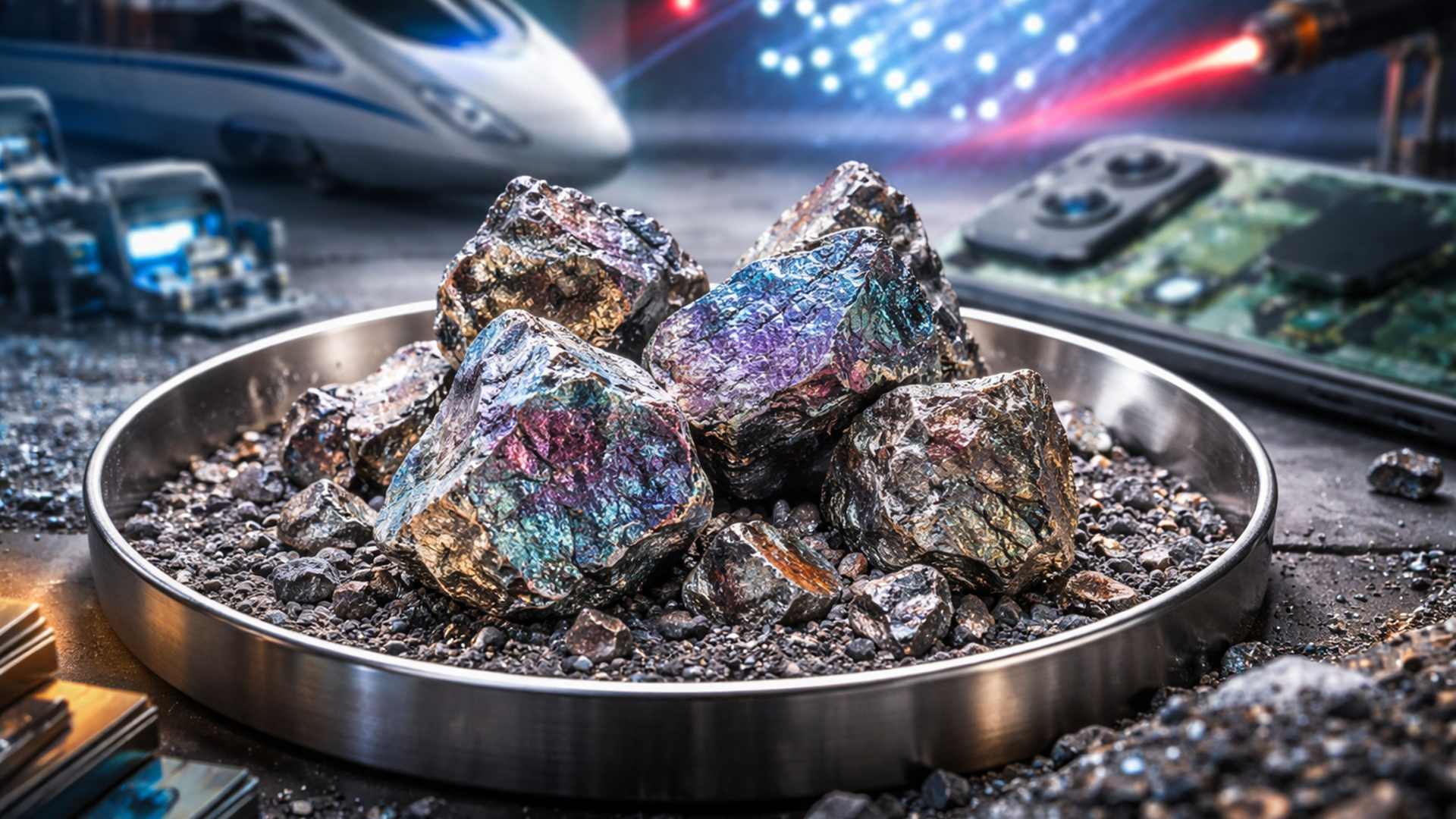
Rare earths are in everything, from cell phones to bullet trains, and what almost no one realizes is why they have become the target of such a delicate global war.
-
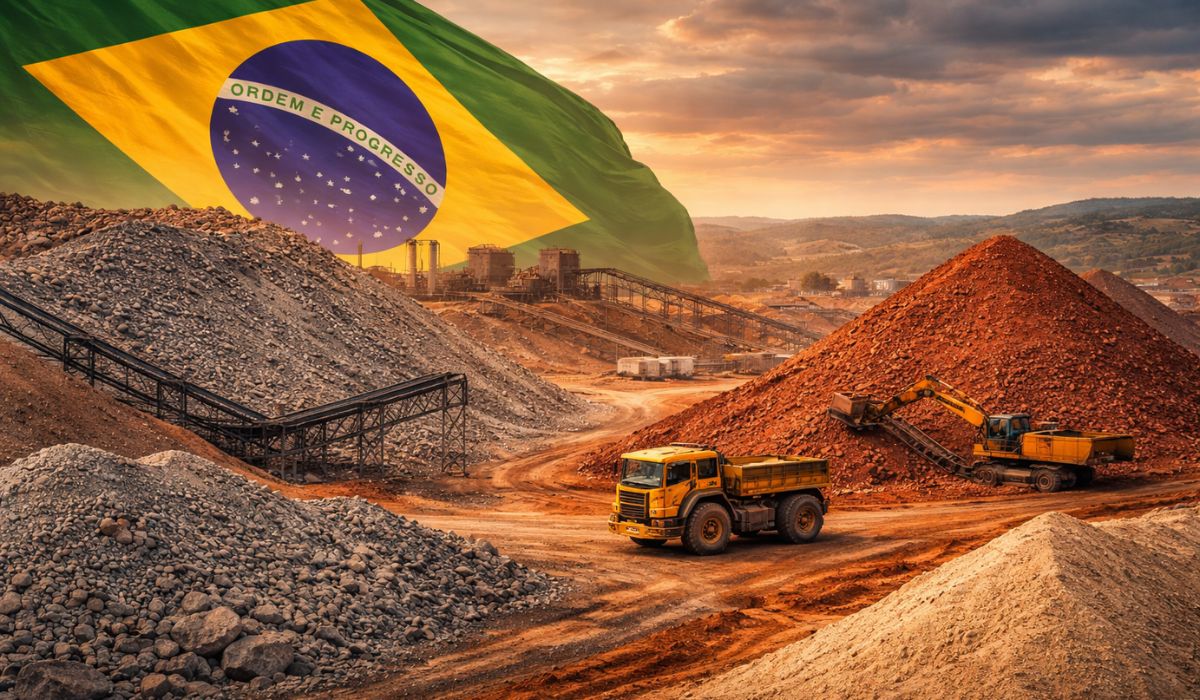
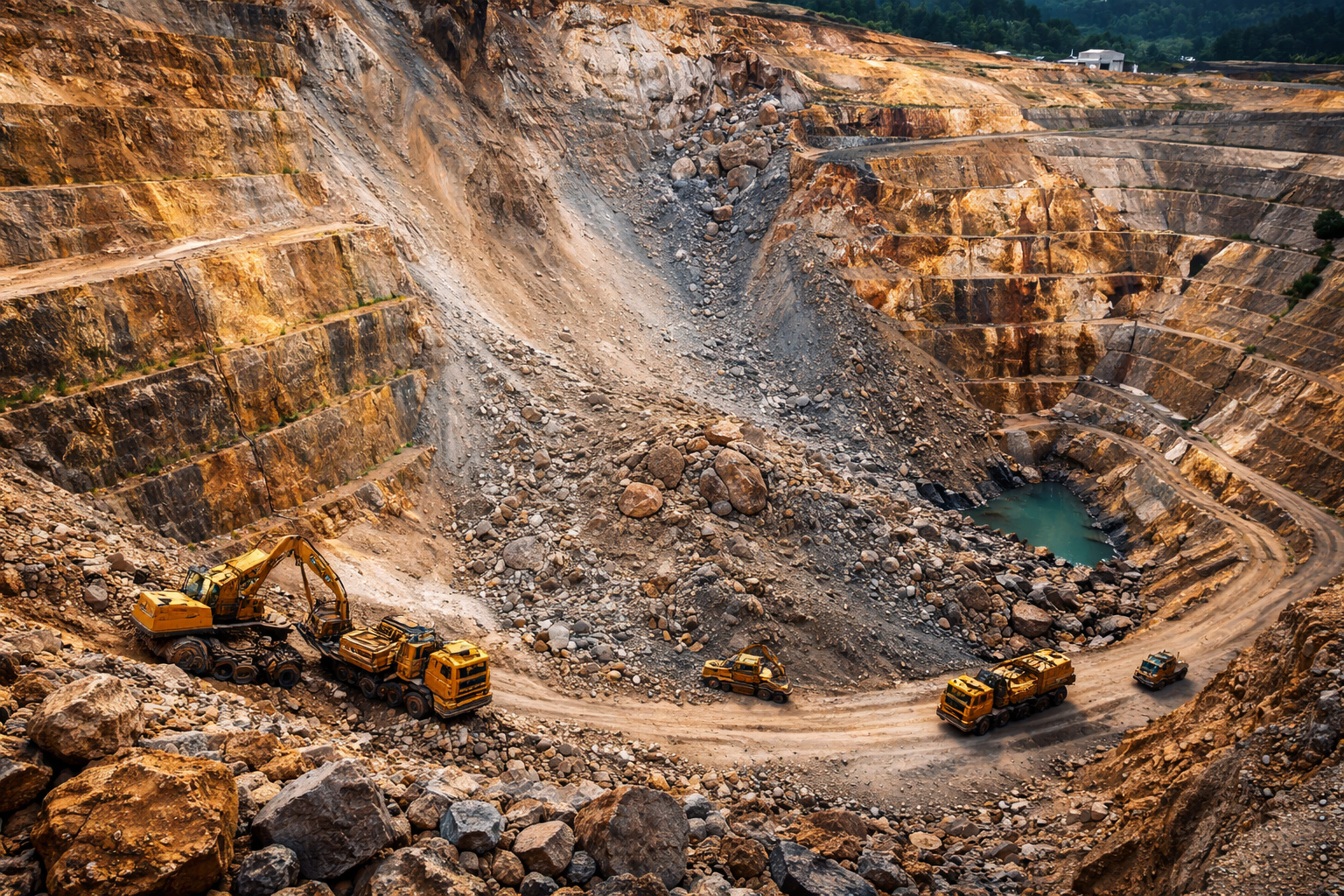
Brazil extracts 26.3 million tons of ore from what was previously treated as waste, transforming residues into wealth, producing over 3 million tons of sand, and demonstrating how national mining is relearning to generate value.
-
A $3.5 billion megaproject in Latin America pumps desalinated seawater at 1,050 liters per second over 194 km to keep a copper supermine in the Andes operational for another 20 years.
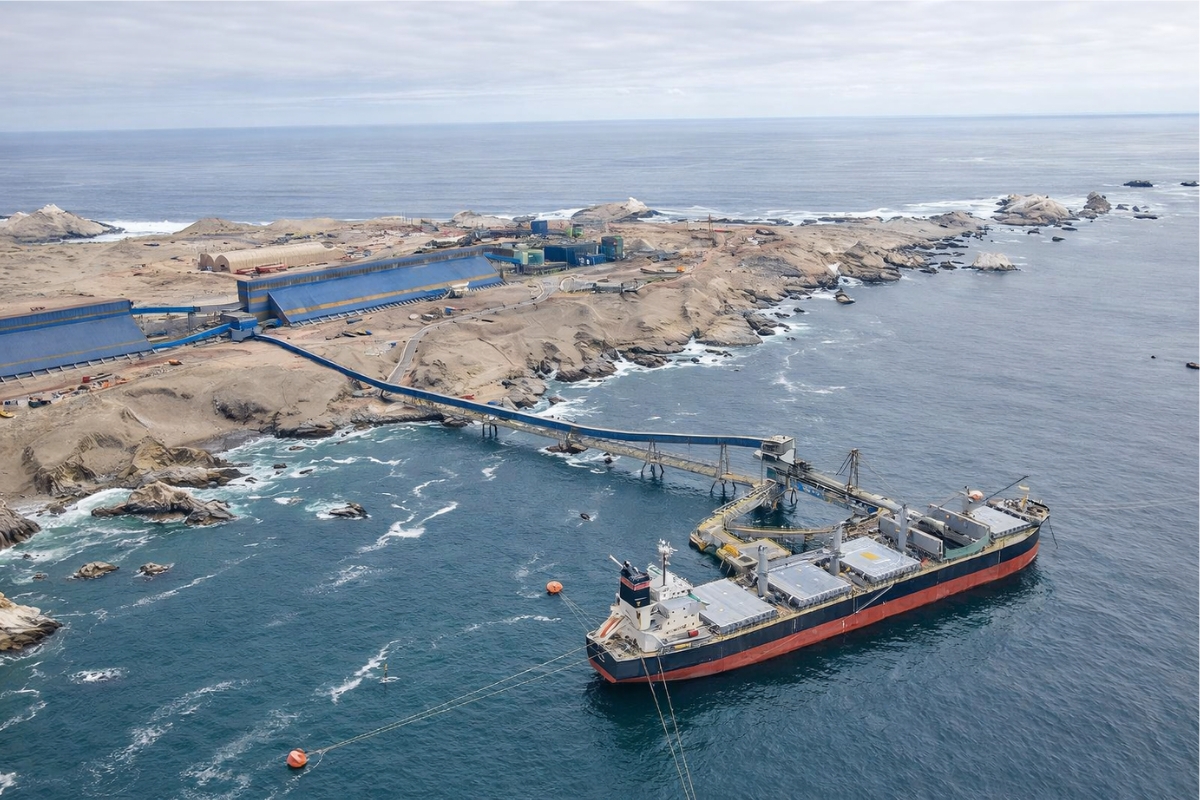

According to Vale itself, products like BRBF (Brazilian Blend Fines) and IOCJ (Iron Ore Carajás) are the most sought after in the portfolio due to their superior properties and stability in composition.
China’s Interest in Brazilian Ore
China is, by far, the largest steel producer in the world — and also the largest importer of iron ore. In 2023, the Asian country consumed over 1 billion tons of ore, with about 20% of this volume coming from Brazil, according to data from IBRAM (Brazilian Institute of Mining).
Even with the price increases, which reached over US$ 130 per ton at some points, the Chinese continued purchasing ore from Vale and other Brazilian mining companies. The reason? A simple equation: more purity = more productivity + less pollution.
Energy and Environmental Efficiency in Steel Production
One of China’s major challenges has been to reduce its CO₂ emissions, especially in the steel sector, which accounts for approximately 15% of the country’s industrial emissions. By using ore with a high iron concentration, like the Brazilian one, blast furnaces operate more efficiently, burn less coal, and produce less slag and CO₂ per ton of steel generated.
In practice, this means that China spends less energy and emits fewer pollutants when using Brazilian ore instead of lower-grade ores found in India, Africa, or China itself.
In an interview with Valor Econômico, Vale executives explained that the company has focused on meeting the demand for high-value ores that align with the decarbonization goals of the Asian market. This reinforces Brazil’s position not only as a volume supplier but also as a strategic quality provider.
Brazilian Geology and the Mine That Changed the Game
Brazil’s differentiation begins with its own geology. The Carajás region in Pará houses what is considered the largest and purest iron ore deposit in the world. This is the so-called S11D, a project inaugurated in 2016 with an investment of over US$ 14 billion.
In addition to the exceptional quality of the ore, the project incorporated sustainable extraction technologies, such as conveyor belts instead of trucks, and dry processing, which dispenses the need for tailings dams. This has further enhanced the product’s environmental appeal.
Minas like Itabira (MG) and Brucutu also produce high-grade ores, but Carajás leads in purity, scale, and logistics.
Infrastructure and Logistics in Brazil’s Favor
Another point that favors China’s preference is Brazil’s logistical infrastructure. Vale operates an integrated system of railways and ports that allows for the swift transportation of ore from the mine to the Atlantic Ocean, through corridors like the Carajás Railway (EFC) and the port of Ponta da Madeira, in São Luís (MA) — one of the most efficient in the world for exporting bulk solids.
Additionally, the mining company created the concept of “Brazilian Blend”, a mix of different national ores to standardize quality and facilitate delivery to Chinese ports.
Higher Price, But Guaranteed Cost-Benefit
Even with iron ore prices on the rise, Brazilian premium product remains a good deal for China. The reason is that the cost-benefit remains: for every ton of steel produced with higher purity ore, there are savings in coal, energy, and transport, in addition to reductions in environmental fines and emission targets.
This is why, in long-term contracts, Chinese steel mills not only agree to pay more for Brazilian ore, but often give absolute preference to its use, especially in higher value-added products.
The Risk of Dependence and Strategic Movements
Of course, this relationship also raises alarms. China has been trying to diversify its suppliers to reduce dependence on Australia and Brazil — its two main partners. There are investments in countries like Guinea, South Africa, and Canada, in addition to internal projects for reprocessing tailings.
On the other hand, Brazil continues to be a strategic partner, both for its legal and environmental stability and for its logistical efficiency and quality of the ore. The “made in Brazil” label carries weight in the international steel market.
In a world that increasingly seeks productivity and sustainability, Brazilian premium iron ore functions as a “solid oil” — a commodity with high strategic and technological value. For China, it is more than just raw material: it is a competitive advantage.
Brazil’s ability to maintain this quality and supply will be crucial for its economic relevance in the coming decades, especially in light of the energy transition and the new environmental demands of the global industry.




Seja o primeiro a reagir!