





 Portuguese
  English
  Spanish
  4 min of reading
  0 comments


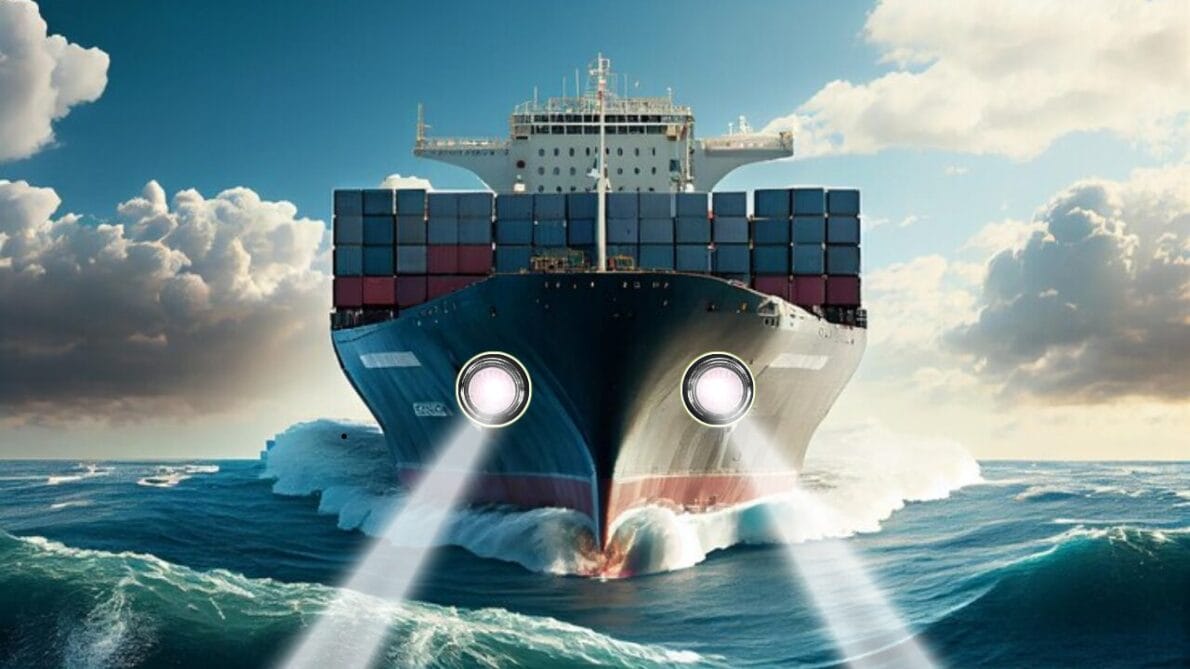
Understand Why Ships Don’t Use Lights Like Cars and How Night Vision and Radar Ensure Safety at Sea.
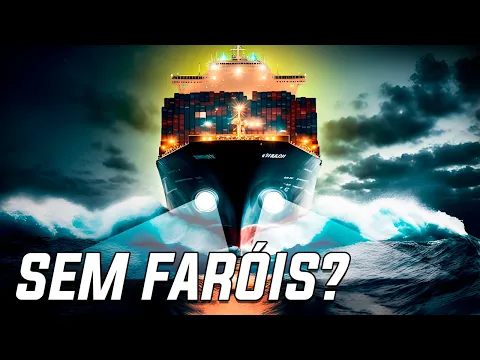
Lighthouses are essential for our safety when driving cars and bicycles at night, illuminating the path and avoiding hazards. This need for lighting also applies to miners, who use headlamps to work in dark conditions. But what about ships? Why don’t they have lights like cars? The story of the Titanic and the evolution of navigation technology may provide answers to this question.
The Tragedy of the Titanic and the Issue of Lights
In April 1912, the RMS Titanic collided with an iceberg on a dark and calm night, resulting in one of the most famous shipwrecks in history.
The lookouts on the Titanic spotted the iceberg as an absence of stars in the sky, with no time to divert.
-
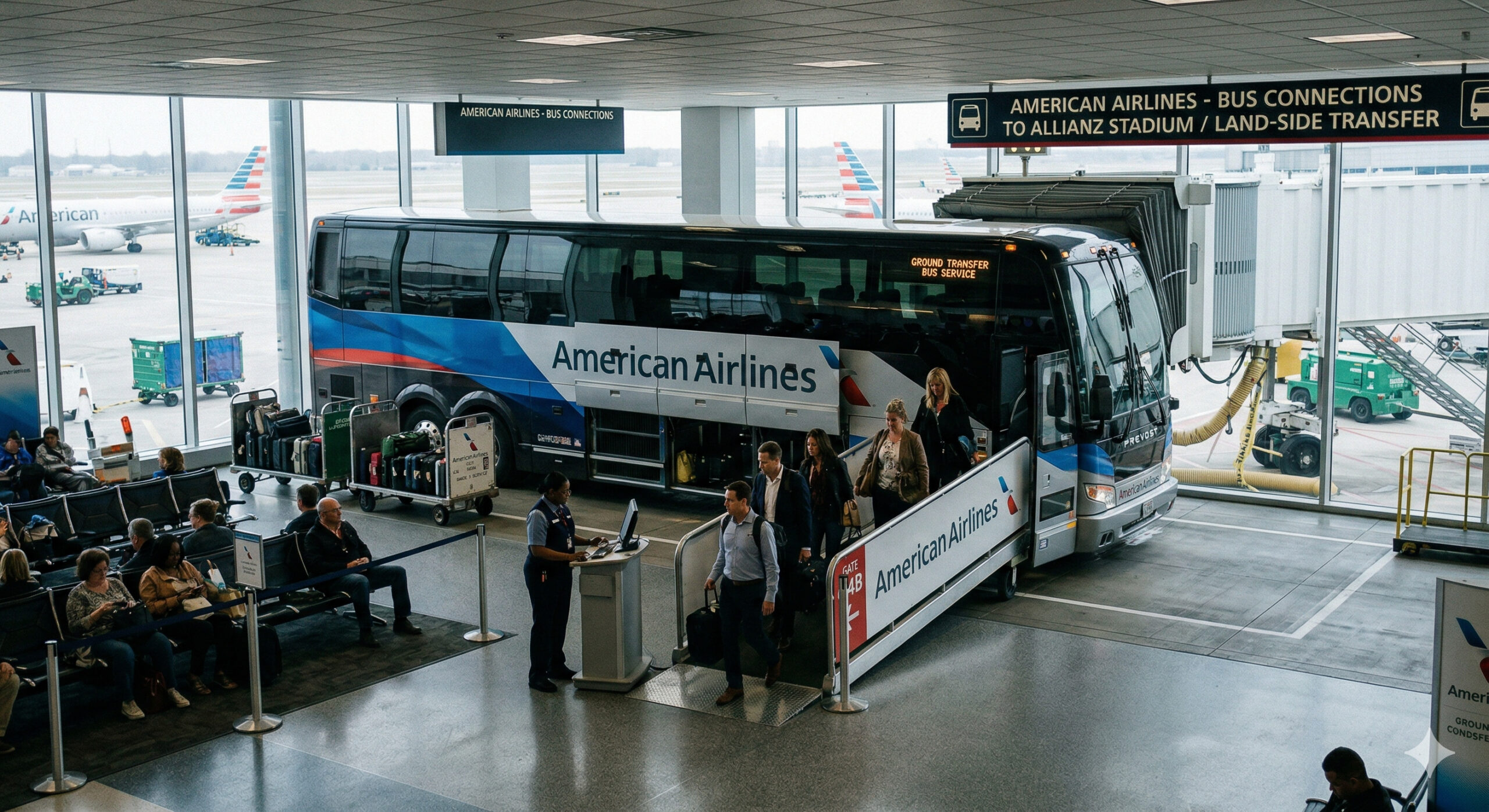
American Airlines starts selling trips as if they were flights, with check-in and baggage check at the airport, but on short routes, passengers board luxury buses connecting cities to major hubs in the U.S.
-
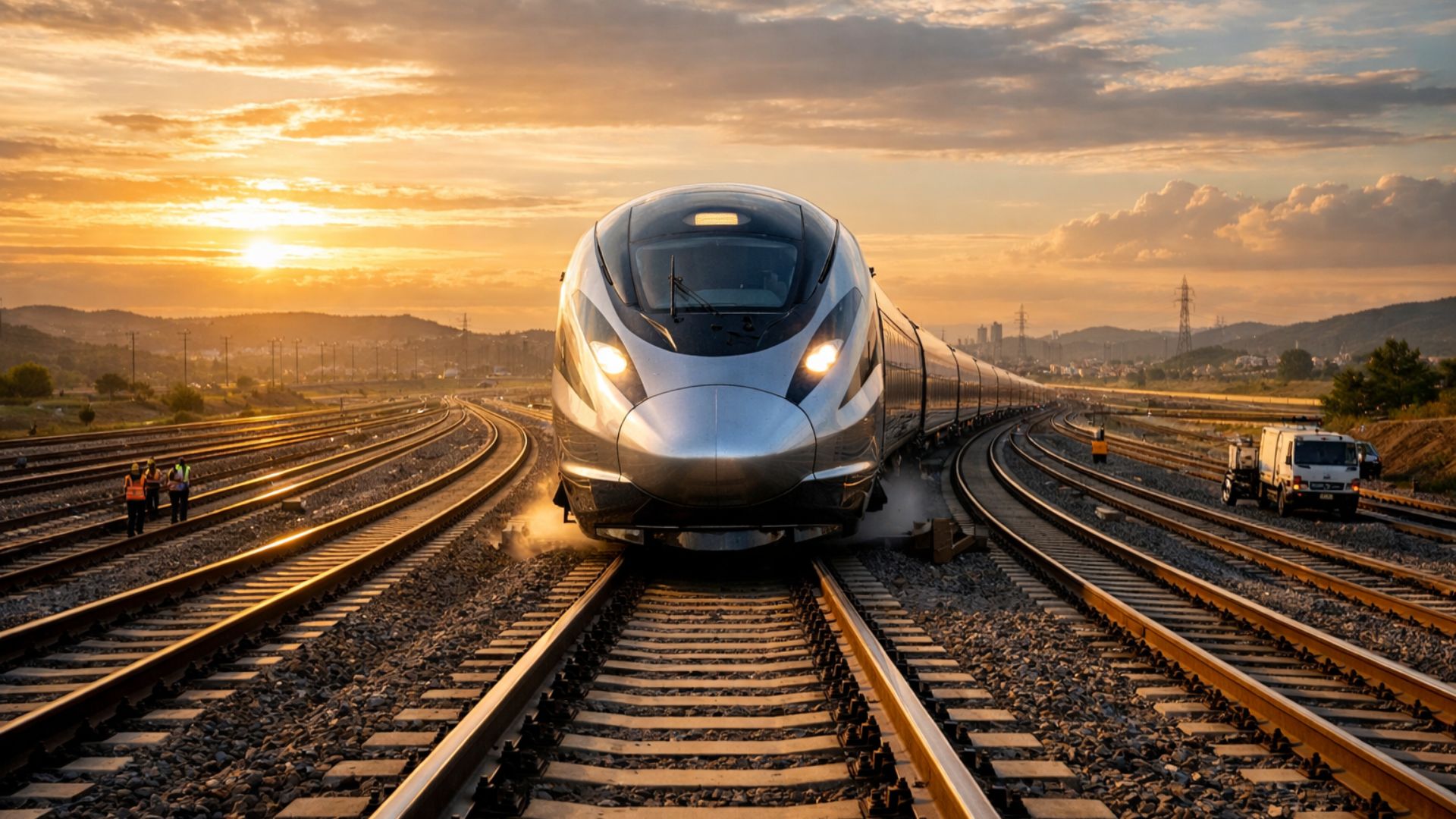
São Paulo surprises the world with a colossal railway network project that promises over 1,000 km of tracks, R$ 194 billion in investments, and 40 projects connecting the capital to the interior with fast and sustainable trains.
-
The world’s largest escalator, measuring 905 meters in China, reduces urban travel time from 1 hour to about 20 minutes and transforms mobility in mountainous regions with an engineering solution adapted to the terrain.

-
A R$ 300 million logistics giant is taking shape in Serra with over 100,000 m² and raises a question: how can this transform e-commerce and distribution in the state?


During the subsequent investigation, some officials suggested that a spotlight could have helped avoid the tragedy. But the reality is more complex.
Night Vision: An Essential Requirement for Ships
Sailors have relied on their vision to operate safely at sea for centuries. In the days of sailing navigation, lookouts were valued for their ability to spot dangers and identify ships on the horizon.
Night vision is crucial for detecting buoys, markers, and navigation lights from other ships, which indicate the direction they are moving.
A powerful spotlight could impair this vision, dazzling the darkness and making it difficult to see other important signals.
In the time of the Titanic, and even today, sharp vision is highly valued.
Bright lighting in front of the ship could dazzle the night vision of the lookouts, making it hard to distinguish obstacles and other navigation lights. Even on the Titanic, the deck lights were shielded to avoid interfering with night vision.
The use of red lights in navigation areas helps preserve this crucial vision.
The Importance of Radar in Modern Navigation
Nowadays, modern ships use radar, a technology that surpasses human vision in detecting objects in the dark.
Radar emits electromagnetic waves that reflect off objects ahead, allowing the crew to accurately map what is in front of them, regardless of lighting conditions.
With radar, a ship can detect obstacles miles away, far beyond human visual range.
While most ships do not use powerful headlights at the bow, there are specific situations where spotlights are useful.
Icebreakers, for example, are equipped with powerful spotlights to help the crew see ice and other obstacles while navigating in difficult conditions.
In wartime, spotlights are used to signal friendly ships and illuminate enemy targets, but they can also reveal the ship’s position, making it vulnerable.
Maritime Navigation Lights
Navigation lights are essential devices for safety at sea, in the air, and even on roads.
They primarily serve to signal the position, direction, and operational status of a vehicle, whether it is a ship, an aircraft, or a car.
Proper use of these lights helps avoid collisions and ensures safe navigation, especially in low visibility conditions or at night.
In the maritime context, navigation lights are regulated by international conventions, such as the International Regulations for Preventing Collisions at Sea (COLREGs).
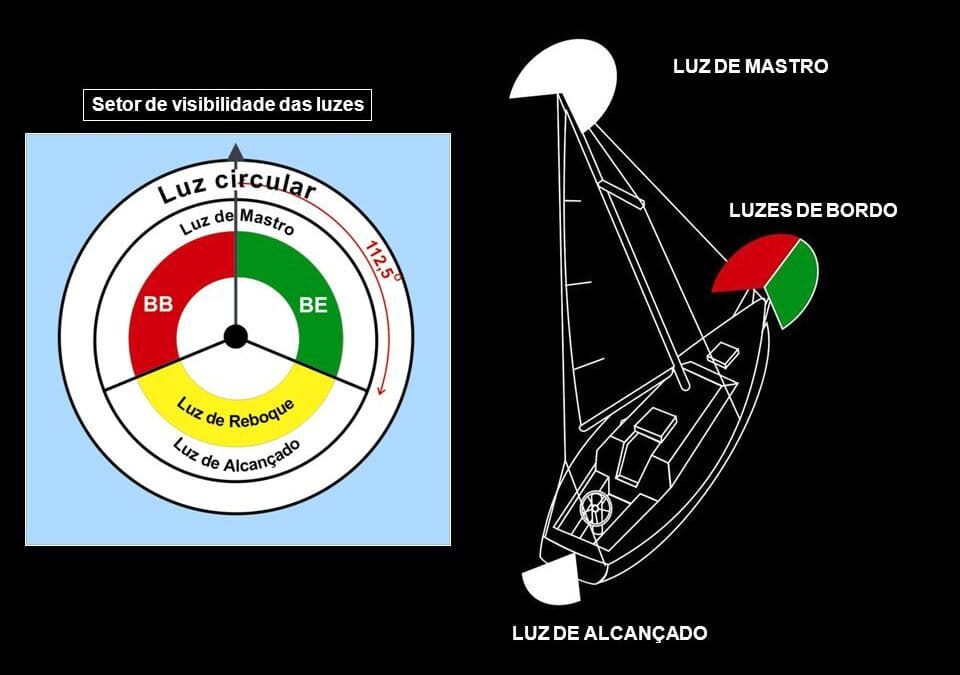
The main navigation lights for vessels include:
- Mast Lights: Placed at the top of the masts, these lights are white and indicate the ship’s bow.
- Side Lights: Comprising a green light on the starboard side (right) and a red light on the port side (left), these lights indicate the direction in which the vessel is sailing.
- Stern Lights: A white light located at the back of the ship, visible only from the stern.
- Towing Lights: Used on towing vessels or those pushing another vessel, these lights are yellow.
Lights on Ships in Historical Context
In the history of ocean liners, some ships were equipped with lights to reassure passengers.
The German ocean liner Imperator, for example, had a carbon arc reflector at the bow, likely more for passenger comfort than practical use.
In narrow channels like Suez, ships use specific lights to ensure safe navigation, an example of when lighting is crucial to avoid grounding.
The absence of lights on ships is due to the need to preserve the crew’s night vision and the effectiveness of modern radar.
The story of the Titanic highlights the importance of a clear and unobstructed view ahead of the ship.
While spotlights have specific uses, safe navigation at sea relies more on the skill of the lookouts and modern technologies like radar.
In summary, ships do not need lights like cars because human vision and advanced technologies are sufficient to ensure safe navigation.









Seja o primeiro a reagir!