





 English
  Francês
  Alemão
  Italiano
  Japonês
  Norueguês
  Portuguese
  Spanish
  4 min of reading


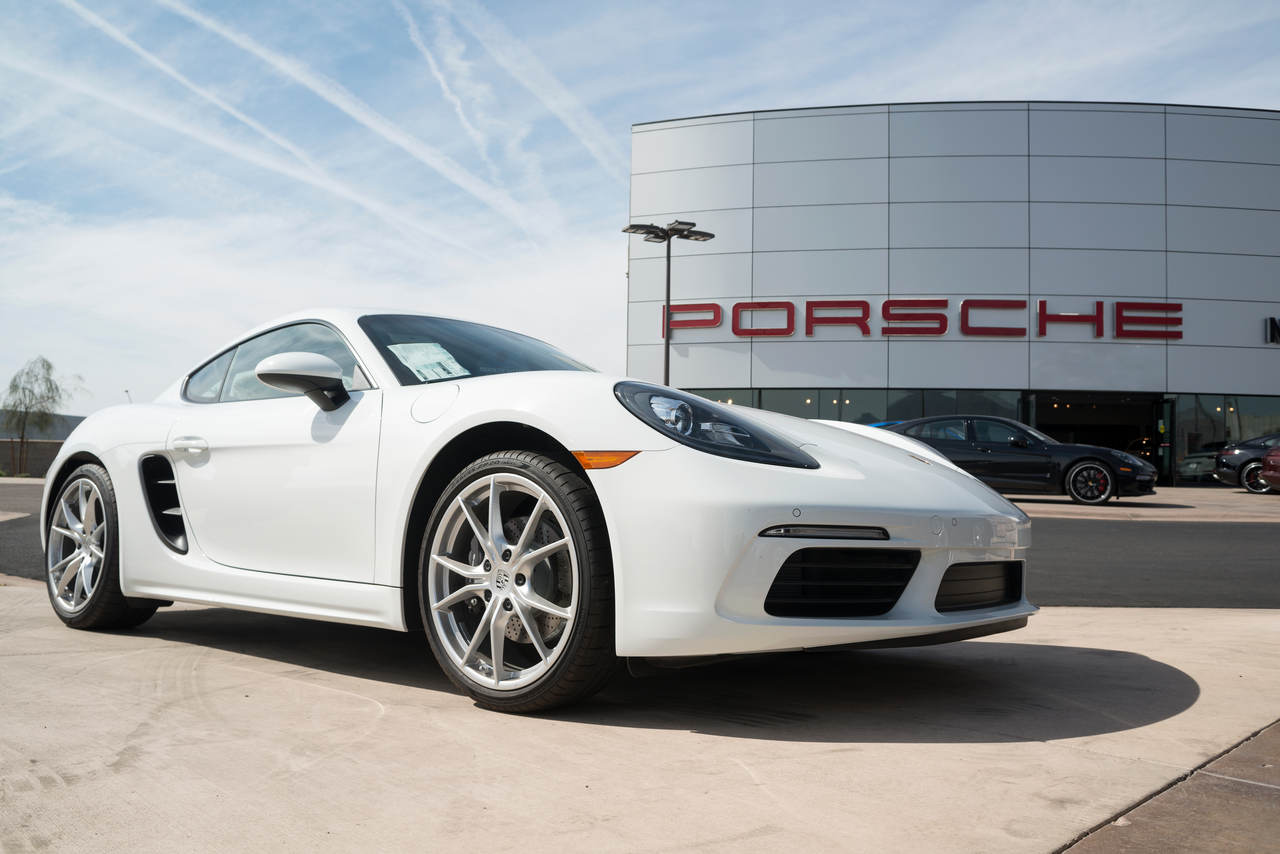
World’s First Synthetic Gasoline That Does Not Use Oil Could Help Porsche Keep Its Internal Combustion Engine Models in the Auto Market Longer
Porsche highlights that its synthetic gasoline without the use of oil will allow older models of its high-performance lineup with internal combustion engines to stay on the road longer. While the transition to electric vehicles may be the main priority for the automotive industry, Porsche sees things a little differently, despite investing billions of euros in electromobility.
Read Other Related News
- Porsche Will Develop and Produce Batteries for Electric Cars Capable of Fully Charging in Less Than 15 Minutes
- Porsche Taycan Travels 4,561 km in Less Than 3 Hours of Charging, Breaks World Record, and Proves That Long Trips with Electric Cars Are Possible
- Toyota’s Electric Car Will Give Competitors a Headache and Promises to Undermine Porsche and British Lotus Sports Cars
- Porsche Begins Construction of the World’s First Synthetic Gasoline Plant to Ensure Future for Internal Combustion Cars
- Siemens Energy and Sports Car Manufacturer Porsche Joined Forces with Other Multinationals to Build an Industrial Plant for CO2-Neutral Fuel Production in Chile
Porsche Aims to Extend the Life of Its Internal Combustion Luxury Cars with the Help of Synthetic Gasoline That Does Not Require Oil


With the existing lineup of luxury and high-performance models built to last, the German automaker is seeking more eco-friendly ways to ensure they can remain on the roads amidst pressure to reduce fossil fuel pollution with the arrival of its oil-free gasoline.
Among the electrofuels or eFuels, as Porsche calls them – synthetic gasoline made from methanol that will be produced using green hydrogen, generated from renewable energy. The fuel will burn in the same way as gasoline made from crude oil, but without the enormous greenhouse gas emissions. It can be sold at the existing network of gas stations worldwide, and Porsche owners will not need to modify their engines.
-
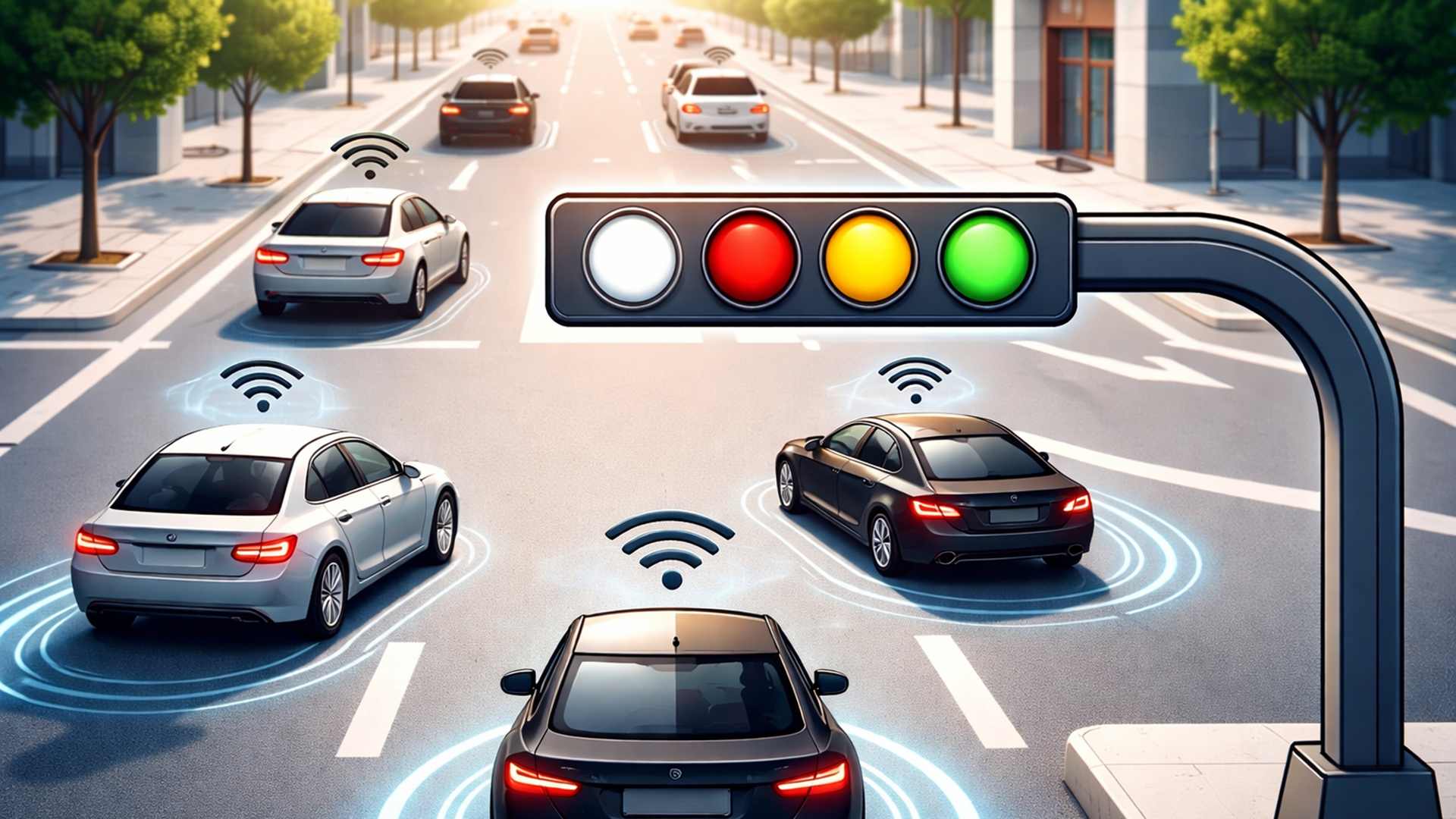
Engineers propose a fourth traffic light for intersections – the change promises to affect crossings, queues, and waiting times.
-
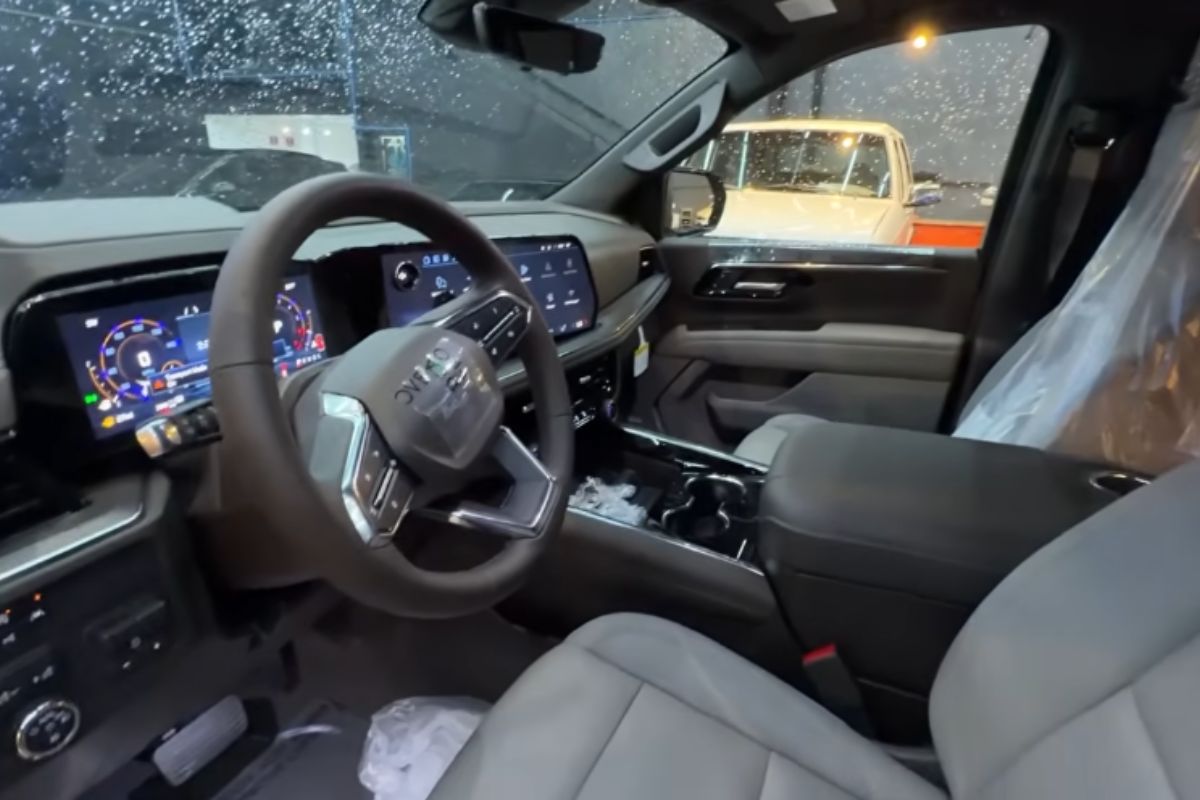
Chevrolet Suburban Z71 lands in Brazil with a V8 engine, off-road design, air suspension, seven seats, and colossal size, a rare version imported for around R$ 1.3 million with luxury and exclusivity.
-
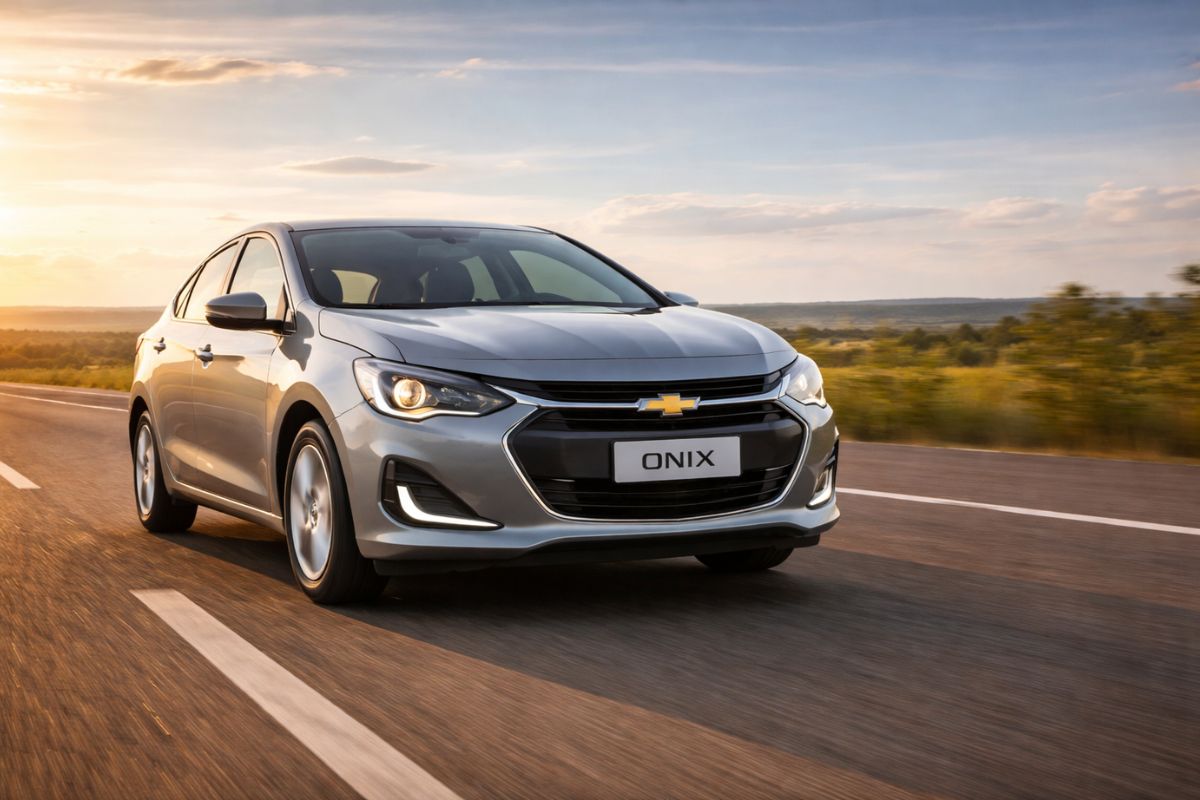
The Chevrolet Onix 1.0 turbo achieves 17.7 km per liter on the highway and ranks among the three most economical cars in Brazil in 2026, alongside two more expensive Toyota hybrids available at dealerships.
-
Little sister of the Hilux: Toyota launches Land Cruiser FJ with 4 radical versions, 2.7 engine with 166 hp and 4×4 traction with locking.

Porsche spokesperson Peter Gräve told DW that its eFuels “will allow for almost climate-neutral operation of internal combustion engine vehicles.” The automaker recently stated that its electrofuels can reduce CO2 emissions by over 85% and are cleaner than an electric vehicle when considering the environmental impact of battery production.
Porsche Promises 55 Million Liters by 2024 and 550 Million by 2026
Capacity will then be expanded in two phases to around 55 million liters by 2024 and to about 550 million liters by 2026. The necessary environmental licenses have already been obtained by the Chilean company Highly Innovative Fuels (HIF). Siemens Energy has also begun preparatory work for the next major commercial phase of the project.
“I am pleased that we are making progress on this international project for the hydrogen economy, along with strong international business and political partners. With the new synthetic gasoline plant called Haru Oni, we are bringing our power-to-X technologies to the global market. We are jointly developing and implementing the world’s first integrated and large-scale commercial plant for the production of carbon-neutral synthetic fuels. In southern Chile, we are implementing one of the most exciting projects in the energy sector for the future and driving the decarbonization of the mobility sector. This means we are making a significant and rapidly effective contribution to reducing CO₂ emissions in the traffic and transport sector”, said Armin Schnettler, executive vice president of new energy business at Siemens Energy.
The sports car manufacturer Porsche has initiated the demonstration project and will use eFuels in its own internal combustion vehicles. “Our tests with renewable fuels are progressing very successfully. eFuels will allow for a reduction of CO₂ emissions in internal combustion engines by up to 90%. Among other things, we will use the first fuel from Chile in our Porsche Mobil 1 Supercup race cars starting in 2022”, emphasized Michael Steiner, Executive Board Member for Research and Development at Porsche AG.
Project Haru Oni
The Haru Oni project takes advantage of the perfect wind energy conditions in the Magallanes province in southern Chile to produce CO₂-neutral fuel using low-cost wind energy.
In the first phase, electrolyzers split water into oxygen and green hydrogen using wind energy. The CO₂ is then filtered from the air and combined with green hydrogen to produce synthetic methanol, which is then converted into eFuel.
The pilot plant is scheduled to start production sometime this year. In addition to Siemens Energy, Porsche, and HIF, Enel, ExxonMobil, Gasco, and ENAP are participating in the Haru Oni project.





Seja o primeiro a reagir!