





 Portuguese
  English
  Spanish
 3 min of reading


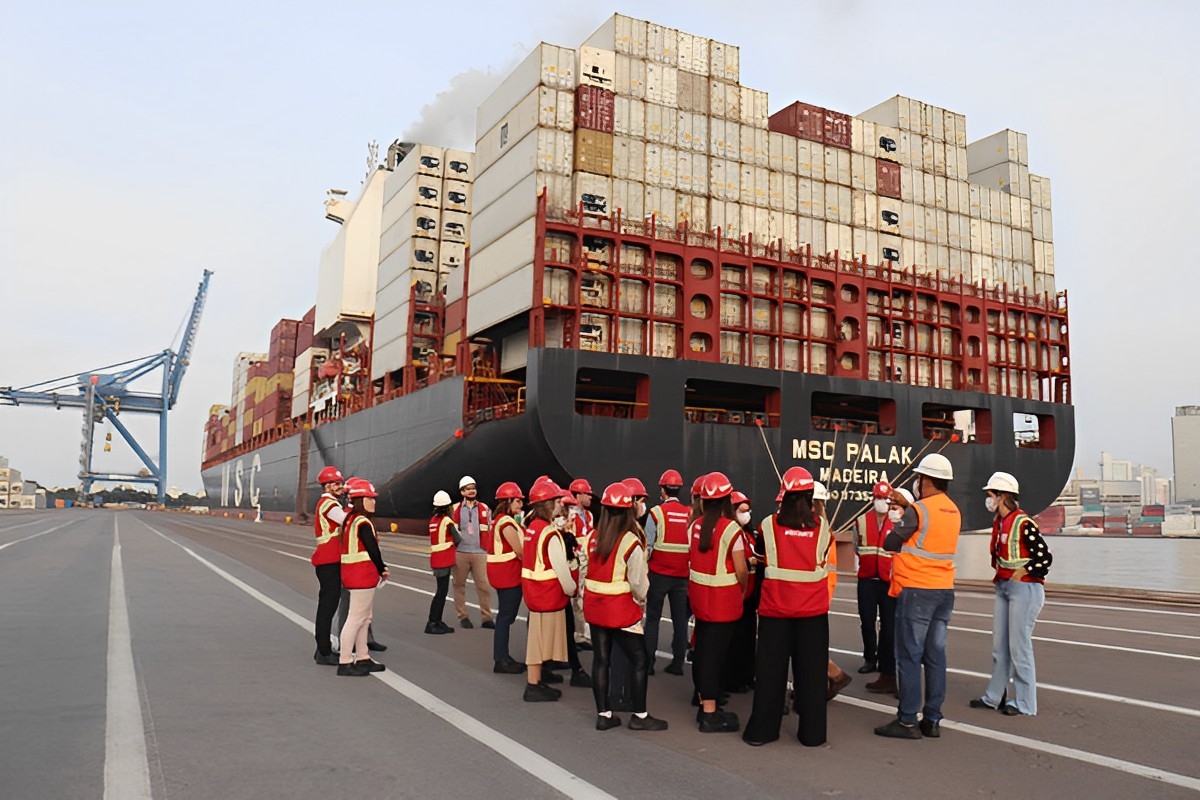
In Celebration of International Women’s Day This Wednesday (8), Porto de Navegantes Evaluates Women’s Participation as a Workforce in the Port Sector, Symbolizing the Numerous Struggles and Achievements of Women, Including More Space and Professional Equality.
In the port industry, the number of women interested in this career has been growing in recent years. In this sense, aiming to provide more opportunities in this area and strengthen gender equality, Portonave (Porto de Navegantes) develops programs for women in the region.
The port sector has opportunities in the administrative and operational sectors. The Porto para Elas program aims to train 40 students in its introductory course on port logistics and port maintenance in 2022 but intends to open more slots for candidates on the waiting list.
The Terminal also partnered with Engie to support the Women in the Neighborhood Initiative, which encourages businesses managed by women. Internally, promotes gender equality through diversity and inclusion programs, fertility support, and women’s self-defense, which align with SDG 5 – Gender Equality and SDG 16 – Peace, Justice, and Strong Institutions are directly related.
-
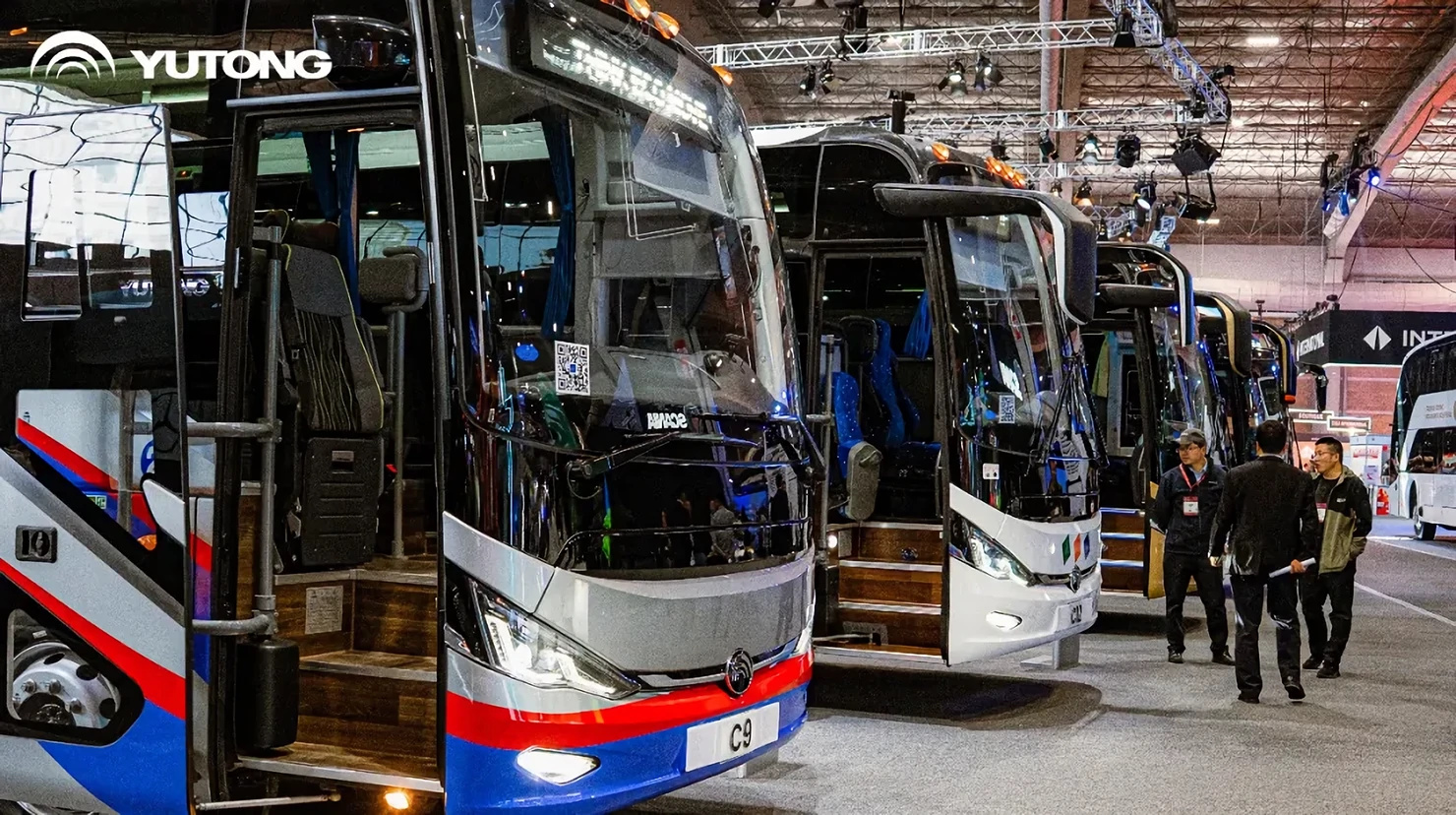
China advances into Mexico’s transportation with an electric bus that has a range of up to 530 km, bringing a complete line to the country in 2026 and transforming its partnership with Yutong into one of the most strategic in Latin American mobility.
-
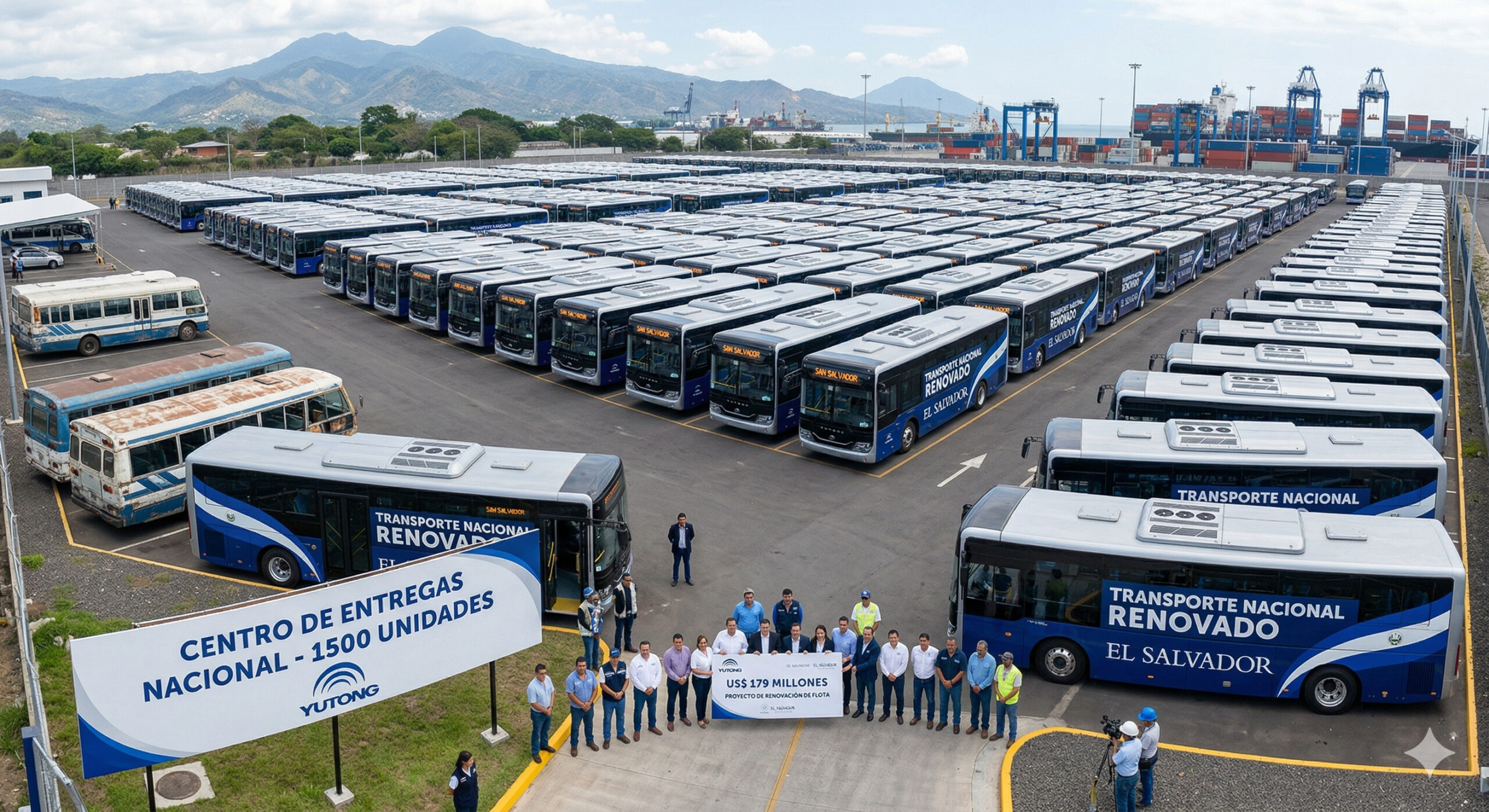
With 1,500 new buses financed by an international agreement, El Salvador is preparing the largest renewal in the history of its public transportation, a plan of $179 million with vehicles from the Chinese company Yutong that could replace practically the entire fleet of the country.
-
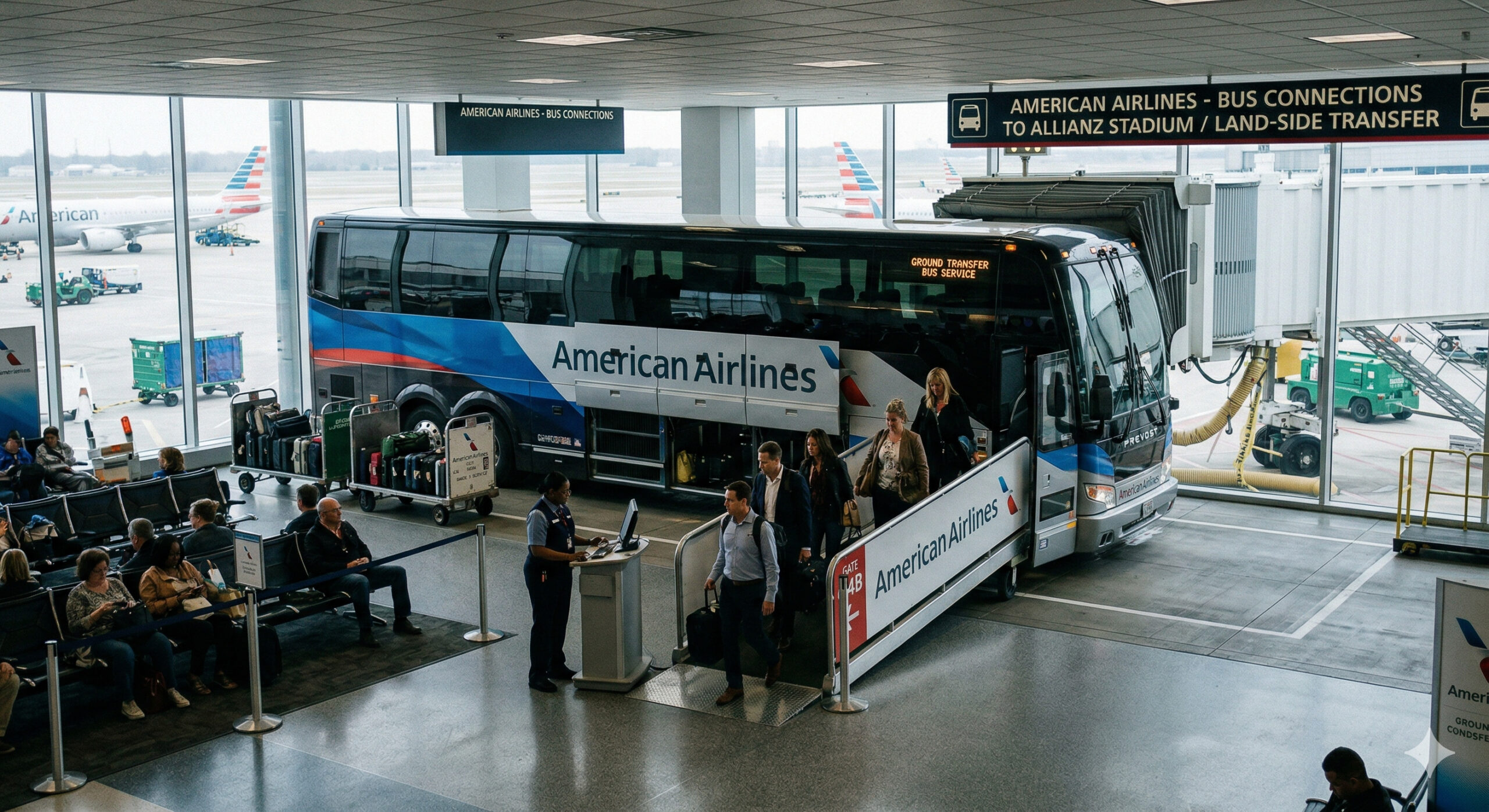
American Airlines starts selling trips as if they were flights, with check-in and baggage check at the airport, but on short routes, passengers board luxury buses connecting cities to major hubs in the U.S.
-
São Paulo surprises the world with a colossal railway network project that promises over 1,000 km of tracks, R$ 194 billion in investments, and 40 projects connecting the capital to the interior with fast and sustainable trains.

Get to Know Porto de Navegantes
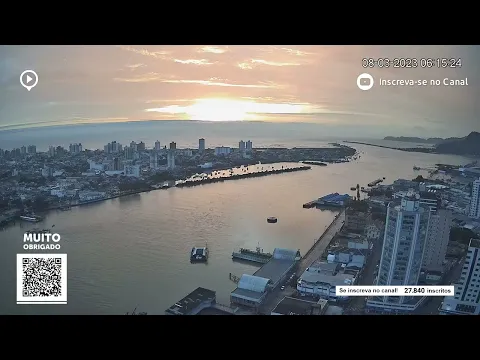

Portonave S/A – Terminais Portuários de Navegantes or Porto de Navegantes is a private Brazilian port located at the mouth of the Itajaí River in the municipality of Navegantes, in the state of Santa Catarina. Portonave began operations in October 2007 and is the first private port terminal in the country, responsible for distributing and receiving goods from all over the world in the southern, southeastern, and central-western regions of Brazil and other South American countries.
When it comes to items exported by the Porto de Navegantes, we can mainly mention wood and its derivatives (like furniture). Frozen chicken is also noteworthy, followed by ceramics, paper, tobacco, textiles, and even frozen beef.
The infrastructure of Portonave allows it to receive large ships at three berths. It has a 900m pier, a 400m turning basin, and a 14m deep channel. In 2022, Porto Navegantes recorded the movement of 10 million TEUs – an indicator equivalent to 20-foot containers. This milestone was recorded on February 8, 2022.
According to a survey released by the Port of Itajaí, excluding the port complex of Navegantes, the tonnage handled from January to December 2021 increased by 22%. All imported containers.
The Porto de Navegantes set records in port movement and, as the second largest port in Brazil in container handling, more than 7,800 ship calls from around the world have passed through the site. The movement includes the export of products such as wood, animal protein, furniture, and ceramic products. When we talk about imports, we have beverages, plastics, chemicals, and rubber. The impact is so significant that, for example, 100% of agribusiness goods pass through the port.









-

Uma pessoa reagiu a isso.