





 Portuguese
  English
  Spanish
 3 min of reading


According to a study conducted by researchers at the Federal University of Rio Grande do Norte (UFRN), the port could generate 50,000 jobs in the installation of a port industry on the coast of Rio Grande do Norte, in the city of Cesara Norte.
The report of the technical analysis was presented to Governor Fátima Bezerra (PT) on Thursday (19). The study was commissioned by the government to determine the best locations for installing the equipment. According to the state administration, industrial ports are “vital” for enabling offshore wind energy exploration projects and for the export of various other products, including green hydrogen (H2V).
Focus on the Port That Can Generate 50,000 Jobs Is Focused on Regional Growth
The study on the port that can generate 50,000 jobs was coordinated by Prof. Mario Gonzalez from the Department of Production Engineering at the University. “Due to the high potential of the state for generating energy from renewable sources, and the global trend towards ‘green economy’ practices in all economic sectors, the port-industry in RN should be designated as Green Port-Industry,” says the professor.
“Ports in more developed countries are working to transform themselves into ‘green’ ones. But here we can already be born ‘green’, within this perspective,” he adds, highlighting that a port-industry also serves the function of manufacturing, storing, and preparing goods – among them, equipment from the clean energy industry – in addition to handling cargo. Based on this study, Fátima authorized the start of the EIA/RIMA, Environmental Studies and Reports, thus continuing the technical studies for the industrial construction of the North Kessala port. The terminal is expected to begin operations by mid-2026. According to projections by Hugo Fonseca, coordinator of Energy Development at the Department of Economic Development (Sedec), 50,000 jobs will be generated just in the first phase (1 to 4 years).
-
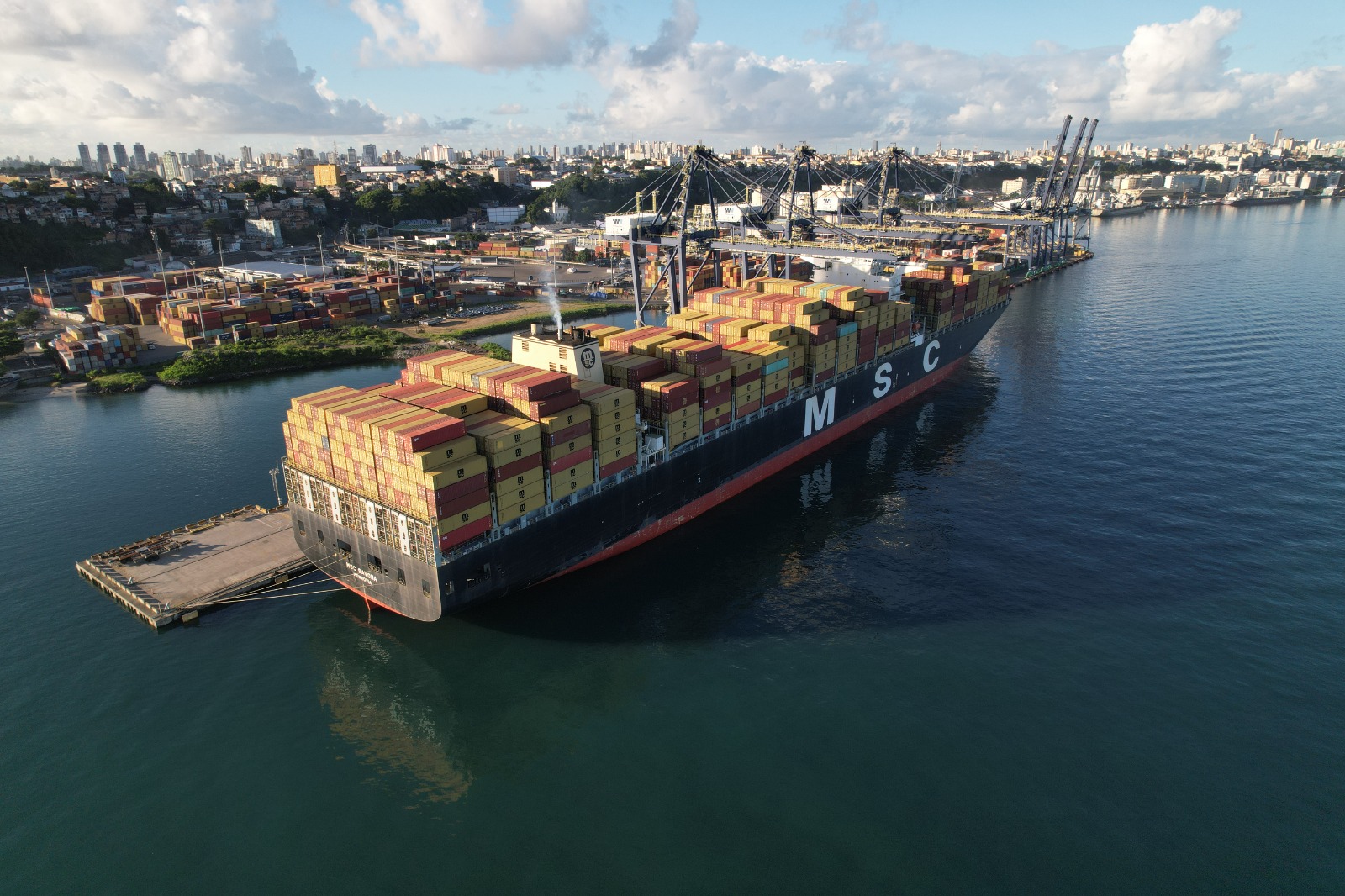
Ship that departed from China on March 30 arrives in Salvador with 44 containers, 1,550 metal pieces, and over 800 tons of equipment, marking the beginning of the largest bridge over the sea in Latin America, a mega-project of 12.4 km that will use unprecedented technology on the continent.

-
YPF: Horacio Marín reveals that starting in 2028 the Argentine state will collect dividends from Vaca Muerta with US$ 25 billion, marking a new era of oil in the country

-
While concrete and steel dominate the image of resilient buildings, a 10-story wooden building was shaken in a laboratory to test if it can withstand earthquakes and reduce permanent damage.

-
While modern pilots respect a minimum altitude of 300 meters, a P-51 flew under the Eiffel Tower chasing a Bf 109 in 1944.

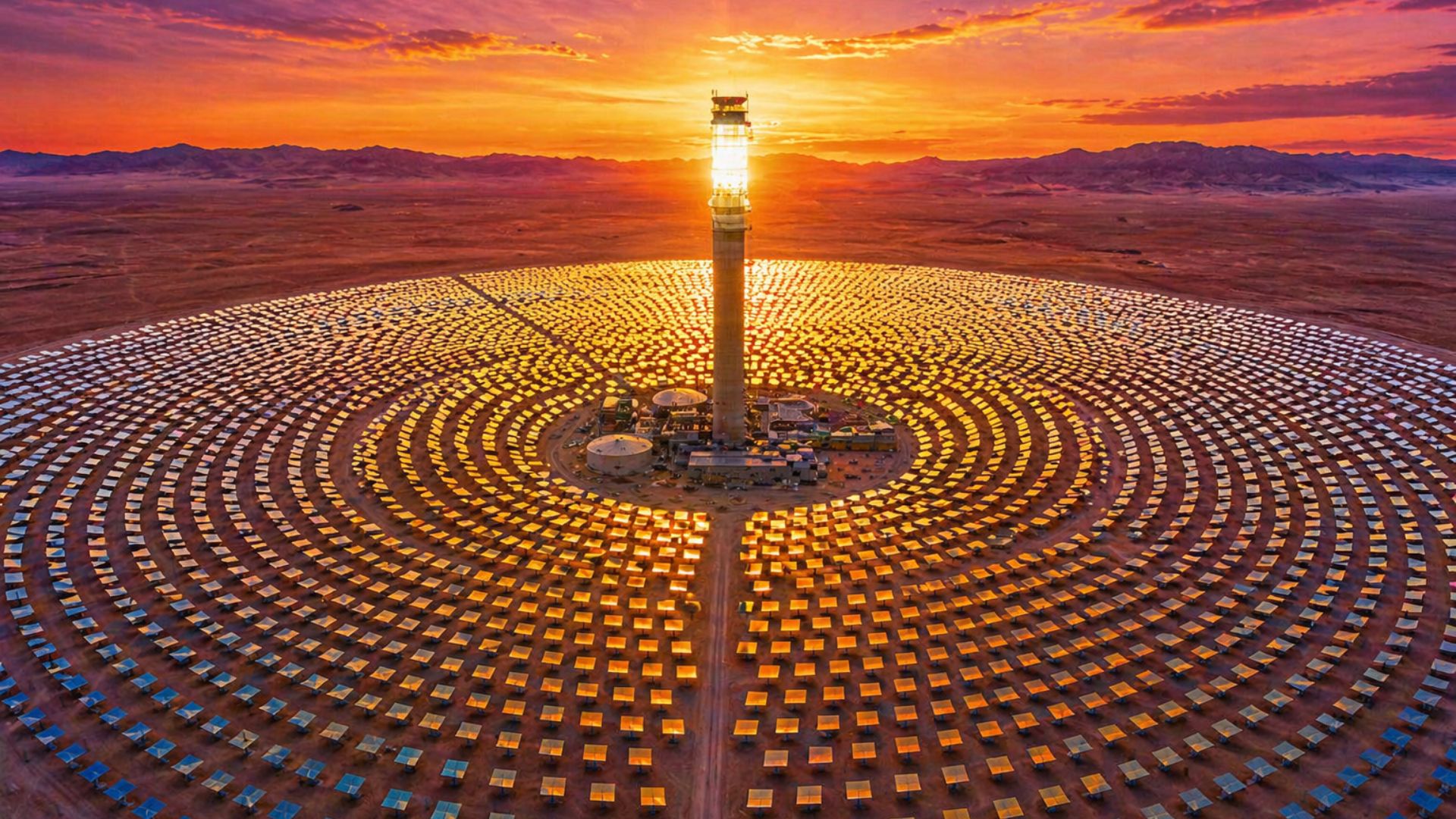

According to the government, the construction of the port industry will allow for the production of offshore wind energy and also green hydrogen, considered the fuel of the future. It is also expected that the port project will cooperate with various other economic sectors, such as fruit farming, salt farming, mining, fishing, oil and gas.
Research on the Port That Can Generate 50,000 Jobs
According to the government, R$ 1.1 million was invested in commissioning various studies, which also gave rise to projects such as the Wind and Solar Atlas of Rio Grande do Norte and the Onshore Wind and Offshore Wind Service Centers. Alternative technical and location studies for offshore transmission infrastructure and the North Rio Grande Hydrogen Program are also part of a broader proposal for a green port industry, economic development, and sustainable energy project, according to the government.
In addition to evaluating the geographical location for the final selection of North Kessara as the ideal location, the study also proposes a strategic plan for the industrial operations of the port and its production and development of the industrial chain. For the government, the ports should bring benefits such as strengthening the industrialization of the country, generating jobs, and training the workforce, in addition to reducing logistics costs, improving maritime logistics infrastructure, and increasing competitiveness in the renewable energy sector.




Be the first to react!