





 Portuguese
  English
  Spanish
 5 min of reading
  0 comments


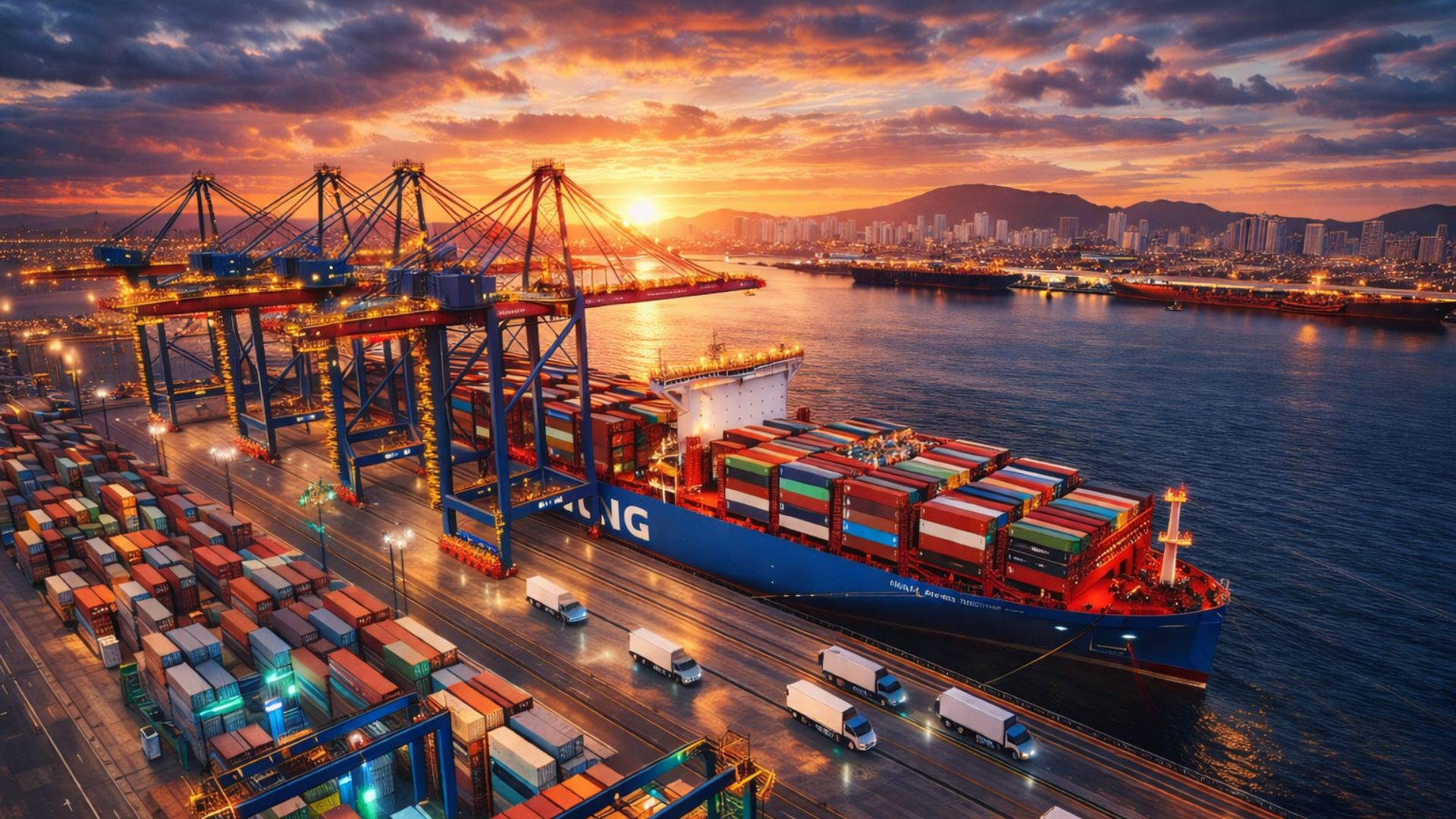
Modernization of the Port of Santos Advances with Investments in Connectivity, Clean Energy, and Digital Management. Green Logistics Elevates Port Efficiency, Strengthens Sustainability, and Consolidates the Position of the Largest Port in the Country
In 2026, the largest port complex in Latin America is consolidating a strategic turnaround that combines technological innovation, advanced connectivity, and environmental commitment. According to an article published by Cana Online in January, the Port of Santos begins to incorporate elements of a new model of green logistics, anchored in investment in a private 5G network, digital twin, pier electrification, and intelligent management systems, reinforcing gains in port efficiency and sustainability.
Port of Santos and the New Cycle of Investment in Green Logistics
The initiative is led by the Port Authority of Santos, in alignment with the guidelines of the Ministry of Ports and Airports, positioning Brazil in tune with the best international practices in the maritime-logistical sector.
From the beginning, the project has focused primarily on increasing the port’s productivity without amplifying environmental impacts, creating a new paradigm for national port infrastructure. The Port of Santos is transforming without losing competitiveness, showing that innovation and environmental responsibility can advance together.
-
6 sources of free fertilizer that you are throwing away every day and can transform your garden without spending anything.

-
With a water crisis on the radar, Sabesp invests in reclaimed water for data centers and transforms sewage treatment into a solution that saves millions of liters and protects public supply.

-
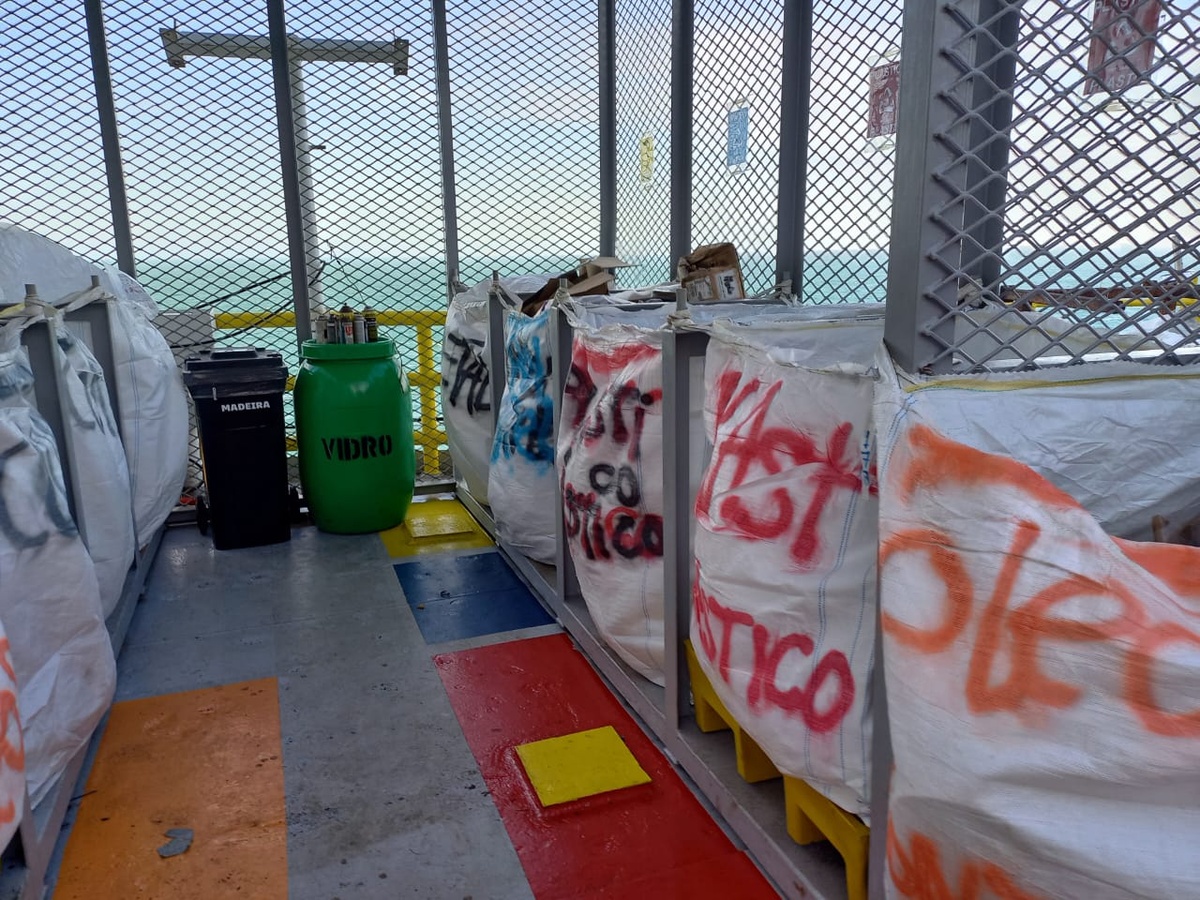
Foresea achieves 100% offshore waste reuse in 2025, eliminates landfill disposal, and consolidates sustainable strategy with 1,500 tons recycled.
-
With earth, bamboo, straw, and lime mortar, a specialist builds a house for just over $460 and draws attention for its cost being much lower than traditional construction.

The current cycle of modernization at the Port of Santos is the result of a structured investment in technology, clean energy, and operational governance. The goal is clear: to make the port more efficient, connected, and environmentally responsible, without compromising its capacity to meet the growing demand from Brazilian foreign trade.
According to the Ministry of Ports and Airports, Santos acts as a pilot project for the sector. The solutions implemented in the port complex serve as a reference for other public ports in the country, especially regarding digitalization and reducing carbon footprint.
The increase in cargo movement is now accompanied by real environmental gains, reinforcing the concept of sustainability applied to logistics.
Federal Government Guidelines and Sustainable Port Efficiency
The Minister of Ports and Airports, Silvio Costa Filho, emphasized that the ongoing transformation at the Port of Santos represents a shift in the sector. For the federal government, strengthening logistics infrastructure must align with the environmental goals assumed by Brazil in the international arena.
According to the minister, investments in advanced connectivity and clean energy demonstrate that economic development and environmental responsibility are not conflicting objectives.
On the contrary, they become complementary in an increasingly demanding global supply chain scenario. This guideline strengthens the strategic role of the Port of Santos as a central axis of national transport policy, enhancing its economic and institutional relevance.
Digitalization of Operations and Data-Driven Management
Digitalization is one of the central pillars of the new operational model. For the National Secretary of Ports, Alex Ávila, the adoption of intelligent monitoring and control systems elevates the level of Brazilian port management.
Operations are now driven by real-time data, increasing predictability, navigation safety, and efficiency in the use of infrastructure. This model brings the Port of Santos closer to the standards observed in the major logistics hubs in Europe and Asia.
Moreover, digitalization directly contributes to port efficiency by reducing delays, operational bottlenecks, and costs associated with the lack of integrated information.

VTMIS at the Port of Santos and Gains in Port Efficiency
Among the main technological projects is the implementation of the Vessel Traffic Management Information System (VTMIS). The system acts as a control center for maritime traffic, integrating radars, cameras, and sensors distributed along the access channel.
The technology allows monitoring vessel movements in real-time, increasing maneuver safety and reducing operational risks. As a result, there are direct gains in fluidity and predictability in port operations.
Less waiting time means less fuel consumption, connecting VTMIS not only to port efficiency but also to the principles of green logistics.
Private 5G Network and Digital Twin in Green Logistics
The implementation of a private 5G network creates the foundation for advanced automation of operations. High-speed connectivity enables instant communication between systems, equipment, and teams, enhancing the port’s response capacity.
On this infrastructure, the Port of Santos develops digital twin applications. The model creates a dynamic virtual representation of the port, allowing operational simulations, scenario analysis, and predictive maintenance planning.
The digital twin can anticipate problems before they occur, reducing costs, avoiding disruptions, and reinforcing sustainability practices by optimizing the use of physical and energy resources.
Pier Electrification and Progress in Port Sustainability
On the environmental axis, pier electrification is one of the most relevant initiatives. The shore power supply system allows docked ships to turn off their auxiliary engines and use electricity while at the port.
This practice reduces greenhouse gas emissions, improves air quality, and decreases noise pollution in port and nearby urban areas. It is a measure already adopted in major international ports and is now incorporated into the Brazilian model. Electrification reinforces green logistics without compromising operations, integrating operational efficiency and environmental responsibility.
Clean Energy, Itatinga Power Plant, and New Energy Vectors
The energy used in pier electrification originates from the Itatinga Hydroelectric Power Plant, managed by the Port Authority of Santos itself. The unit is undergoing a modernization process to ensure a reliable and renewable supply to the port complex.
In addition, studies are underway focused on the production of green hydrogen. This alternative could power port equipment and vehicles in the medium term, expanding the range of sustainable energy solutions. Energy diversification strengthens the autonomy of the Port of Santos, reduces operational risks, and enhances long-term sustainability gains.
Environmental Incentives, Private Investment, and Green Logistics
To stimulate market adherence, the Port Authority of Santos has expanded its tariff discount policy for vessels with better environmental performance. The criterion used is the Environmental Ship Index, which evaluates energy efficiency and emission control.
The mechanism creates a direct economic incentive for shipowners who invest in more modern and less polluting fleets. Thus, private investment becomes an ally of the public policy for green logistics. Competitiveness and sustainability are no longer opposites, but instead walk together in an integrated manner within the port environment.
A New Standard of Port Efficiency for Brazil
The set of initiatives positions the Port of Santos as a showcase of the new Brazilian port model. The experience demonstrates that it is possible to increase cargo movement, incorporate cutting-edge technology, and simultaneously reduce environmental impacts.
By integrating investment, digital innovation, clean energy, and economic incentives, Santos establishes a standard that can be replicated in other public ports across the country. Port efficiency is now measured not only in volume but also in environmental performance and operational intelligence.
This repositioning reinforces the strategic role of the Port of Santos in the national economy and consolidates sustainability as a central element of the logistics of the future.









-

Uma pessoa reagiu a isso.