





 Portuguese
  English
  Spanish
  2 min of reading
  0 comments


After 18 Consecutive Highs, Coffee Price Falls in July and Trend Is Downward with Advancement of Harvest in the Country
The coffee price fell 0.36% in July, according to the IPCA-15, released by IBGE. This was the first reduction in the price of the product for consumers in a year and a half, ending a series of increases that had lasted since December 2023.
Despite the drop, ground coffee still accumulates inflation of 76.5% over 12 months. Experts point out that the advancement of the Brazilian harvest may keep prices on a downward trajectory in the coming months.
Coffee Starts to Get Cheaper in the Supermarket
The survey by IBGE showed that the coffee price retracted for the first time in 18 months. The drop was recorded in the preliminary data of the official inflation measured by the IPCA-15, which considers prices between the 16th of the previous month and the 15th of the month of publication.
-
The government is considering a temporary subsidy for cooking gas following the spike in oil prices due to the war in Iran and warns about the impact of 20% of imports on the prices paid by families.

-
The lack of truck drivers in the country is already halting shipments and threatening deadlines: 88% of transport companies are unable to hire, with an average of eight trucks idle, and the port complex of Itajaí is now feeling the impact.
-
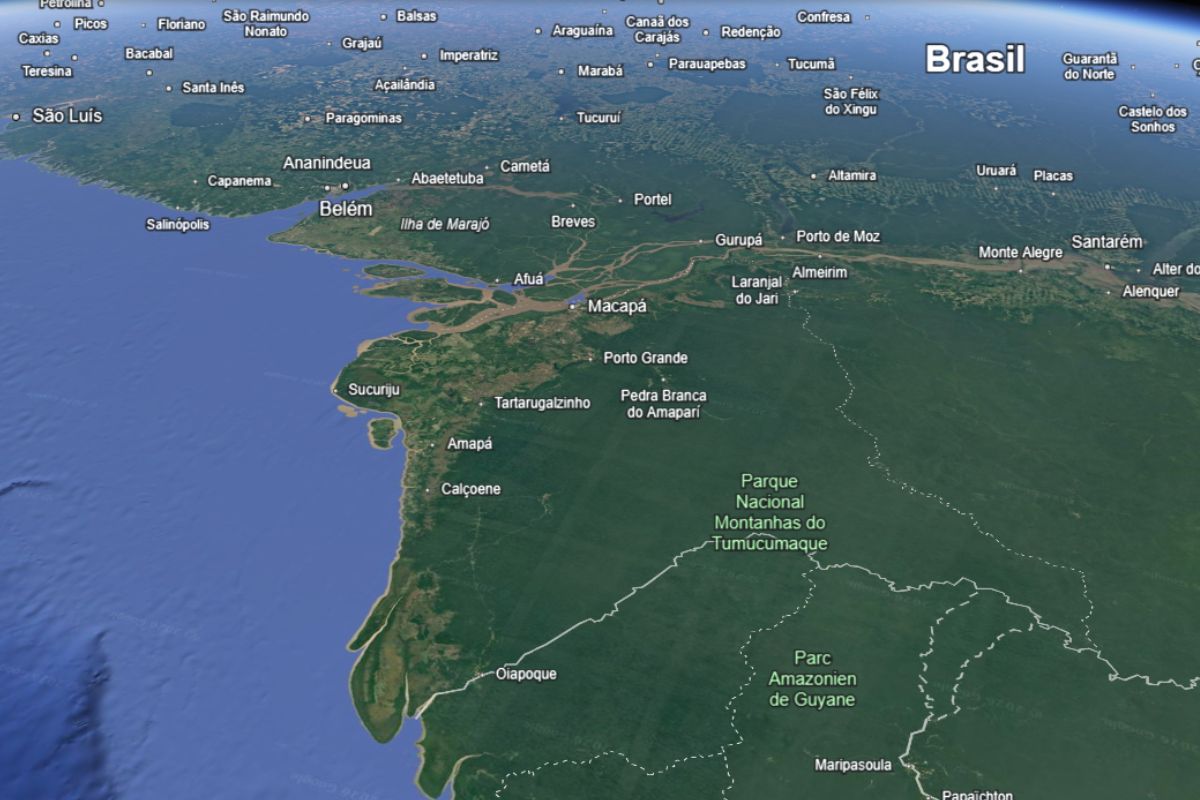
Petrobras is about to transform a forgotten city in the far north of Brazil into the capital of oil: Oiapoque is already feeling the effects even before the first drop of oil comes out from the seabed.
-
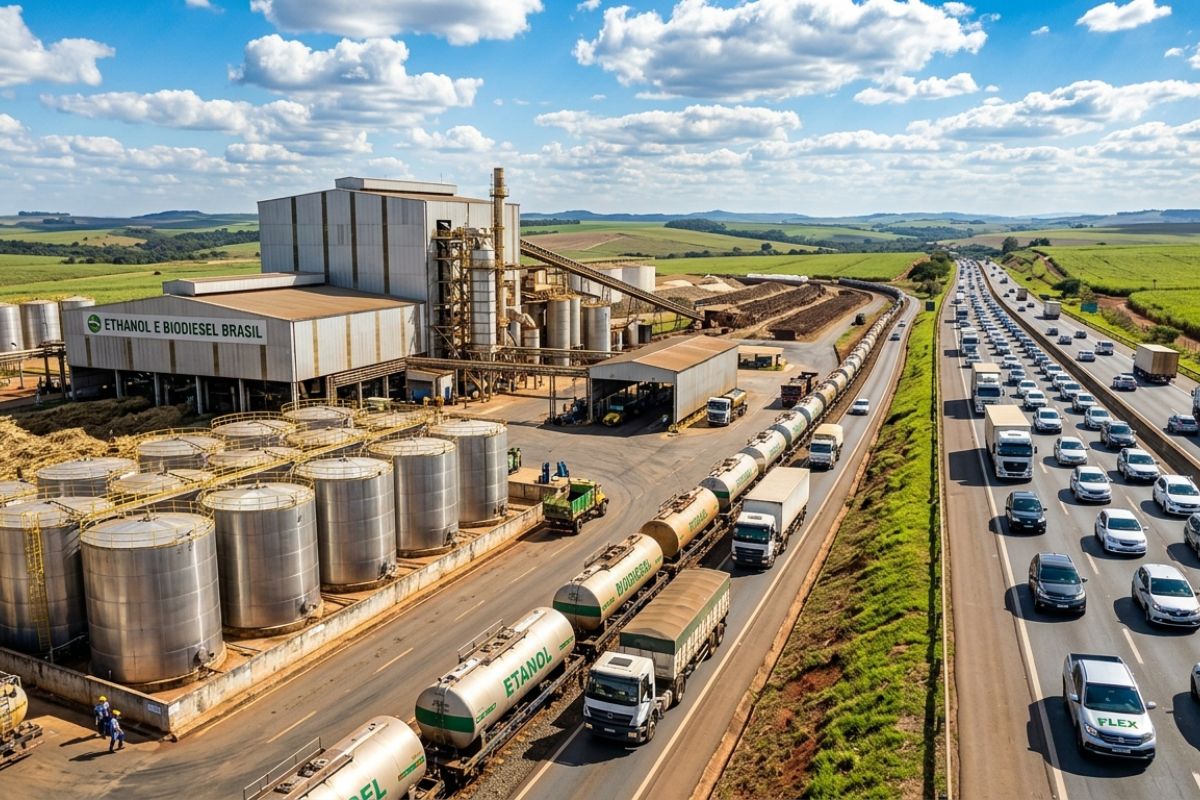
The Economist says that Brazil has a secret weapon in the oil war during this crisis: ethanol, biodiesel, and flex-fuel vehicles. With Petrobras holding costs, fuel prices are rising 10% to 20% here, compared to 30% to 40% in the USA.

According to the Brazilian Coffee Industry Association (Abic), the average price of traditional coffee reached R$ 66.70 in June. In the same period last year, the price was R$ 35.17, which means it almost doubled in a year. Nevertheless, the latest data indicates a shift in market behavior.
Expectation Is of New Drops in the Coming Months

Economists interviewed by the G1 portal in June had already anticipated the drop in the coffee price, due to the harvest occurring between March and September in Brazil. The months of June and July concentrate the highest volume, which tends to increase supply and pressure prices downwards.
In addition, Fipe had already pointed out a decrease in coffee prices in its inflation index (IPC) in the week prior to the IBGE survey, reinforcing the trend towards relief for consumers.
Uncertainties in the External Market Also Impact
Another factor that may influence the coffee price is the trade policy of the United States. A tariff of 50% on Brazilian products is set to take effect on August 1, unless an agreement is reached between the countries. The U.S. is the main destination for coffee exported by Brazil, accounting for 16% of external sales.
According to the Coffee Exporters Council (Cecafé), even with the risk of the tariff, other markets such as China, India, Indonesia, and Australia may increase their demand for Brazilian coffee, helping to balance the sector.
Have you noticed a drop in the price of coffee where you live? Share your experience in the comments.









Seja o primeiro a reagir!