





 Portuguese
  English
  Spanish
  3 min of reading


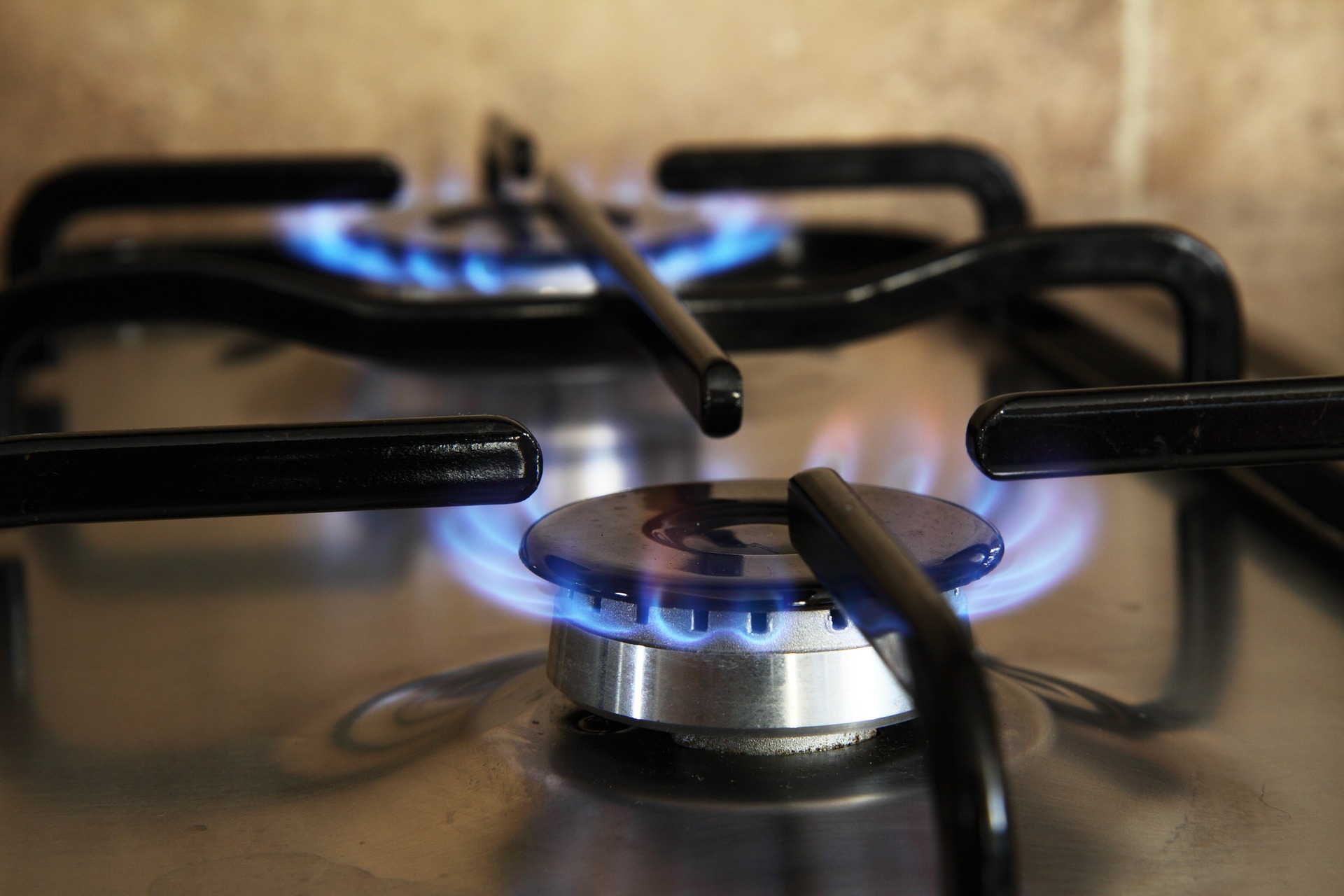
Price of Kitchen Gas Cylinder Soars, and Government and Congressmen Analyze Possible Solutions for the Problem Affecting the Poorest
The price of kitchen gas has been rising considerably in recent years, especially since 2019. With the pandemic and economic crisis, the price of gas, so essential for Brazilians, has reached its highest value in history. With the most vulnerable population being severely affected, the Federal Government and Petrobras are increasingly pressured.
The year had barely begun, and the price of kitchen gas had already hit its peak since the ANP (National Agency of Petroleum, Natural Gas and Biofuels) began compiling product prices. The IBGE showed that, as early as 2019, before the pandemic, about 20% of households in the country used firewood or charcoal for cooking, totaling around 14 million homes.
Kichen gas increases health problems among Brazilians. The need for firewood to cook leads to deforestation, and it is much more polluting compared to kitchen gas. The price of gas skyrocketed in 2019, after the end of the subsidy paid by Petrobras since 2003, at the beginning of Lula’s administration. However, these measures are not well-received by members of the more liberal sectors of the economy.
-
Lula reveals a masterstroke by Petrobras to undo a deal made by Bolsonaro, which involves the return of an important refinery that currently produces less than half of what was expected and makes Brazil dependent on international diesel.

-
A study confirms that the natural gas sector will reduce greenhouse gas emissions in Brazil by 0.5% and accelerate the energy transition by 2026.

-
Petrobras implements a severe adjustment and confirms a 55% increase in the price of aviation kerosene with a proposal for installment payments for the companies.

-
The rise in oil prices could ensure an extra revenue of R$ 100 billion for the Federal Government, indicates a recent economic study.


The price continued to rise due to currency depreciation. The real was one of the world’s most depreciated currencies, causing prices to rise due to Petrobras’ pricing policy, which follows international quotations. The average price of kitchen gas has reached an astonishing R$ 84 in the last week.
Measures to Curb the Rise in Kitchen Gas Prices
The increase has raised criticisms of the Federal Government, leading to several projects aimed at lowering the average price paid by Brazilians for kitchen gas cylinders. Today, 28 proposals are being processed in Congress, with 8 of them introduced this year. As a result, the texts in Congress propose three possible solutions: including gas in the basic basket, creating a social program, and price regulation, a measure viewed unfavorably by Petrobras and companies in the sector.
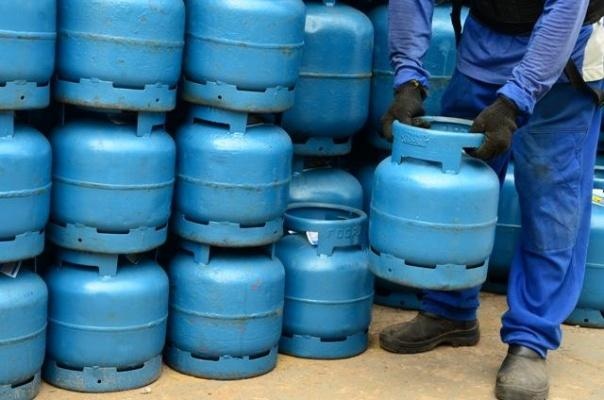
Christino Áureo from the PP of Rio de Janeiro is trying to use the family allowance to direct the funds from the federal government’s exemption, which was implemented in March. The total discount was R$ 2.18 per cylinder; however, the deputy believes that the exemption ends up benefiting families who can afford to buy the gas cylinder. “If we allocate this waiver entirely to the Family Allowance, it would provide a discount of up to R$ 30 per cylinder,” stated Christino in a lengthy article published by Folha de São Paulo. He believes that giving a small discount to everyone is not the best way to relieve the burden on the needy.
Federal Government Lacks Consensus on the Issue
The proposal to include the cylinder gas in the basic basket would reduce the tax burden on the product, but it would be necessary to convince governments to forgo revenue. A study by LCA Consultoria estimates that this action would cause gas prices to fall between 9.1% and 17.3% nationwide. Meanwhile, the Federal Government does not reach a consensus. The Ministry of Economy does not view subsidies favorably, while the Ministry of Mining and Energy is working to find solutions to the problem.










Seja o primeiro a reagir!