





 Portuguese
  English
  Spanish
 3 min of reading


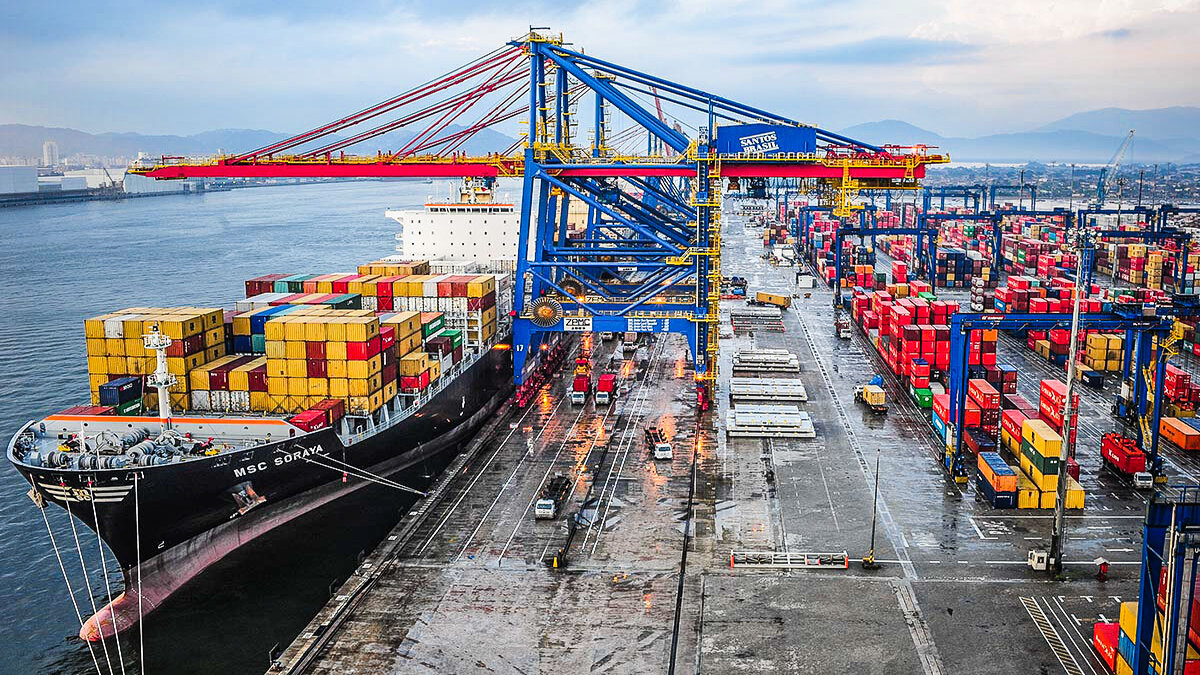
The Extension of the Concession Period for the Privatization of the Port of Santos May Not Bring Advantages. The Federal Government is Evaluating the Possibility of Extending from 35 to 50 Years, However, This Measure May Not Bring Many Benefits for the Investor and for the Provision of Services at the Port Terminal.
Last Tuesday, (07/12), it was announced that there had been an increase regarding the concession period in the process that will lead to the privatization of the Docas Company of the Port of Santos, and that this will not be something that brings many advantages. The decision made is not being encouraging for investors nor for the provision of services at the port to society.
High Investment Will Have to Be Made in the Port of Santos for the Privatization to Be Completed
In this sense, the obligation of investment stipulated in the contract was assessed, which has a CAPEX of R$ 17 billion, a high amount to be considered. Thus, as there is no change in the type of contract, even over a longer period of 50 years, the investor will most likely not make new investments within 10 or 15 years of the contract ending, as there will not be sufficient time to appreciate them, that is, to yield results, resulting in no return.
This occurs because in infrastructure assets investments are made over a long term, above 20 years. For the Port of Santos, however, it is interesting to have shorter renewals to allow for more investments. Nevertheless, for the investor, the increase in the term does not necessarily bring benefits, as economic forecasts become increasingly uncertain over such long time horizons.
-
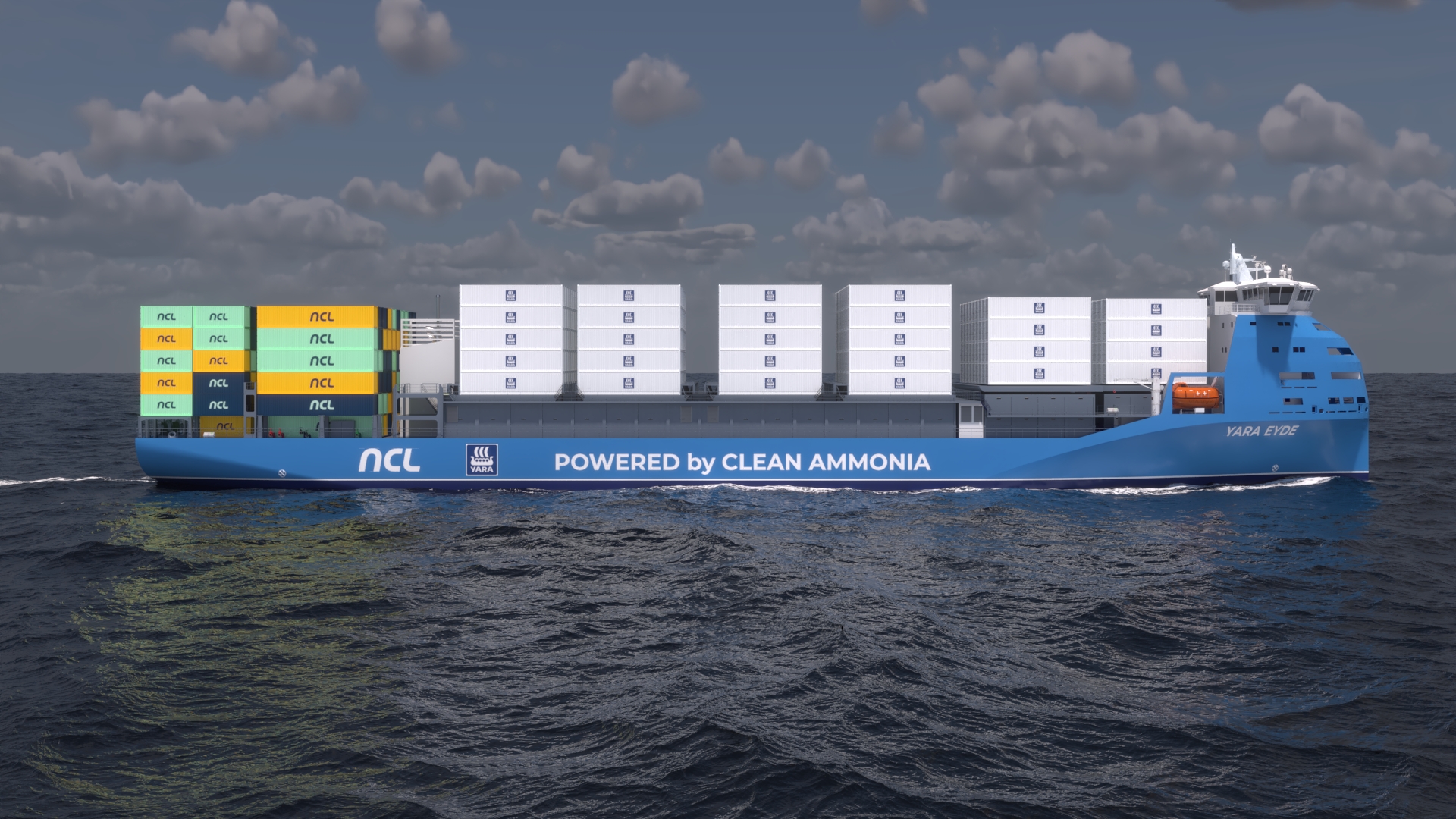
The world’s first container ship powered by renewable ammonia promises to avoid around 11,000 tons of CO₂ per year. The vessel, scheduled to operate in 2026, will connect Norway, Germany, and the Netherlands on one of the shortest and most strategic routes in Europe.
-
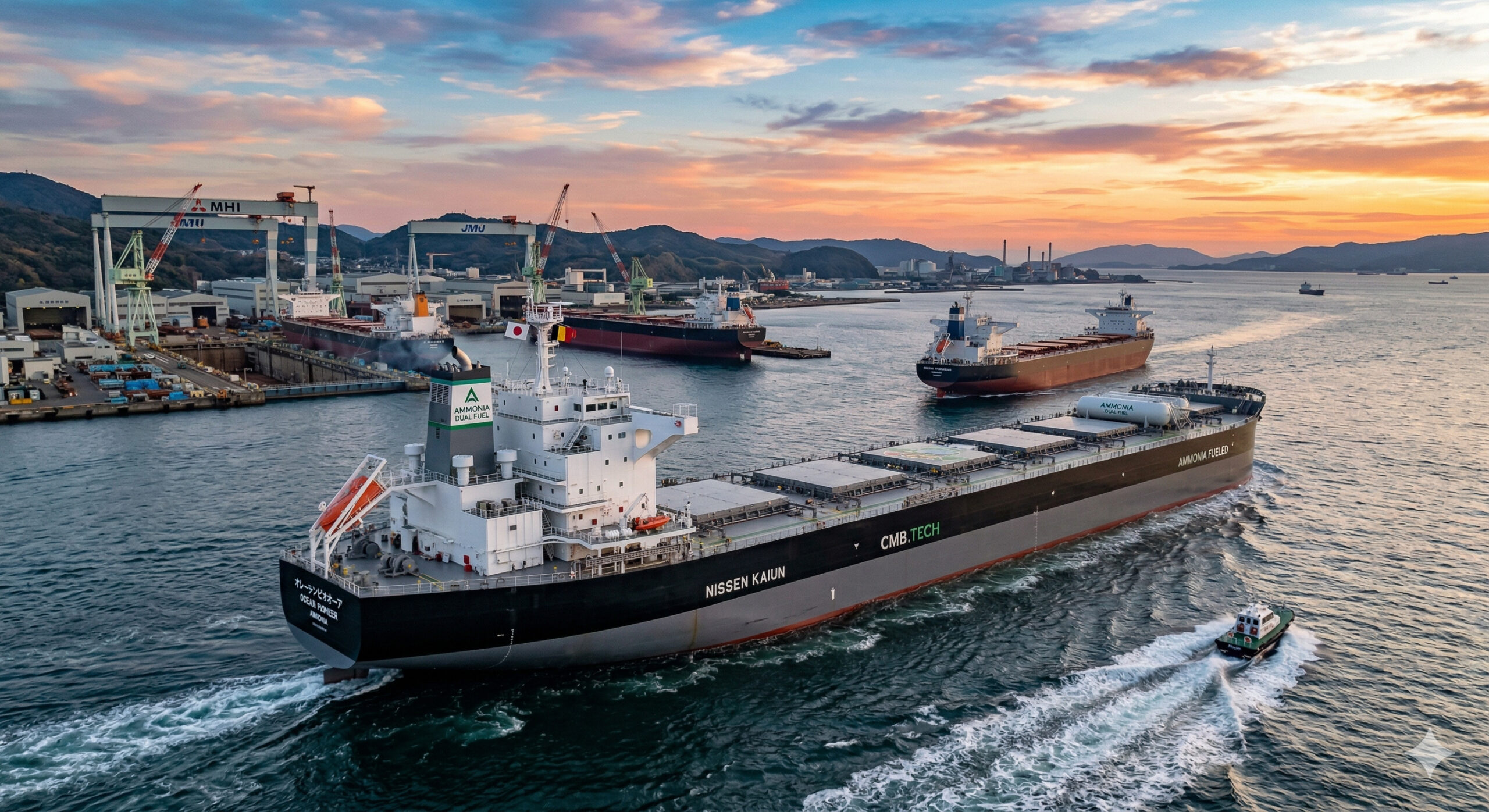
Nine giant ships of up to 210,000 gross tons equipped with dual fuel ammonia engines are being launched by Japan and Belgium. The project includes the world’s first Capesize vessels using this fuel, with contracts of up to 12 years, marking the beginning of a carbon-free ocean fleet starting in 2026.
-
Lack of workers and an aging population: Japan bets on AI robots in factories, logistics, and infrastructure to keep the economy and essential services active.

-
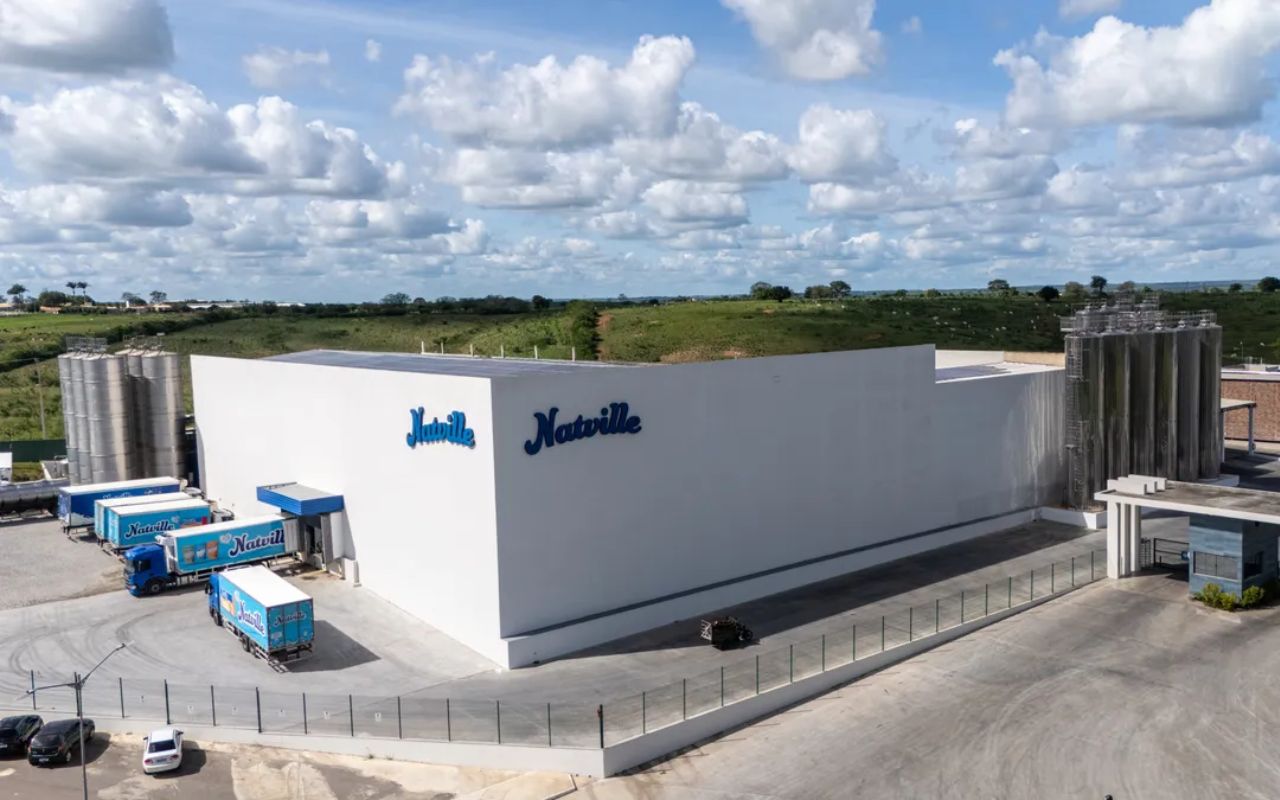
Natville puts R$ 700 million on the table for new factories in the Northeast, generating jobs and boosting the local economy.
“Two funds told us that the ideal would be to have a longer term. We will go back to the drawing board and see if it makes sense for the country. We have a reference of 30, 35 years, which would be a good period, because you can request renewal for the same period, reaching 70 [years]. With 50, I will reach 100,” said Marcelo Sampaio, Minister of Infrastructure.
Before Acquiring the Port Terminal, an Economic Feasibility Analysis Must Be Conducted by Interested Parties
Thus, when taking on an asset like the Port of Santos, it is necessary to keep in mind that it will be essential to calculate whether the financial investment will be viable, requiring demand planning, inflation, exchange rates, among other economic indicators. And the longer the term, the less accurate the projections are.
On the other hand, it is worth considering that, after the depreciation of the investments specified in the contract, the concessionaire will have a longer time with higher margins and can also resort to the economic rebalancing mechanism also provided for in the contract if the current economic scenario changes significantly.
When a study was conducted on the experience of Australia, which also extended the term of some contracts to 50 years, for example, it was found that the extension of the period did not bring advantages.
Furthermore, it is important that this type of decision is supported by mathematical studies of a financial model to arrive at a meeting point between the longest possible term for the investor and the shortest viable term for the Port of Santos. Thus, the most balanced equilibrium point for both sides will be found.
However, Marcelo, the Minister of Infrastructure, states that he remains focused on completing the extension and that the government plans to finalize the concession of the Port of Santos by the end of November and the beginning of September: “In a way, we have a challenging semester due to political issues, there will be elections, but I believe we can keep [the deadlines] being assets with a long-term perspective. I have been at the ministry for 15 years, and concessions have been made for years, across various different governments,” he projected.









Seja o primeiro a reagir!