





 Portuguese
  English
  Spanish
  4 min of reading
  8 comments


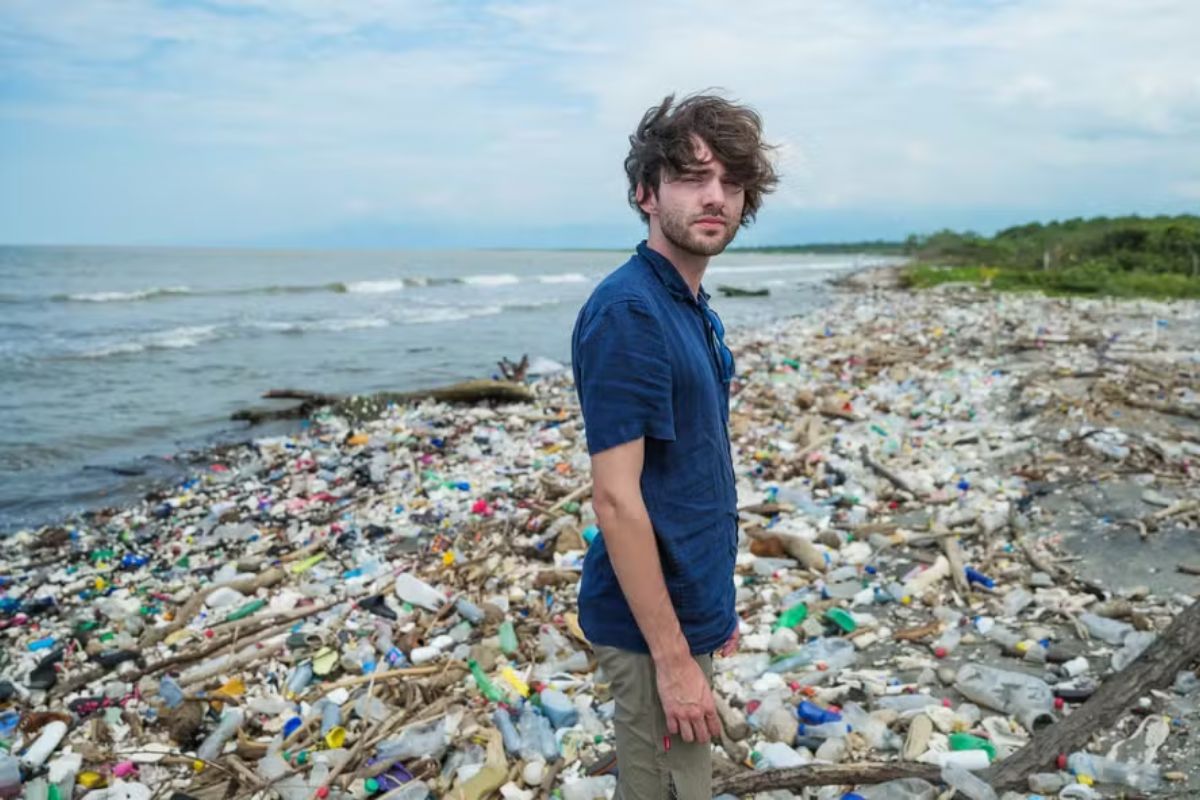


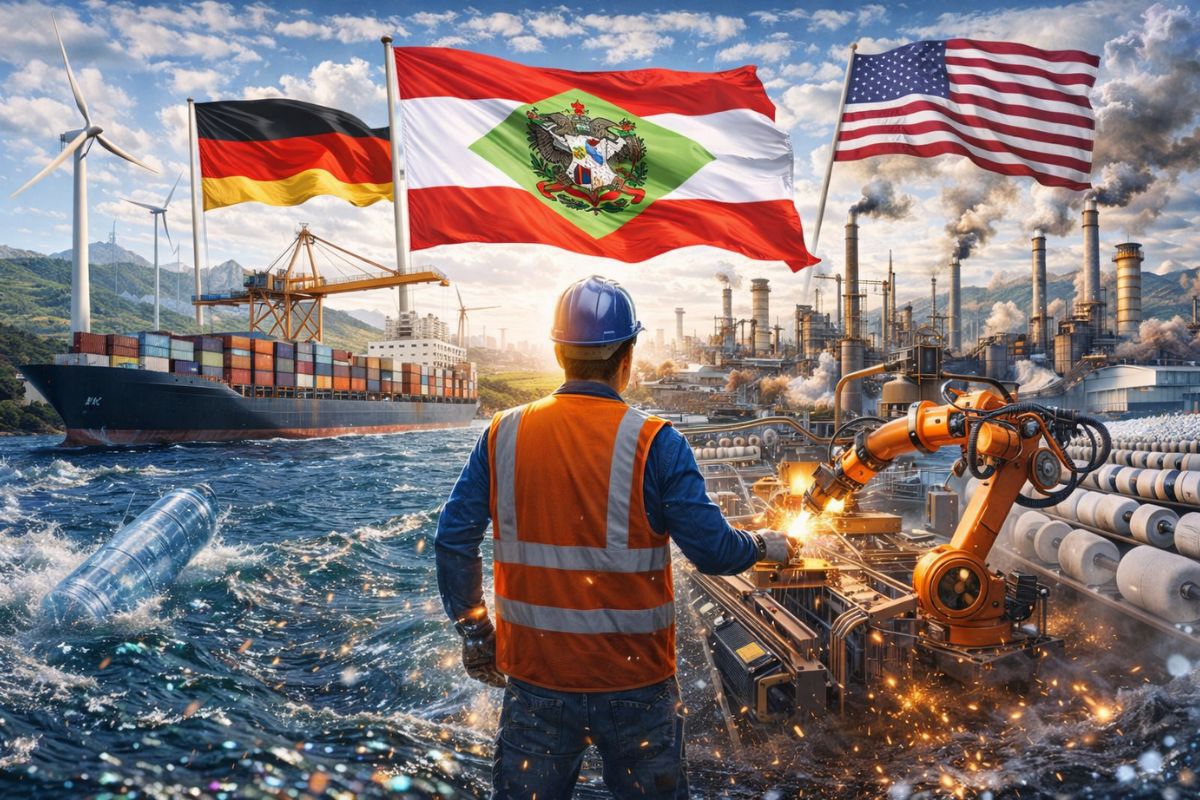
With A Goal To Clean 90% Of Ocean Plastic By 2040, The Ocean Cleanup Has Already Removed Over 45 Million Pounds, Expanded Systems Between Hawaii And California, Advanced To Critical Rivers And Cities, And Started Testing Scale To Reduce The Waste That Continues To Flow Into The Sea Daily.
The Ocean Cleanup has entered a decisive stage by combining record collection with the expansion of operational fronts. The project, created by Boyan Slat after gaining visibility in 2012, claims to have already removed over 45 million pounds of plastic waste from aquatic environments, aiming to remove 90% of floating plastic from the oceans by 2040.
At the center of the strategy is a practical question: how to stop a flow that doesn’t cease to enter the sea while also removing the backlog accumulated over decades. The adopted response was operational, using offshore capture, interception in rivers, and coastal cleanup in partnership with local organizations, communities, and companies.
How A Teenage Idea Became A Global Removal Structure

The journey begins with the restlessness of a young diver faced with the presence of more plastic than marine life in certain ocean areas. From this experience came the proposal that, years later, solidified as The Ocean Cleanup, an organization that received about 40 million euros and internationally projected its founder, now 31 years old, recognized by the UN with the title of Champion of the Earth.
-
With a façade that resembles a giant zipper, the building in Milan creates a sense of strangeness, featuring lighting that transforms engineering and attracts the attention of residents and tourists.

-
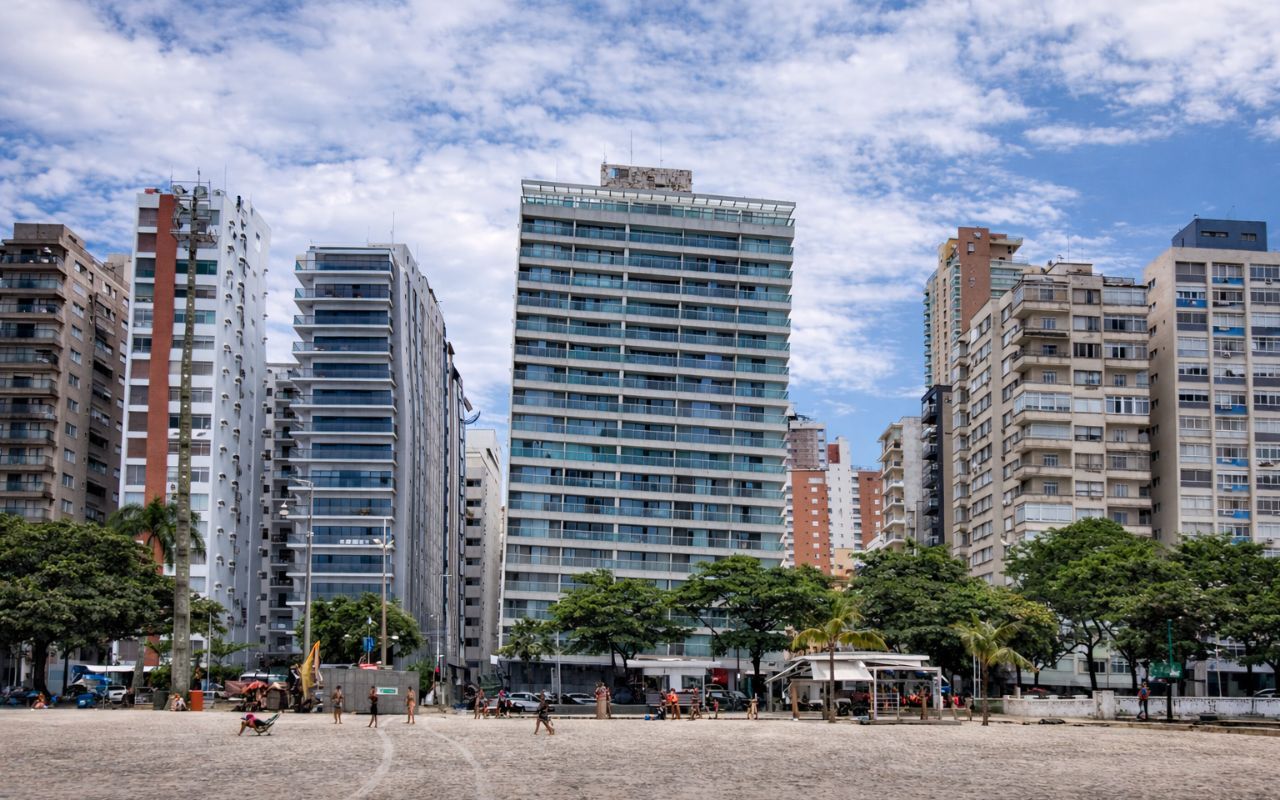
The Brazilian city has 319 crooked buildings built on sandy soil without proper deep foundations, houses the largest beach garden in the world, with over 5 km, and is still considered the birthplace of surfing — meet Santos, in São Paulo.
-
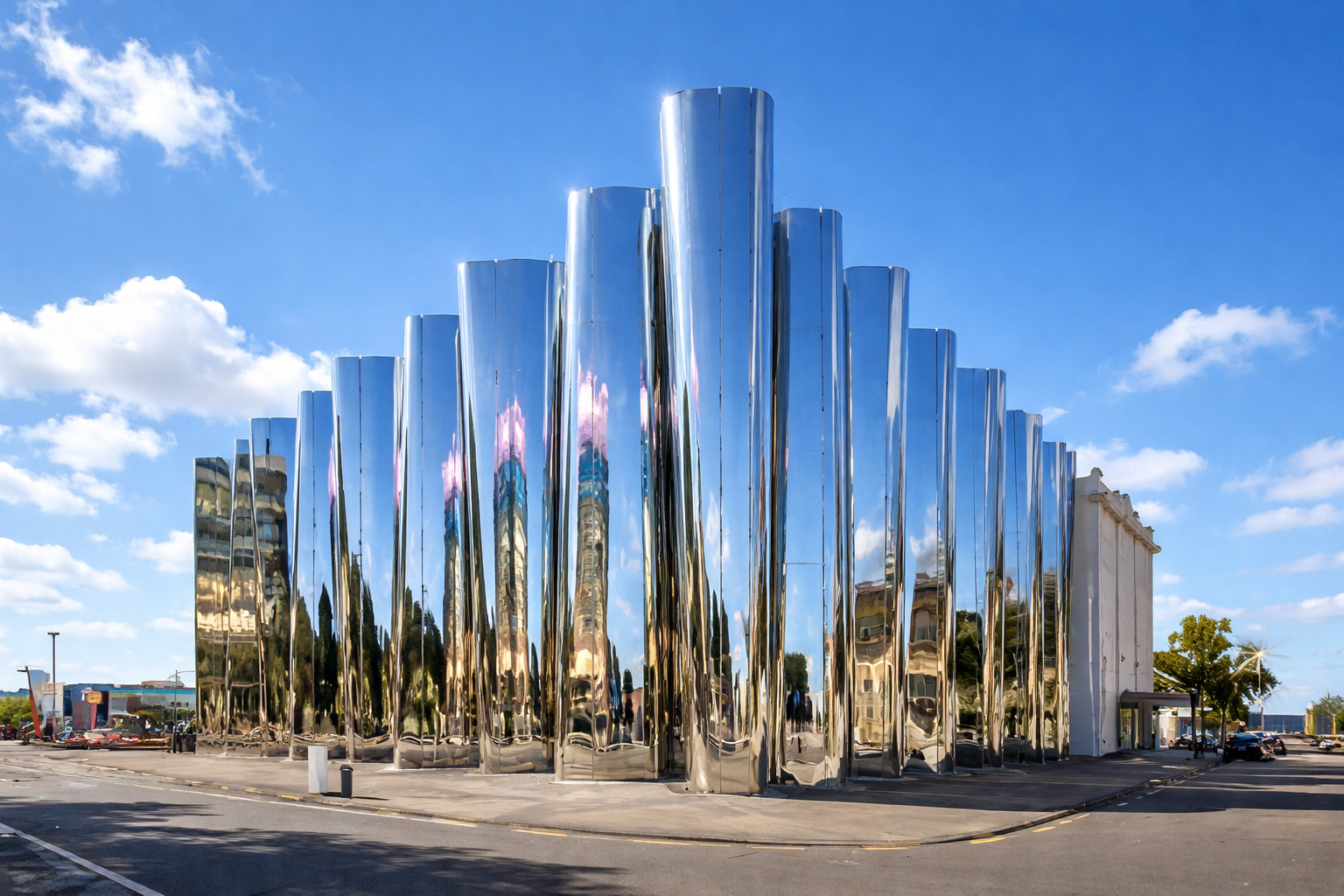
New Zealand builds a shimmering building that vibrates, featuring a 62-seat cinema, moving sculptures, and an environment where sound, light, and energy are felt in the body.
-
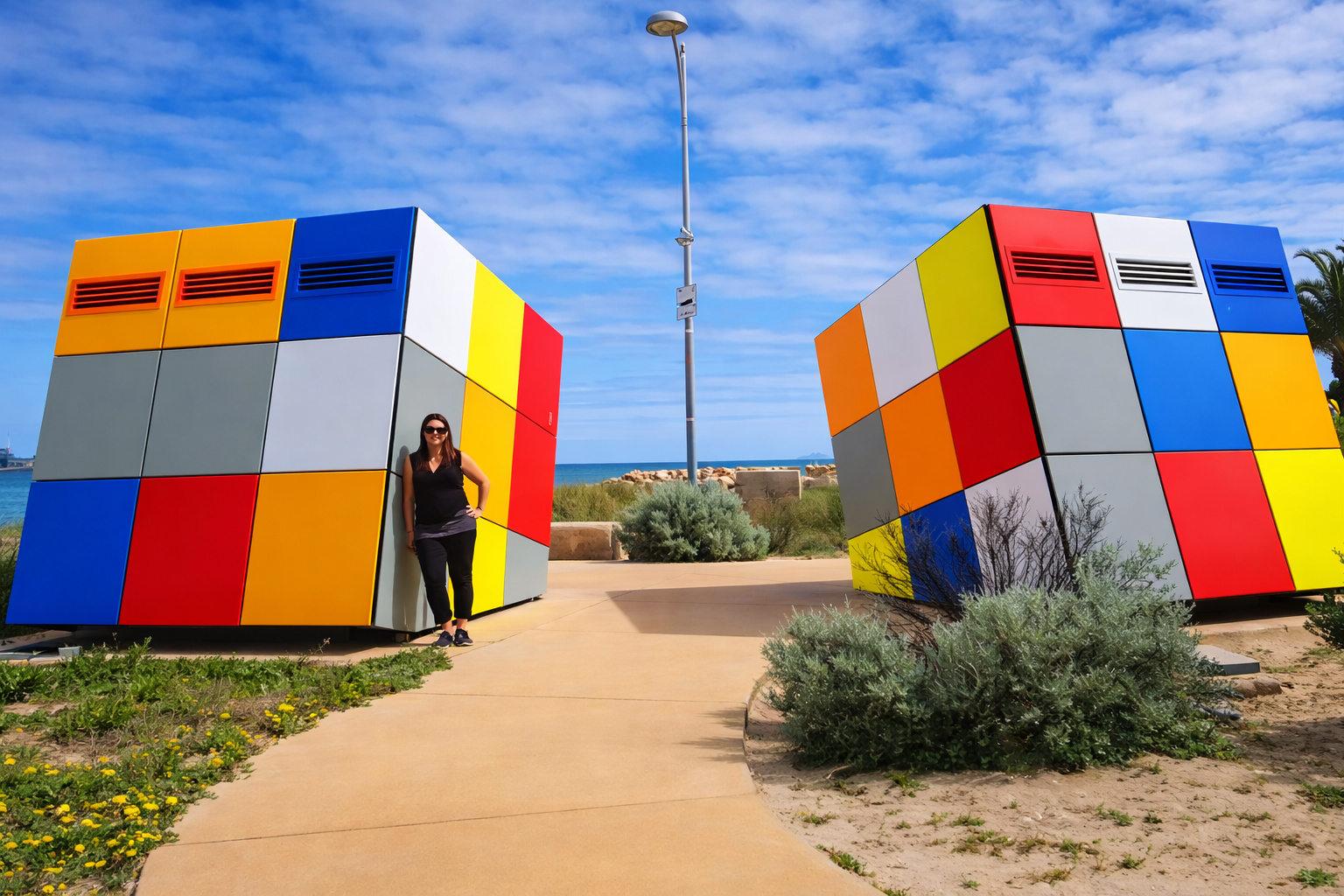
Two colored cubes of 2.5 m transform a public bathroom into a selfie spot in Western Australia, costing up to 75% less than traditional construction and helping to reduce vandalism in public spaces.

The advancement did not occur due to a single turning point but through cycles of testing, error, and adjustment. Scale Came When The Initiative Evolved From Being Merely A Concept To Operating As A System, with data-driven decisions and a focus on logistical efficiency. This explains why the project gained traction: it transformed environmental indignation into a continuous execution method.
The Laboratory In The Pacific And The Engineering Of Selective Capture

The main operational area is the Great Pacific Garbage Patch, a region between Hawaii and California estimated to be around 1.6 million km².
In this environment, The Ocean Cleanup uses systems known as interceptors and removal structures capable of capturing everything from small fragments to larger debris, such as discarded fishing nets.
The technical layer is crucial for performance. With mathematical modeling of ocean currents, the equipment can predict the movement of waste and position the collection more efficiently.
It Is Not Just About Removing Visible Waste, But Optimizing Time, Fuel, Route And Volume Per Operation, reducing waste and increasing productivity in each removal cycle.
What Recent Numbers Indicate About Pace And Capacity
In 2025, The Ocean Cleanup reported the removal of over 25 million pounds of waste from aquatic environments, raising the total to over 45 million pounds.
The data stands out not only for the absolute volume but because it indicates operational gains after years of technological development and evidence-based decisions.
Still, the very structure of the goal requires analytical caution. The organization claims that three systems are already active and that scaling up to ten units could enable cleaning the patch in the Pacific before broader steps in other regions.
The Challenge Is Not Just To Collect More, But To Collect Consistently And With Sustainable Costs, maintaining performance over time.
Why Acting In Rivers And Cities May Define The Outcome By 2040
The goal of 90% by 2040 depends on an integrated logic. If waste continues to flow into the ocean, merely removing what is already floating does not address the problem sustainably.
Therefore, The Ocean Cleanup has begun to reinforce interception in rivers and operations in urban areas that serve as entry corridors for waste into the sea.
Within this front, the 30 Cities program, presented at the UN Ocean Conference in Nice, targets urban centers with a significant contribution to marine pollution and the potential to reduce up to one-third of this flow.
The Strategy Shifts The Focus From The Symptom To The Source, bringing collection technology, local waste management, and public policies into a long-term effect connection.
Local Partnerships, Legacy Waste, And The Critical Point Of Permanence
The experience in Panama, in partnership with the NGO Marea Verde, illustrates how the operation depends on concrete territorial arrangements. In the Abajo River, the actions in seven basins aim to prevent waste from reaching the Gulf of Panama.
This design shows that replicating solutions requires local adaptation, context reading, and coordination among public and community actors.
Another central point is the so-called legacy waste, material that was already in the environment before current operations. To address this, The Ocean Cleanup has incorporated coastal cleanups with volunteers and partners, broadening the scope beyond offshore areas. Without Addressing The Historical Backlog, The Environmental Account Remains Open, even with improvements in containing new waste.
The operation of The Ocean Cleanup today combines three dimensions that rarely advance together at the same pace: collection technology, logistical scale, and local articulation. The Project Has Gained Global Relevance because it operates where the problem has already exploded and also where it begins, connecting sea, river, and city in a unique strategy.
In Your View, Which Front Should Receive Immediate Priority To Accelerate Real Results: Expansion Of Equipment In The Ocean, Blocking In Urban Rivers, Or Municipal Waste Management? And, Looking At Your Region, What Concrete Change Would Most Quickly Reduce The Entry Of Plastic Into Waterways?






Expansão de equipamentos no.oceano
Educação
Com certeza os Rios urbanos, principalmente aqui no Brasil tem e deve ter uma gestão de coleta, reciclagem e combate aos esgotos clandestinos e novos despejos, além de uma longa e contínua educação e conscientização popular do descarte de lixo, principalmente sólidos, plástico, materiais eletrônicos etc.