





 Portuguese
  English
  Spanish
 2 min of reading


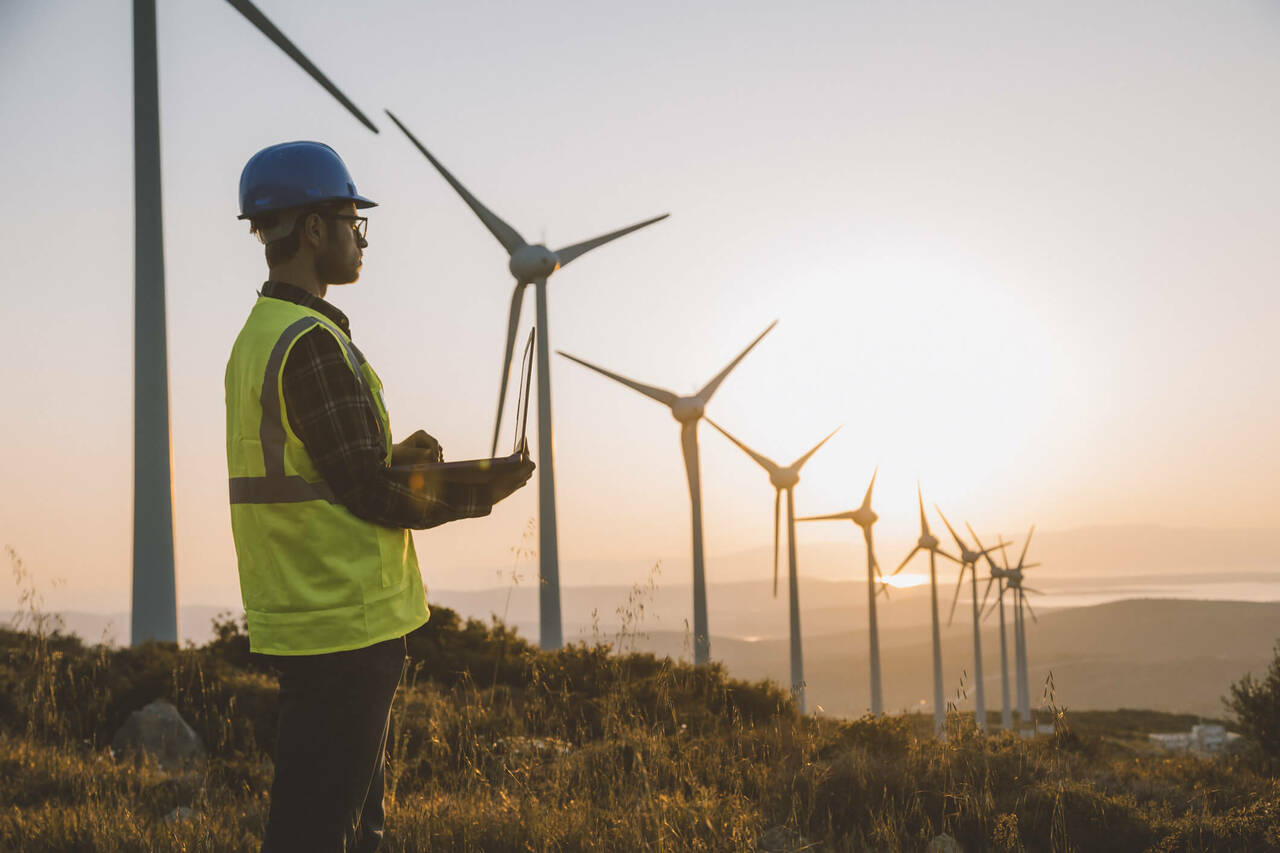
Wind Power Project in Rio Grande do Sul Could Reach R$ 2 Billion in Investments
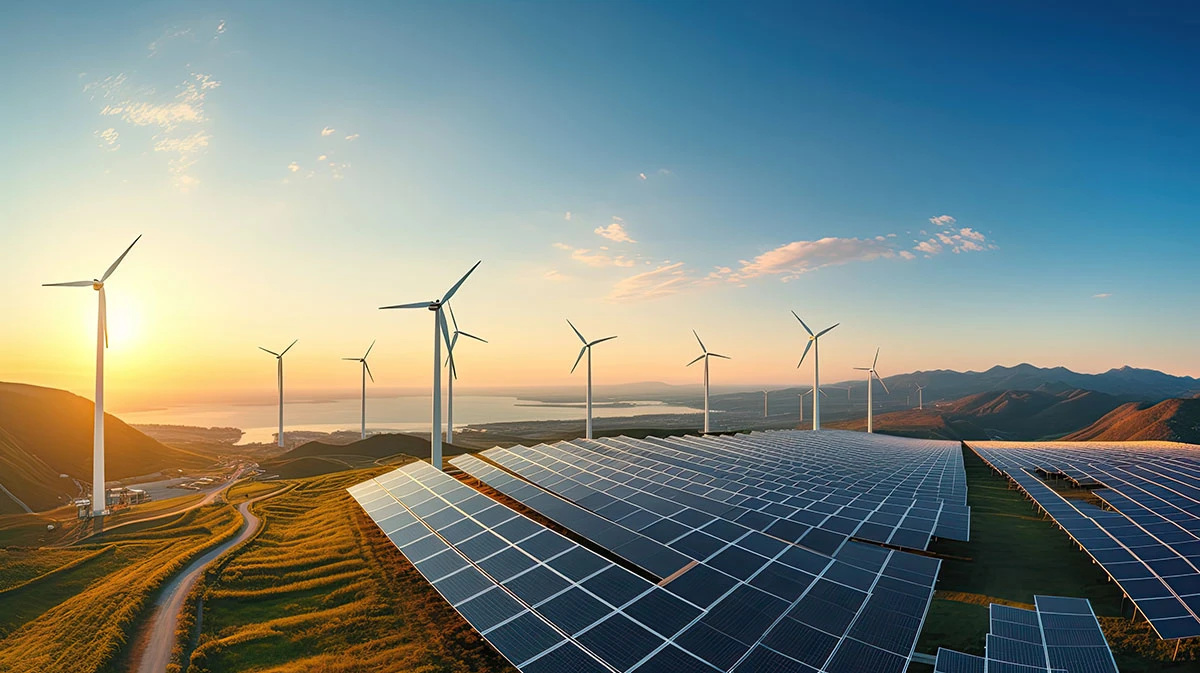
The investments for the new wind power project in Rio Grande do Sul come from the company Integra Energia, owned by João Nunes Ramis from Rosário, in partnership with the Cooperativa de Geração de Energia e Desenvolvimento Creral, based in Erechim-RS. The construction of the wind farm, if feasible, could reach R$ 2 billion in investment.
Read Also
The wind turbine has a reach radius of 10 km. Within this range, more properties can be included in the initiative.
Despite the Pandemic, Construction Advances and Should Unblock the Wind Energy Sector in Rio Grande do Sul
Shaken by infrastructure difficulties in recent years, wind energy shows a glimmer of optimism in Rio Grande do Sul. After ups and downs, the State is seeing progress in crucial works to unlock electricity generation projects from wind. These investments are part of a package with a planned investment of R$ 5.3 billion in new transmission lines and substations.
-
New mapping reveals the Brazilian states with the greatest potential for the production and use of green hydrogen in Brazil to lead the global market.
-
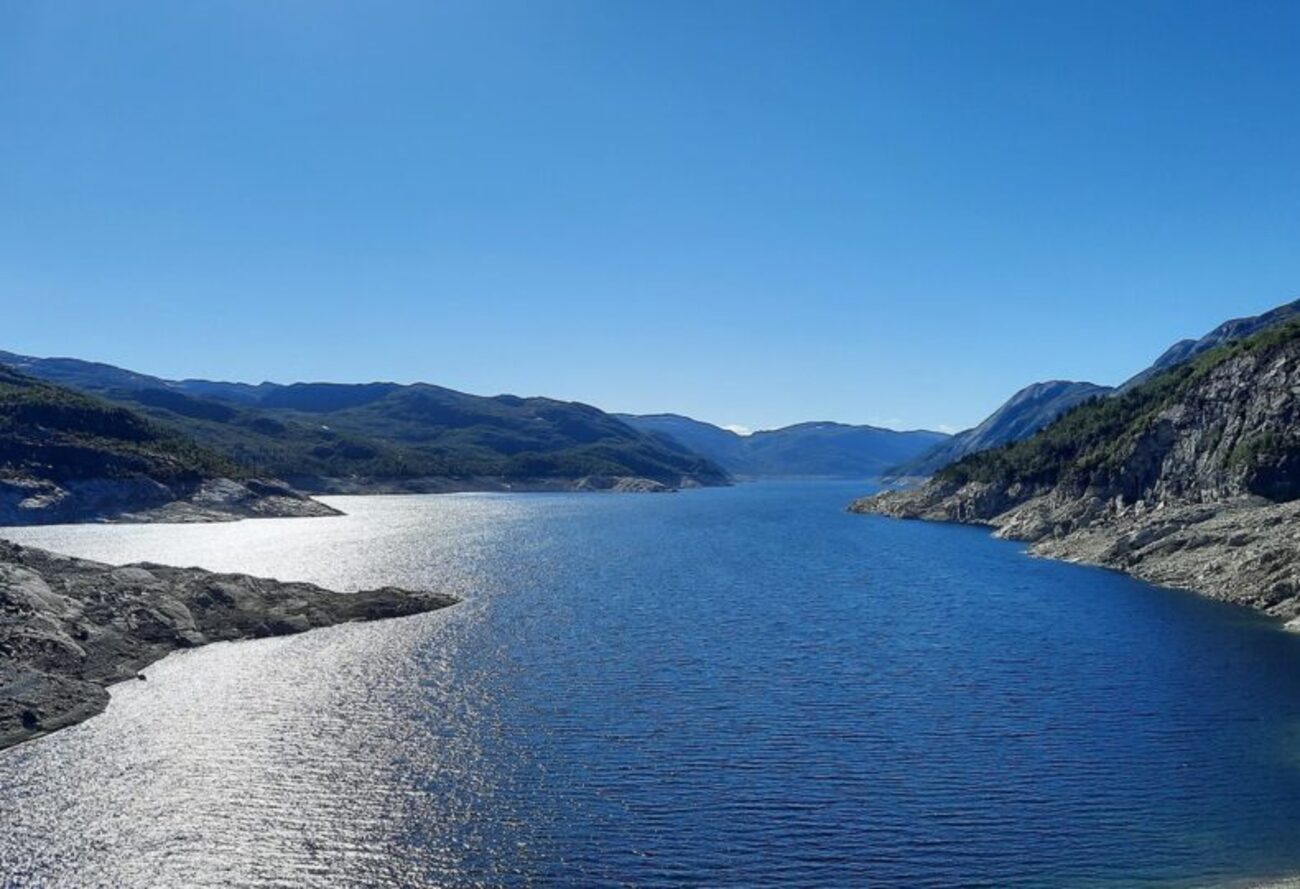
Historical drought and lack of snow in the Norwegian Alps threaten the largest clean energy reserve in Europe and could drive up electricity prices.
-
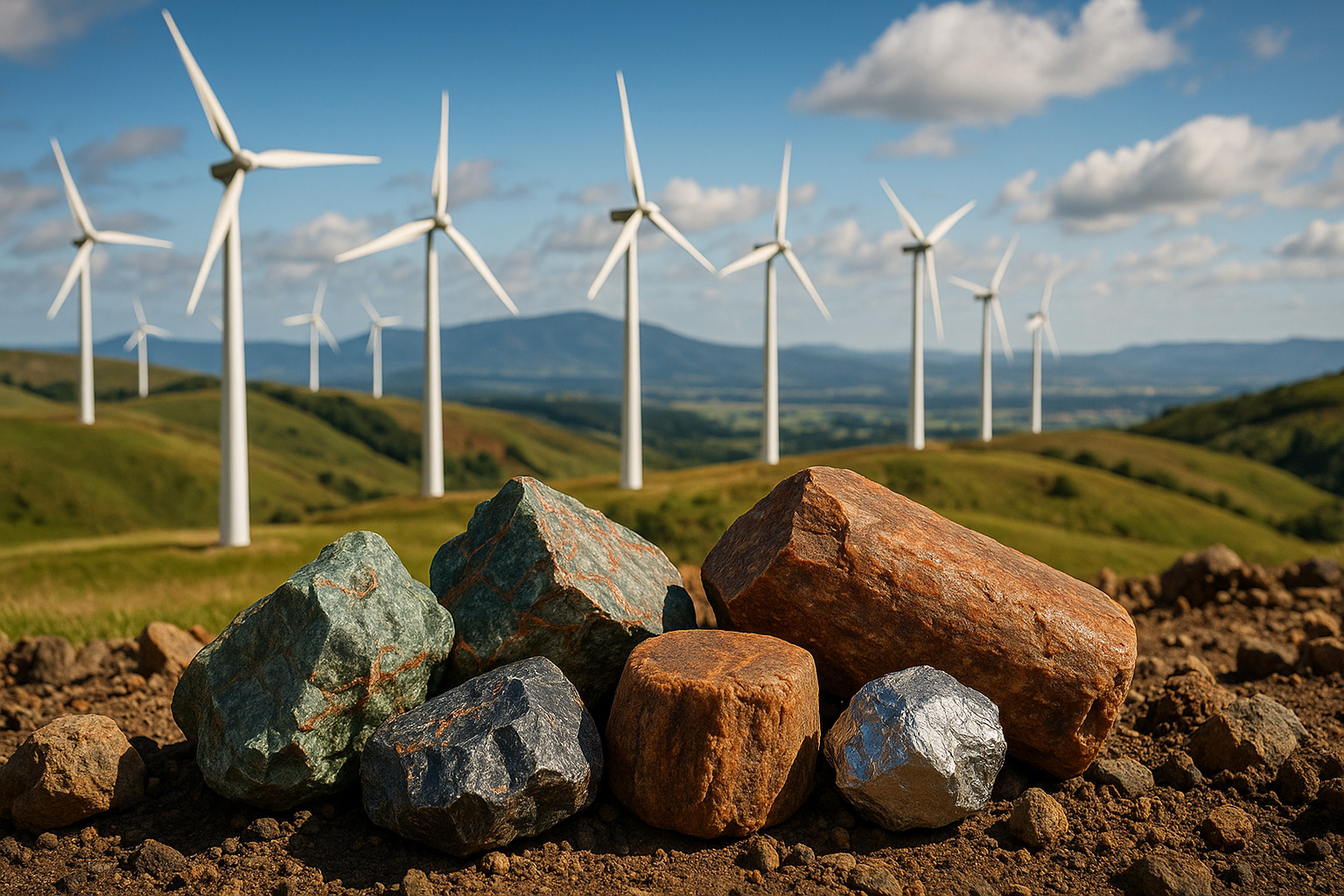
The Brazilian state accelerates industrial competitiveness with a focus on the extraction of strategic minerals to boost the energy transition in Goiás.
-
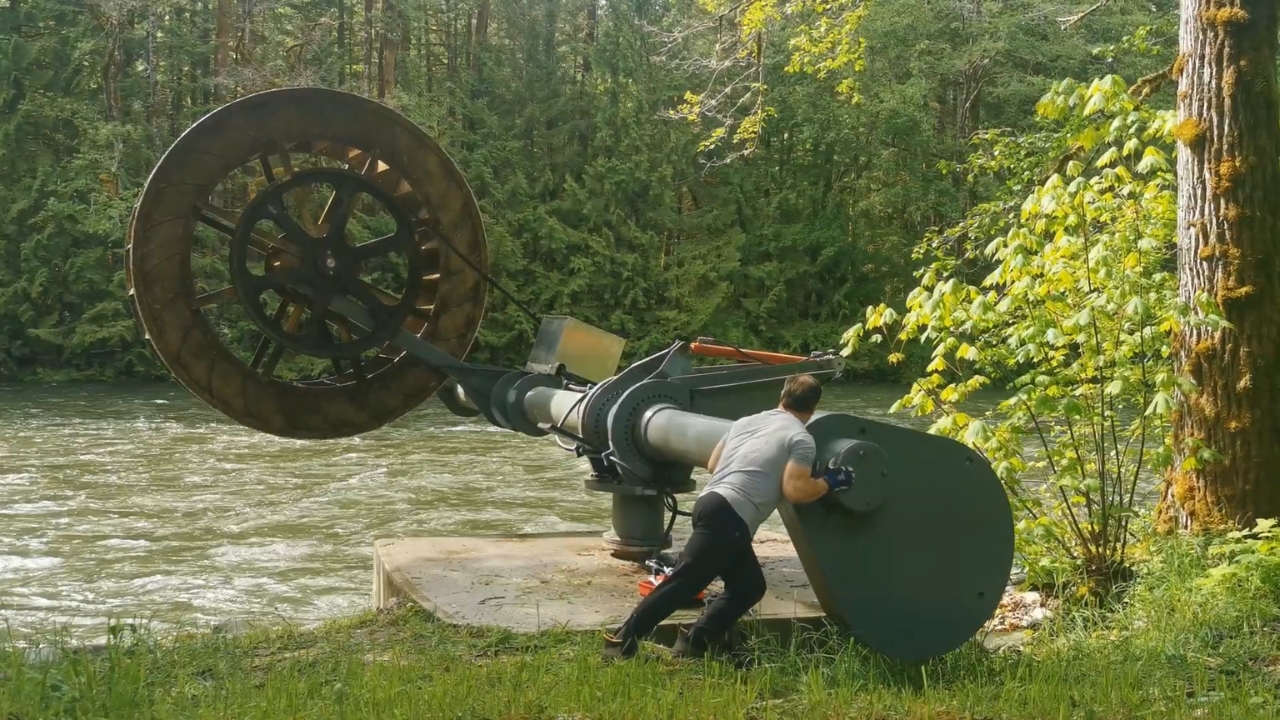
A Canadian retiree creates a hydroelectric system on a real river, generating energy continuously throughout the day and demonstrating how the power of water can supply a house with stability even in a simple structure.
The state government and the companies involved state that investments continue during the pandemic, despite the restrictions imposed by the coronavirus. The works belong to five lots of projects auctioned in December 2018 by the National Electric Energy Agency (Aneel).
Investments in the Community
The deal is beneficial for the producers but also helps small farmers in the region. This is because part of the money invested by wind energy companies comes from loans from the National Bank for Economic and Social Development (BNDES).
As a result, a small portion of the loan, between 0.5% and 1%, must be invested in socioeconomic projects within the communities located inside the wind farms.
An example of this investment is found in the Serra do Mel settlement, established in the 1960s and home to 23 villages and a population of 2,400 families.







Seja o primeiro a reagir!