Portuguese
  Spanish


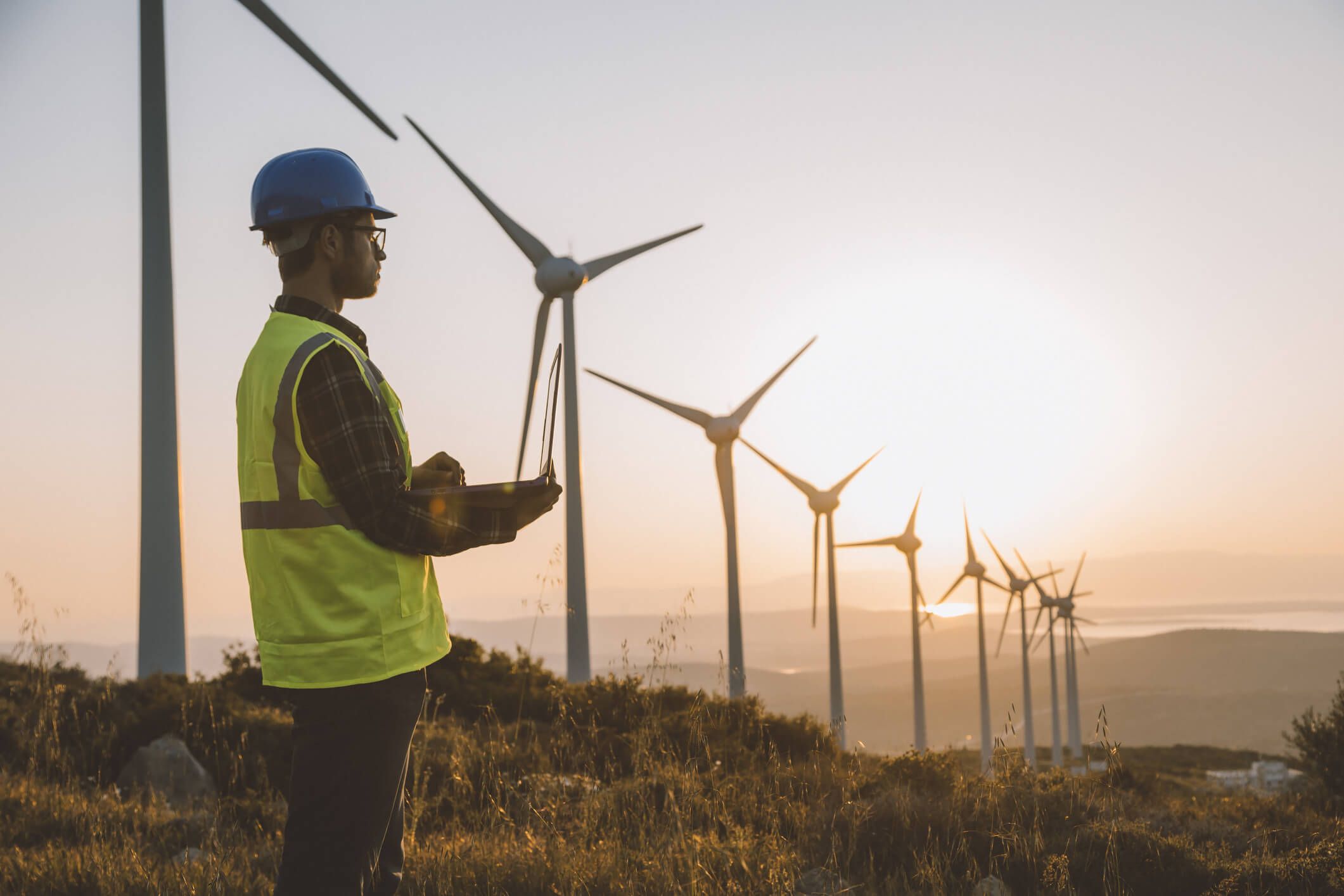

Wind Energy, The Second Source of Electricity in Brazil, Behind Hydropower, Represents 19 Thousand Jobs in Brazil
Despite the decline, Brazil remains among the top 10 users of wind energy in the world. This segment ranks behind China, Germany, the United States, India, the United Kingdom, Denmark, Mexico, Spain, and the Philippines. The report states that before the onset of the COVID-19 pandemic, the wind sector was expected to expand due to planned installations.
Also Read
- Implementation of Wind Farm in Paraíba That Could Generate 1,200 Job Vacancies During Construction Discussed by Governor João Azevedo
- Iberdrola to Invest About 6.5 Billion Euros in Brazil Over the Next 5 Years
- Resume in Hand or by Email to Apply for 80 Job Openings Requiring Elementary, Secondary, and Higher Education in Construction and Other Areas in Paraíba
More than half of the wind energy market is located in the Northeast. About 80% of this market is situated in the Northeast region, which has the best wind conditions. The report indicates that local containment requirements and subsidized services for project developers have strengthened the national supply chain for wind turbines.
It also has a high impact on tower production and a more moderate effect on the manufacturing of wind turbines. The domestic content of the Brazilian wind sector is currently estimated to be 80%.
-
After a Year of Success in Switzerland, Solar Railway Attracts Italy’s Interest for Clean Energy Transformation

-
Robots Clean Solar Panels in Desert Power Plants Without Water, Preventing Energy Losses
-
Brazil’s Offshore Wind Energy Potential Worth $1 Trillion Stalled by Long-Delayed Agreement

-
World’s Largest Engie Solar Plant in Brazil Highlights Billion-Dollar Energy Waste Issue: Company Considers Batteries and Bitcoin Mining to Avoid Wasting Production

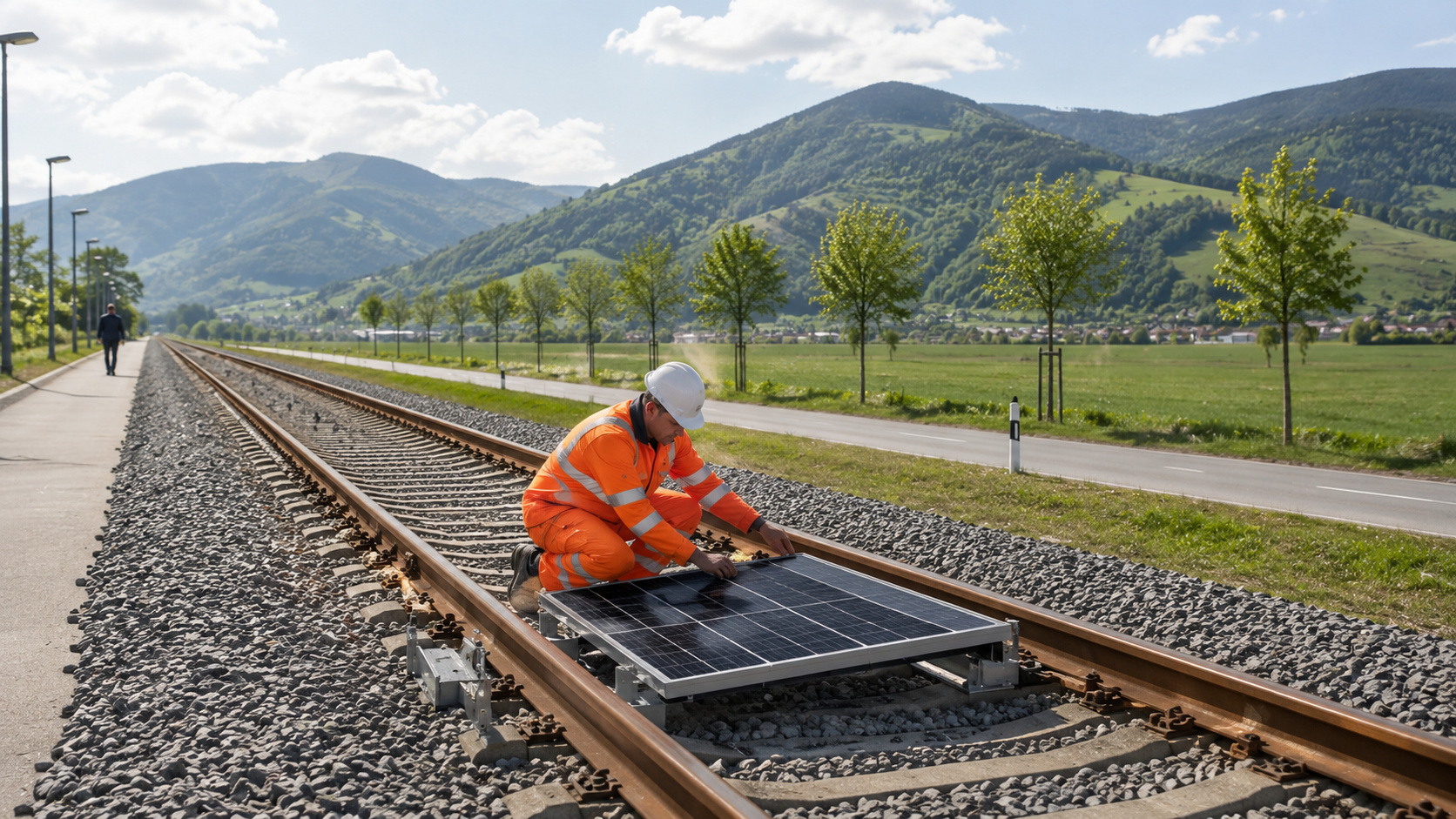


Vestas, Siemens Gamesa, Nordex and GE Are the Main Manufacturers of Wind Turbines in Brazil
Brazil continues to be the second-largest country employing in renewable energy. If we add the numbers from all the countries in the European bloc, Brazil would still lead globally, occupying third place. In 2019, there were 1.158 million people working in some form of green energy in Brazil, which accounts for 10% of the global workforce employed in renewable energy.
The data comes from the latest report by the International Renewable Energy Agency. Of the 11.5 million of this type worldwide, up from 11 million in 2018, 4.3 million are in China, 1.316 million in the European Union, 833,000 in India, and 756,000.
This Summarizes the Five Largest Employers in Wind Energy Worldwide
Among the largest employers, only the United States lost jobs: 100,000 jobs were lost between 2018 and 2019. Brazil added about 30,000 in the same period; the European Union added 80,000; India added over 100,000; and China added 300,000. Photovoltaic solar energy, which had 15,000 installed in Brazil in 2018, jumped to 44,000 in 2019. Concentrated solar power still has no presence in Brazil.
Thus, Brazil, which did not appear in the ranking of the most successful in the last report, now ranks among the largest employers in the sector, behind China – with 2.2 million employees – Japan, the U.S., India, Bangladesh, Vietnam, and Malaysia, along with Germany and the Philippines. According to IRENA, supply offers in the photovoltaic solar energy sector increased by 4% globally last year, accumulating 3.8 million work hours.