





 Portuguese
  English
  Spanish
 3 min of reading



The Minha Casa Minha Vida (MCMV) Program and Incomplete Works Will Have Greater Protection Against Budget Cuts, Claimed Claudio Cajado (PP-BA), Rapporteur of the New Fiscal Framework Project (PLP 93/23).
The proposal presented last Tuesday (16) establishes that 70% of the primary surplus exceeding the target set two years prior will be directed to these two areas, provided it does not exceed 0.25% of the Gross Domestic Product (GDP), which represents about R$ 25 billion in the case projected for 2023.
Resources will be prioritized for works that are incomplete or underway, receiving a minimum amount corresponding to the budget law for 2023, which is approximately R$ 78 billion, adjusted according to inflation measured by the IPCA.
Amid the COVID-19 pandemic, over a million people in Brazil were evicted or threatened with eviction. The Minister of Cities, Jader Barbalho Filho, announced at the beginning of January this year the return of the MCMV and stated that the government has secured R$ 10 billion for investments in the area in 2023.
-
Woman enters abandoned houses for 16 years that no one dared to visit: beautiful project and logical layout, interior mold-free, possible resort; after exploring, decides to buy everything for €32,000 and surprises the entire village.
-
France takes 129 tons of gold from New York, profits $15.1 billion, and raises alarms in Europe fearing to leave reserves under U.S. control.

-
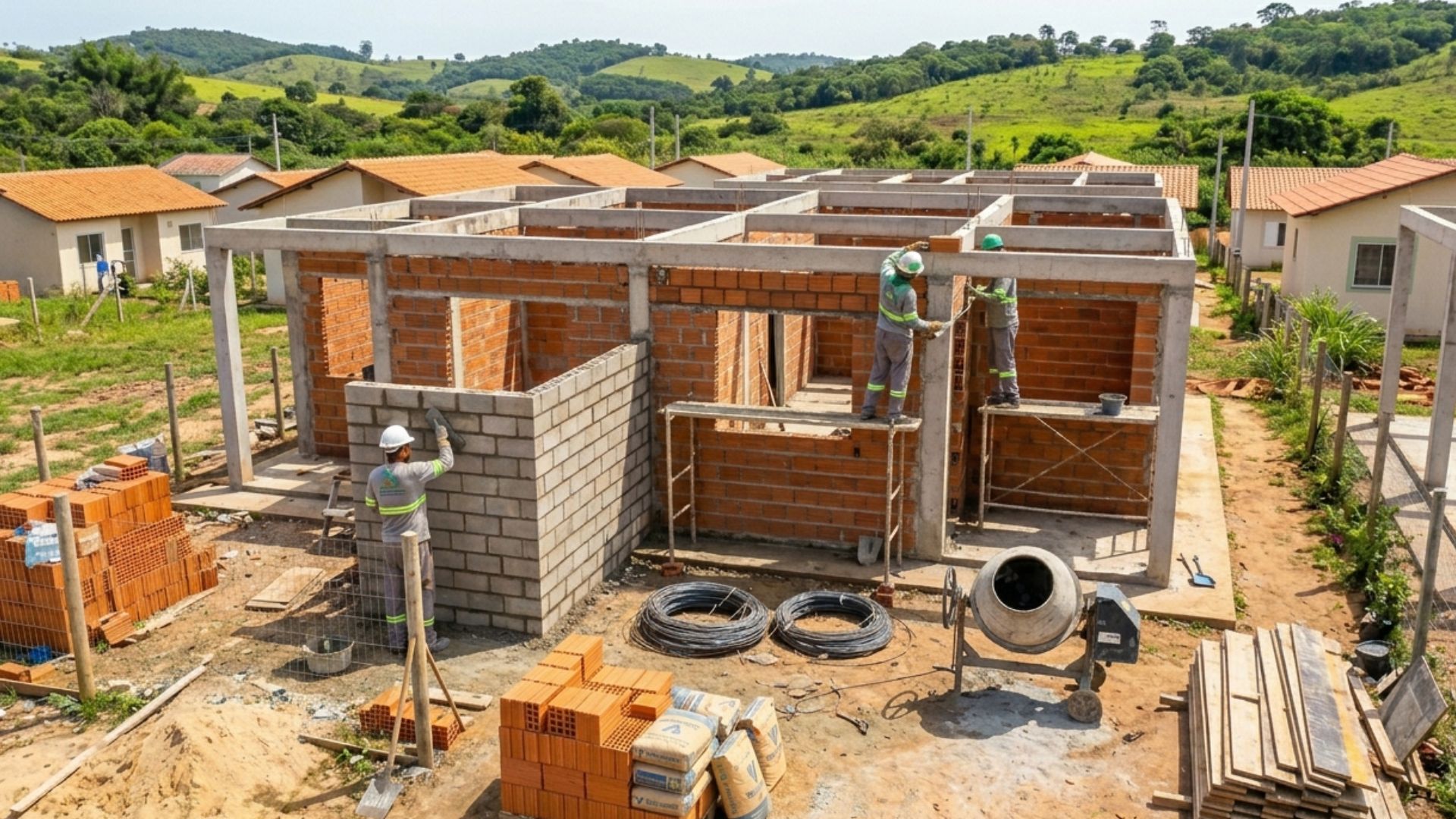
Simple 2-bedroom house: a study of the construction sector reveals the real cost that few expect and shows how strategic decisions can prevent losses and ensure significant savings in the dream of homeownership.
-
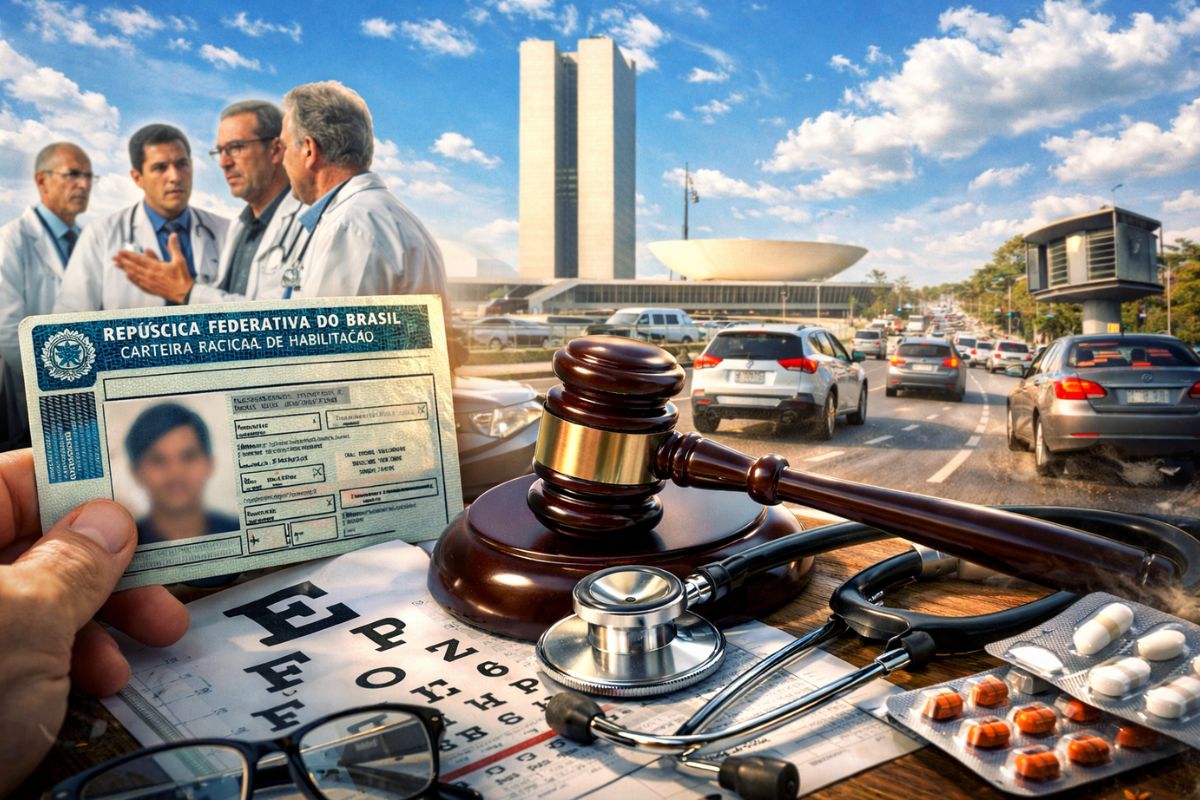
35 medical entities criticize the MP that automatically renews driver’s licenses without fitness exams: they say that diseases do not show up in fines; Congress analyzes RNPC after 38,253 deaths and a cost of R$ 400 million directly to SUS.
During the Ceremony, the Minister Emphasized that Brazil Has a Housing Deficit of 5.9 Million Homes and that MCMV, Created by the Lula Government in 2009, Contracted 4.2 Million Residences by 2016.
The MCMV is a Federal Housing Program aimed at the construction, renovation, and acquisition of properties for low-income families. In 2020, former President Jair Bolsonaro even changed the name of the program to Casa Verde e Amarela but maintained its essence.
Representative Claudio Cajado reinforced that the protection of MCMV and incomplete works is an important and urgent measure due to the need for economic recovery and because it is a public policy that benefits millions of Brazilians.
Cajado highlighted that the measure will not harm the country’s fiscal health, as the allocation of the primary surplus will be within the limits established by the Fiscal Responsibility Law.
The Deputy Also Highlighted that Changes to the Fiscal Targets Annex Integrated into the Budget Guidelines Law (LDO) Should Be Present in the Proposal.
The annual targets for the next three years, the medium-term fiscal framework with projections of fiscal aggregates, the expected effect of meeting the primary result targets on the public debt trajectory over a ten-year period, the tolerance intervals for annual primary result targets, and the budgetary limits and parameters for all powers and public agencies are examples of the changes.
The fiscal policy aims to ensure the sustainability of public debt. This is evaluated by the ratio between General Government Gross Debt (DBGG) and the Gross Domestic Product (GDP). The DBGG is calculated by the Central Bank and includes the total value of debts of the federal, state, and municipal governments that incur interest payment obligations.
The MCMV is an important program for the Brazilian population, especially for low-income families who have difficulty finding housing suitable for their needs. Therefore, its protection against budget cuts is a necessary measure that must ensure the continuity of the Program. Brazil needs to invest in public policies of this nature so that the most vulnerable population has access to minimal conditions for a dignified life.







Seja o primeiro a reagir!