





 Portuguese
  English
  Spanish
  5 min of reading
  0 comments


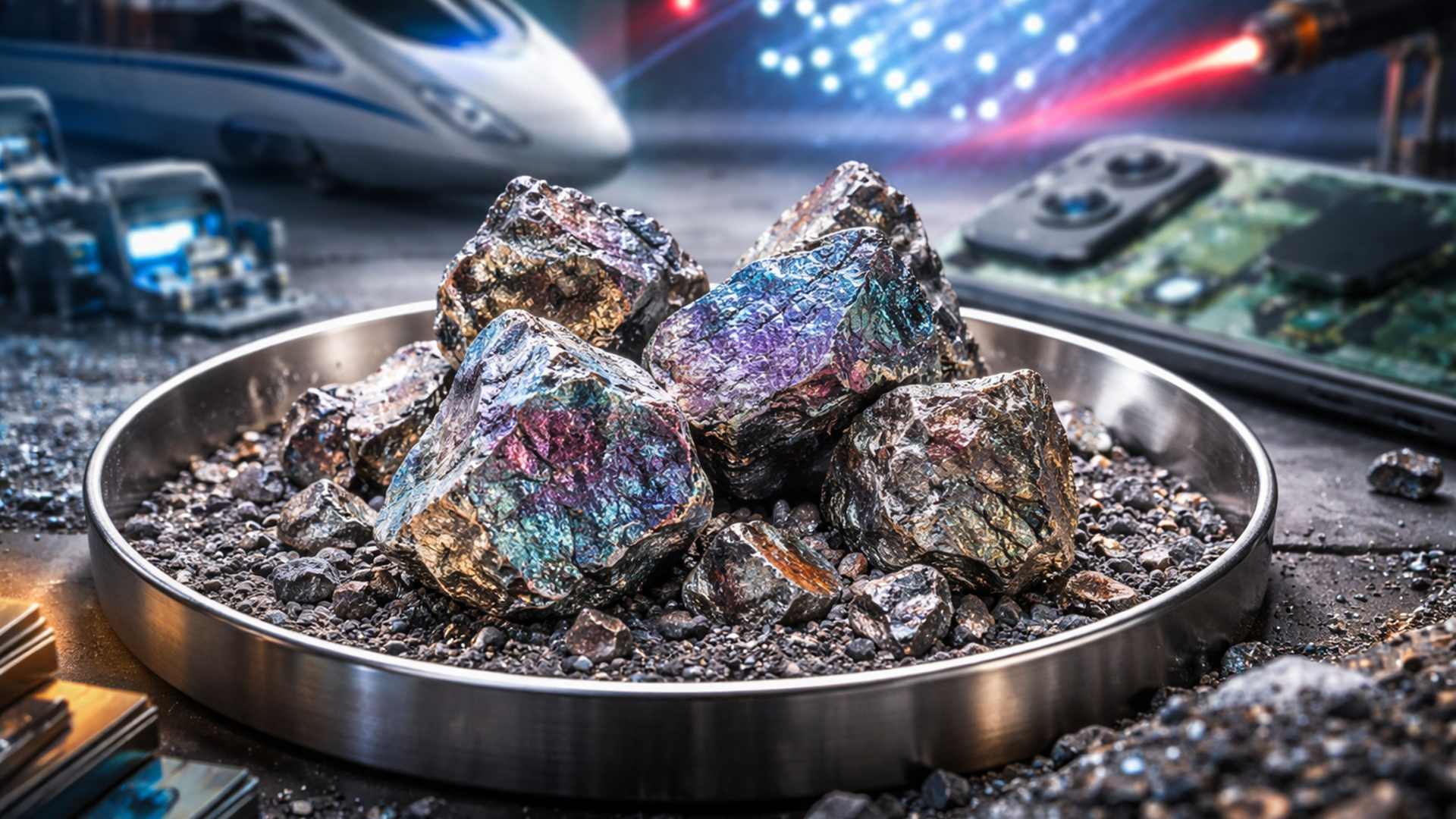
Rare earths, a group of 17 elements used in cell phones, trains, lasers, fiber optic cables, and military equipment, have returned to the center of global dispute due to Chinese dominance in processing, pressure on the supply chain, and the search for new sources in the waste of old mines
The dispute over rare earths has gained new weight in the global debate due to the role of these elements in everyday technologies, industrial equipment, and military systems, as well as the growing concern about supply, processing, and Chinese influence in this market.
Despite the name, rare earths are not exactly rare in the Earth’s crust, but the difficulty of safe extraction and processing at scale helps explain why the topic has become central in economic, environmental, and geopolitical discussions.
Rare earths comprise 17 chemical elements. Among them are scandium, yttrium, and the 15 lanthanides, which range from lanthanum to lutetium in the periodic table.
-
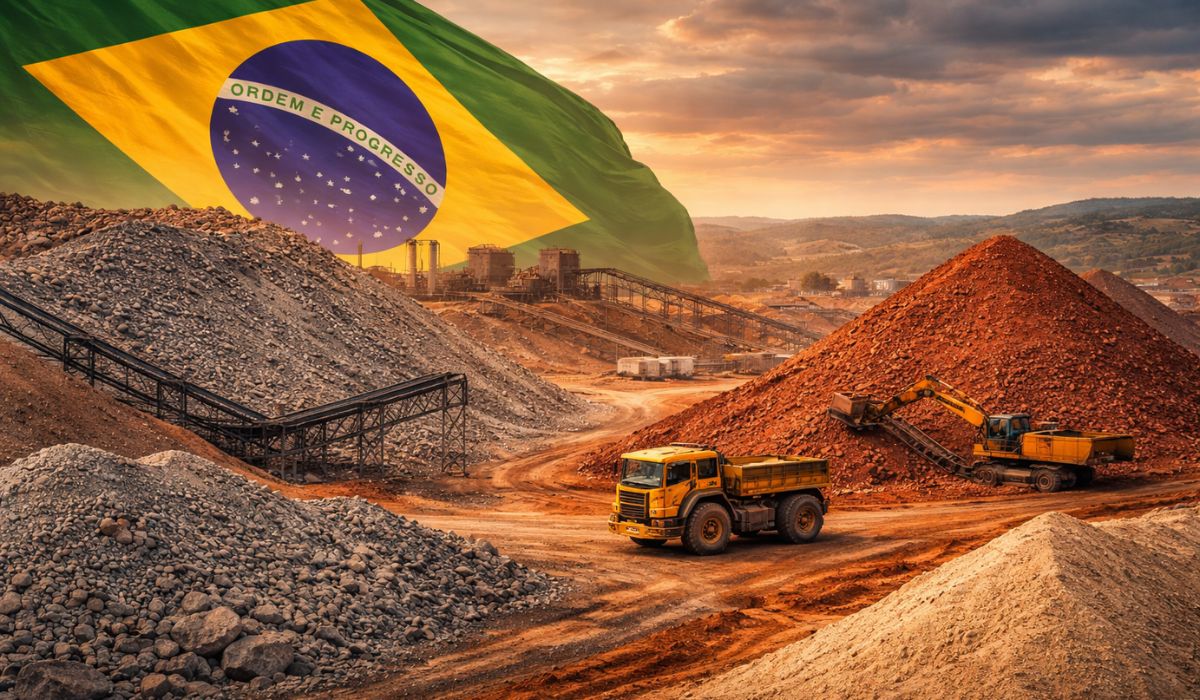
Brazil extracts 26.3 million tons of ore from what was previously treated as waste, transforming residues into wealth, producing over 3 million tons of sand, and demonstrating how national mining is relearning to generate value.
-
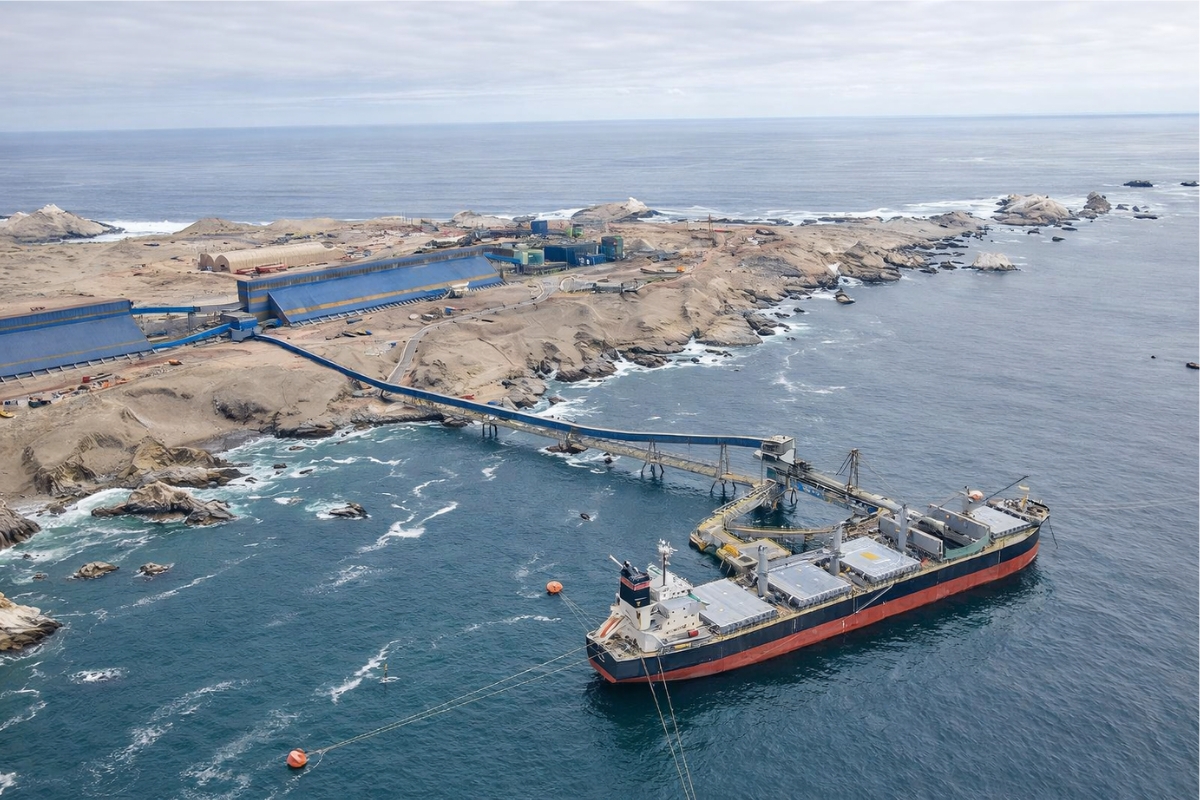
A $3.5 billion megaproject in Latin America pumps desalinated seawater at 1,050 liters per second over 194 km to keep a copper supermine in the Andes operational for another 20 years.
-
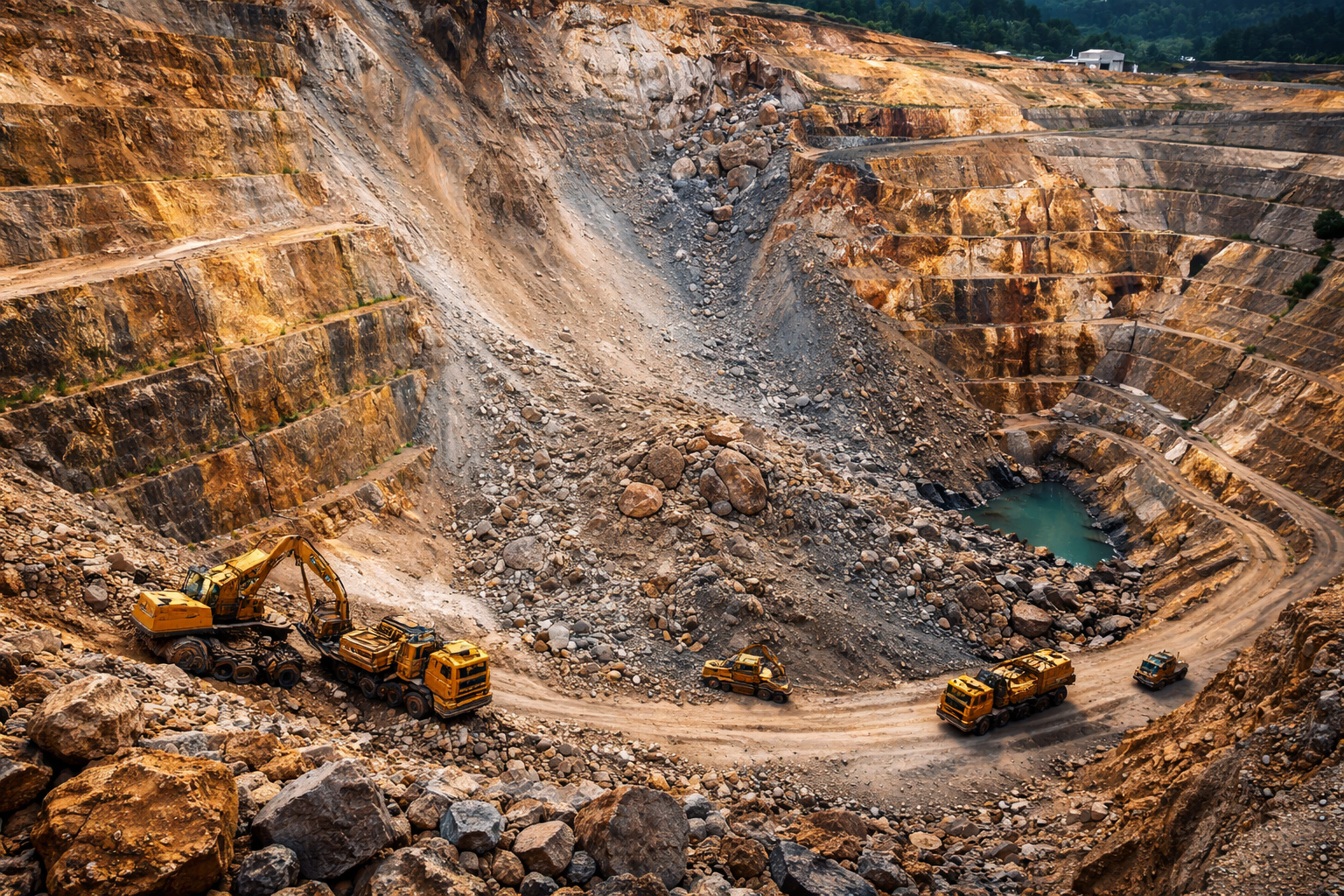
A hidden mine in the Andes valued at nearly R$ 1 trillion is starting to attract global attention, containing copper, gold, and silver, and raises an intriguing question: why do Argentina and Chile need to act together to exploit this gigantic wealth?
-
A silent discovery in the interior of Bahia could change the future of energy in Brazil: a uranium reserve in Lagoa Real has an estimated capacity to produce 400 tons per year and is already attracting the attention of energy sector specialists.
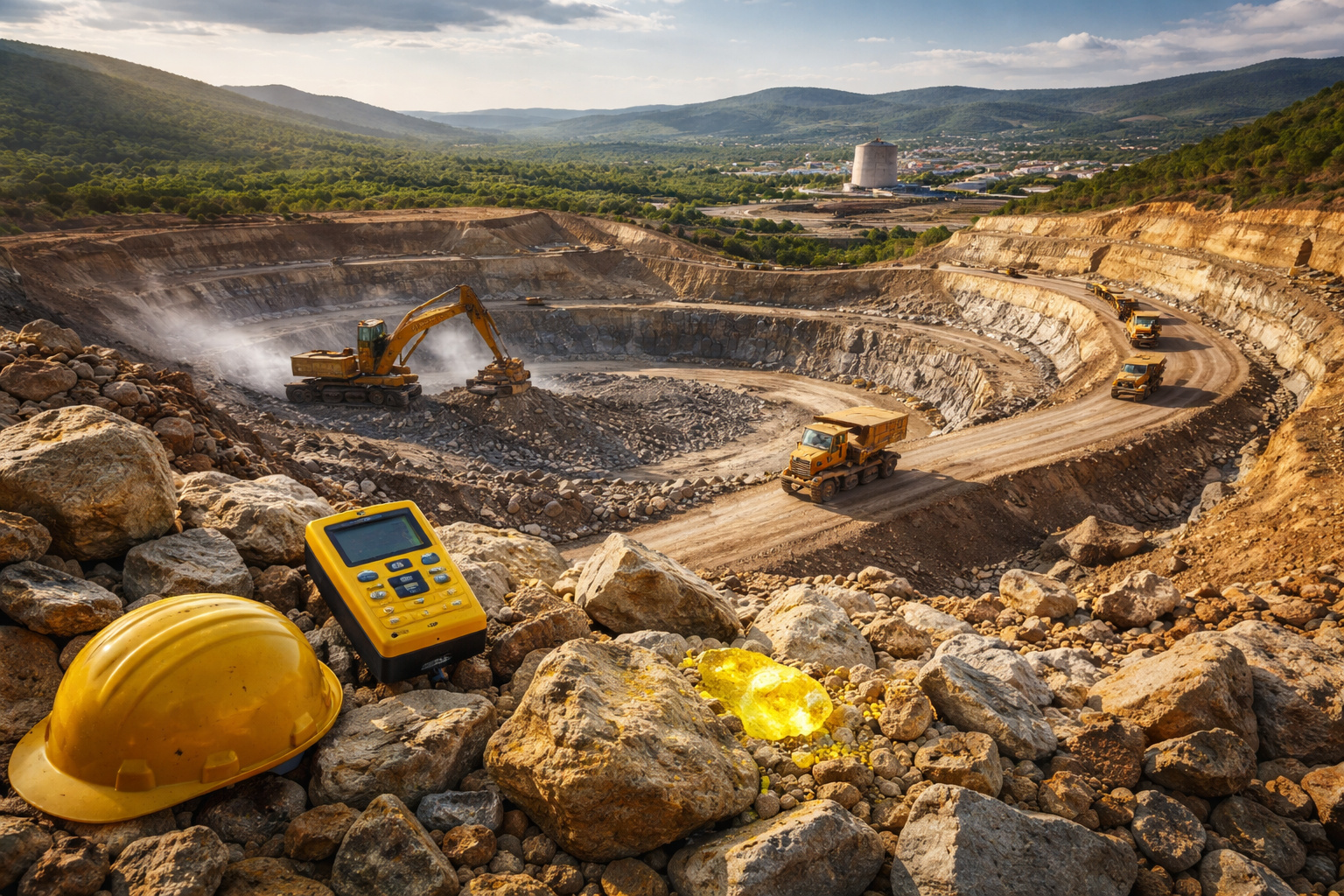

Many share magnetic, conductive, and optical properties that allow their use as coatings and additives in metal alloys, glasses, and other materials employed in a wide variety of modern technologies.
These elements appear in jet engines, LED lights, fiber optic cables, lasers, and various military technologies. In some cases, rare earths are considered irreplaceable, especially in applications that depend on high magnetic performance and miniaturization of components.
Neodymium and praseodymium, for example, have enabled the manufacture of super-powerful magnets used in phones, computers, high-speed trains, and magnetic resonance imaging machines.
Even applications less associated with high technology depend on these materials. Car seat belts use rare earth magnets, not due to a specific engineering requirement, but because that was the type of magnet available when the retraction mechanism was developed.
What are rare earths and why they matter
The significance of rare earths lies less in their name and more in their practical utility. They support a chain of technologies ranging from electronic devices to medical and transportation equipment, as well as systems used by armed forces. This helps explain why their presence in the global economy is treated as strategic.
The term “rare earths” dates back to the 18th century when yttrium was discovered in Sweden. At the time, these elements were considered rare because they were still unknown, but today it is known that they are distributed in various parts of the world.
In elemental and mineralogical terms, they represent a considerable portion of the matter that makes up the Earth’s crust, and the most used types are as abundant as copper or lead.
The problem lies elsewhere. The geological conditions that concentrate rare earths at higher levels can also concentrate radioactive materials, making extraction more difficult, increasing risks, and raising costs to recover these resources safely.
Why the name is misleading and the market seems unstable
Although extraction is complex, this does not mean that rare earths are expensive metals. They are often traded at values much lower than precious metals like gold and platinum. In China, which holds 30% of the world’s proven rare earth reserves, mines can discard up to half of the extracted material because prices do not justify the effort to recover a larger share of the resources.
The perception of scarcity gained strength in 2010 when a diplomatic dispute led China to temporarily cut Japan’s access to rare earth elements. The episode was brief but had a strong impact among technology manufacturers and fueled a narrative of vulnerability that continued to influence policies in the following years.
This sense of threat was amplified by the cultural context of the time. Just a few months earlier, in December 2009, the film “Avatar” had hit theaters with a plot centered on the exploitation of an extremely valuable material called “unobtanium.” The coincidence between the film’s success and the diplomatic crisis helped popularize a dramatic view of the topic.
China’s role in supply and processing
Chinese dominance in the sector does not stem solely from the presence of reserves. Rare earths are spread around the world, but China has built a disproportionate position in the crucial intermediate stages to transform the rock extracted from the ground into useful technological components. It is in this infrastructure and processing expertise that the country’s main strength in the market lies.
Moreover, other countries and sectors have helped sustain this strengthening by maintaining the trade of these materials. The continuity of these relationships is of interest to both buyers and sellers, which reduces the likelihood of prolonged disruptions in international supply.
Price fluctuations and supply chain issues tend to occur episodically rather than continuously. For companies located inside and outside of China, commercial interest favors the maintenance of ties, as isolation can harm the very businesses involved in the rare earth sector.
Mining waste could become a new source of rare earths
In the United States, a promising possibility lies in recovering rare earths and other important minerals from the waste accumulated in old and operating mines. A recent study indicated that a good portion of domestic demand could be met by utilizing this already discarded material.
The proposal combines economic interest with a potential environmental gain. Instead of relying solely on new mining fronts, recovery from waste could allow for the reuse of resources already available in problematic and abandoned areas, transforming old liabilities into a source of supply.
This path is also linked to a broader agenda of transitioning away from fossil fuels and mitigating climate change.
The discussion includes how much of the raw materials needed for solar panels and wind farms is already being used today in technologies harmful to the climate, such as equipment aimed at oil extraction and refining.
The assessment presented indicates that there are viable paths to reconcile the expansion of necessary technologies, the protection of sensitive areas, and the cleanup of highly contaminated regions. In this scenario, rare earths cease to be merely a topic of scarcity and commercial dispute and also become central to a possible circular economy.





Seja o primeiro a reagir!