





 Portuguese
  English
  Spanish
  6 min of reading
  1 comment


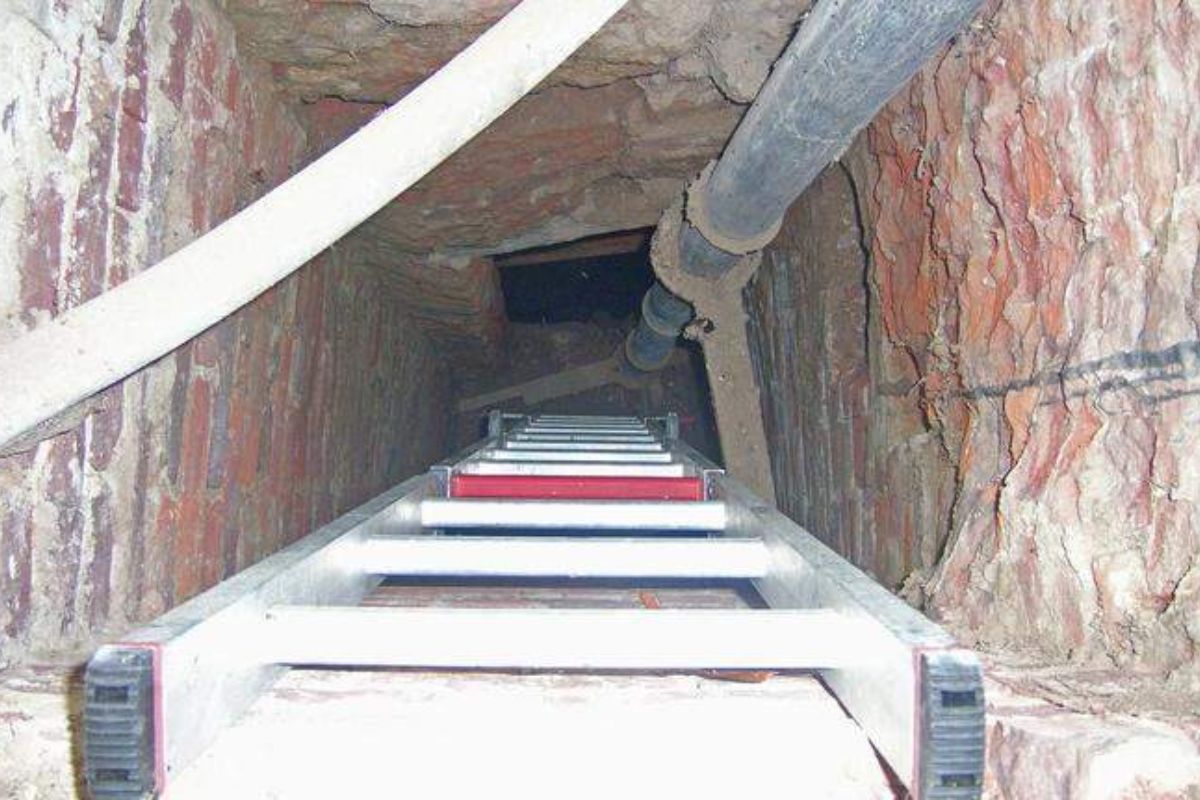


The Renovation of the Mansion in the Belgian City of Tielt Exposed a Well of Almost Four Meters, an 18th-Century Cesspool, and a Tunnel of Almost Ten Meters That Connects Cellars of the Nieuwstraat, Reinforcing the Hypothesis of German Military Use as an Underground Escape Route in World War I.
The renovation of the mansion on Nieuwstraat in Tielt, Belgium, Revealed an Underground Set That Completely Changed the Historical Interpretation of the Property. Under House Number 7, a Hidden Cover, a Vertical Well of Almost Four Meters, and a Passage Connecting Ancient Water Structures to Another Cellar in the Same Row of Homes Emerged.
The Find Took on Significant Importance Because the Area Had a Direct Military Role During World War I. The Terraced Houses on the Street Were Occupied by the Germans for About Four Years, and the Property Became Part of a Strategic Core of the Fourth Army. This Means that the Discovery is No Longer Just an Architectural Curiosity and is Being Treated as Possible Escape Infrastructure Related to the War.
How the Work Paved the Way for the Discovery
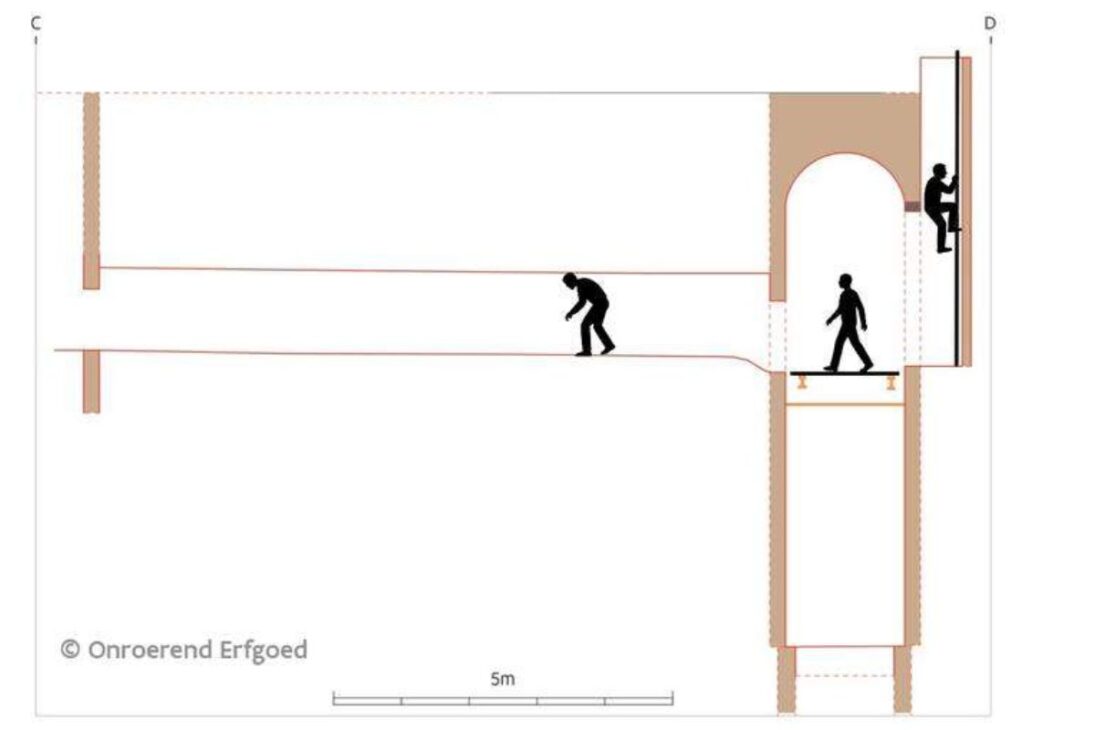
The Discovery Occurred During the Renovation of the Flooring in the Mansion at Nieuwstraat No. 7, Near the Historic Center of Tielt.
-
New Zealand builds a shimmering building that vibrates, featuring a 62-seat cinema, moving sculptures, and an environment where sound, light, and energy are felt in the body.
-
Two colored cubes of 2.5 m transform a public bathroom into a selfie spot in Western Australia, costing up to 75% less than traditional construction and helping to reduce vandalism in public spaces.

-
Santa Catarina produces up to 7 times more than it consumes in some sectors, and its century-old industries founded by grandparents and great-grandparents now compete on equal footing with Germany and the United States in the international market.

-
U.S. war giant weighing 9,600 tons and equipped with long-range missiles is sent to the Atlantic to protect global internet and hunt submarines.


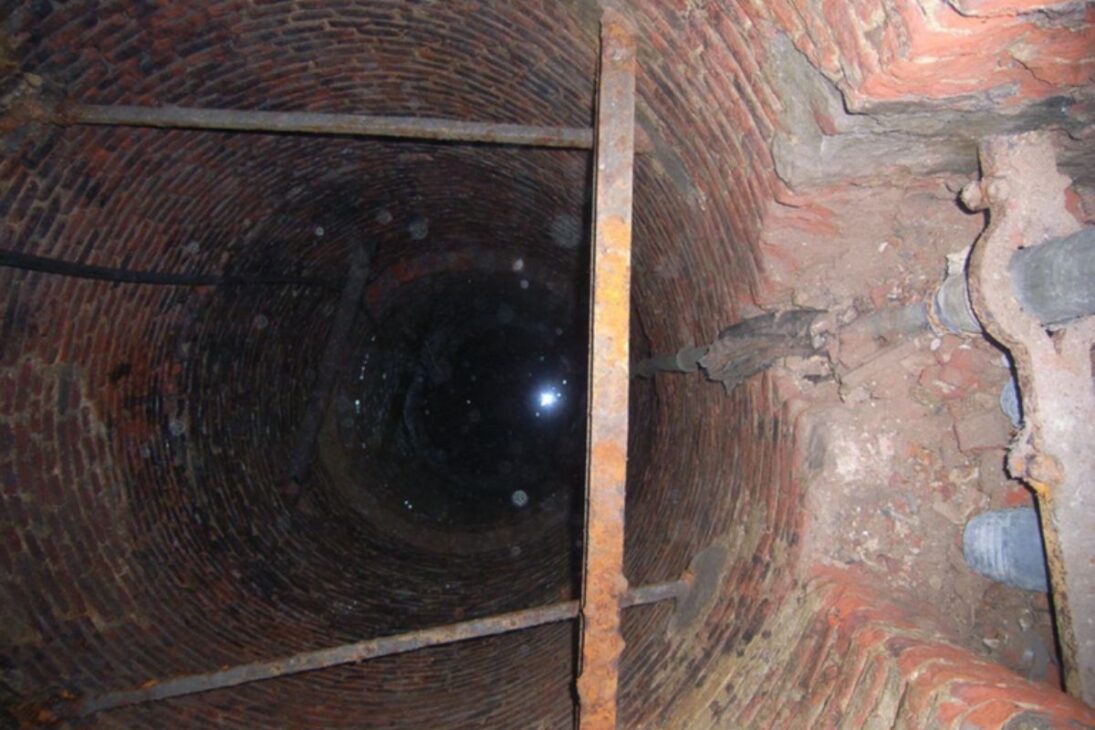
During the Intervention, Those Responsible Found a Hidden Well Cover. Below It, There Was a Drop of Almost Four Meters to a Structure Connected to an Old Closed Water Well, Dating from the 18th Century.
The renovation of the mansion Did Not Stop at the First Surprise. About a Meter Away, a Second Metal Cover Emerged. This New Access Covered a Vertical Well with Walls Distinct from the Original Structures of the Residence, Supported by Bricks and Beams Inserted Long After the Initial Construction.
This Constructive Detail Attracted the Attention of Experts for a Subsequent Intervention, More Compatible with Strategic Use than with Simple Domestic Supply.
The Examination of the Space Showed That the Northwest Wall at the Base of the Well Had Been Opened Precisely.
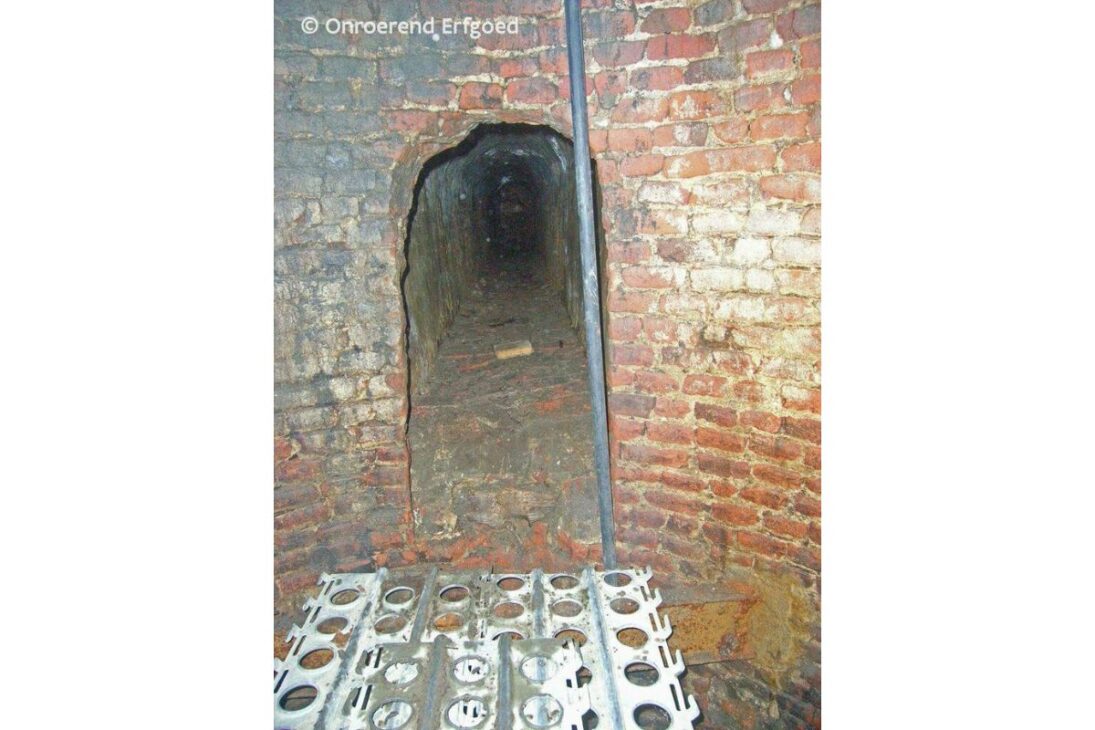
The Opening Was Over Two Meters High and Led Directly to an Underground Section Finished with Bricks and a Barrel Vault Ceiling, Running Parallel to the Back of the Houses on Nieuwstraat.
At the End of This Path, the Passage, Now Blocked, Gave Access to the Cellar of Number 5.
This Means That the renovation of the mansion Revealed Not Only an Empty Space in the Ground but Also a Deliberate Connection Between Neighboring Properties, Hidden Beneath the Historic Row of Houses.
What Existed Beneath the House Before the War
The History of the Property Helps Explain Why the Discovery Blends Layers from Different Eras. The House Was Built in 1769 on Land That Previously Hosted a Small Franciscan Community.
Part of the Underground Structure Associated with the Well and Water Cisterns Is Considered Compatible with This Older Phase of the Residence.
In 1906, a Doctor Bought the House and Expanded the Rear Part of the Property. This Information Matters Because It Helps Separate What Seems to Be Original from the 18th Century from What May Have Been Added Later.
According to the Analysis Described in the Report, the Water Well and the Cisterns Likely Belong to the Earliest Core of the Construction, But the Vertical Well with I-Beams and the Cut Made in the Structure Are Later.
The renovation of the mansion Clearly Showed This Clash of Times. On One Side, An Ancient Infrastructure Related to Water.
On the Other, Modifications Made After 1909, with Materials and Solutions That Do Not Match the Original Stage of the Property. This Overlap is Central to Support the Hypothesis That the Structure Was Adapted in a Military Context.
That is Why Specialists Consider It Unlikely That the Tunnel Was Opened Solely for Water Transport.
The Shape, Dimensions, Lack of Slope, and Internal Finish Indicate a Different Function, More Compatible with Discreet Human Circulation Between Properties Connected Below.
Why World War I Weighs So Much in This Interpretation
The Military Context of the Nieuwstraat Makes the Hypothesis of an Escape Route Especially Strong. In the Summer of 1914, German Troops Invaded Neutral Belgium.
In October of the Same Year, it Was Decided to Install the Military Command of the Fourth Army in Tielt, Taking Advantage of the City’s Strategic Position, Close to Road and Rail Infrastructure but Out of Direct Reach of Enemy Artillery.
In This Scenario, House Number 7 Became a Sensitive Point. The Property Began Functioning as a Strategic Center and Even Hosted a Scale Model of the Front Lines at 1:20,000.
The Local Structure Served as a Decisive Command Space, with a War Room Involved in Planning the First Attack with Chlorine Gas and the Use of Flame Throwers in 1915, as Well as Coordinating Operations on the Western Front Until the French Bombardment of 1918.
When This History is Considered, the renovation of the mansion Takes on Another Dimension. The Underground Passage is No Longer Just a Construction Anomaly and Fits into a Concrete Need for Protection and Withdrawal.
If There Were Maps, High-Ranking Officers, and Strategic Function on the Upper Floor, the Idea of a Reserved Escape Route No Longer Seems Exaggerated and Begins to Make Operational Sense.
The Very Report Cited in the Base Material Considers it Likely That the Tunnel Was Built for This Purpose.
There Is No Absolute Assertion, but the Combination of Chronology, Materials, Internal Position of the Well, and Military Use of the Property Pushes Interpretation in This Direction.
What Makes the Escape Route a Stronger Hypothesis Than Others
One of the Most Relevant Points is the Position of the Vertical Well Inside the Building. By Being Protected Inside the House, It Allowed Invisible Circulation Between Residences, Far from External Observation. For a War Context, This Has Immediate Value.
It is Not Just About Hiding a Passage, but Ensuring Discreet Movement Between Sensitive Areas of the Same Urban Set.
In Addition, the Tunnel Measured Almost Ten Meters in Length and About 1.2 Meters in Height. It Was Not Comfortable, but It Was Functional.
The Structure Does Not Display Typical Characteristics of a Common Water Channel, and the Clean Finish of the Opening Made in the Wall Reinforces the Idea of a Planned Work, Not Rough Improvisation.
The renovation of the mansion Also Showed That the Subsequent Intervention Was Carried Out with Technical Care. The Use of Iron and Steel, the Shape of the Vault, the Alignment Parallel to the Houses, and the Blocked Connection to the Neighboring Cellar Suggest a Project Designed to Last and Operate Discreetly.
All of This Weighs Against the Hypothesis of a Simple Utility Tunnel and in Favor of an Emergency or Withdrawal Solution.
Still, the Correct Interpretation Requires Caution. The Report Considers Military Use as the Most Likely Explanation, Not as a Definitive and Closed Proof.
This Caution is Important Because It Preserves the Credibility of the Find Without Turning a Strong Hypothesis into a Certainty Without Direct Documentation.
The renovation of the mansion in Tielt Ended Up Opening Much More Than a Floor. It Exposed a Rare Intersection Between Domestic Architecture, Ancient Hydraulic Infrastructure, and Military Adaptation in a War Context.
What Was Hidden Beneath Nieuwstraat No. 7 is Not Just a Narrow Tunnel, but a Concrete Indication of How Civilian Houses Could Be Incorporated into a Command Logic, Protection, and Escape During the German Occupation.
The Case Also Shows How Apparently Routine Works Can Still Rewrite the Interpretation of Historical Properties.
When the Subsoil Begins to Speak, It Almost Always Says More About Power, Fear, and Survival Than the Surface Lets On.
In Your Opinion, Do Discoveries Like This Change the Way Historical Mansions Should Be Restored, or Do Brazil and Europe Still Underestimate What May Be Hidden Beneath Old Constructions?







O problema é que vocês postao o vídeo e ai escrevem por cima ai não dá para ver nada não precisa escrever em cima do vídeo o quê já tá na matéria…