





 Portuguese
  English
  Spanish
  4 min of reading
  0 comments


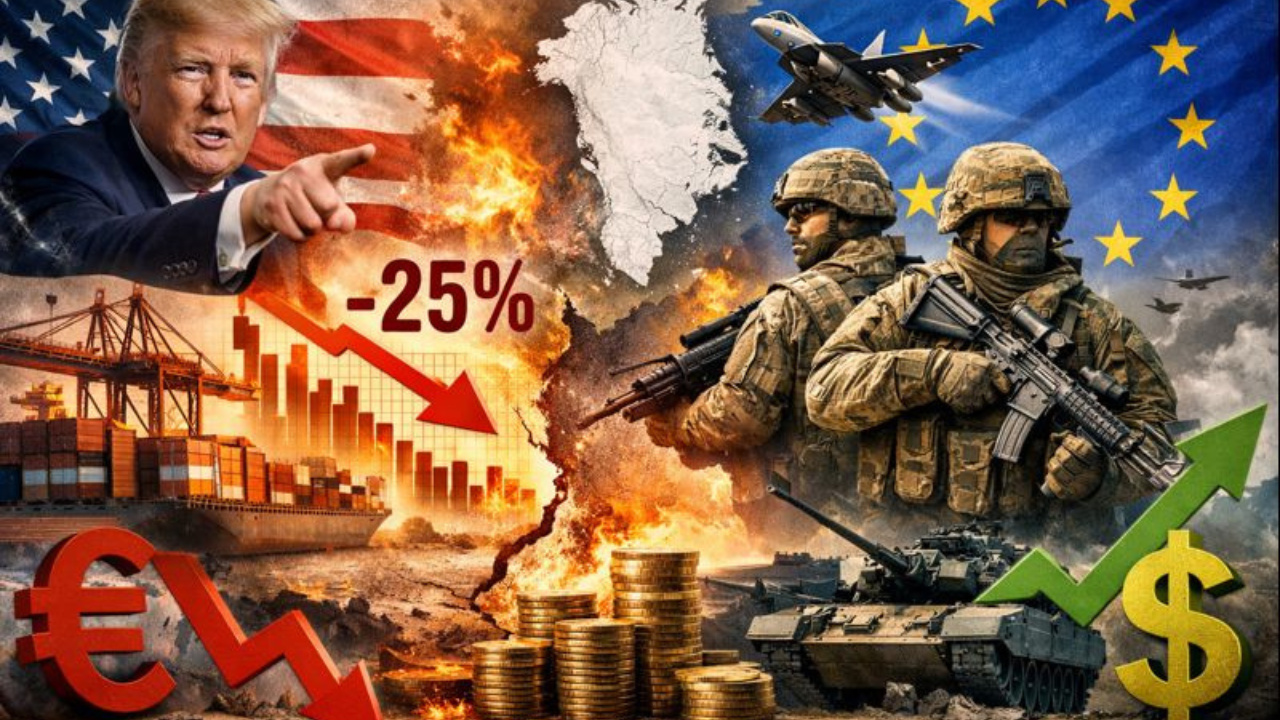
Geopolitical Tensions And US Tariffs Increase Risk Aversion, While European Defense Stocks Gain Highlight In Markets.
The escalation of geopolitical tensions has pressured global financial markets this week, reigniting risk aversion among investors.
The movement gained momentum after US President Donald Trump announced new US tariffs against European countries, amid strategic disputes involving Greenland.
This episode occurs in January, with a political epicenter in Washington and immediate reflections in European stock exchanges, in currency markets, and in US-EU trade relations.
-
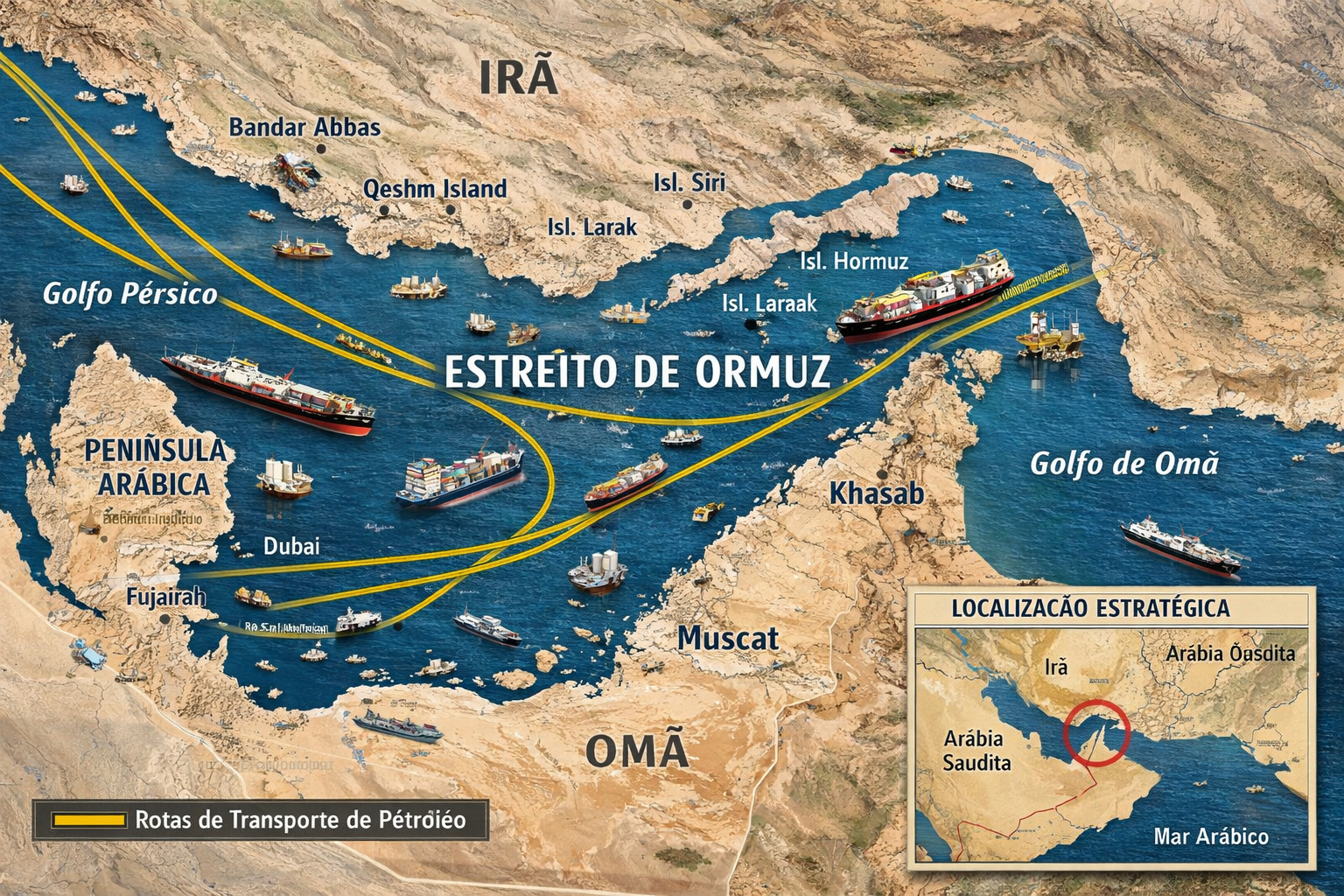
Global summit with over 40 countries pressures Iran for a blockade in the Strait of Hormuz and warns of direct impact on oil, food, and the global economy.
-
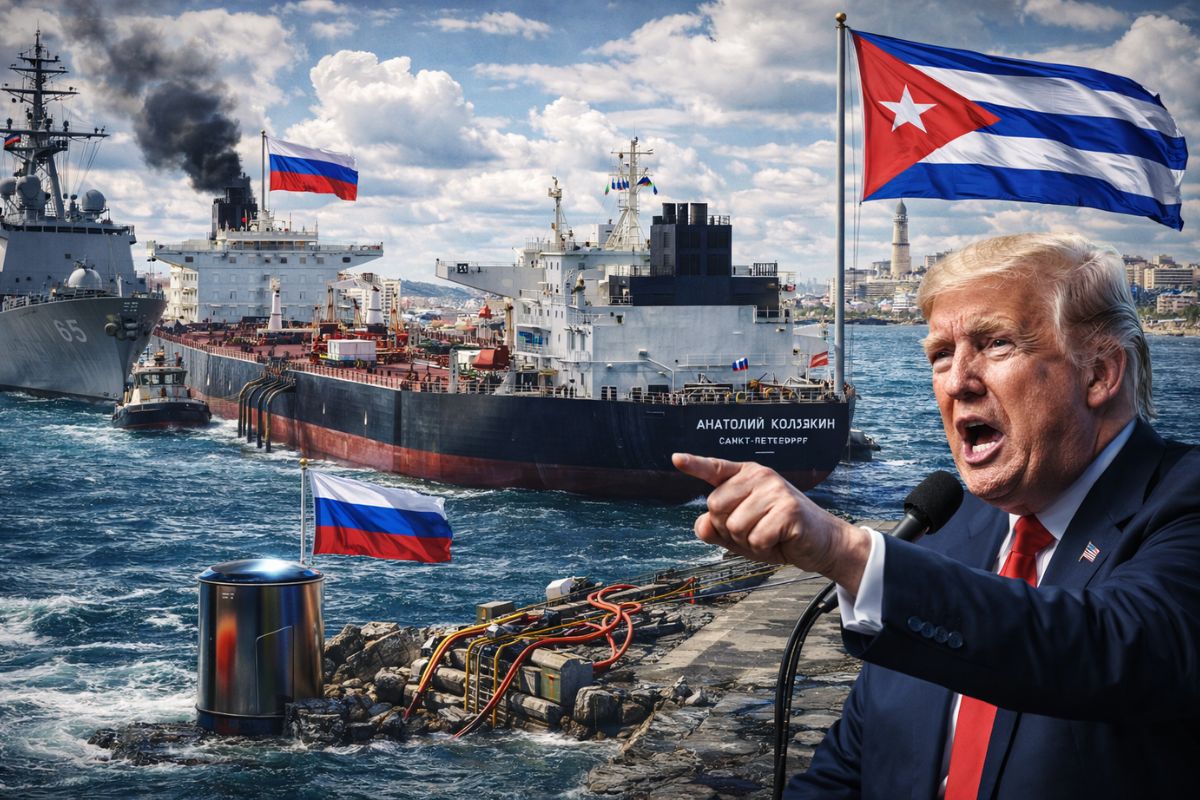
Russia has broken the U.S. maritime blockade to send oil to Cuba and is now loading a second ship while Trump says that “Cuba is next” in a possible military action against the island.
-
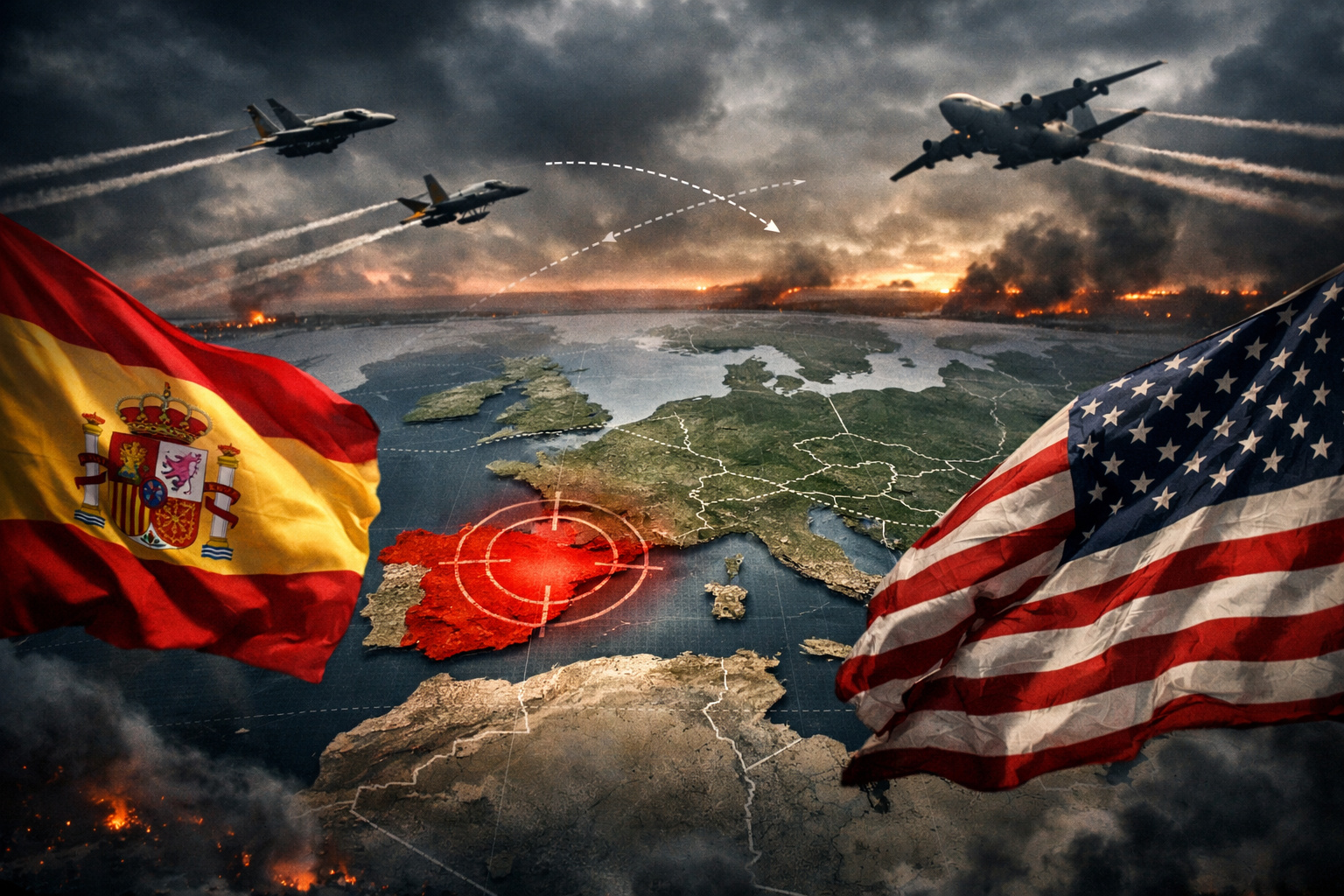
Spain challenges the USA and closes its airspace for operations against Iran, raising global tension and provoking the threat of a trade rupture.
-
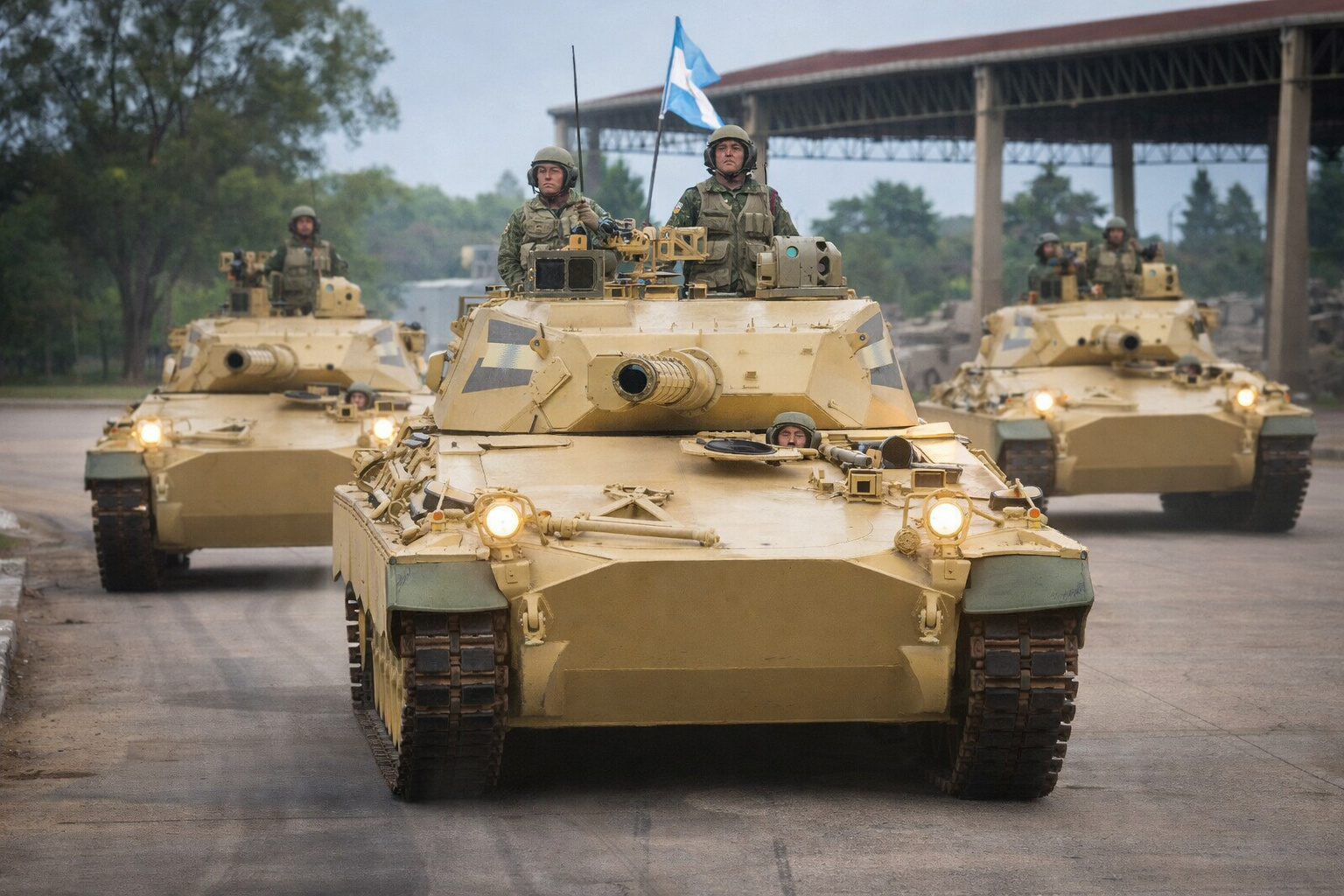
While no other country manufactures tanks in Latin America, Argentina activates the TAM 2C-A2 and raises a curiosity about the technological lag in the region.
The tariff threat reignites a scenario already known to markets: increased volatility, a search for perceived safer assets, and repricing of politically sensitive sectors.
Nonetheless, analysts believe that, this time, the impact could be more selective, favoring specific segments, such as European defense stocks.
US Tariffs Reignite Trade Conflict With Europe
According to the announcement, the United States intends to impose additional tariffs of 10% starting February 1 on products from eight European countries:
Denmark, Norway, Sweden, France, Germany, Netherlands, Finland, and the United Kingdom. If no agreement is reached, tariffs could rise to 25% on June 1.
The measure was presented as part of a strategy of diplomatic pressure related to Greenland.
In response, the eight countries issued a joint declaration of support for the territory, while authorities from the European Union signaled retaliation if the US tariffs materialize.
This new chapter increases uncertainties in US-EU trade relations, particularly at a time when Europe was seeking greater predictability in international trade.
Risk Aversion Returns, But Impact May Be More Contained
For Berenberg’s chief economist, Holger Schmieding, the current scenario recalls the shock observed on the so-called “Liberation Day” in April 2025, when broad tariffs triggered a strong negative reaction in global markets.
“Hopes that the tariff situation would have calmed down for this year have been frustrated for now – and we find ourselves in the same situation as last spring,” Schmieding said.
Still, the analyst notes that recent experiences may soften reactions.
In the second half of last year, investors began treating many trade threats as political noise, especially after agreements were made between the US, the UK, and the European Union.
Therefore, although risk aversion is back on the radar, the impact tends to be more moderate than in previous episodes.
Euro And Dollar Feel Effects Of Geopolitical Tensions
In the currency market, the euro is already showing signs of weakness. Schmieding assesses that the European currency may face additional pressure with the opening of Asian markets.
On Friday, the euro closed around US$ 1.16, the lowest level since late November.
The dollar, on the other hand, shows a more ambiguous behavior.
European Stock Markets Resist And Maintain Positive Performance
Despite the increase in risk aversion, European stock markets remain resilient.
The DAX index in Germany and the FTSE in London have increased by over 3% for the month, outperforming the S&P 500, which gained about 1.3% in the same period.
This movement indicates that some investors differentiate the macroeconomic impact of political tensions from corporate performance, especially in sectors strategic to regional security.
European Defense Stocks Gain Strength With Geopolitical Scenario
Among the main beneficiaries of the geopolitical tensions, European defense stocks stand out.
The sector has accumulated a nearly 15% increase this month, driven by growing concerns about international security and territorial stability.
In addition to the US tariffs, the arrest of Nicolás Maduro by US authorities contributed to elevating global risk perception, increasing interest in defense and security-related companies.
This movement reinforces the logic that, in times of political uncertainty, investors tend to seek out sectors considered strategic and less sensitive to traditional economic cycles.
US-EU Trade Relations In A Delicate Moment
For geopolitical strategist Tina Fordham, founder of Fordham Global Foresight, the scenario indicates an explicit return of the transatlantic trade conflict.
“The trade war between the US and the EU is back,” she stated.
This assessment carries even more weight given the timing of the American decision.
The tariff threats occurred precisely when the European Union and Mercosur were making progress on signing a free trade agreement.
Outlook: Volatility In The Short Term And Selectivity In Investments
In summary, the new episode of geopolitical tensions is likely to keep risk aversion high in the short term.
On the other hand, European defense stocks emerge as one of the main vectors of protection and opportunity amid uncertainties.
See more at: Markets Face New Shock As Trump Promises Tariff On Europe For Greenland









Seja o primeiro a reagir!