





 Portuguese
  English
  Spanish
  2 min of reading


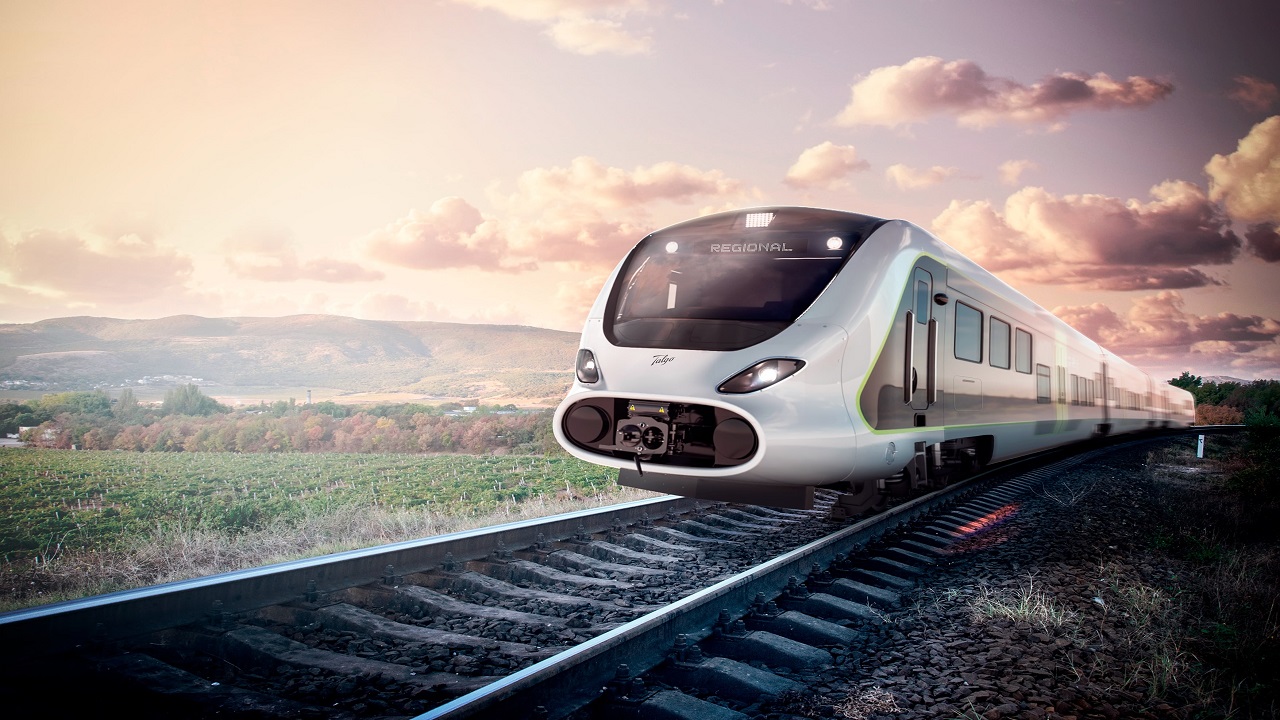
Sustainability in Vehicles Is Everywhere and Being Developed Across All Segments. Evidence of This Is Repsol’s Partnership with Talgo for the Development of the First Hydrogen-Powered Train
Repsol and Talgo have formed a partnership to develop a hydrogen-powered train project, promoting a fully renewable and CO2 emission-free rail transport. The agreement between the companies was signed this Monday (19) at Talgo’s factory in Las Rozas, Madrid.
Read Also
The Renewable Hydrogen-Powered Train Is Becoming a Reality


Present at the signing were Juan Abascal, Executive Director of Industrial Transformation and Circular Economy at Repsol, and Carlos Palacio Oriol, President of Talgo. Additionally, the event also featured Emiliano López Atxurra, President of Petronor.
-
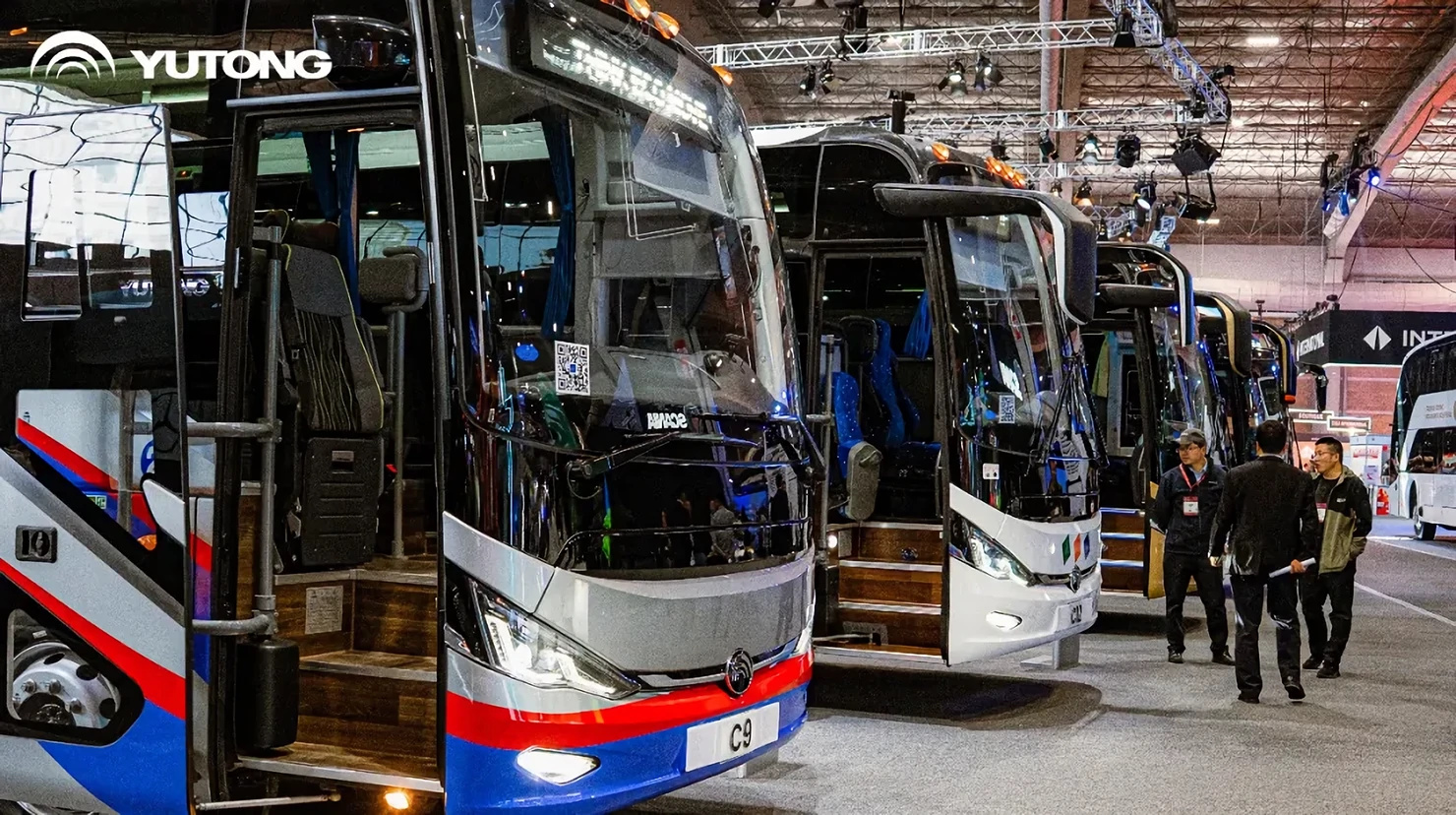
China advances into Mexico’s transportation with an electric bus that has a range of up to 530 km, bringing a complete line to the country in 2026 and transforming its partnership with Yutong into one of the most strategic in Latin American mobility.
-
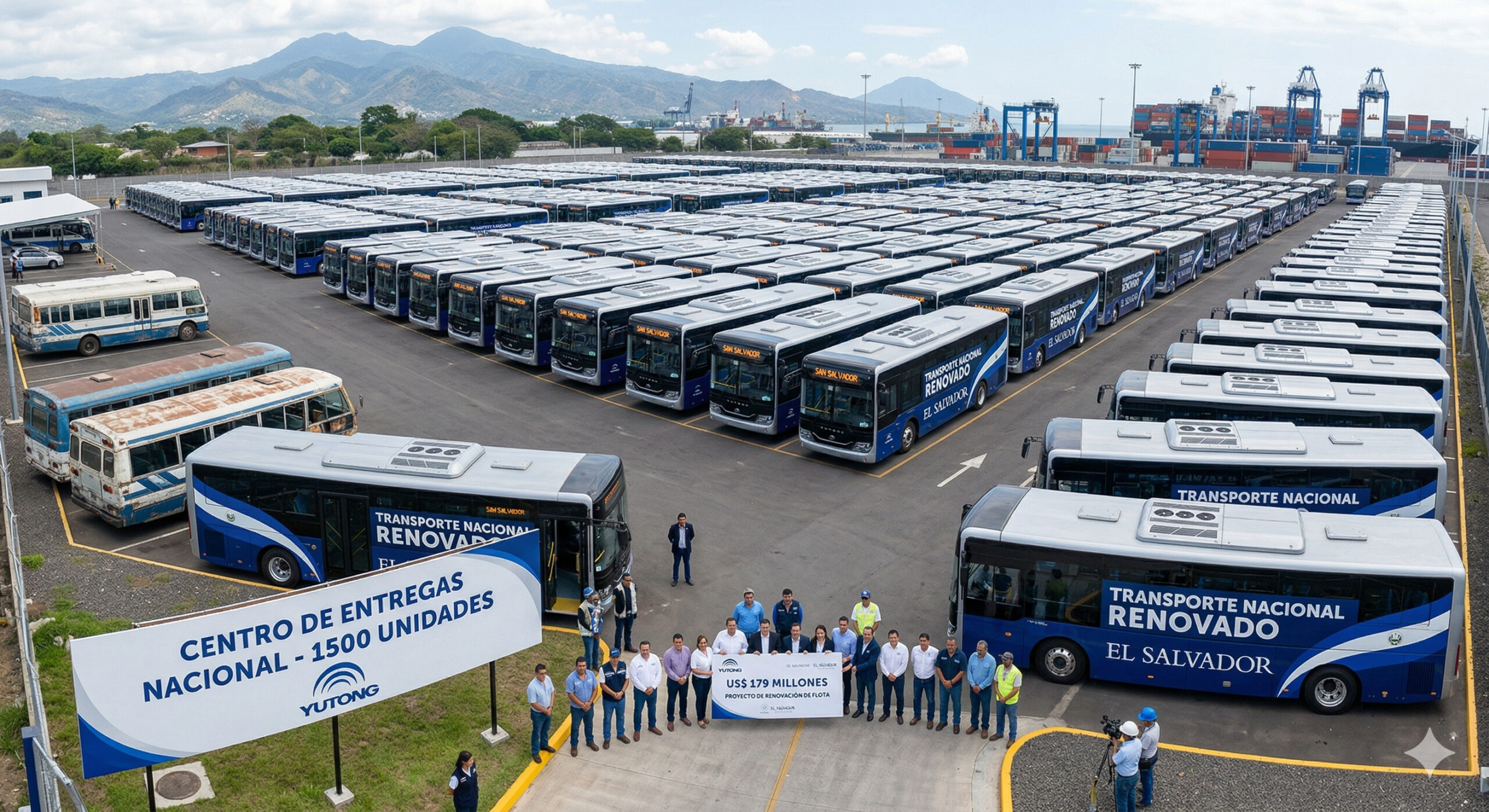
With 1,500 new buses financed by an international agreement, El Salvador is preparing the largest renewal in the history of its public transportation, a plan of $179 million with vehicles from the Chinese company Yutong that could replace practically the entire fleet of the country.
-
American Airlines starts selling trips as if they were flights, with check-in and baggage check at the airport, but on short routes, passengers board luxury buses connecting cities to major hubs in the U.S.

-
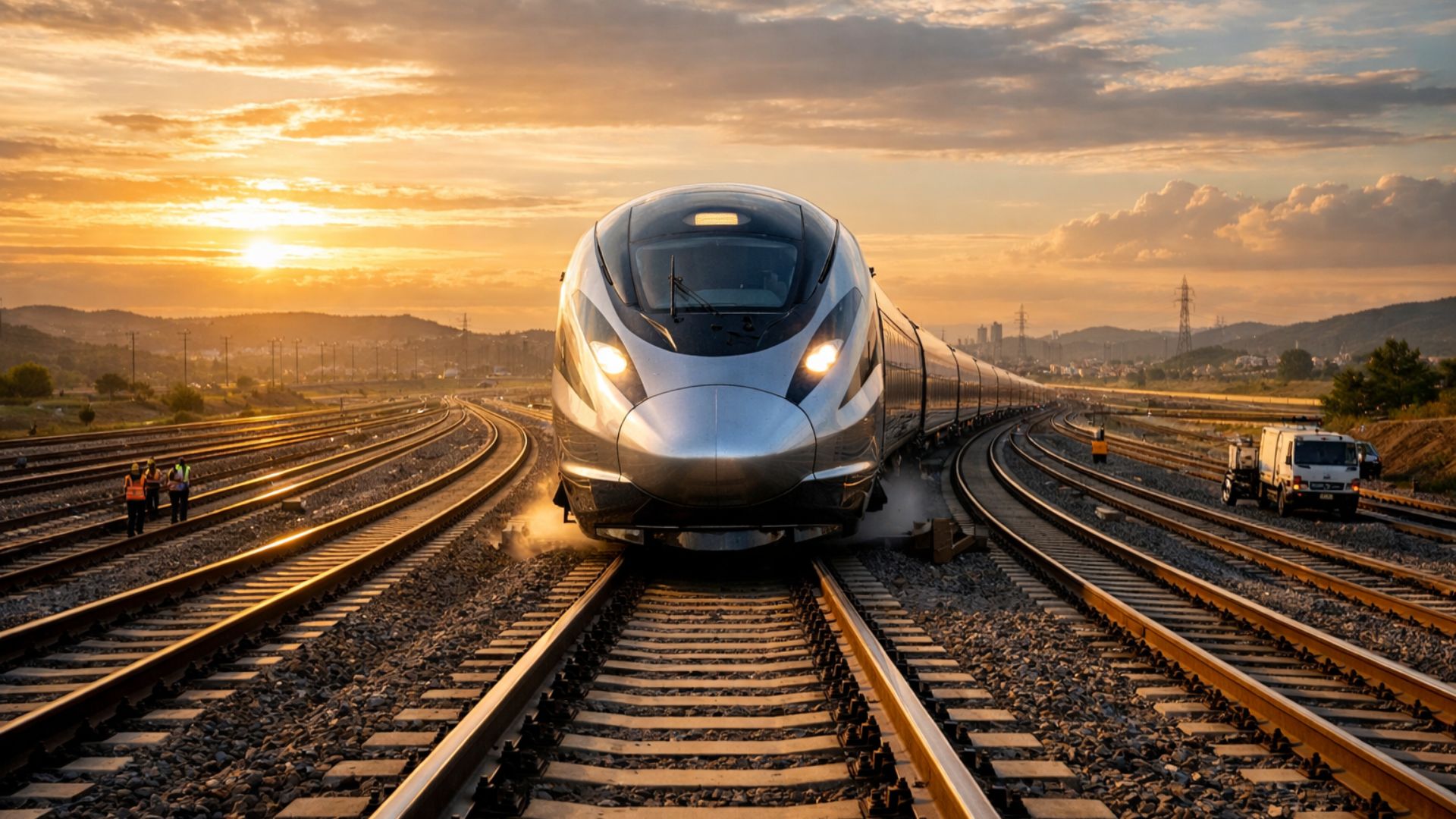
São Paulo surprises the world with a colossal railway network project that promises over 1,000 km of tracks, R$ 194 billion in investments, and 40 projects connecting the capital to the interior with fast and sustainable trains.
Through this partnership, Repsol and Talgo will provide an innovative solution to make the renewable hydrogen-powered train a reality. Talgo will be responsible for the development, construction, and launching of the new medium-distance cars, while Repsol will offer its renewable hydrogen generation infrastructure.
The companies highlighted that this collaboration will promote the achievement of one of the objectives set in the Hydrogen Roadmap, approved by the Government in October, which aims for the operation of two commercial train lines powered by renewable hydrogen.
Objective of the Companies
Repsol aims to become a major player in the development of renewable hydrogen on the Iberian Peninsula and also plans to install a capacity of 400 MW by 2025, and up to 1.2 GW by 2030.
Talgo, on the other hand, has a line focused on the development of hydrogen-powered trains and has already developed the Vittal One train, a solution for medium-distance lines that is powered by a hydrogen battery. The project will be the first hydrogen-electric double train, and the company is already planning to place it on the tracks.
Sustainable Trains Can Unblock Urban Mobility Bottlenecks
The companies are continually seeking ways to generate sustainable vehicles, whether electric cars, electric motorcycles, future flying electric cars, and many others; rail mobility is also keeping pace. In May, the first solar-powered tourist train in Latin America began offering rides between Argentina and Peru.
The train is equipped with solar panels on its roof and was developed to preserve the environment and demonstrate that solar energy is a sustainable source that can be utilized in any transportation or business. The rail vehicle received investments of approximately US$ 9 million.

Formado em Jornalismo e Marketing, é autor de mais de 20 mil artigos que já alcançaram milhões de leitores no Brasil e no exterior. Já escreveu para marcas e veículos como 99, Natura, O Boticário, CPG – Click Petróleo e Gás, Agência Raccon e outros. Especialista em Indústria Automotiva, Tecnologia, Carreiras (empregabilidade e cursos), Economia e outros temas. Contato e sugestões de pauta: valdemarmedeiros4@gmail.com. Não aceitamos currículos!







Seja o primeiro a reagir!