





 Portuguese
  English
  Spanish
  4 min of reading


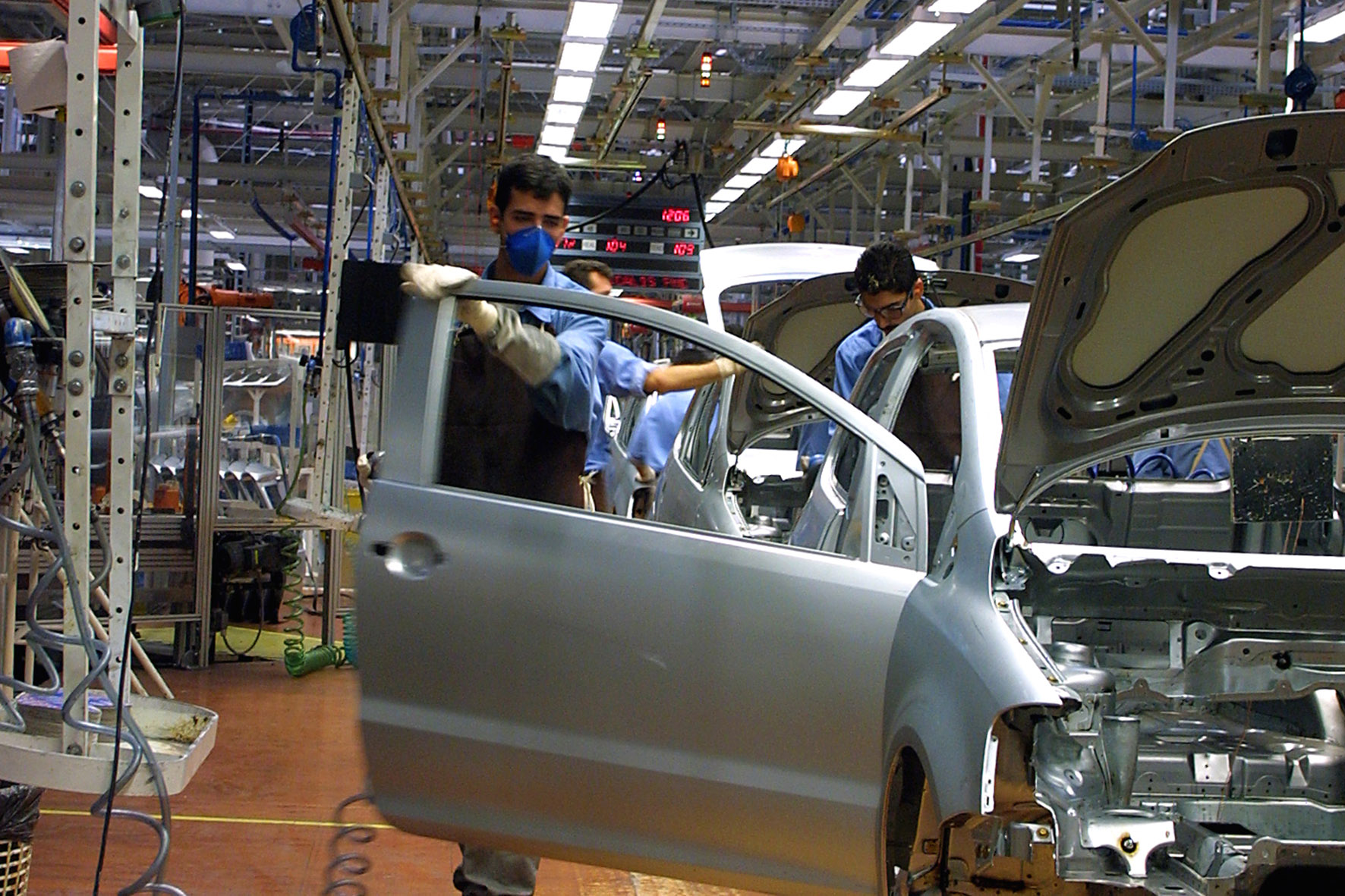
According to the Consulting Firm’s Second Study, Global Light Vehicle Production Capacity Is Expected to Decrease by 4 Million Units in 2021. Despite a 33% Growth in the First Half of This Year, the Semiconductor Shortage Prevents a Full Recovery of the Automotive Industry
The semiconductor shortage crisis in the automotive sector has slowed the economic recovery of motor vehicle production to pre-pandemic levels. Recent figures released by the National Association of Motor Vehicle Manufacturers (Anfavea) indicate that 1,148.5 thousand vehicles rolled off assembly lines in the first half of the year, 57.5% more than the 729 thousand in the same period last year, when all factories experienced shutdowns of up to two months.
Read Also
According to Bain, the global semiconductor market generated over US$ 450 billion in 2020, with 70% of that amount coming from the electronics industry, which produces devices such as computers and smartphones. The automotive industry, in turn, was responsible for only 10%. The global crisis of these components, however, continues to impact various sectors of industry worldwide, with still uncertain prospects for a return to normalcy.
-
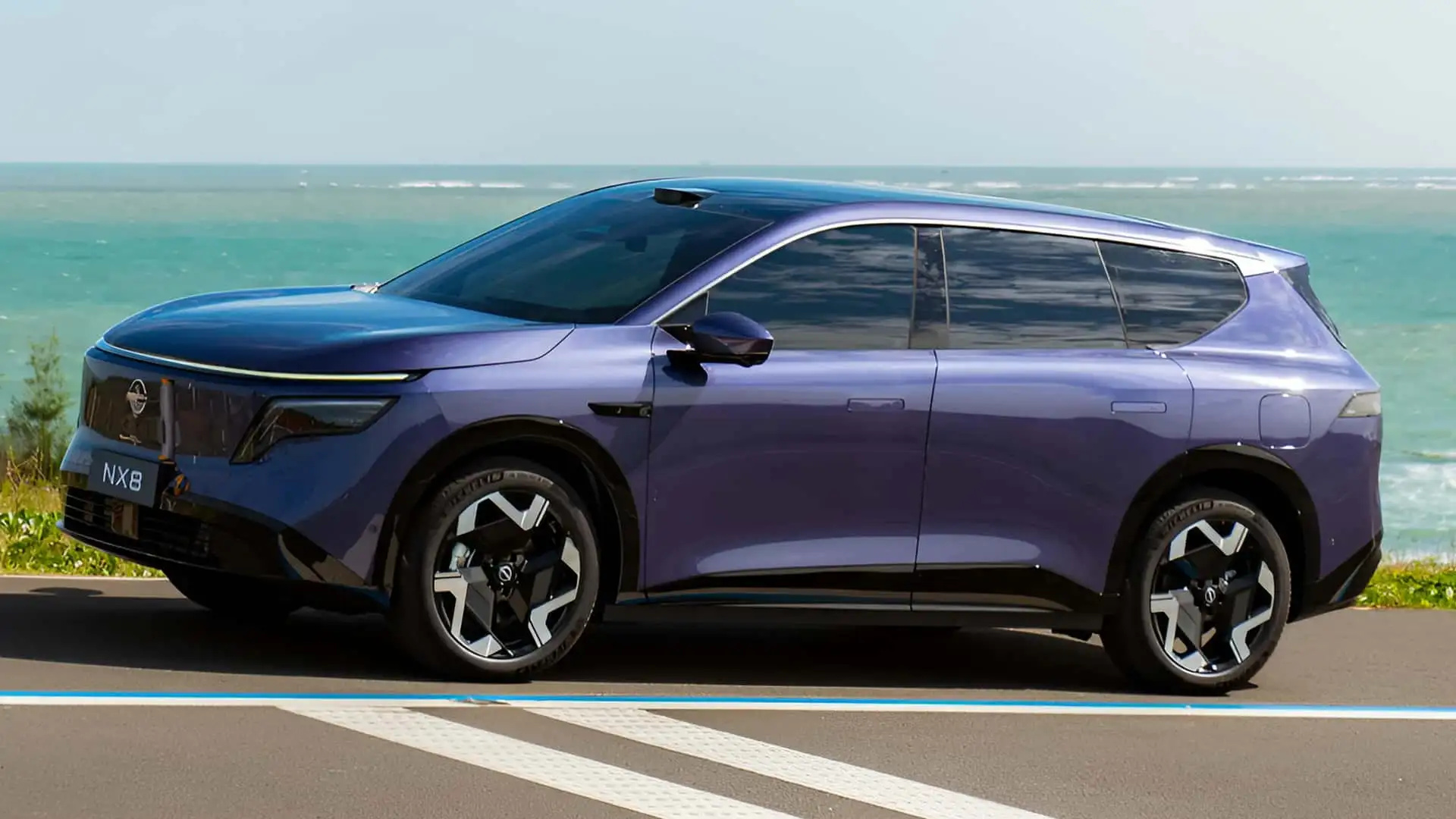
Nissan NX8 prepares a counterattack with a range of 1,450 km, EREV system, and tests already underway in Brazil, in a Japanese response to the offensive from BYD, GWM, and Leapmotor.
-
PRF drones are already fining drivers on federal highways across Brazil, and intelligent monitoring can identify infractions such as using the shoulder, using a cell phone while driving, and not wearing a seatbelt without the need for direct intervention, using authorized video monitoring and specialized technical operation.

-
They catch the eye, but be careful! Some used cars can cause a lot of headaches.

-
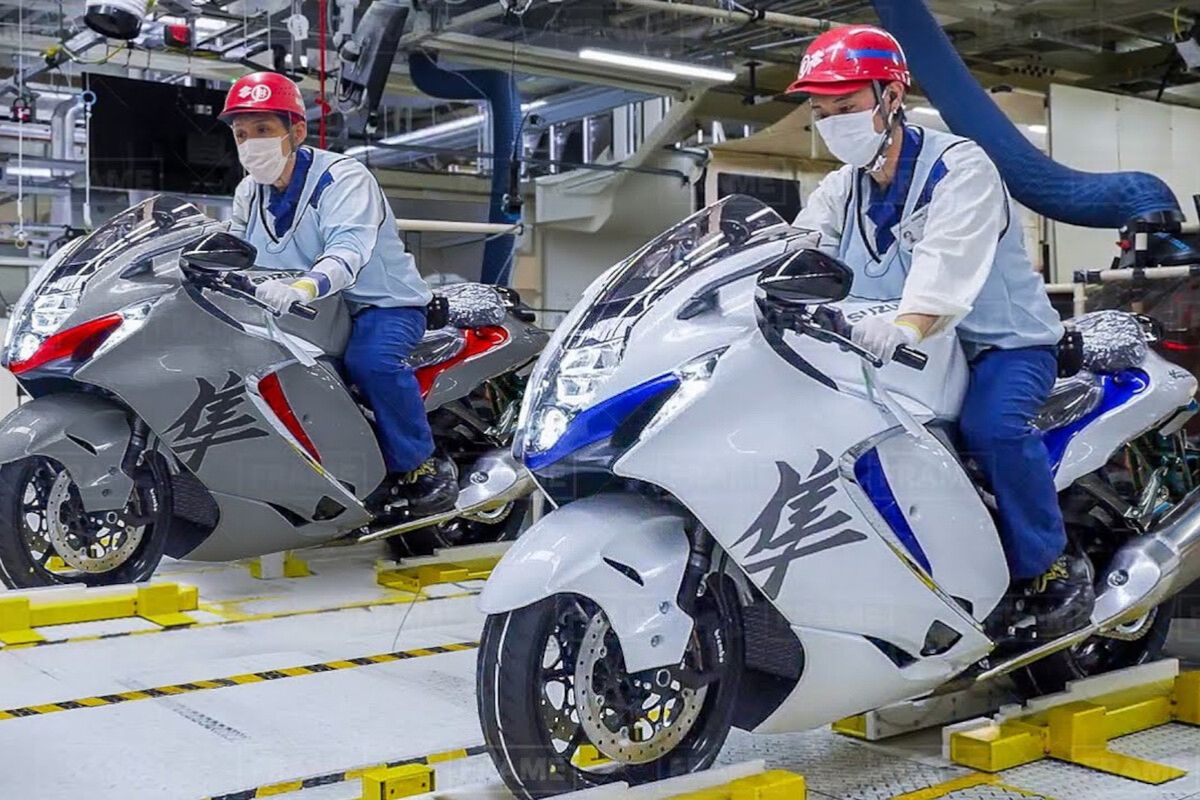
While China accelerates with automated factories, Japan assembles the Suzuki Hayabusa almost by hand, piece by piece, with zero tolerance and strict quality control, unit after unit.
Carlos Libera, Partner at Bain & Company, Highlights the Reasons Why He Believes in the Recovery of the Automotive Industry in 2022
According to Carlos Libera, partner at Bain & Company, given a future scenario of increased capacity in semiconductor production, it is expected that the situation for automakers will return to a normal pace starting in the second half of 2022.
“The automotive industry represents a smaller share of the demand for semiconductors, accounting for only 10% of chip manufacturers’ revenue. Therefore, it is expected that the allocation of capacity will normalize more quickly compared to other sectors,” he states.
Bain emphasizes, however, that there are structural problems within semiconductor manufacturing, with bottlenecks sensitive throughout its entire supply chain, which may result in new scarcity effects. “It is important for the automotive industry to anticipate potential disruptions in the future, especially regarding how supply chain planning occurs—whether in terms of stock storage or closer relationships with suppliers,” Libera highlights.
The Bain study notes that global light vehicle production is expected to decrease by 4 million units in 2021 compared to previous forecasts from December 2020.
Pressure from the Personal Computer and Mobile Device Industry
Supply chains of personal computers (PCs) have faced difficulties in meeting the demand generated by the Covid-19 crisis. The Taiwan Semiconductor Manufacturing Company (TSMC), a semiconductor manufacturer, and Intel are operating at maximum capacity.
Manufacturers such as AMD and NVidia are encountering substantial component shortages. Demand for personal computers due to remote work, growth in cloud computing, and fifth-generation (5G) mobile devices are driving this demand.
Used Cars “Surf” the Crisis
According to Moraes, the industry is still suffering from the remnants of the worst moment of the pandemic, recorded in 2020. He explains that the disorder in the global production chain was the main cause of the semiconductor crisis and the rise in consumer prices.
“There was an increase in commodity prices for steel, rubber, and other items, in addition to currency devaluation, which affects both manufacturers that bring in many imported components, as well as our suppliers,” he reports. He also mentions that some states increased the ICMS on vehicles, such as São Paulo.
“The tax burden is already high, and the state, in order to solve a public management problem, passed the bill to the consumer,” he criticized. According to the president of Anfavea, the high costs of inputs and logistics that have raised the prices of new vehicles, and the low availability of these vehicles at dealerships, have fueled the used car sector.
“This has led to two consumer behaviors. Some are choosing to wait 70 to 90 days, or even postpone to 2022, while others are opting for the used car market.” With the increased demand for used cars, prices of used vehicles are also rising, according to Moraes.
About Bain & Company
Bain & Company is a global consulting firm that helps companies and organizations drive changes that shape the future of business. With 63 offices in 38 countries, the firm works closely with its clients as one team, with the shared purpose of achieving extraordinary results, outperforming the competition, and redefining industries.
The firm complements its integrated and customized expertise with a digital innovation ecosystem to deliver better results, faster and more sustainably. With a commitment to invest over US$1 billion in “pro bono” services over 10 years, they leverage their talents, specialized knowledge, and insights for organizations facing urgent challenges related to socioeconomic development, the environment, racial equity, and social justice.
Recently, Bain received a gold rating from EcoVadis, the leading platform for environmental, social, and ethical performance ratings for global supply chains, placing it among the top 2% of all companies.









Seja o primeiro a reagir!