





 Portuguese
  English
  Spanish
  3 min of reading


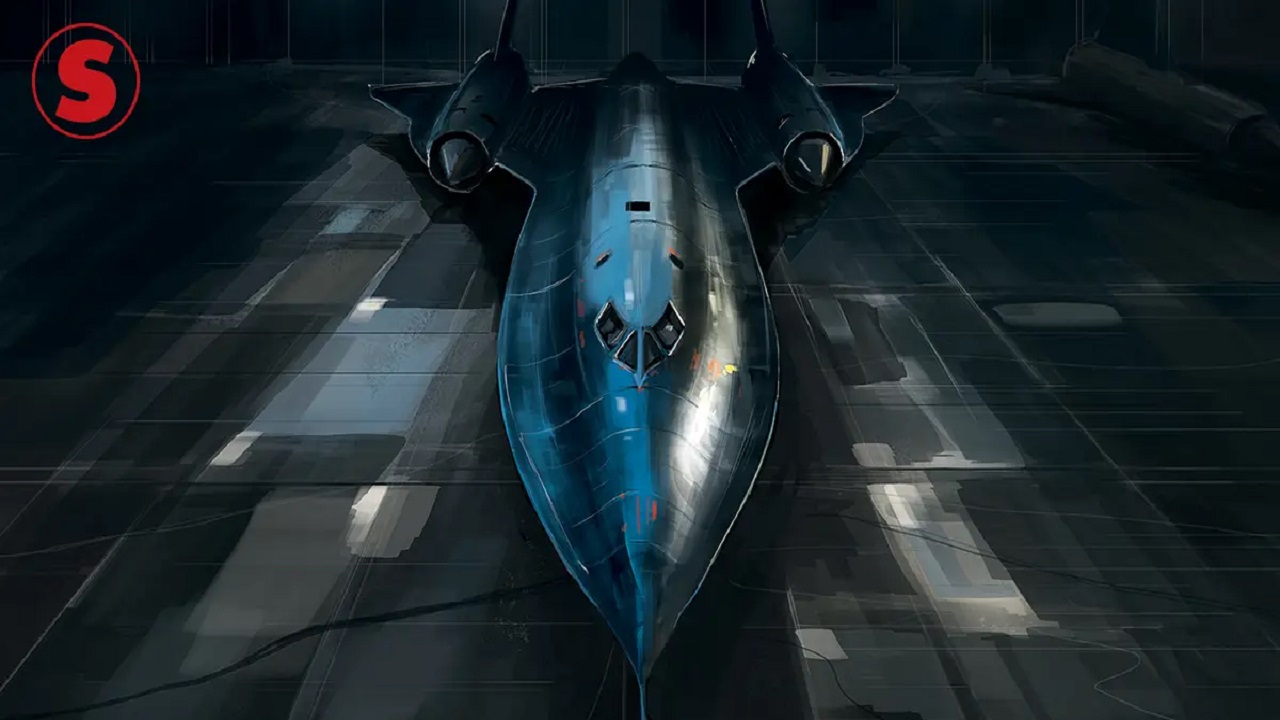
China Is Developing A New Hypersonic Engine Technology That Promises To Reach Or Even Exceed Mach 6 Speed Using A New Fuel.
Military researchers in China may have achieved a breakthrough in enhancing the efficiency of air-breathing engines that use solid-state fuel for hypersonic flights. The development of the new technology could expand the operational range of the country’s hypersonic missiles, doubling their combat power, according to a report by the South China Morning Post (SCMP) early last week.
Understand How The Technology Works In The Hypersonic Engine
According to the team’s leader, Ma Likun, an associate professor at the National Defense Technology University in Changsha, Hunan province, such efficiency was considered remarkable, nearly double that of a traditional scramjet engine operating under similar conditions.
The technology is also responsible for reducing the inlet of fresh air to less than the speed of sound before entering the combustion chamber, allowing the fuel to burn completely. The prototype of China’s hypersonic engine was tested in a ground simulation of a flight at an altitude of 25 kilometers at six times the speed of sound, or Mach 6.
-
End of the RAM memory crisis? Google develops a new method that changes memory usage in AI and allows for reduced computational costs while maintaining consistent performance in increasingly demanding applications.

-
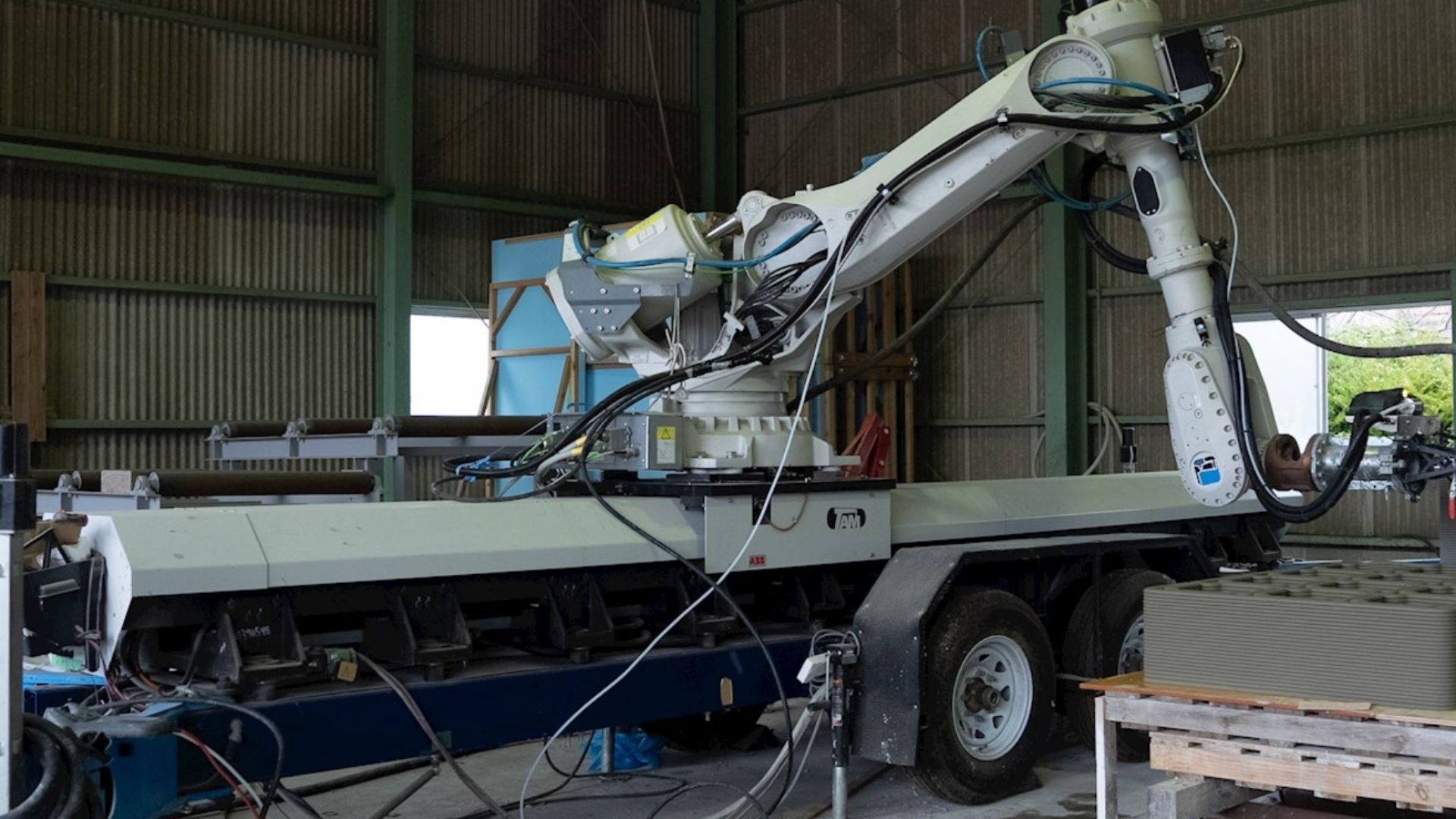
Japan builds a 3D-printed train station overnight, between the last train and the first of the morning.
-
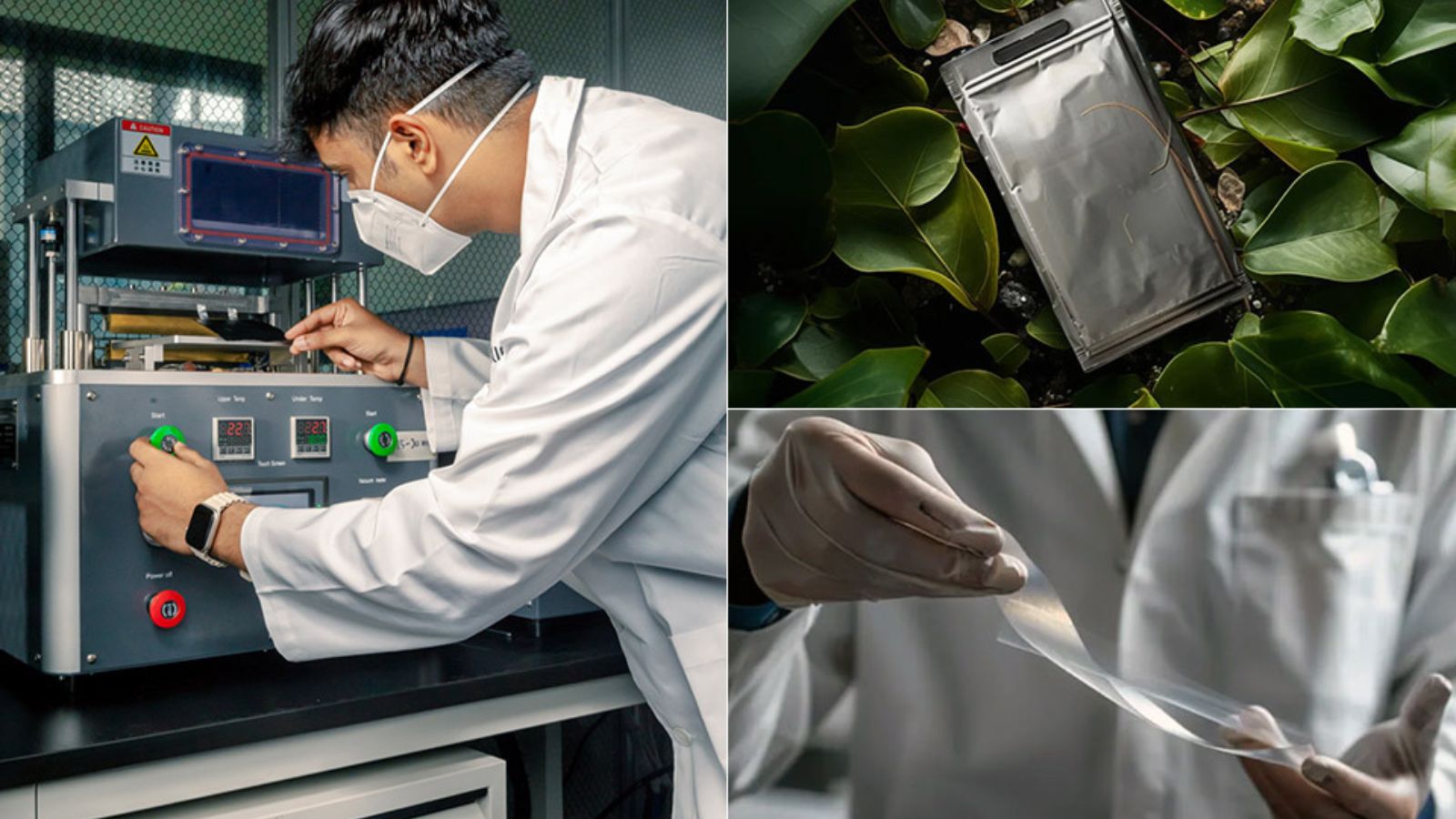
Instead of manufacturing expensive and difficult-to-recycle lithium batteries, engineers introduced in 2026 a battery made of paper and salt that is completely biodegradable: the Flint Paper Battery costs a fraction of conventional batteries and, when discarded, decomposes in the soil like a piece of newspaper.
-
A ship with 500,000 silver coins and 45 tons of gold sank and was never recovered; meet Royal Merchant, the ship that became one of the greatest maritime disasters in history.

During the tests, it achieved a fuel efficiency of 79%, which is nearly twice as high as a common scramjet engine under the same conditions. The main component of the fuel for the engine’s prototype is boron powder, according to researchers in China.
With a gray color, boron can burn fiercely when exposed to oxygen. Thus, researchers introduced boron powder into the combustion chamber and, by changing the injection mode from one to several nozzles, produced larger shockwaves that expanded and flowed higher toward the hypersonic engine’s air intake, instantly reducing the speed of fresh air. This allows boron powder to interact more with air molecules and undergo enhanced chemical reactions.
Missiles Can Be More Sensitive And Maneuverable To Targets
China’s tests resulted in higher combustion temperatures and more thrust, allowing the hypersonic engine to travel for longer periods. According to Likun, a solid scramjet engine has several advantages, such as a simple structure, high flame stability, high specific impulse, and the potential to operate over a wide range of speeds.
Hypersonic missiles can fly at speeds of Mach 5, and the development of boron engine technology could make them more sensitive and maneuverable to targets, giving China’s missile defense systems a little more time to react.
The research team noted that some engineering issues in the technology, such as injector heat degradation, could limit the engine’s reusability. However, they believe that the data collected during ground tests will aid in the development of the hypersonic engine for a flight test.
China Is Also Supporting The Development Of New Hypersonic Propulsion Systems
The new engine can meet the variable thrust demands at various flight stages, due to its ability to change as flexibly as a liquid fuel engine, thus expanding its efficiency and mobility.
China is also supporting the development of several competing hypersonic propulsion systems, such as an oblique detonation engine that can produce 10,000 times more energy than conventional combustion.
According to Chinese authorities, such a disruptive technology could revolutionize human transportation and help the country catch up with others in traditional jet engine technology. Meanwhile, the new development of solid scramjet technology is seen as essential to China’s goals.









-

Uma pessoa reagiu a isso.