





 Portuguese
  English
  Spanish
  7 min of reading
  0 comments


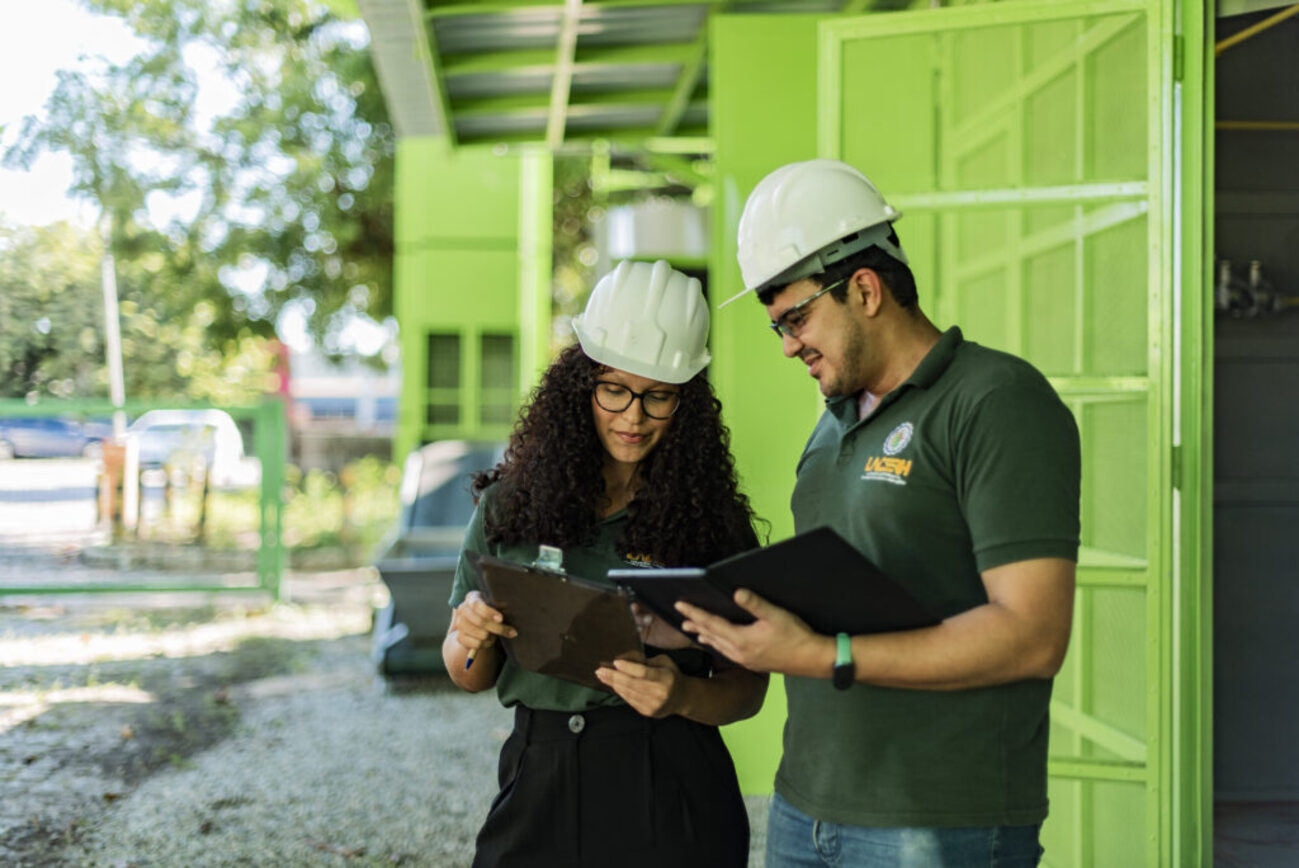
The state of Ceará consolidates its leadership in the circular economy by implementing biogas systems that generate electricity from wastewater treatment, ensuring the advancement of sustainable sanitation and the preservation of water resources.
Ceará takes a historic step in waste management by inaugurating a high-tech plant that transforms domestic sewage into electric energy, boosting sustainable sanitation in various regions of the state.
The initiative uses the biogas generated during the wastewater treatment process to power large generators, reducing dependence on the conventional power grid and cutting significant operational costs.
By April 2026, the project reaches its full capacity, allowing treatment plants to become self-sufficient and even inject surplus clean energy into the local system.
-
Brazilian state reaches historic milestone in sustainability: Study reveals that nearly all the energy produced comes from clean sources and boosts the electric matrix of Minas Gerais.
-
Chinese startup expands sustainable mobility with a fleet of 11,000 hydrogen bicycles and reaches millions of trips.

-
Extreme heat and drought waves are expected to afflict billions of people with a frequency five times greater by the end of the century!
-
Brazilian biogel reduces water usage by up to 85% in firefighting and can transform the way wildfires are controlled in fields and forests.
This solution addresses two critical problems at once: it eliminates greenhouse gas emissions into the atmosphere and provides a noble destination for organic waste that would otherwise represent only an environmental liability.
The Ceará government and partner companies project that this circular economy model will serve as a reference for all of Brazil, thus proving that technological innovation in the basic infrastructure sector generates immediate economic benefits and permanently protects the environment.
The concept of circular economy applied to sewage
The Ceará project redefines what society understands as “waste.” In the traditional model, sewage undergoes chemical and biological treatment only to return to rivers or the sea with a lower polluting load.
However, the concept of sustainable sanitation applied in 2026 views effluent as a valuable raw material. Inside the biodigesters of the new plant, bacteria decompose organic matter and release methane, a gas with high calorific power.
The plant captures this gas, which previously escaped freely into the ozone layer, and transforms it into fuel. This process prevents atmospheric pollution and generates a constant energy source that does not depend on rain or wind to operate.
Ceará takes advantage of this closed cycle to lower the electricity bill of municipalities and ensure that water and sewage treatment continues to operate even during national energy crises.
Real impact on public health and the taxpayer’s pocket
The implementation of sustainable sanitation brings direct reflections on the quality of life of the Ceará population. Cities that efficiently treat their waste then show drastic drops in waterborne disease rates, such as cholera and leptospirosis.
In 2026, technology allows treatment to reach peripheral areas more quickly, as the self-generated energy system enables operation in places where electrical infrastructure is still poor.

In addition to health gains, there is a positive financial impact. Sanitation companies are among the largest consumers of electricity in the country due to the use of powerful pumps. By generating their own energy from sewage, the company reduces its monthly expenses.
This savings allows for the freezing of tariffs or reinvestment in new collection networks, accelerating the universalization of the service provided for in the New Legal Framework for Sanitation.
How does a treatment plant become a giant “battery”?
Many citizens wonder how sewage turns into electricity in practice. The secret lies in the sludge, the solid part left after the initial filtration. This sludge undergoes a fermentation process in airtight tanks called biodigesters. Heat and lack of oxygen accelerate biogas production.
Then, this gas passes through purification filters and goes to internal combustion engines coupled to electric alternators. The movement of these engines generates the energy that lights homes and powers the plant’s own machines.
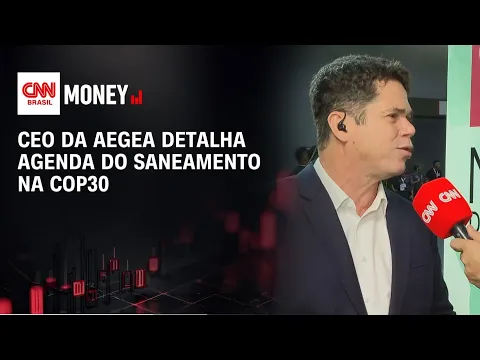

It’s as if the city is using its own waste to keep the lights on. Creating a system of “self-consumption” that protects the municipality against fluctuations in electricity prices in the free market.
The preservation of Ceará’s beaches and tourism
Ceará has an economy heavily dependent on coastal tourism. The guarantee of sustainable sanitation protects the beaches of Fortaleza and neighboring municipalities against black tongues and contamination by fecal coliforms. The new plant ensures that the final disposal of treated effluent is extremely clean, preserving the bathing quality of the waters and marine life.
In 2026, the state uses this green infrastructure as a quality seal to attract international tourists. European and American visitors prioritize destinations that demonstrate environmental responsibility.
By turning sewage into energy, Ceará sends a clear message to the global market: the state protects its natural resources with cutting-edge technology, thus ensuring safe vacations in a preserved and modern environment.
The role of digital technology in sewage monitoring
The biogas plant in Ceará operates under the command of Artificial Intelligence software. Sensors spread throughout the collection network monitor the flow of waste and the concentration of methane in real-time. If the system detects a drop in gas production, the algorithm automatically adjusts the pressure of the biodigesters to optimize generation.
This digital management prevents waste and ensures the safety of the plant. Strict emission control ensures that no unpleasant odor escapes to neighboring residential areas.
The modern treatment plant in 2026 resembles more of a technology center than the old treatment plants, with clean, automated environments monitored by remote control centers.
Valuable byproducts: Organic fertilizer and reused water
Sustainable sanitation does not end with energy generation. After the gas is removed, the sludge left in the biodigesters undergoes a drying process and becomes an excellent organic fertilizer rich in nitrogen and phosphorus. This material goes to agricultural producers in the interior of the state, replacing imported and expensive chemical fertilizers.
In addition to fertilizer, the plant produces high-quality reused water. This water is not suitable for drinking but is perfect for washing streets, watering public gardens, and cooling boilers in industries.
In a state that historically suffers from drought, every drop of reused water saves potable water from reservoirs. Ensuring that human supply is the absolute priority during prolonged drought periods.
Attraction of investments and the carbon credit market
Sustainable sanitation projects in Ceará attract investors looking for ESG (Environmental, Social, and Governance) assets. The plant generates carbon credits because it prevents methane, a gas 25 times more polluting than carbon, from reaching the atmosphere. These credits are sold in the international market to polluting companies that need to offset their emissions.
The money raised from carbon credits finances the expansion of the system to smaller cities in the interior of Ceará. This financial mechanism creates a virtuous cycle of growth without relying solely on state treasury resources.

Ceará positions itself as a laboratory for green finance, where basic sanitation ceases to be merely a cost and becomes a profitable and sustainable business.
Challenges: Environmental education and proper disposal
Despite the high technology of the plant, the success of sustainable sanitation depends on the behavior of the population. The disposal of solid waste, cooking grease, and chemicals into the sewage system harms the bacteria in the biodigesters and clogs the pipes. When a citizen pours oil down the sink, they reduce the city’s energy generation capacity.
Therefore, the government intensifies awareness campaigns in schools and neighborhoods. The goal is to teach that the drain at home is the beginning of a power plant.
In 2026, environmental education becomes a strategic part of urban planning, creating a generation of Ceará residents who understand the connection between proper waste disposal and maintaining a clean and energetically independent city.
The future: Biogas for the vehicle fleet
The next step in the Ceará strategy involves refining biogas to transform it into biogas fuel. This purified gas has the same characteristics as CNG (Compressed Natural Gas).
The plan envisions that the garbage trucks in the capital will be powered by the very gas generated from the waste they collect.
This zero-emission logistics would close the cycle of urban sustainability. The truck collects the waste, takes it to the plant, the plant generates the fuel, and the truck returns to the street without burning a drop of diesel. This innovation places Ceará at the forefront of sustainable transport, reducing noise and atmospheric pollution in large cities and serving as a model for the metropolises of the South and Southeast.
Ceará as an example of green infrastructure
The transformation of sewage into clean energy in Ceará proves that sustainable sanitation is the smartest path for Brazil’s development in 2026. By combining technology, environmental preservation, and economic viability, the state addresses historical infrastructure bottlenecks and prepares the ground for a more resilient future.
The population benefits in health, the government saves on energy, and nature appreciates the reduction in pollution load. The Ceará model demonstrates that basic sanitation goes far beyond burying pipes; it is about creating urban intelligence that values every resource and transforms environmental liabilities into energy assets.
Finally, this is the new standard for Brazilian smart cities, where sustainability ceases to be a discourse and becomes a practical reality in the life of every citizen.






Seja o primeiro a reagir!