





 Portuguese
  English
  Spanish
  3 min of reading
  0 comments


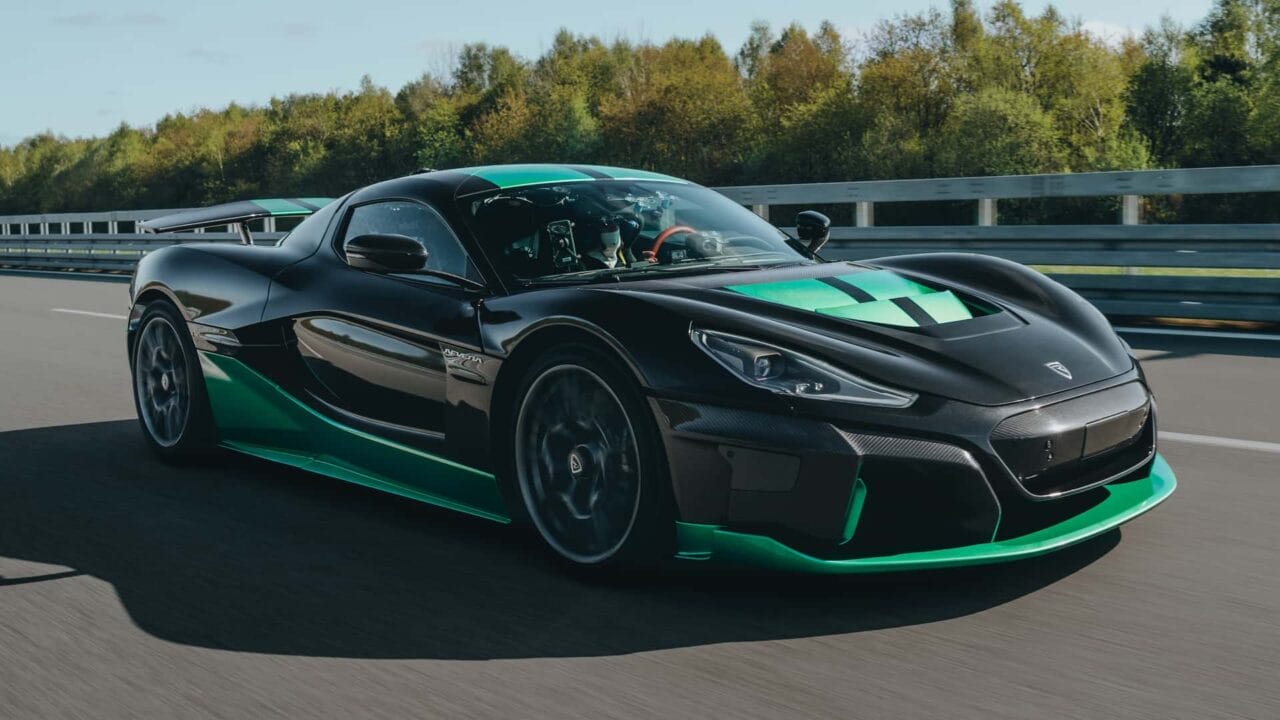
Rimac Nevera, Titled As The Fastest Electric Car In The World, Has Just Set A New Record By Reaching The Speed Of A Honda Civic Type R In Reverse.
A new record has been set at the Papenburg Automotive Testing Center in Germany. The fastest electric car in the world, Rimac Nevera, achieved an incredible feat, reaching an impressive speed of 275.74 km/h in reverse, which is the maximum speed of a Honda Civic Type R “in reverse”.
Understand How The Fastest Electric Car In The World Broke This Record
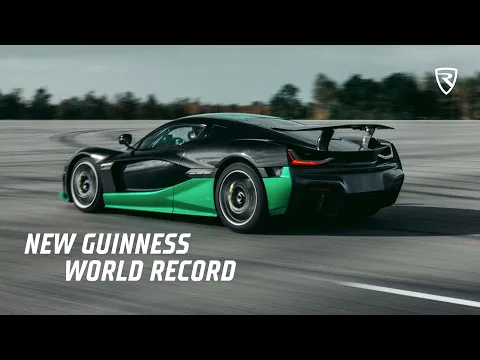

The chief engineer of the Nevera, Matija Renic, expressed surprise at achieving this feat with the electric car. During development, the team realized that the Rimac Nevera could be the fastest car in the world in reverse, however, they laughed a lot at the idea.
After all, the aerodynamics, cooling, and stability of the fastest electric car in the world were not originally designed for high-speed reverse driving. However, they began to discuss how fun it would be to try this.
-
The German economist Wolf-Peter Schill has no doubts: “Electric cars are already far superior to cars with internal combustion engines.”

-
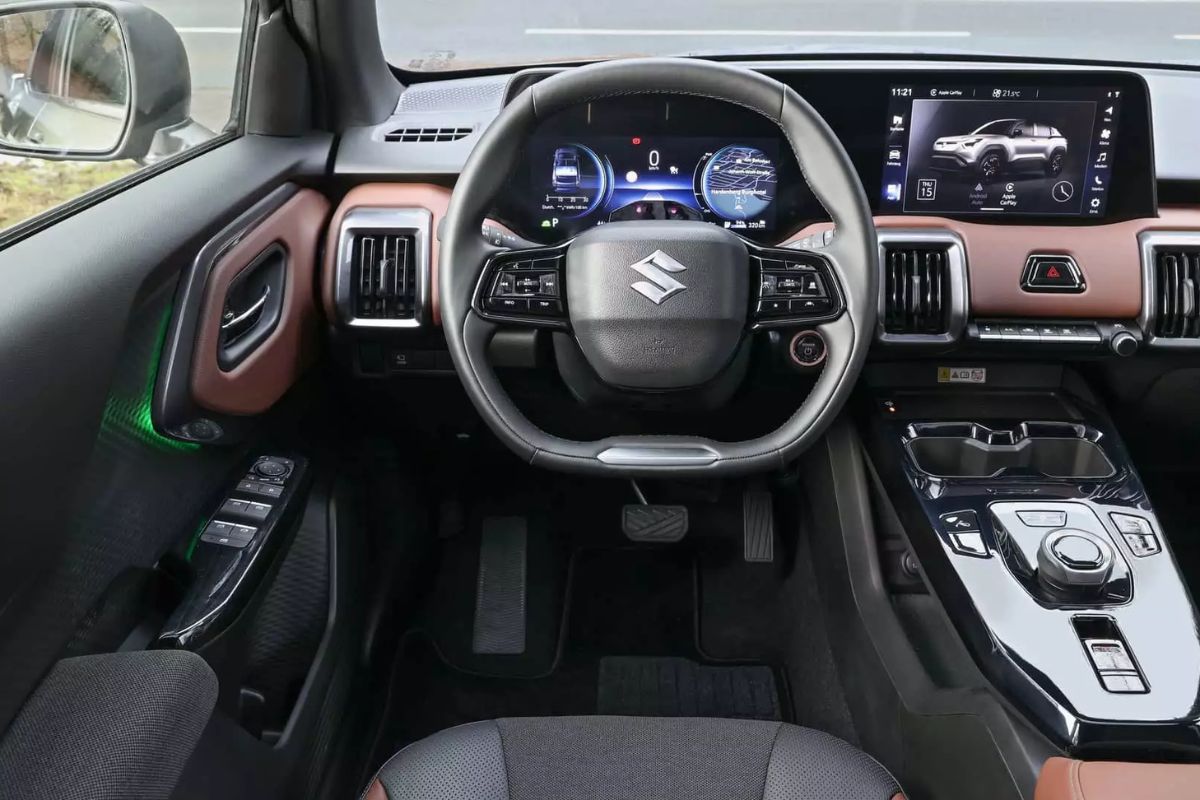
The 2026 electric Vitara arrives in Brazil and proves that Suzuki is not leaving: 4×4 traction, 184 hp, 61 kWh LFP battery, 293 km range, R$ 259,000, and a trunk capacity of 224 L.
-
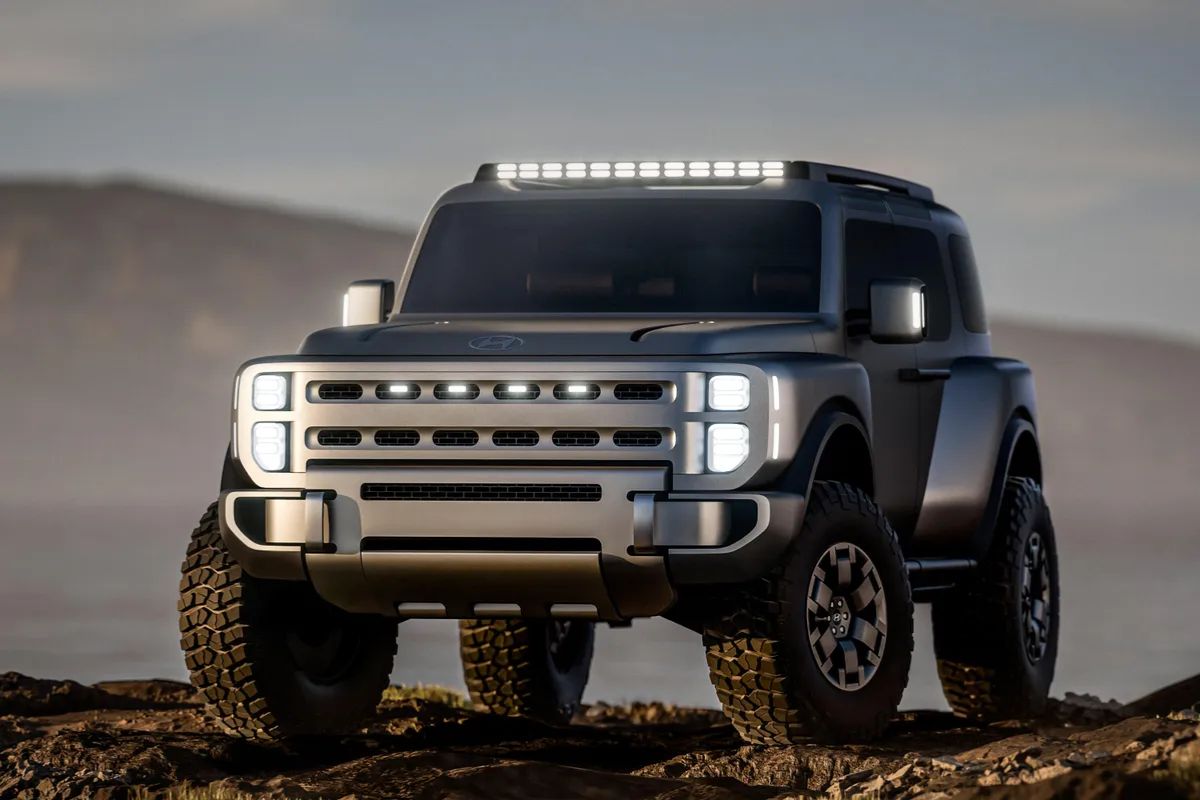
Hyundai has unveiled the Boulder, a square SUV with a body-on-frame design, 37-inch mud tires, and carriage-style doors that seems to be made to take on the Ford Bronco and the Scout Traveller in the United States.
-
Largest public charging network in Brazil: BYD reaches 125 fast chargers and accelerates national expansion of electric mobility.
Simulations indicated that it could be possible to exceed well over 240 km/h, but there wasn’t much idea of how stable it would be. The manufacturer’s engineer claims that the vehicle was entering unknown territory.
Challenges Faced
According to Goran Drndak, the Rimac test driver, driving in this position was not easy. During the lap itself, it definitely took time to get used to. You are looking directly in the opposite direction, and the scenery flashes by as you accelerate more and more, feeling your neck being thrown forward, almost the same feeling you would have during hard braking.
You need to move the steering wheel gently and carefully to avoid losing balance, looking at your path and seeking your braking point through the rearview mirror, all while glancing at the speedometer. Because it is completely unnatural for the way the car was developed, the Rimac Nevera set a new record.
Rimac Nevera Could Have Gone Further
The fastest electric car in the world could have gone even further, as it has electronic programming to prevent it from going any faster. Without this programming, the model can reach speeds of 320 km/h in 11 seconds.
The sports car achieved this feat due to its single gear, a common concept in electric cars that eliminates the need for traditional gears. With the result, the Rimac added another milestone to its list of 20 records. At the beginning of the year, the Rimac Nevera entered the Guinness Book by going from 0 to 100 km/h in just 1.8 seconds.
With a price of approximately R$ 12 million, the fastest electric car in the world combines four electric motors, one on each wheel, producing 1,914 horsepower and 240.8 kgfm of torque. Equipped with a 120 kWh battery, it offers up to 490 km of range in the European cycle and can reach 400 km/h without a drop of gasoline. Additionally, the model has an onboard Nvidia supercomputer, a machine that adjusts the torque sent to each wheel about 100 times per second.
Students Create Electric Car That Goes From 0 To 100 In Less Than 1 Second
The prototype named Mythen was developed by an academic group from the Federal Polytechnic School of Zurich and the University of Lucerne (Switzerland) to go from 0 to 100 km/h. The test was conducted at the Swiss circuit of Dübendorf, where the electric vehicle recorded a time of 0 to 100 km/h in just 0.956 seconds to accomplish this feat. The model has 326 horsepower and motors in all four wheels.








Seja o primeiro a reagir!