





 Portuguese
  English
  Spanish
  3 min of reading
  1 comment


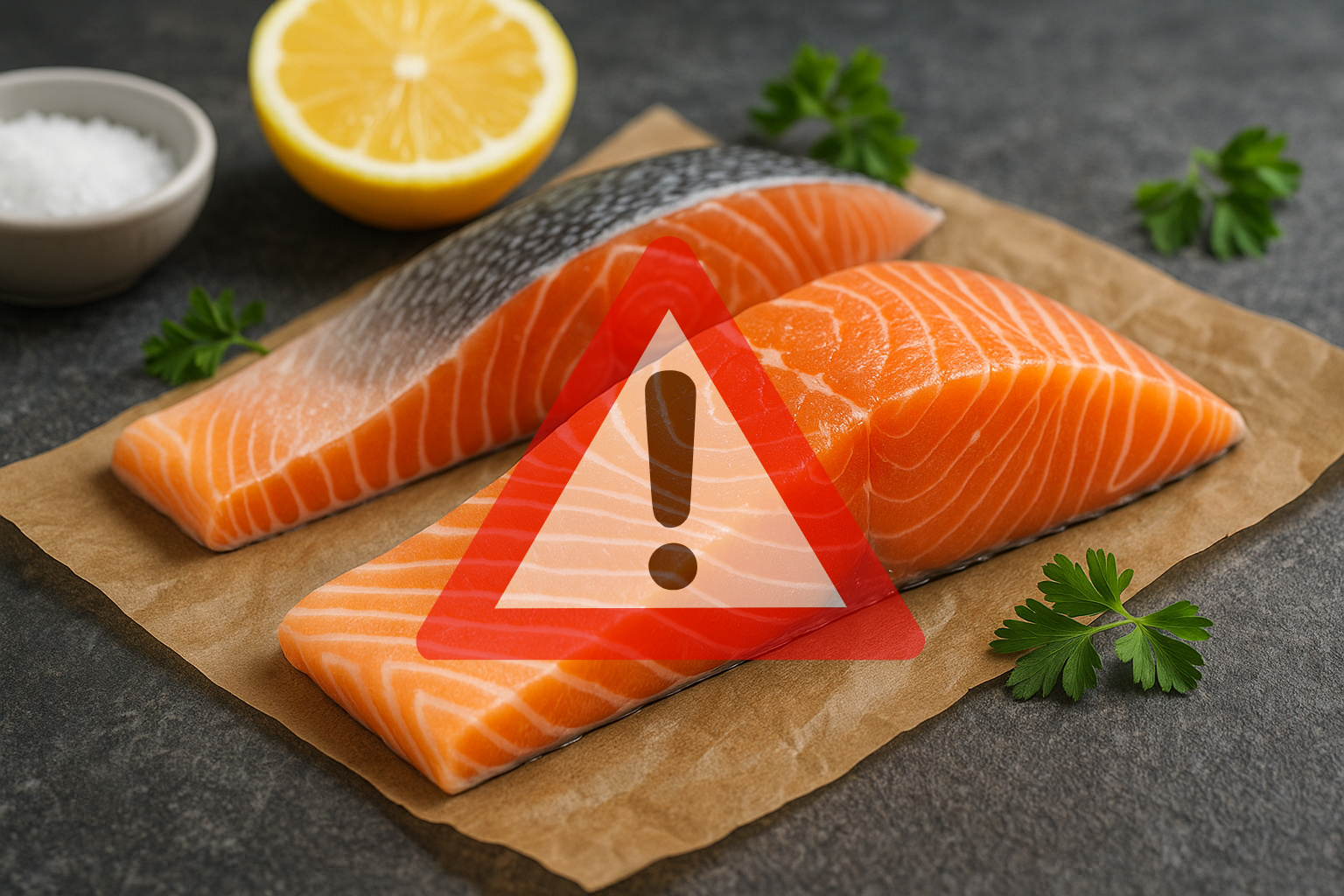


The Growing Consumption of Farm-Raised Salmon in Brazil Reignites Concerns About Contaminants, Nutritional Quality and Environmental Impacts Associated with Intensive Aquaculture
Farmed salmon has become a common choice in the Brazilian diet, especially in popular dishes like sushi and sashimi. However, experts highlight that this type of production, predominant in countries such as Norway and Chile, raises ongoing concerns about contamination and food safety. Although widely available in retail, it remains the subject of technical discussions involving health risks and environmental effects.
Contamination in Farmed Fish Consumed in the Country
Recently published studies reinforce that farmed salmon may contain residues of heavy metals, pesticides, and chemicals used for parasite control. Since a large portion of the product consumed in Brazil is imported, intensive farming is seen as a central factor in the presence of these contaminants. Thus, researchers emphasize that overcrowded environments favor the use of antibiotics and chemical agents that may remain in the fish until it reaches the consumer.
Overcrowded Environments and Industrial-Scale Antibiotic Use
The intensive farming of salmon in concentrated tanks leads to the recurring use of products aimed at disease and parasite control, according to technical analyses cited by experts. This dependency on chemicals, therefore, generates ongoing debates among researchers and health authorities. Although consumption is common, experts assert that the accumulation of these substances in the human body is one of the main reasons for concern.
-
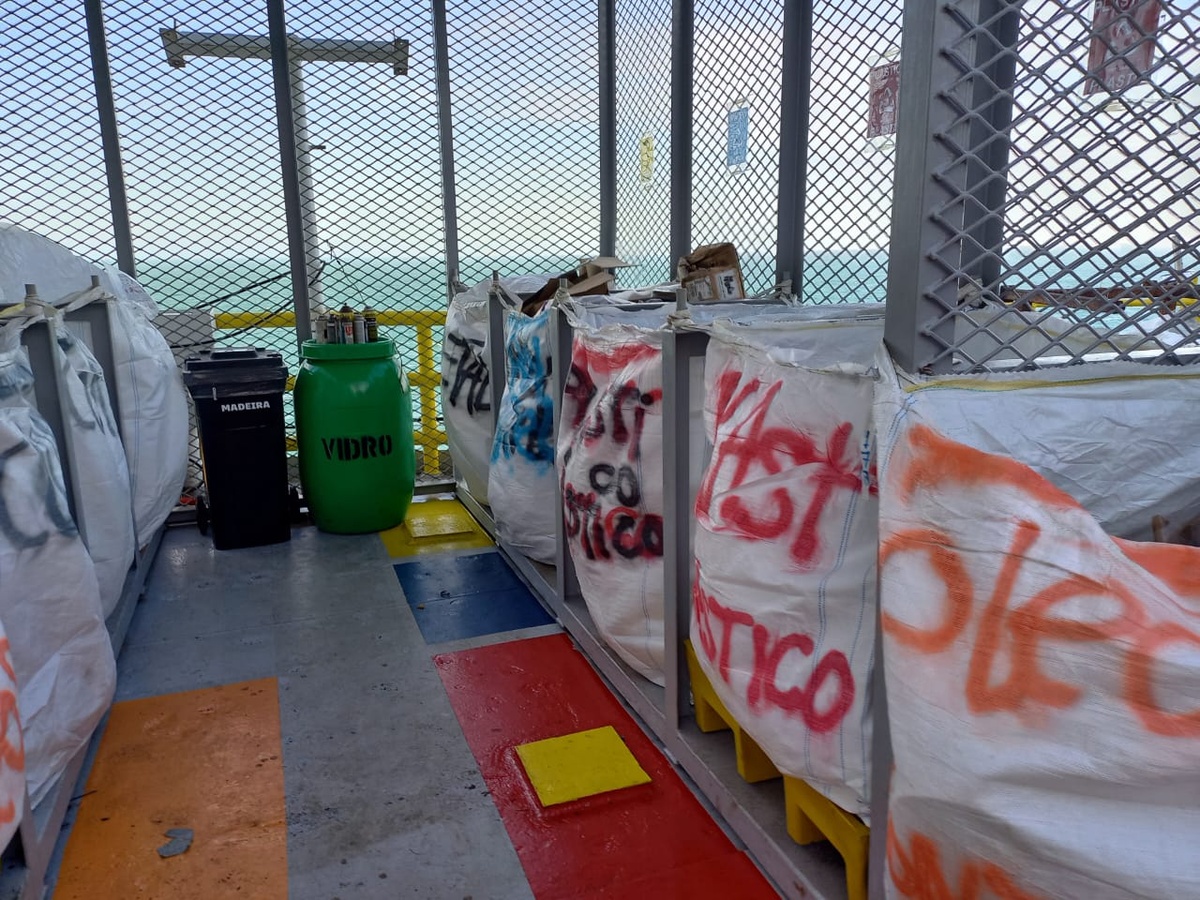
Foresea achieves 100% offshore waste reuse in 2025, eliminates landfill disposal, and consolidates sustainable strategy with 1,500 tons recycled.
-
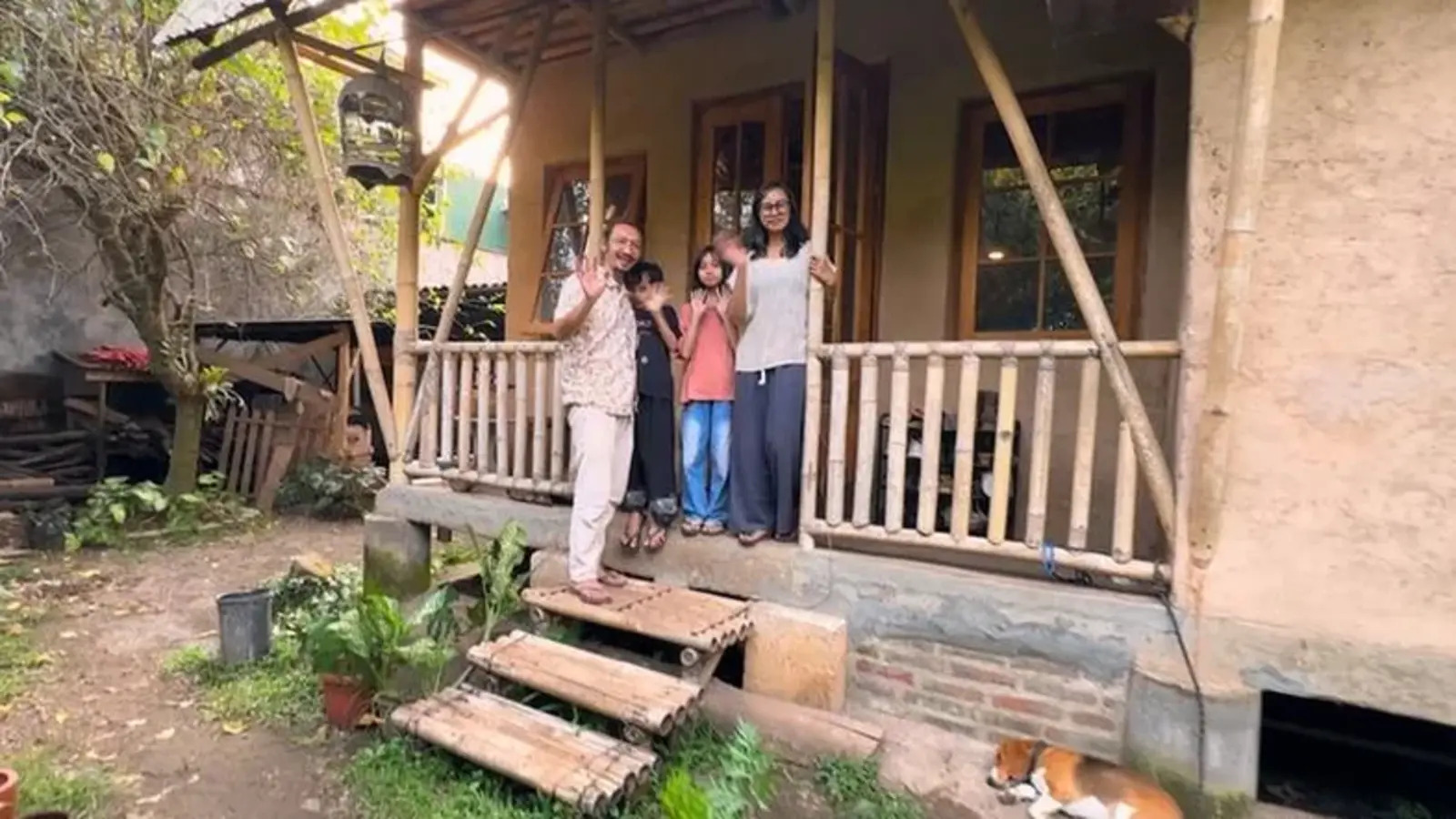
With earth, bamboo, straw, and lime mortar, a specialist builds a house for just over $460 and draws attention for its cost being much lower than traditional construction.
-
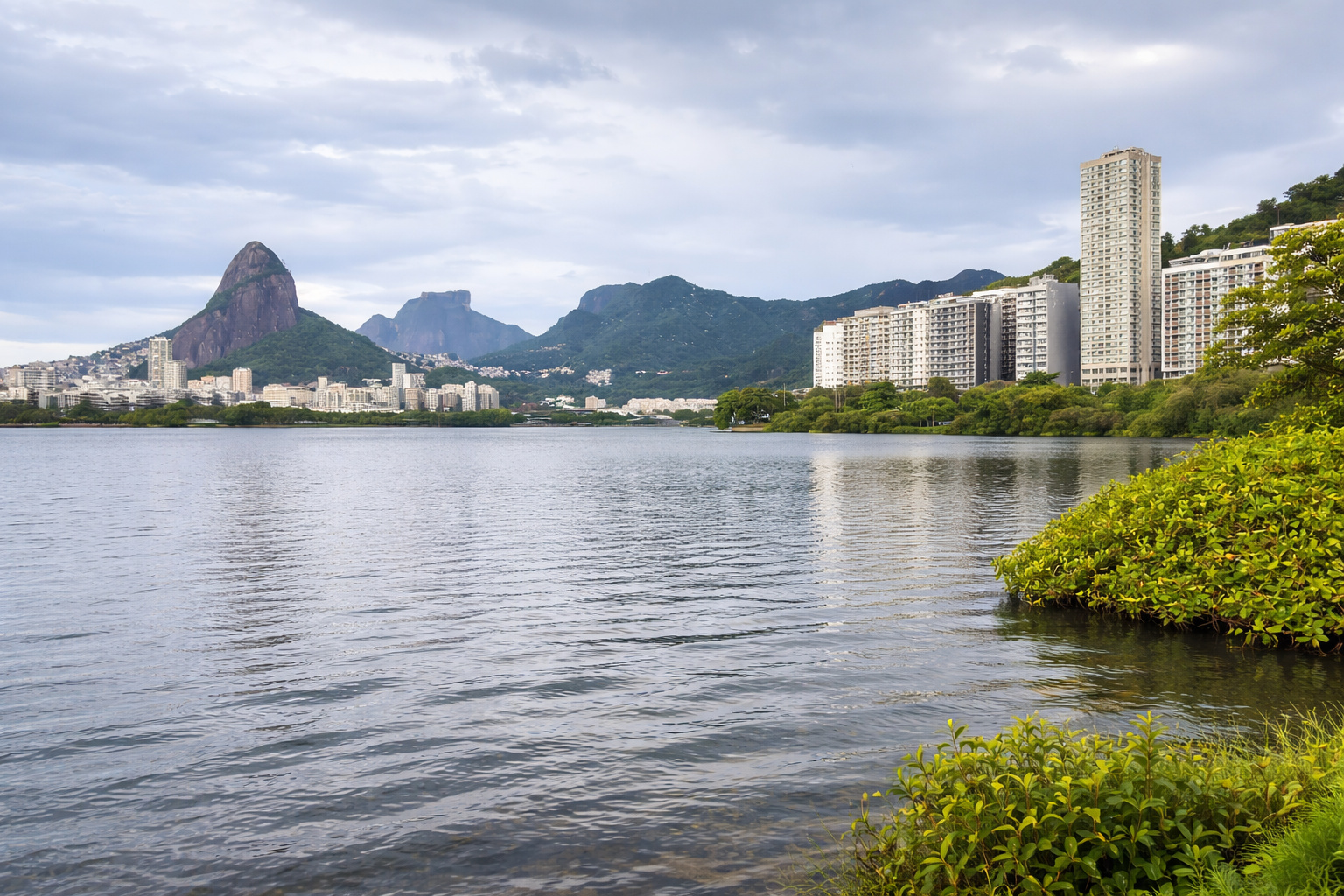
Rodrigo de Freitas Lagoon advances in environmental recovery with sanitation, elimination of irregular sewage, and the resumption of water sports in Rio de Janeiro.
-
Sustainable housing gains strength with a nationally awarded project in Campo Grande, highlighting innovative solutions that combine sustainability, urban integration, and efficiency in the use of natural resources.

Environmental Impacts Associated with Aquaculture
In addition to health risks, the production of farmed salmon causes significant impacts on the marine environment, according to environmental analyses. Overcrowding, coupled with the use of artificial feeds, contributes to aquatic pollution and alters the dynamics of local ecosystems. Thus, the activity ends up interfering with marine biodiversity, especially in areas where tanks are installed on a large scale.
Nutritional Differences Between Farmed and Wild Fish
Nutritionally, farmed salmon tends to have more saturated fat and lower levels of omega-3 compared to wild salmon. Experts emphasize that this difference stems from the type of feed used in intensive farming. As a result, discussions about nutritional quality have gained traction among researchers and consumers seeking to understand the impacts of each type of fish on the diet.
Debates on Food Safety and Regulation
Researchers and regulatory bodies have been increasing their analysis of the safety of farmed salmon, especially after the publication of studies highlighting the risks associated with the production model. Thus, the technical debate about safe limits, regulation, and monitoring continues to evolve, indicating that transparency in the production chain is essential to properly guide the Brazilian consumer.







Cade a referencia dos especialistas? Quem falou isso? Por favor cite as fontes