





 Portuguese
  English
  Spanish
  4 min of reading
  0 comments


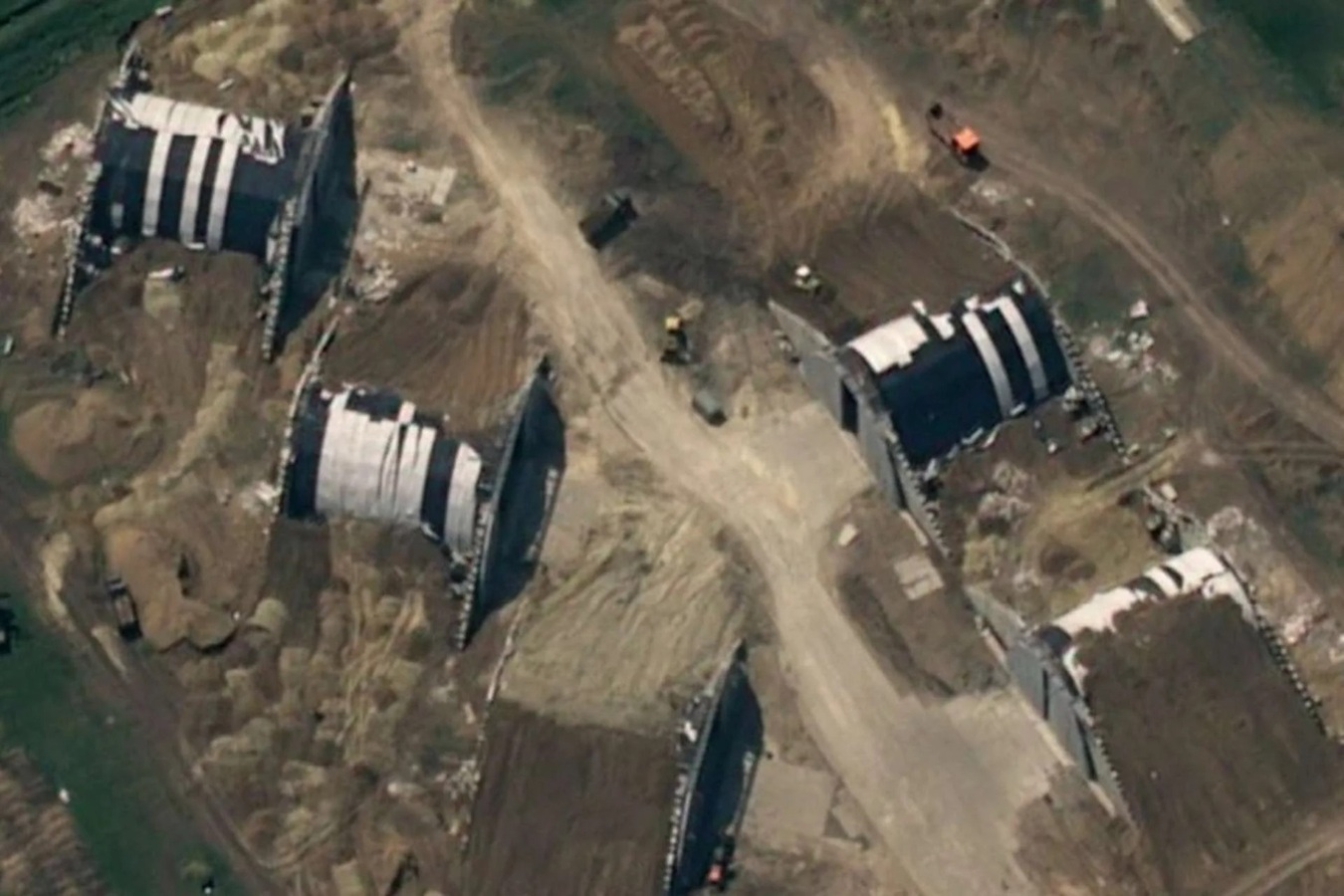
After Suffering Successive Attacks from Ukrainian Drones, Russia Began the Construction of Reinforced Shelters to Protect Its Aircraft at Air Bases Near the Border. The Measure Reflects a Strategic Change and Indicates That the Kremlin Is Preparing for a Prolonged Conflict.
The UK Ministry of Defense Released a Non-Confidential Update on July 29, 2025, Revealing That Russia Has Begun Building Reinforced Aircraft Shelters at Its Air Bases.
The Measure Emerges as a Direct Response to the Increasing Effectiveness of One-Way Drone Attacks Launched by Ukraine Against Russian Military Infrastructure.
Most Importantly, This Initiative Represents a Strategic Change on Russia’s Part.
-
They were brilliant! Scientists discover that our ancestors in China were already making super advanced tools 160,000 years ago, changing everything we knew.

-
Scientists unveil 3 million years of climate secrets hidden in the ice of Antarctica.

-
Ancient farmers created “aggressive plants” that changed nature forever.

-
Astronomers find a “backward” solar system that ignores all the rules of space and leaves scientists scratching their heads!


Until Then, The Air Bases Maintained Conventional Structures, But Recent Attacks Forced the Kremlin to Adopt More Robust Defensive Measures.
Bases Near Ukraine Receive Priority
Construction Efforts Are Primarily Focused on Airfields Located Near the Ukrainian Border. Among Them Are Millerovo, Kursk Vostochny, and Hvardiiske. Satellite Images and Open Source Intelligence Confirm the Advancement of Works at These Sites.
At Millerovo Air Base, Located Just 17 Kilometers from the Border with Ukraine, Eight Drive-Through Shelters Have Been Erected and Are Nearly Ready. This Base Had Already Been Targeted in an Attack on July 22, Which May Have Accelerated Reinforcement Efforts.
Additionally, The Built Shelters Feature Arch-Shaped Domes, Thick Doors, and Resistance to Explosions. They Also Have Earth Cover, Increasing Protection Against Drones and Missiles.
Protection for Fighters and Long-Range Ammunition
The New Shelters Primarily Serve to Protect Valuable Assets of the Russian Aerospace Forces. Among the Equipment Mentioned Are Su-30SM and Su-34 Fighter-Bombers, Which Operated in the Region.
Therefore, The Shelters Can Function as Both Storage Areas for These Aircraft and Places to Prepare Long-Range Ammunition. This Would Indicate a Russian Attempt to Maintain Its Offensive Operations, Even in the Face of New Threats.
Direct Response to the Ukrainian Campaign “Pavutyna”
The Construction of Shelters Is Directly Related to the Growing Impact of Ukrainian Drones. These Attacks, Conducted Within the Campaign Known as “Pavutyna” (or “Spider Web”), Have Successfully Hit Sensitive Military Targets with Precision and Low Cost.
In Light of This, Russia Appears to Have Opted for a More Defensive Stance. Although This Reduces Its Operational Flexibility, It Also Allows for the Preservation of Valuable Resources and Ensures Minimum Continuity of Air Operations.
Limits of Physical Protection
Despite the Reinforcement, These Shelters Do Not Guarantee Invulnerability. Advanced Western Weapons, Such as the GLSDB (Ground-Launched Small Diameter Bomb), Storm Shadow Cruise Missiles, and Ukrainian Neptune and Hrim-2 Missiles, Can Still Pose a Real Threat.
For the Destruction of These Shelters to Occur, a Direct Attack with Guided Heavy Munitions or a Coordinated Saturation Action Would Be Necessary. Therefore, The Effectiveness of the Reinforcement Will Depend on the Quality of Local Air Defense and the Precision of Ukrainian Intelligence.
Alert Inside the Kremlin
More Than a Tactical Response, The Construction of Shelters Reveals Growing Concern Among Russian Leaders. Recently, Strategic Bombers Were Transferred to More Distant Locations, Such as Anadyr, Near the US Border. The Decision to Cancel the Russian Navy Day Parade Also Points to an Atmosphere of Insecurity.
These Actions Show That the Russian Military Command Recognizes the Vulnerability of Its Facilities and Is Seeking Ways to Adapt to a New Reality on the Battlefield.
New Phase of the Air War
The War Has Entered a Stage Marked by Asymmetrical Threats. Drones, With Their Low Cost and High Mobility, Have Become Key Pieces in the Conflict. Russia, Even Being a Nuclear Power, Has Been Forced to Review Its Strategy and Invest in Fixed Defense.
This Change Indicates That Moscow Does Not Expect a Quick Solution to the War. On the Contrary, It Is Preparing for a Prolonged Scenario Where Long-Distance Attacks Will Continue to Be Part of Military Life.
Infrastructure as an Element of Survival
The Decision to Reinforce Air Bases Suggests That the Russian Command Sees These Locations as Critical Points of Survival. The Rear Areas, Previously Considered Safe, Are Now at Constant Risk.
Therefore, The Construction Effort Is Not Just a Temporary Measure. It Shows That Russia Is Adapting Its War Doctrine to Face a Reality Where Security Relies on Physical Resilience and Integration with Broader Air Defense Systems.
Conclusion: New Doctrine Under Construction
Instead of Relying Solely on Mobility and Firepower, Moscow Is Beginning to Depend on the Resilience of Its Infrastructure. The Shelter Program Does Not Represent Invincibility, but a Concrete Response to a Threat That Has Come to Stay.
The Advancement of Ukrainian Drones Has Forced a Superpower to Turn Its Attention to Basic Protection. This Marks a New Chapter in the War and Practically Rewrites Air Survival Strategies in Modern Conflict.








-

Uma pessoa reagiu a isso.