





 Portuguese
  English
  Spanish
  5 min of reading
  2 comments


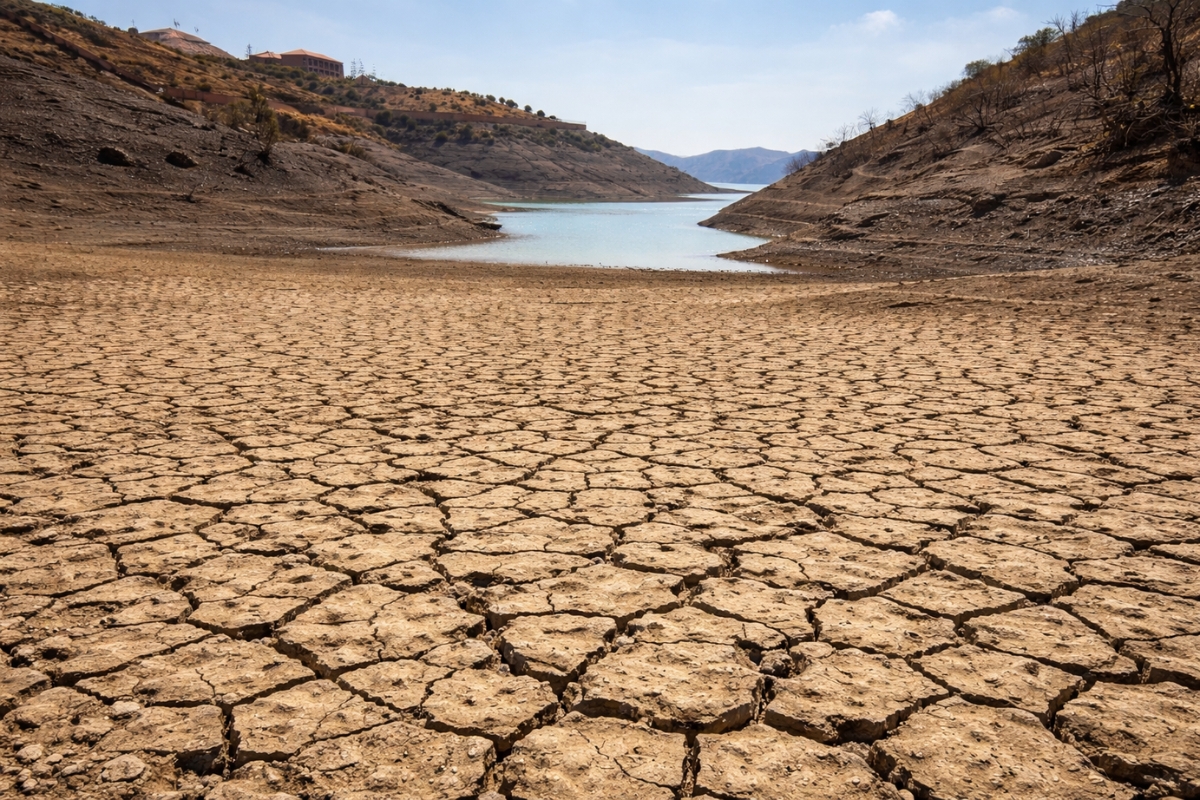


Morocco Expands 17 Plants, Dams, and Canals to Bring More Water to the Interior, Reduce the Pressures of Drought, and Sustain Supply Until 2030.
Morocco has decided to change the scale of its response to the water crisis. After years of severe drought, the country has begun to accelerate large-scale projects to ensure water in cities, alleviate pressure on the interior, and reduce dependence on increasingly irregular rainfall.
The movement involves 17 desalination plants in operation, plus 4 under construction and 9 planned, in addition to dams, canals, and water transfer networks. The official goal is to reach 1.7 billion cubic meters per year by 2030, a volume that highlights the size of the ongoing change.
The strategy does not only target the coast. The idea is to use treated seawater to supply coastal areas and, with that, preserve more water from reservoirs for the interior regions, where scarcity weighs more on human consumption and agricultural production.
-
7,000-year-old bonfire in southern Israel reveals a rare scene from the past and uncovers ostrich eggs prepared by nomads in the desert.
-
Gigantic megalithic mound of 42 meters emerges during housing construction in Lublin and reveals a Neolithic megadendron with a moat of nearly 30 meters.
-
The surprising fact: 1 in 3 Brazilians doubts the arrival of man on the Moon, while the majority still believes in the historic achievement, according to a Datafolha survey with more than 2,000 people.

-
Scientists have finally discovered where the plastic that disappeared from the oceans went, and the answer is frightening: it fragmented into such tiny particles that they became invisible and now there are 27 million tons of nanoplastic just in the North Atlantic.

Prolonged Drought Forced a Turn in Water Policy
The water crisis has ceased to be a temporary problem. Over the last few years, the lack of rainfall has affected reservoirs, pressured prices, reduced water supply, and increased tension in rural areas, especially in the driest parts of the country.
As a result, the dependence on the traditional model has become more evident. Dams remain central pieces, but they are no longer sufficient on their own to sustain demand in a scenario of irregular rainfall, urban growth, and increasing pressure on available resources.
This shift shows that Morocco is no longer working with the idea of awaiting a rapid normalization of the climate. The country has begun to build a structure designed to cope with structural scarcity and with harsher periods of instability.
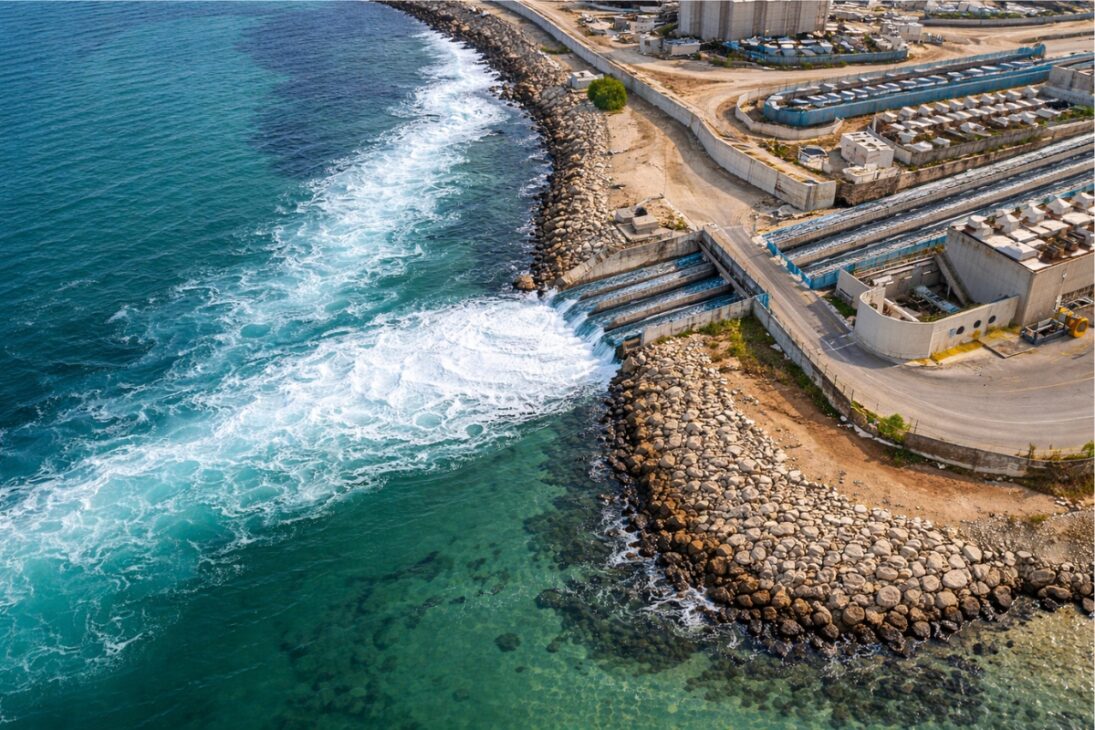
Desalination Gains Ground with Target of 1.7 Billion m³ by 2030
The core of the new strategy lies in the expansion of desalination. By transforming seawater into potable water, Morocco seeks to alleviate the pressure on dams and aquifers, especially in coastal areas where urban demand is high.
The target of 1.7 billion cubic meters per year by 2030 helps to size the bet. Today, the country already operates 17 plants, has 4 under construction, and plans 9 more, in a race to increase supply and reduce vulnerability to new cycles of drought.
This advancement also has a clear territorial goal. When coastal cities begin to rely more on desalination, more freshwater is available for the interior, where the competition for the resource is more sensitive and the impact of drought is usually deeper.
Dams and Canals Enter the Center of Redistribution to the Interior
The expansion of plants alone does not solve everything. Therefore, Morocco has also accelerated the opening of canals, transfer systems, and connections between regions to make water circulate more efficiently within the territory.
This layout functions as a compensation network. When an area has more availability, part of that volume can be redirected to points with greater shortages, reinforcing supply and providing more margin for response in critical moments.
According to Reuters, an international news agency with economic and geopolitical coverage, the country aims to reserve more water from dams for the interior and expand hydraulic links to areas such as Rabat, Casablanca, Doukkala, and Tadla, in an attempt to reorganize the national water map.
Renewable Energy Enters to Reduce Cost and Expand Reach
Desalinating water requires a lot of energy, and this is one of the biggest challenges of the plan. To make the operation more viable, Morocco is also trying to integrate these plants into a cleaner and more stable energy structure.
The proposal includes a line of 1,400 kilometers powered by renewable sources to supply part of these facilities. The logic is simple: reduce costs, increase operational security, and make the expansion less dependent on more expensive fuels.
In addition, the country is also testing floating solar panels over dams. The solution aims to produce electricity while simultaneously reducing evaporation, which is relevant in a scenario where every preserved volume can make a difference.
Heavy Rains Relieved Pressure, but Did Not Change Risk
After a critical period, the country experienced significant improvement with the return of rain and snow. This raised reservoir levels and brought immediate relief to the system, following a long cycle of water stress.
Still, the recent improvement does not erase the underlying problem. The logic of the works shows that Morocco operates under the idea that climate instability may return with strength, requiring a structure capable of responding to both drought and episodes of heavy rain.
The central point is that the country is not merely reacting to an emergency. It is redesigning its water infrastructure to confront a harsher, more unstable scenario with increasing pressure on supply.
The Plan Changes the Scale of the Water Dispute in the Country
The combination of desalination, dams, canals, and renewable energy shows that Morocco has entered an extreme water infrastructure phase. The goal is not just to increase supply but to reorganize who receives water, where it comes from, and how it reaches the most pressured points.
If the plan progresses as expected, the country may reduce some of the vulnerability that has exposed cities, rural areas, and reservoirs in recent years. This does not eliminate climate risk, but it changes the state’s capacity for response and repositions the strategic outlook on water in North Africa.








E o resíduo q sobra?
P onde vai ?
Na reportagem fala que devolvem ao mar, sem mais explicações. Os resíduos são o grande problema, gostaria de saber mais sobre esse descarte!