Portuguese
 Spanish



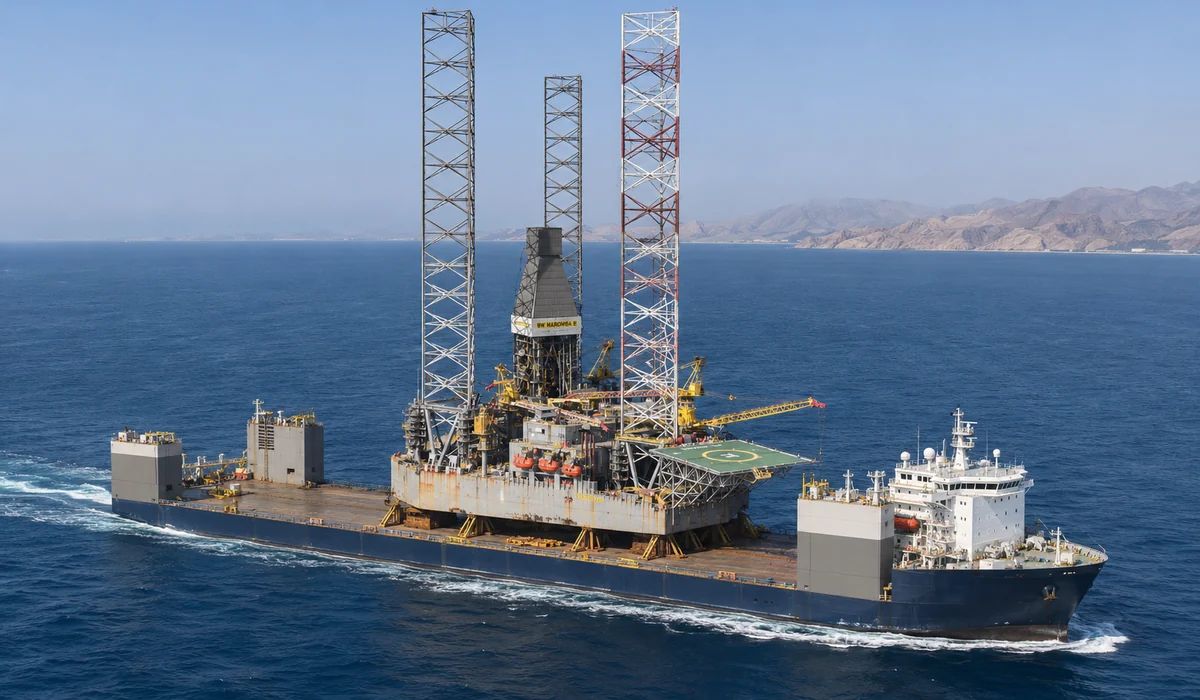
Contract to maintain and repair the P-25 and P-31 platforms is part of Petrobras’ strategy to extend production at the Albacora field, while negotiations continue over a new large-scale production unit.
Two platforms that began producing oil in the 1990s are back at the center of Petrobras’ plans for the future of the Campos Basin. The company intends to refurbish the facilities while preparing a new production system to tap the reserves still remaining at the Albacora field.
In information published by the industry publication Upstream on November 25, 2026, Petrobras received seven commercial bids to carry out maintenance and repair work on the P-25 and P-31 platforms.
The bidding also covers the supply of parts and components needed for work on the offshore units.
-

-

-
-
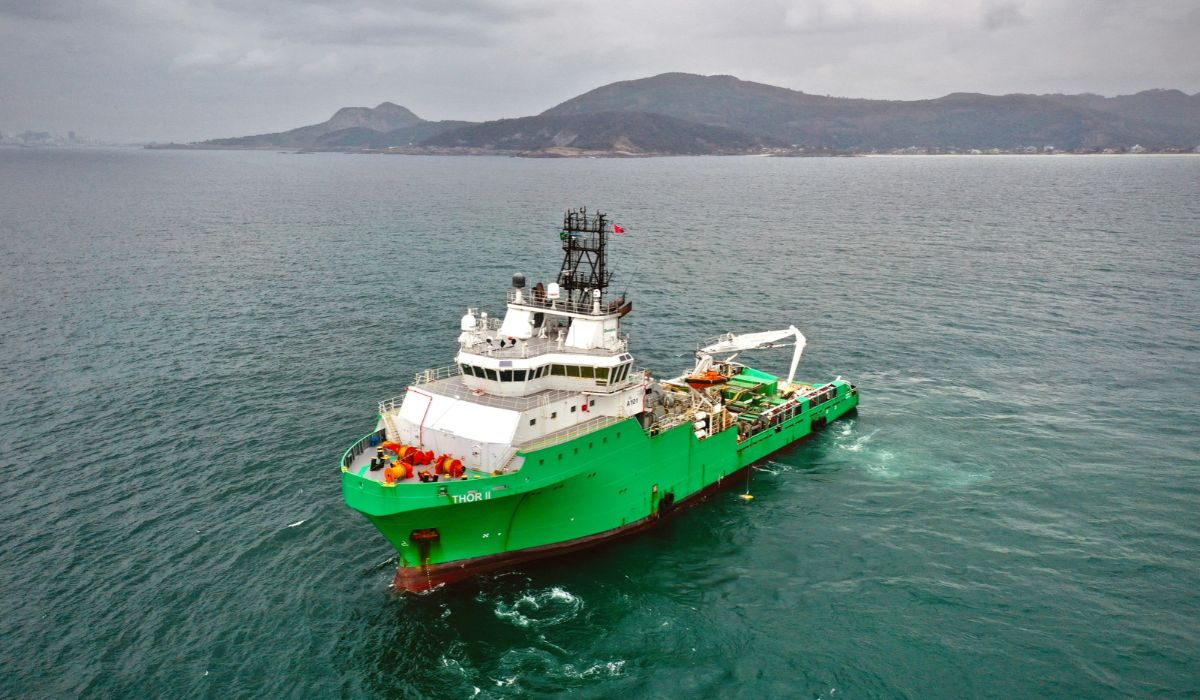


The contract is part of a broader strategy to preserve Albacora’s production capacity. The field’s production concession has been extended through December 31, 2047.
Platform refurbishment includes a range of offshore services
Listed under number 7004636038 on Petronect, the portal Petrobras uses for its procurement processes, the bidding period closed on November 5.
The scope ranges from routine work to services performed during major maintenance shutdowns.
Planned work includes metal fabrication, steel structure repairs, pipe maintenance, electrical work, instrumentation, industrial painting and scaffolding.
The contract also covers laser scanning, a technology used to accurately record the dimensions and features of existing facilities.
This capability is particularly useful on older platforms, where changes made over decades of operation can make engineering projects and equipment replacement more complex.
Carrying out this work offshore requires careful planning. Space constraints, materials transport, cargo handling and worker safety all need to be considered at every stage.
The value of the bids and the winning company have not yet been disclosed in the sources consulted.
Why Petrobras decided to refurbish a platform that was set to be decommissioned
Although they are part of the same production system, the P-25 and P-31 have quite different characteristics.
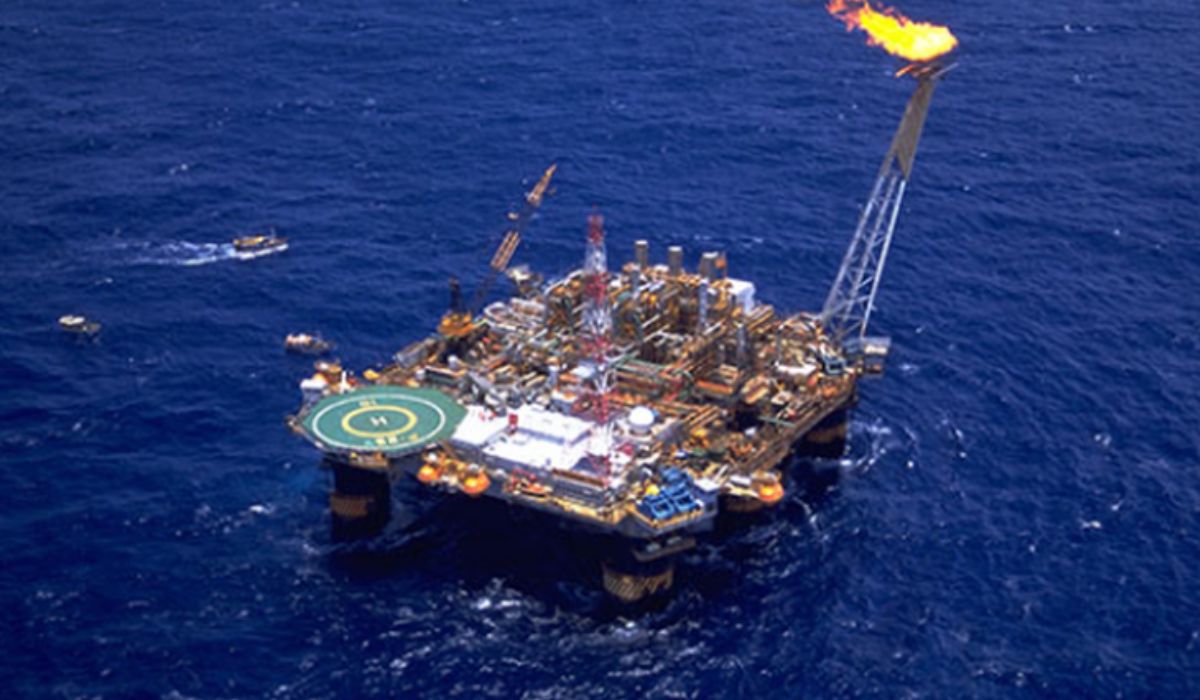
The P-25 is a semisubmersible platform that began operating in 1996, in an area with a water depth of about 570 meters.
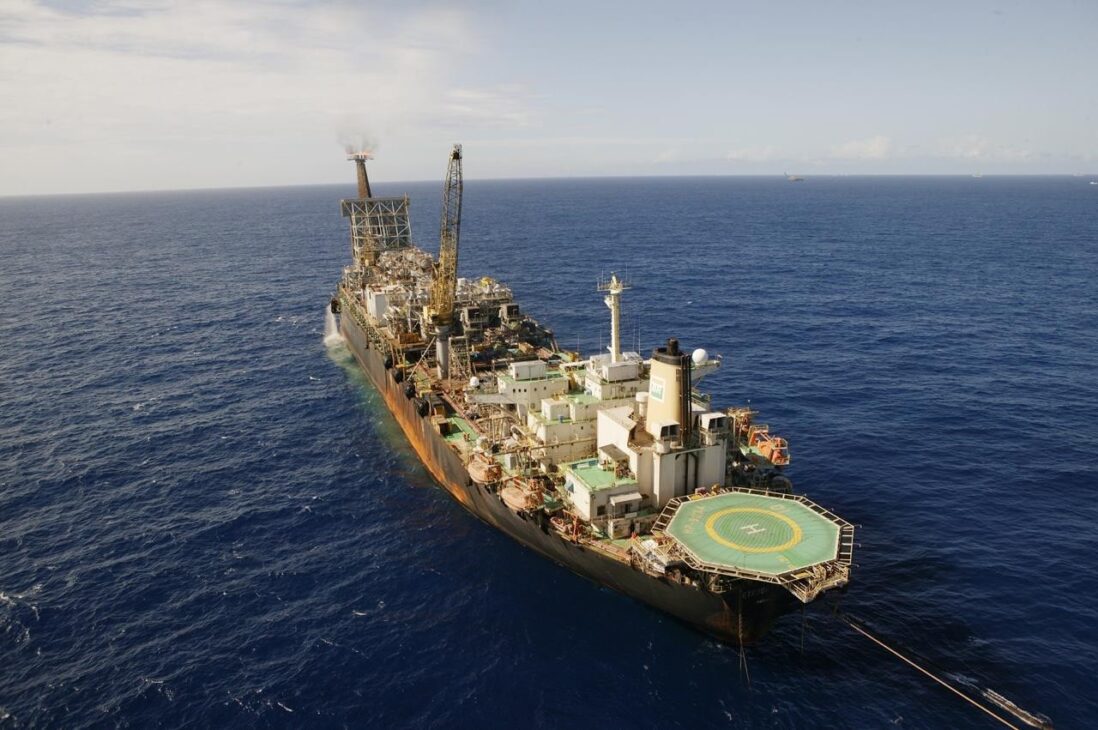
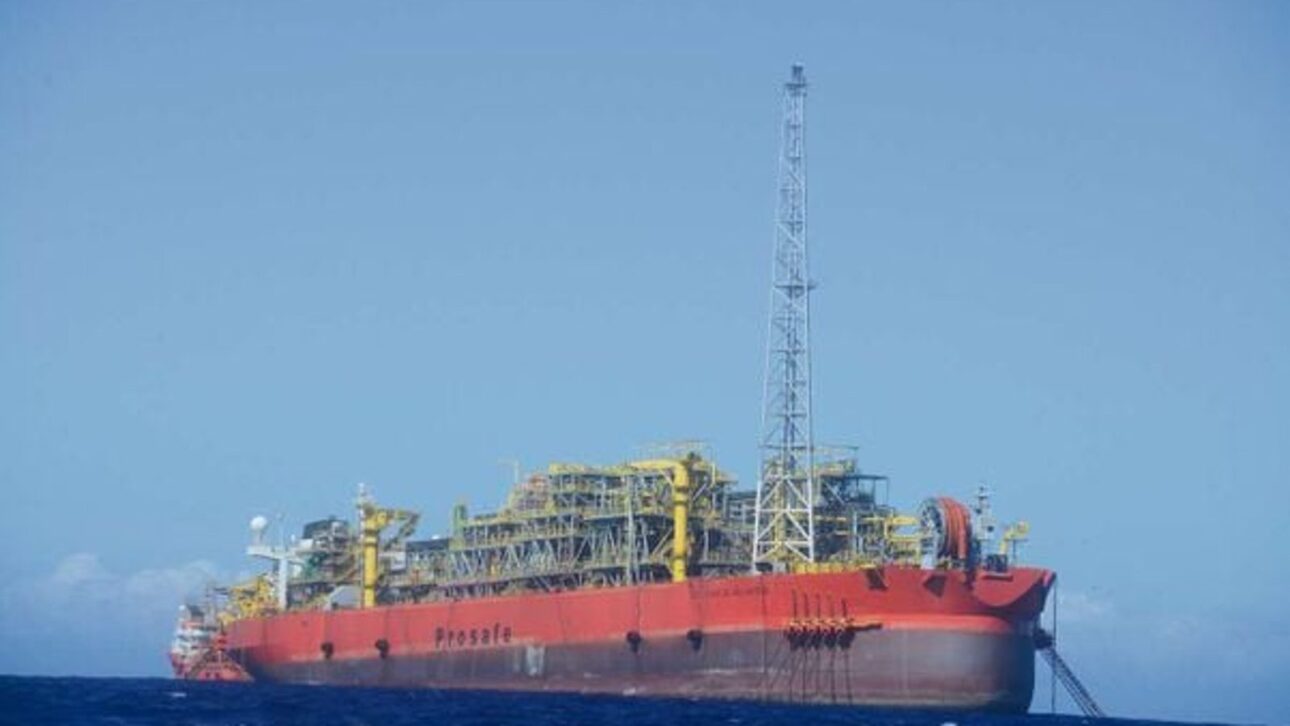
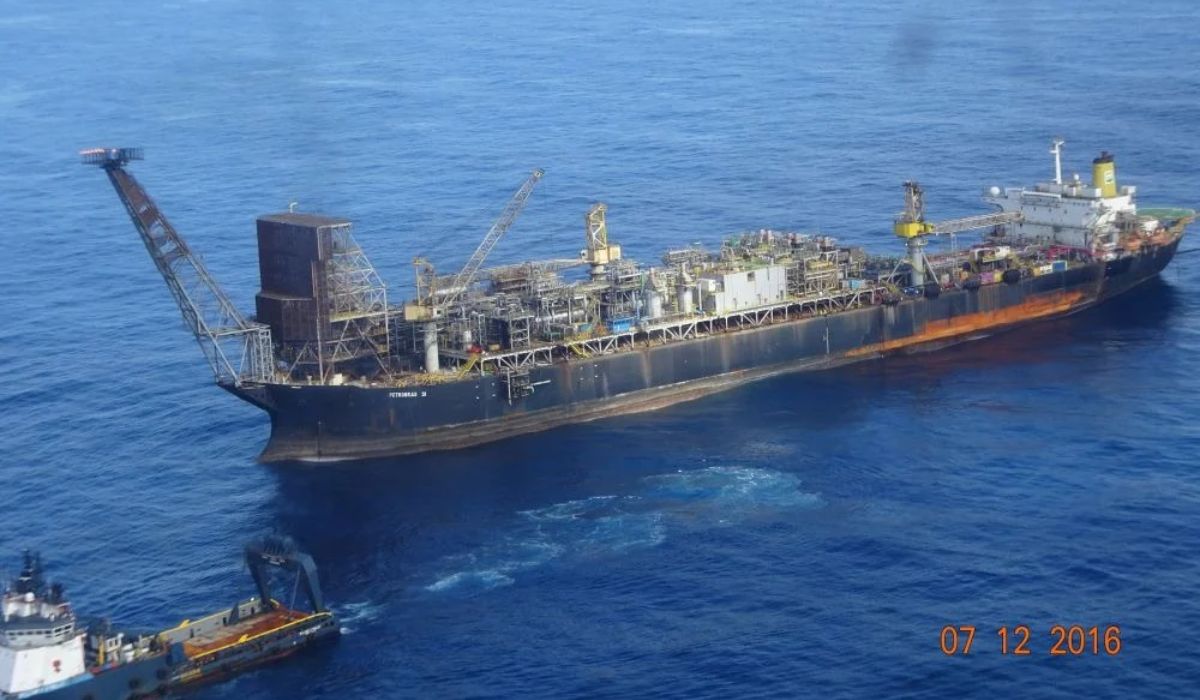
The P-31 began operating in 1998 and is an FPSO, a floating production, storage and offloading vessel capable of producing, processing, storing and transferring oil.
The two units are operationally interdependent, as oil produced by the P-25 flows through the P-31’s infrastructure.
That connection helps explain why Petrobras decided to restore the floating production vessel, which had previously been slated for decommissioning.
In May 2026, the company’s Director of Exploration and Production, Sylvia Anjos, said problems with three tanks had contributed to the initial decision to take the unit out of service.
Because Albacora no longer produces at the levels it reached during its peak, Petrobras identified an opportunity to keep using the platform while leaving those tanks out of service.
The restoration effort also drew the attention of regulatory bodies.
In early August, the North Fluminense Oil Workers’ Union (Sindipetro-NF) said it had taken part in an audit aboard the P-31 to assess the conditions required for operations to resume.
At the presentation of its 2027–2031 Business Plan, released in November, Petrobras said revitalization and integrity work had extended the P-31’s operating life through 2030.
Albacora field still holds oil potential in the pre-salt
Discovered in September 1984, Albacora lies about 110 kilometers east of Cape São Tomé, off the northern coast of Rio de Janeiro state.
Production began in 1987, when deepwater exploration still posed a major technological challenge for Brazil’s oil industry.
Decades later, the field’s future took a major strategic turn.
In September 2022, Petrobras ended negotiations to sell Albacora to PetroRio, now PRIO, and decided to keep the asset in its portfolio.
The company shifted its focus to revitalizing the field, including developing the Forno reservoir, located in its pre-salt area.
In November 2023, Brazil’s National Agency of Petroleum, Natural Gas and Biofuels (ANP) approved a revised development plan and extended the contractual production phase through the end of 2047.
That deadline does not mean the existing platforms will remain in operation for another two decades. The strategy calls for replacing them with a new unit.
New P-88 platform could produce 120,000 barrels per day
Albacora’s future is closely tied to the contracting of the P-88, an FPSO designed to replace the P-25 and P-31 platforms.
According to Petrobras’ new plan, the unit will have the capacity to produce 120,000 barrels of oil and process up to 4.3 million cubic meters of natural gas per day.
The contract was still under commercial negotiation when the 2027–2031 Business Plan was presented.
In August, Sylvia Anjos said Malaysia’s Yinson had won the contract for the new platform, following three earlier contracting attempts that did not move forward.
To make the project viable, Petrobras adopted the BOT model, short for build, operate and transfer. Under this arrangement, the contractor handles the unit’s construction and initial operation before transferring it to the company.
The revitalization includes more than 20 new and relocated wells.
Petrobras estimates that more than 75% of the project’s production will come from pre-salt reservoirs, while extraction costs will fall by more than 70% compared with 2023.
The P-88 is expected to come online in 2031. Until then, restoring the existing structures is expected to help preserve Albacora’s production capacity during the transition to the new system.