





 Portuguese
  English
  Spanish
  3 min of reading


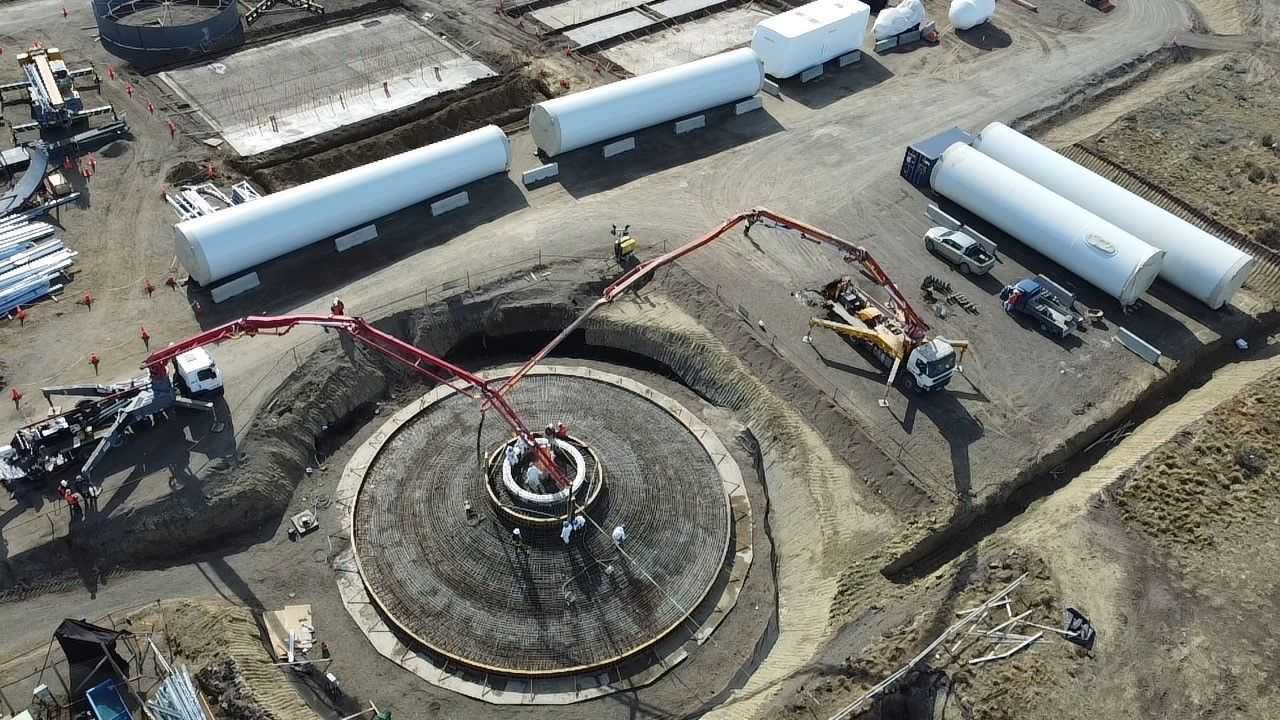
Siemens Energy, in Partnership with Porsche and HIF Global, Has Begun Production at the World’s First Synthetic Gasoline Plant. The Aim of the Facility Is to Produce Petroleum-Free Gasoline Using Electricity.
Siemens Energy announced on Tuesday (20) the start of operations at the world’s first facility fully dedicated to the production of synthetic and carbon-neutral gasoline. The Haru Oni plant is located near the city of Punta Arenas in southern Chile, combining wind energy, CO2, and water to produce e-methanol and petroleum-free gasoline using electricity.
Siemens Energy Plant Will Have a Capacity of 130,000 Liters of Synthetic Gasoline
The facility is the result of a partnership between Siemens Energy, Porsche, HIF Global, and other companies for the production of so-called synthetic fuels.
According to Anne-Laure de Chammard, a member of the Supervisory Board of Siemens Energy, the Haru Oni project aims to demonstrate the viability of e-fuels, both in scale and price, to provide clean energy to sectors heavily dependent on fossil fuels. In addition, it aims to contribute to the development of climate-friendly solutions in other applications.
-
Less than a Tera TSI, up to 710 km of range and charging in 9 minutes: the new BYD Song Ultra expands the Chinese brand’s bet on increasingly faster, more technological, and competitively priced electric SUVs.

-
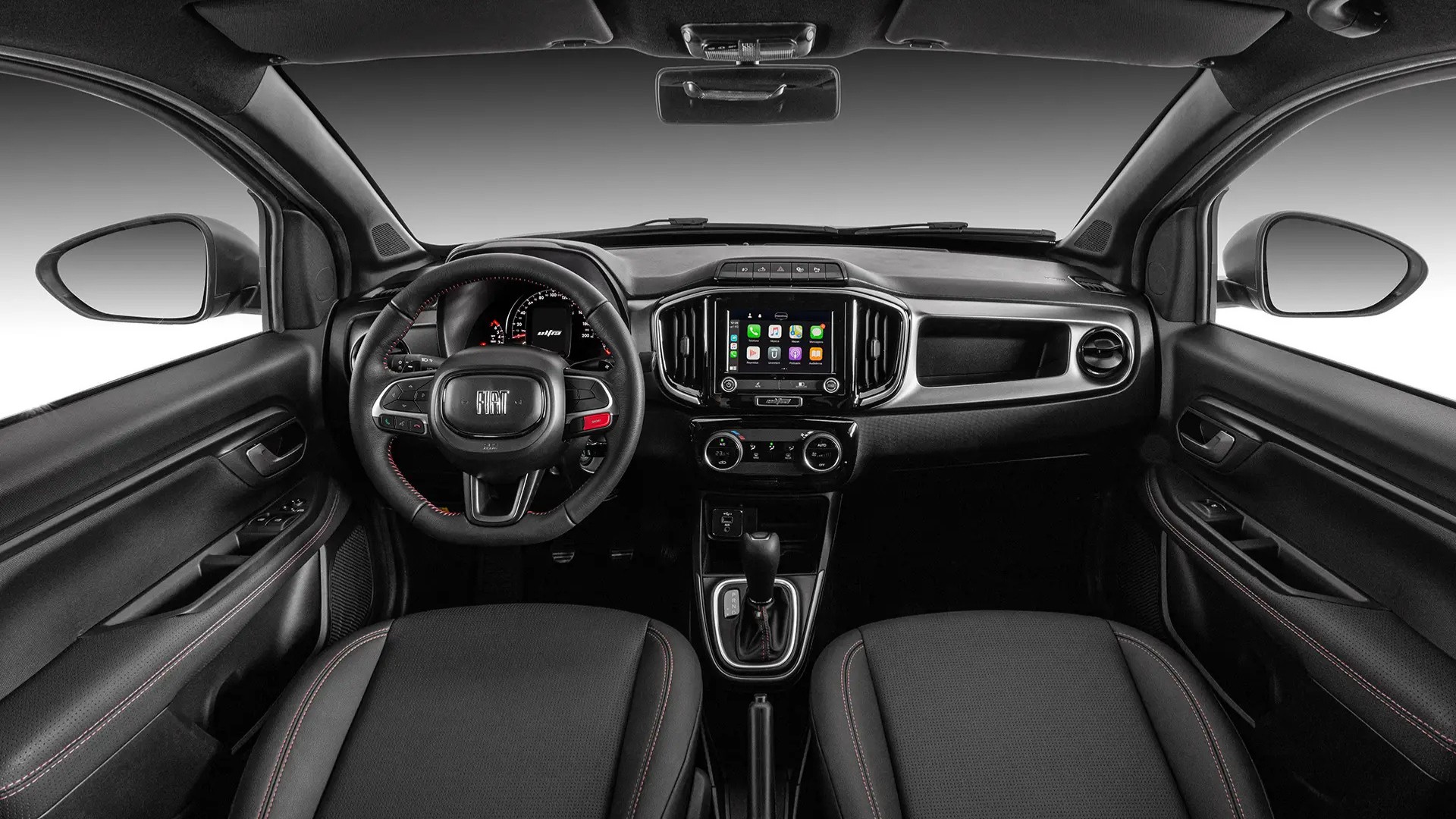
With a 1.0 engine producing 75 hp and costing less than R$ 70,000, Fiat’s car returns to the podium as the cheapest in the country; a temporary promotion for the 2026 Like version reduces the price of the Fiat Mobi.
-
With a mild hybrid system of 48 V, 176 hp and a price of R$ 175,990 in the Sahara version, the new Jeep Renegade changes mostly on the inside, improves slightly in fuel consumption, and remains almost the same car.
-
With a 293.5 cm³ engine and a range of up to 400 km with a 14.1-liter tank, the Honda CB 300F Twister 2026 has up to 24.7 hp, an initial price of R$ 25,150, and already exceeds R$ 29,000 in the Fipe Table.

The expectation is that, still in 2023, the Siemens Energy petroleum-free gasoline system will produce 130,000 liters of synthetic fuel per year. After the pilot phase, the first scaling will enable the facility to generate 55 million liters annually by the middle of the decade, and about two years after that, the expectation is that production capacity will be expanded to 550 million liters per year.
Strong Winds in the Region Provide Over 6,000 Hours of Maximum Load
The facility is expected to be completed in March of next year and plans to harness the potential for sustainable energy in the southern region of Chilean Patagonia to drive the hydrogen market, focusing on European demand.
According to the companies, the strong winds in the area provide over 6,000 hours of maximum operational load for generating clean energy, about three times the amount available in Europe. The wind energy is stored in chargers in the form of liquid energy using the Power-to-X process.
The liquids produced are easy to transport from regions rich in clean energy generation to places in need of energy. The initiative to produce synthetic gasoline is supported by the Federal Ministry for Economic Affairs and Climate Protection of Germany. In 2020, Haru Oni was the first hydrogen project to be funded by the German government’s H2 strategy.
The project is also the first to apply the Clean Energy Certificate solution, created by the company TUV Sud, which works with technical testing, and the German Energy Agency (DENA), in partnership with Siemens Energy. The certificate ensures that the petroleum-free gasoline generated at the facility can be labeled as green.
Porsche Makes Multimillion-Dollar Investment and Bets on Synthetic Gasoline
The multinational Porsche announced in April of this year that it will make a new investment of around US$ 75 million in HIF Global LLC, a holding company that works with renewable projects and the direct production of synthetic gasoline capable of replacing fossil fuels.
Through this action, Porsche, which is based in Germany, will acquire a long-term stake in the Chile-based HIF Global LLC to boost the production of synthetic gasoline commercially this year.
The multinational plans to initially use the synthetic gasoline in competition vehicles, that is, in race cars. However, in the future, the synthetic fuel eFuel is expected to be present in regular cars, in factories, and within Porsche Experience Centers.







Seja o primeiro a reagir!