





 Portuguese
  English
  Spanish
  4 min of reading
  0 comments


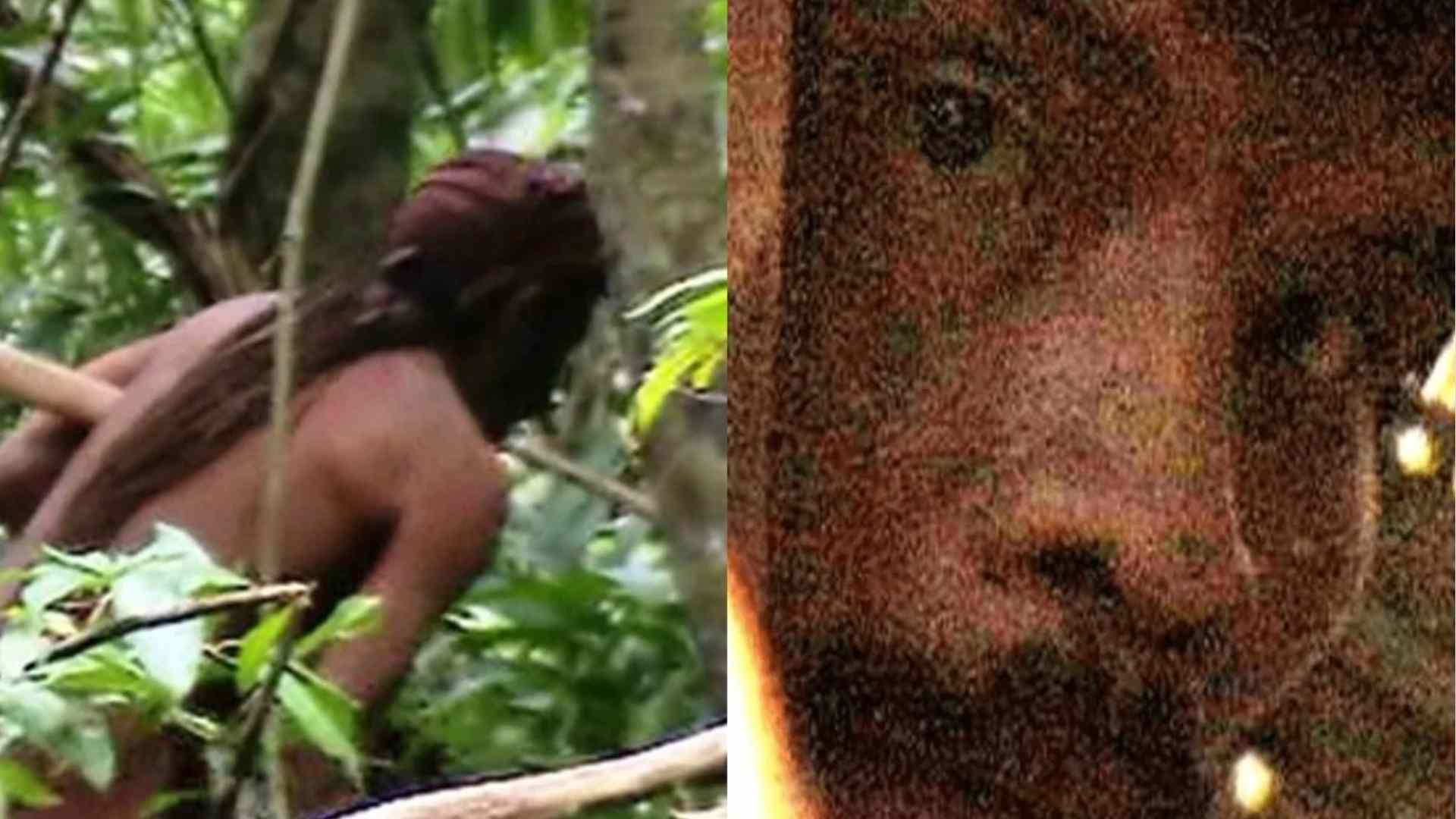
Alone for At Least 26 Years, the Hole Indian Lived Isolated in the Amazon Without Contact With the Modern World and Became the Last Survivor of His People.
For at least 26 confirmed years, a man lived completely isolated in the heart of the Brazilian Amazon, without contact with society, without modern tools, without any kind of external communication and surrounded only by the forest that remained after the destruction of his people. Known as the “Hole Indian”, he became one of the most extreme and emblematic cases of human isolation ever documented in the contemporary world.
His story does not represent an ideological choice or a voluntary search for a simple life. It is the direct result of decades of violence, expulsions, and massacres committed against indigenous peoples in the Rondônia region, especially following the expansion of agriculture and land grabbing between the 1970s and 1990s.
The Territory Where He Survived Alone for Decades
The Hole Indian lived in the Tanaru indigenous territory, in southern Rondônia, an area of forest surrounded by farms and rural properties. Over the years, this region has been almost completely deforested, leaving only small fragments of preserved forest thanks to the establishment of an emergency protection area by Funai.
-
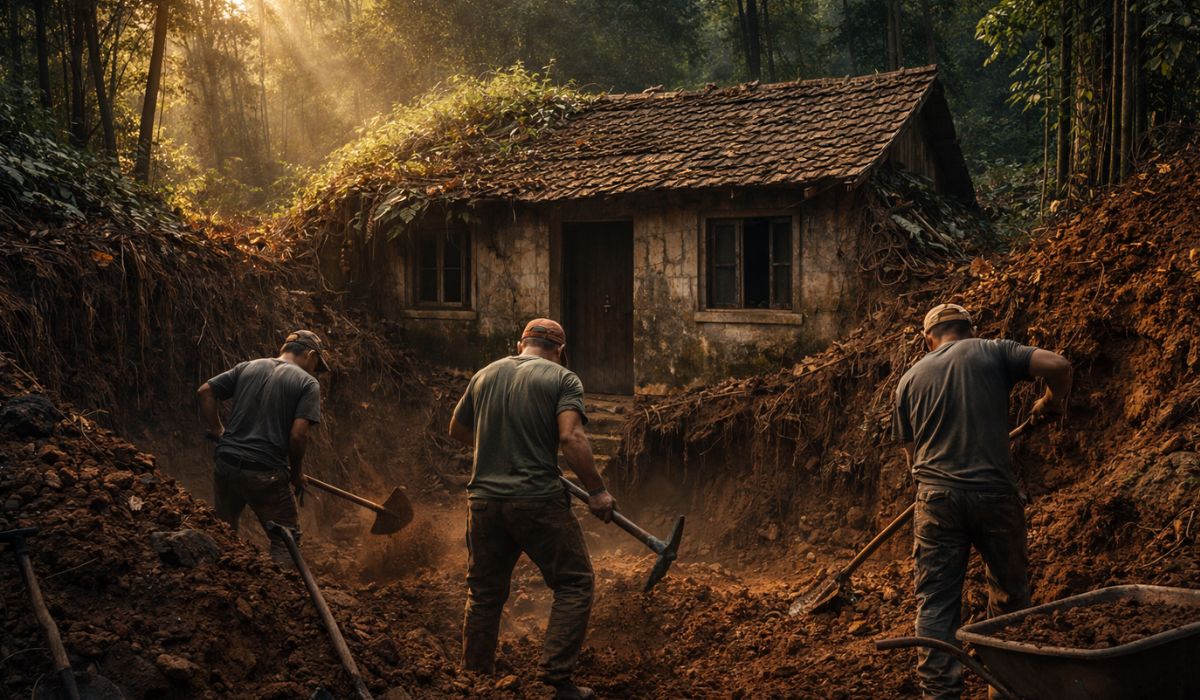
A promise made to their father led three men to unearth a forgotten house that had been swallowed by time for over 70 years, in a story of memory, abandonment, and reconstruction that seems straight out of a movie.
-
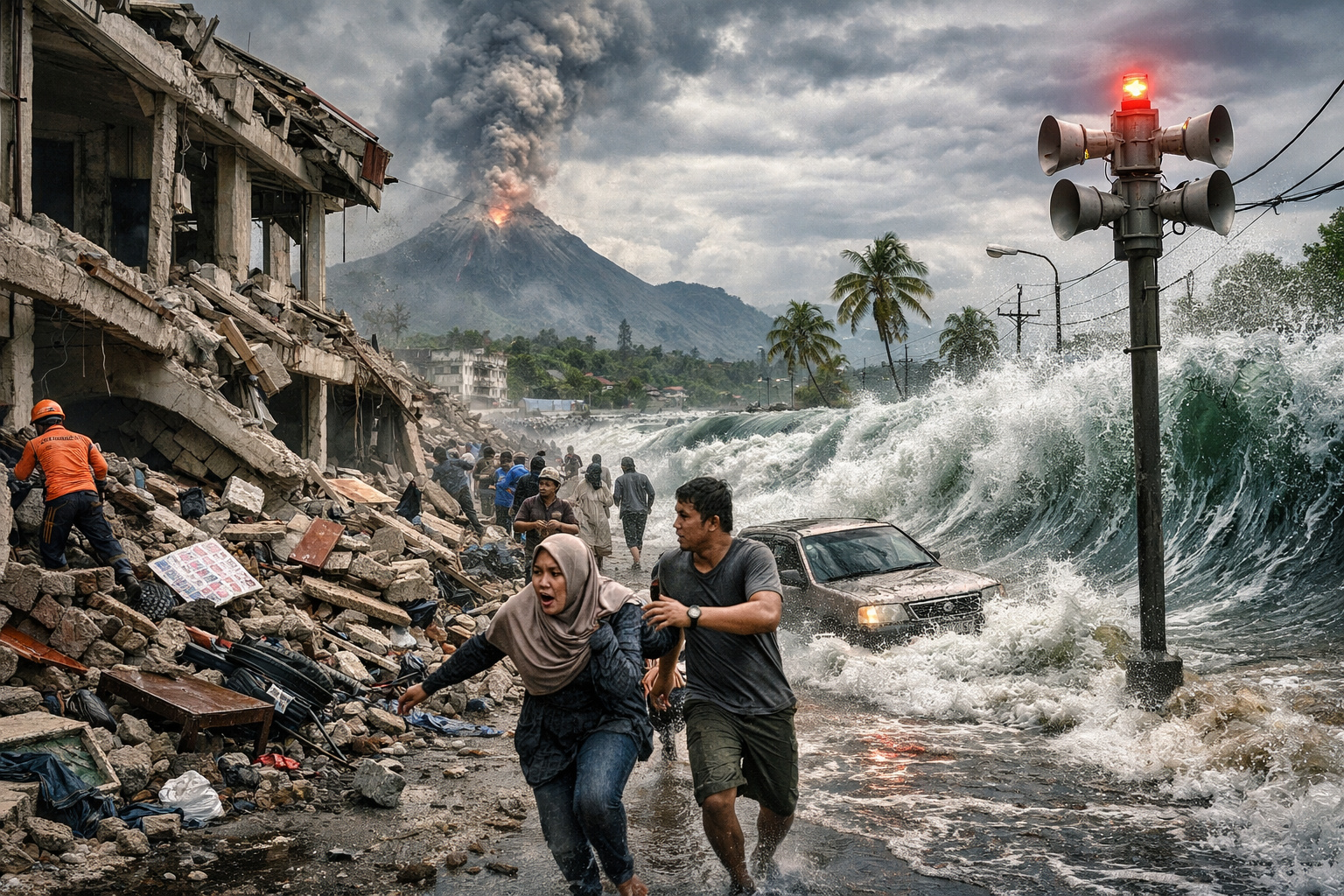
A strong earthquake in Indonesia affects houses and schools, causes panic, triggers a tsunami alert, and records a rise in sea level of up to 30 centimeters in some areas.
-
The Argentine government celebrates the lowest poverty rate in 7 years, but experts warn that the methodology has changed, real wages have fallen, unemployment has risen, and the number of people on the streets of Buenos Aires has increased by 57% since Milei took office.

-
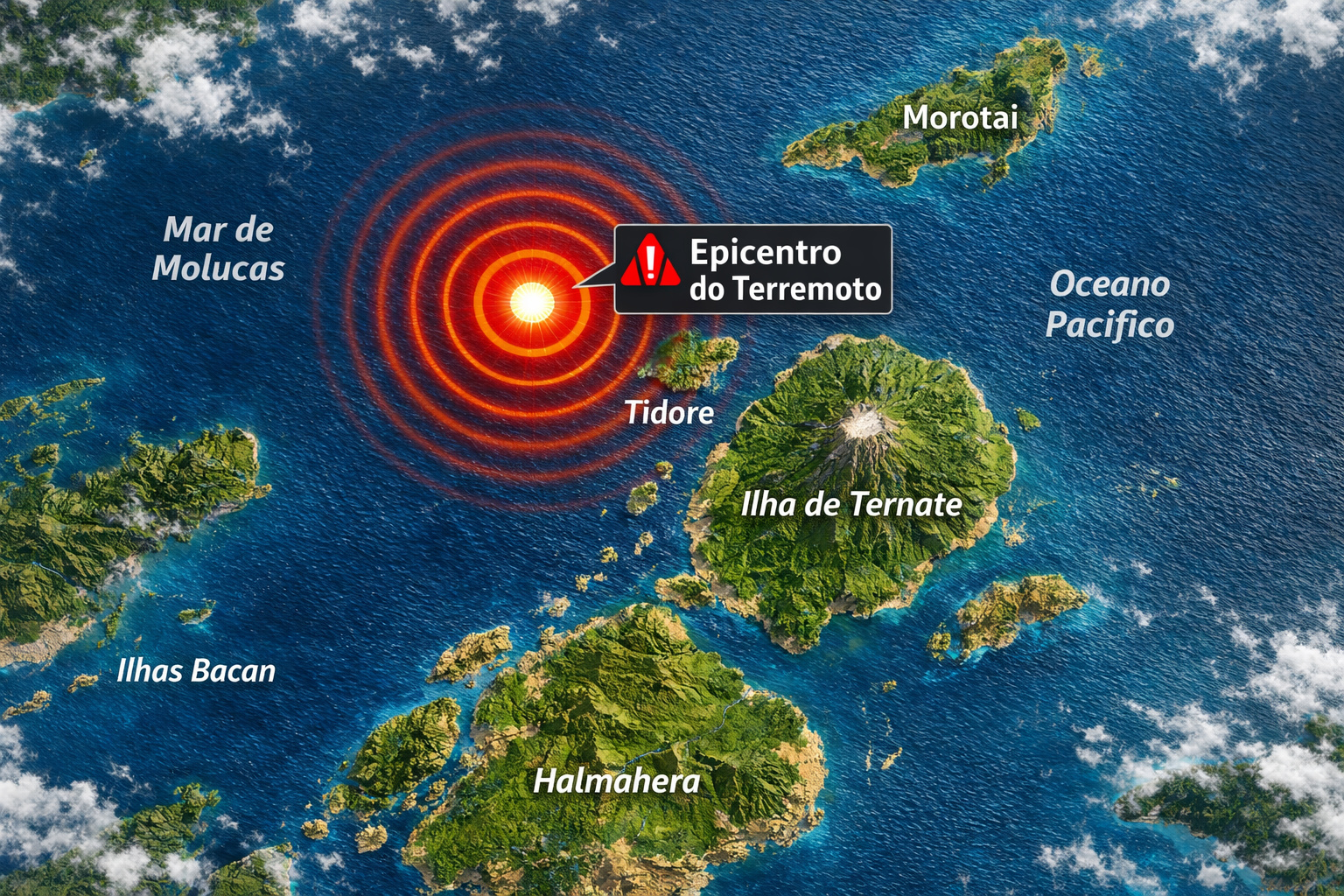
7.8 magnitude earthquake in Indonesia frightens the population, triggers tsunami alert, and hits an island with over 200,000 inhabitants this Thursday.

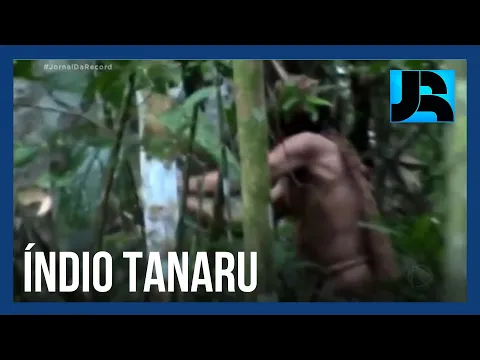

Even surrounded by open areas, roads, and intense human activity, he remained hidden, avoiding any approach. He never accepted contact, never responded to attempts at communication, and never voluntarily approached protection teams.
Funai officially began to monitor his existence from 1996, when unequivocal evidence confirmed that he was the last survivor of his ethnic group. Since then, isolation has become a deliberate policy of the Brazilian state, respecting his decision to remain alone.
Why He Was Called the “Hole Indian”
The nickname arose from a recurring characteristic observed by indigenous researchers: the man used to dig deep holes inside his shelters. These holes had multiple functions, still debated by researchers, possibly serving as traps, hiding spots, storage places, or even symbolic elements of his culture.
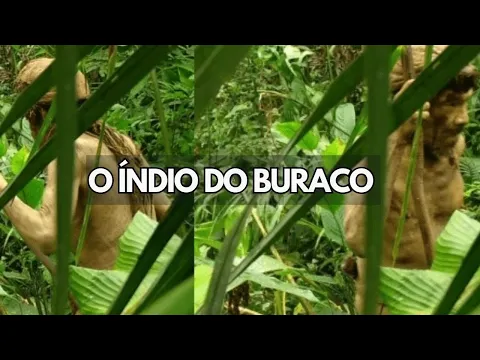
The shelters were simple, made of wood and straw, constantly rebuilt as he moved through the territory. Found tools indicated the use of stone axes, spears, and extremely basic utensils, evidencing a completely self-sufficient way of life adapted to the forest.
Extreme Survival Without Technology, Energy, or External Support
For over two decades, the Hole Indian survived by hunting, gathering fruits, planting small crops, and moving silently through the woods. He did not use firearms, did not possess industrial metals, and had no exchange relationship with the outside world.
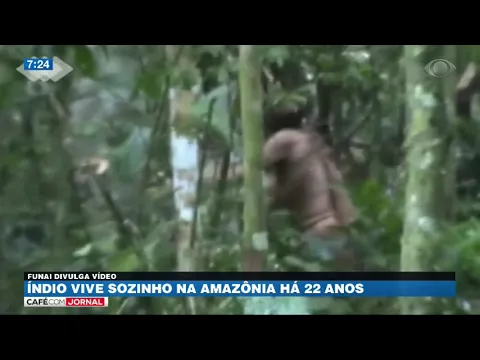
The isolation was so absolute that monitoring teams could only confirm his presence through traces, abandoned plantings, found arrows, and extremely rare images taken from a distance, always avoiding any kind of direct approach.
His prolonged survival under such extreme conditions demonstrated a profound ecological knowledge of the forest, including hunting cycles, plant management, and strategic land use to avoid confrontations.
The Historical and Human Significance of the Last Survivor
More than a case of voluntary isolation, the Hole Indian symbolizes the real and irreversible impact of violence against indigenous peoples in Brazil. He was not a “modern hermit”, but the last living link of an entire culture exterminated before it could be officially documented.
His existence quietly exposed the consequences of disorderly occupation policies, the state’s omission in previous decades, and the systematic destruction of isolated indigenous communities.
When he was found dead in 2022, in his shelter, lying on a net made by himself, there were no signs of violence. His death definitively closed the story of an entire people, without their language, rituals, or true name ever being known.
A Unique Case in the Modern World
Experts consider the Hole Indian one of the last documented examples of complete and prolonged isolation caused by ethnic extermination in the 21st century. Unlike other cases of voluntary isolation, his solitude was not a philosophical choice, but a direct consequence of the destruction of his community.
His story remains a permanent warning about the fragility of the isolated peoples still existing in the Amazon and about the historical responsibility to protect them, even when they choose not to be seen.








-

-

-

-

-

34 pessoas reagiram a isso.