






 Portuguese
  Spanish
  2 min of reading



Following Shell’s Steps Towards Expanding Its Service Portfolio in Brazil, Statoil Is Not Holding Back and Is Increasing Its Presence in the Brazilian Oil and Gas Market.
Statoil will undoubtedly be one of the major players in the Brazilian oil and gas sector. Its acquisitions and participation in oil auctions leave no doubt in this regard. It has been acquiring assets and wells in several of our sedimentary basins, alongside Shell and Exxon Mobil. Although the name “Statoil” is strong in the market, it ultimately changed to “Equinor” due to its expansion into new areas of operation for the company.
Last week, Statoil began the environmental licensing process for 5 wells in the pre-salt region of Carcará, in a concession from the 2nd pre-salt auction in 2017, and the company’s logistical operations base will be in Niterói, RJ, at the Brasco base. To give you an idea, the company waited for the completion of seismic surveys in the area to ensure the geological potential; this was the strategy adopted by Shell; otherwise, “the government could get greedy” and raise rates or taxes on these assets if the seismic data revealed greater potential than offered in the auctions.
Statoil is currently drilling in the exploratory block BM-S-8 at Carcará, with operations planned for 4 years. Seadrill signed with the company and will use the West Saturn rig to drill some of these assets for testing; if all goes well, it will use this offshore unit for 6 more wells over the duration of the contract. We have followers working on this rig; check out some of them in this Seadrill recruitment article..
-
A Brazilian city decided to purchase a piece of the Atlantic Forest with more than 153,000 square meters, and owners of preserved areas will be able to submit proposals to transform the forest into a conservation unit.

-
Brazilian siblings aged 11 and 7 read 240 books in just one year and caught attention on social media: while many children spend hours on screens, they turned their family’s routine into an example of reading, discipline, and curiosity.
-
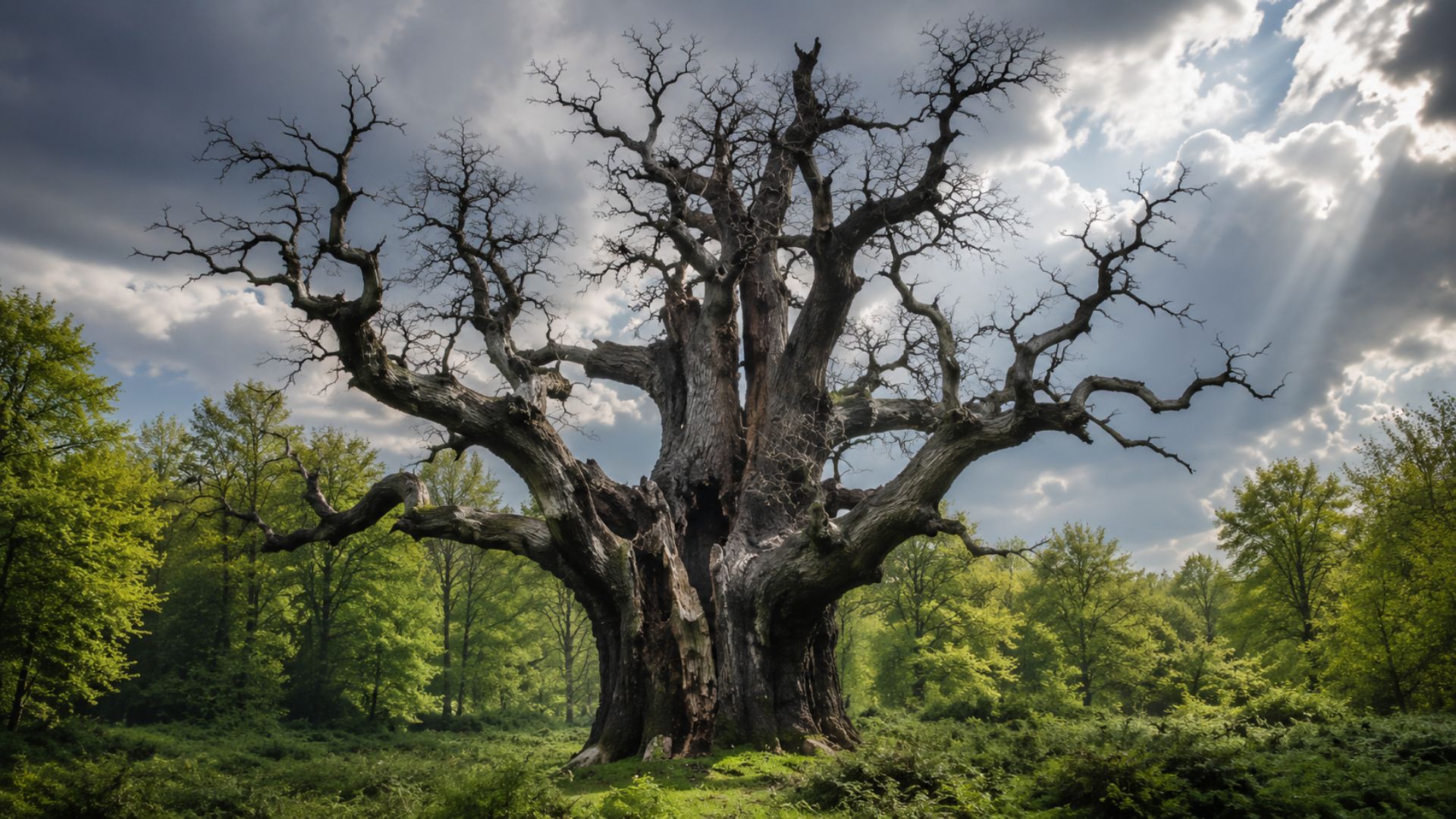
The legendary oak that, according to the story, hid Robin Hood from the Sheriff of Nottingham, died at the impressive age of 1,200 years in England, and the first chilling sign of its end was that no leaves sprouted on the tree this spring.

-
While the world looks at forests, the UN warns that the Earth is also threatened by the silent degradation of natural grasslands and savannas, ecosystems that cover half of the planet, support billions of people, and can exacerbate water, food, and climate crises.






Be the first to react!