





 Portuguese
  English
  Spanish
  4 min of reading


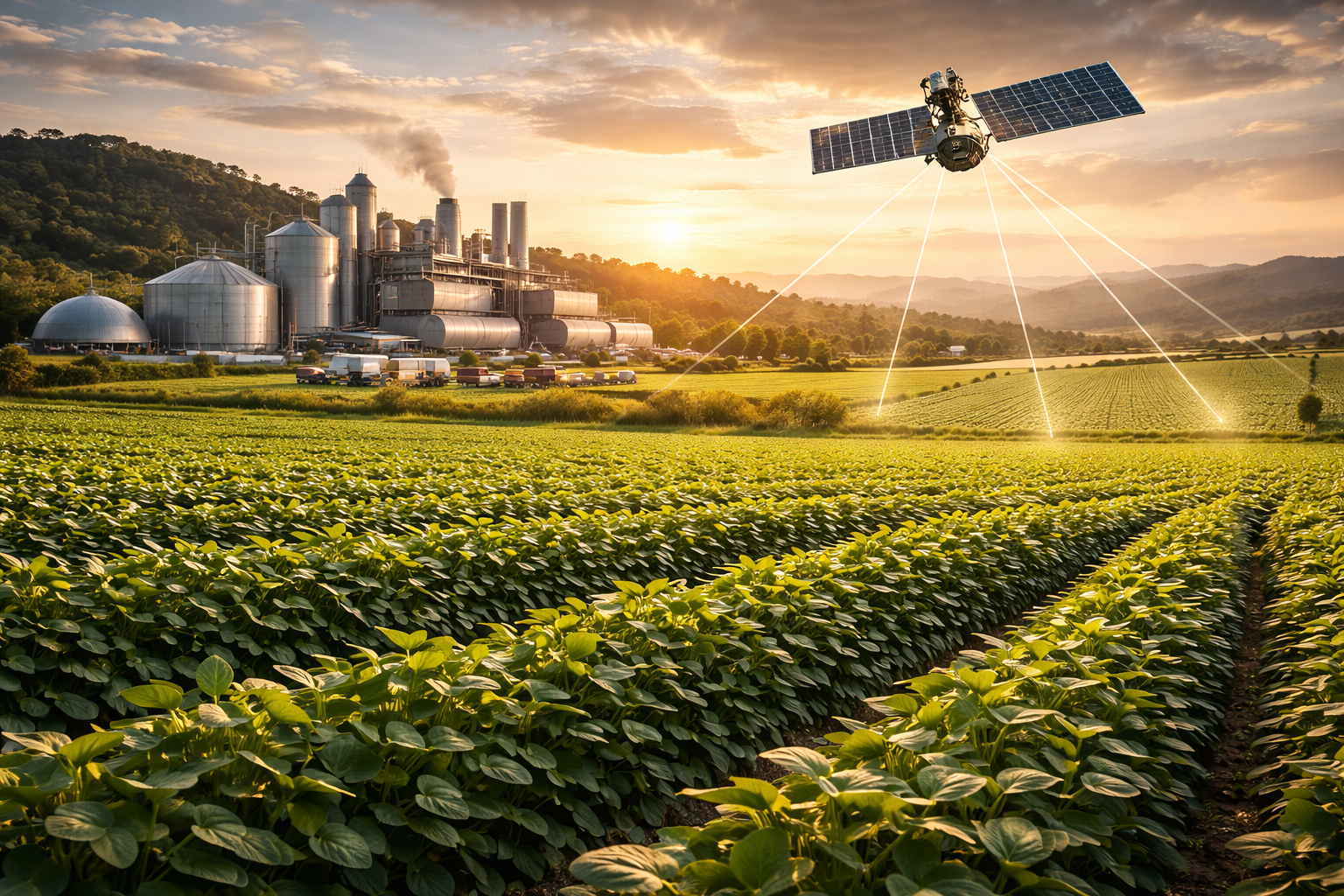
Brazilian Soybean Undergoes a Deep Transformation. For Decades, the Sector Has Focused on Productivity, Scale, and International Competitiveness.
Today, however, sustainability has taken center stage in strategic decision-making, redefining how the country produces, processes, and markets the commodity.
This change does not happen by chance. Over the past few years, international markets have begun to demand more responsible production chains. Furthermore, consumers, governments, and financial institutions have begun to demand transparency and environmental commitment. In this new scenario, sustainability has ceased to be rhetoric and has become a criterion for remaining in the market.
It is in this context that Brazilian soy begins to reposition its global image. An emblematic example is CJ Selecta, a producer of soybean protein concentrate (SPC) and derivatives. The company gained prominence in an international publication by WWF as a benchmark in deforestation-free supply chains. According to the report, almost 99% of the soy used by the company was verified as deforestation-free.
-
With a water crisis on the radar, Sabesp invests in reclaimed water for data centers and transforms sewage treatment into a solution that saves millions of liters and protects public supply.

-
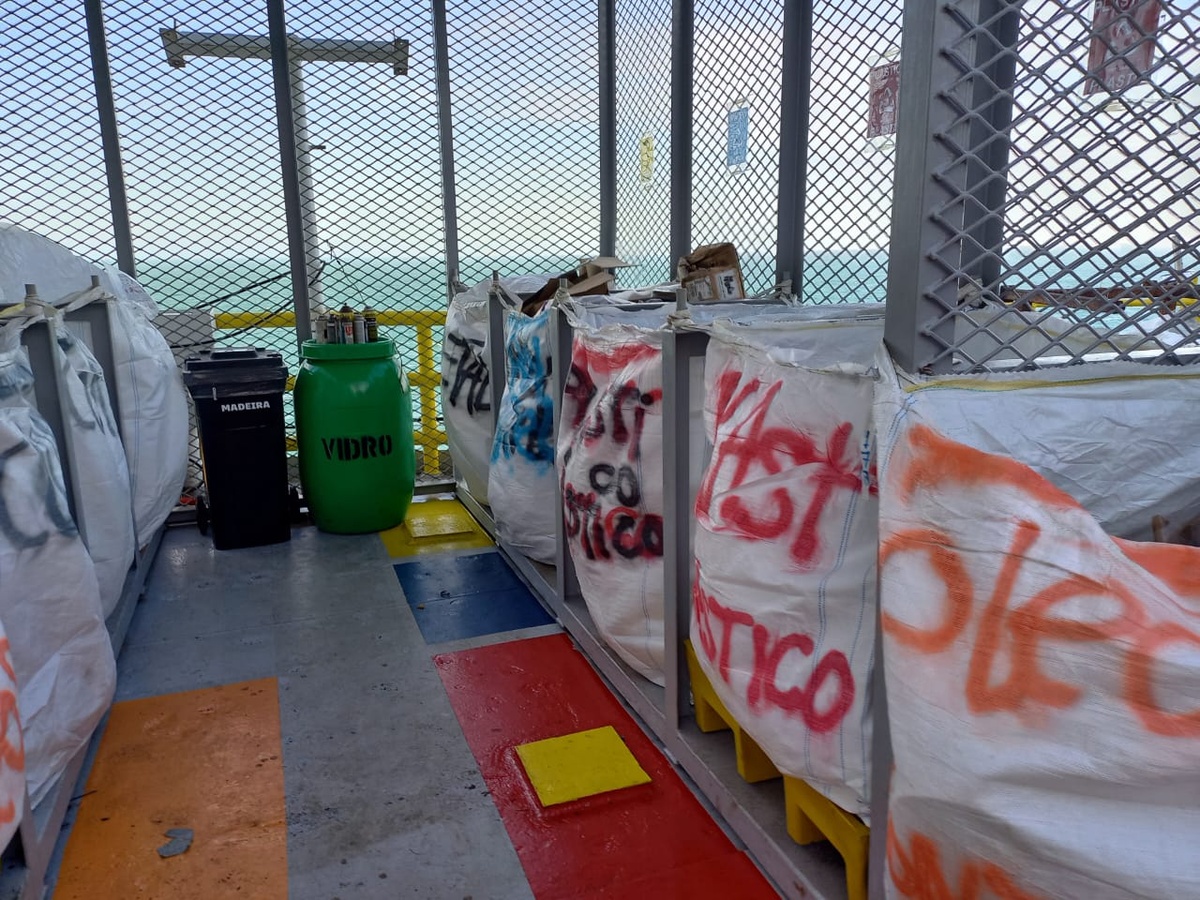
Foresea achieves 100% offshore waste reuse in 2025, eliminates landfill disposal, and consolidates sustainable strategy with 1,500 tons recycled.
-
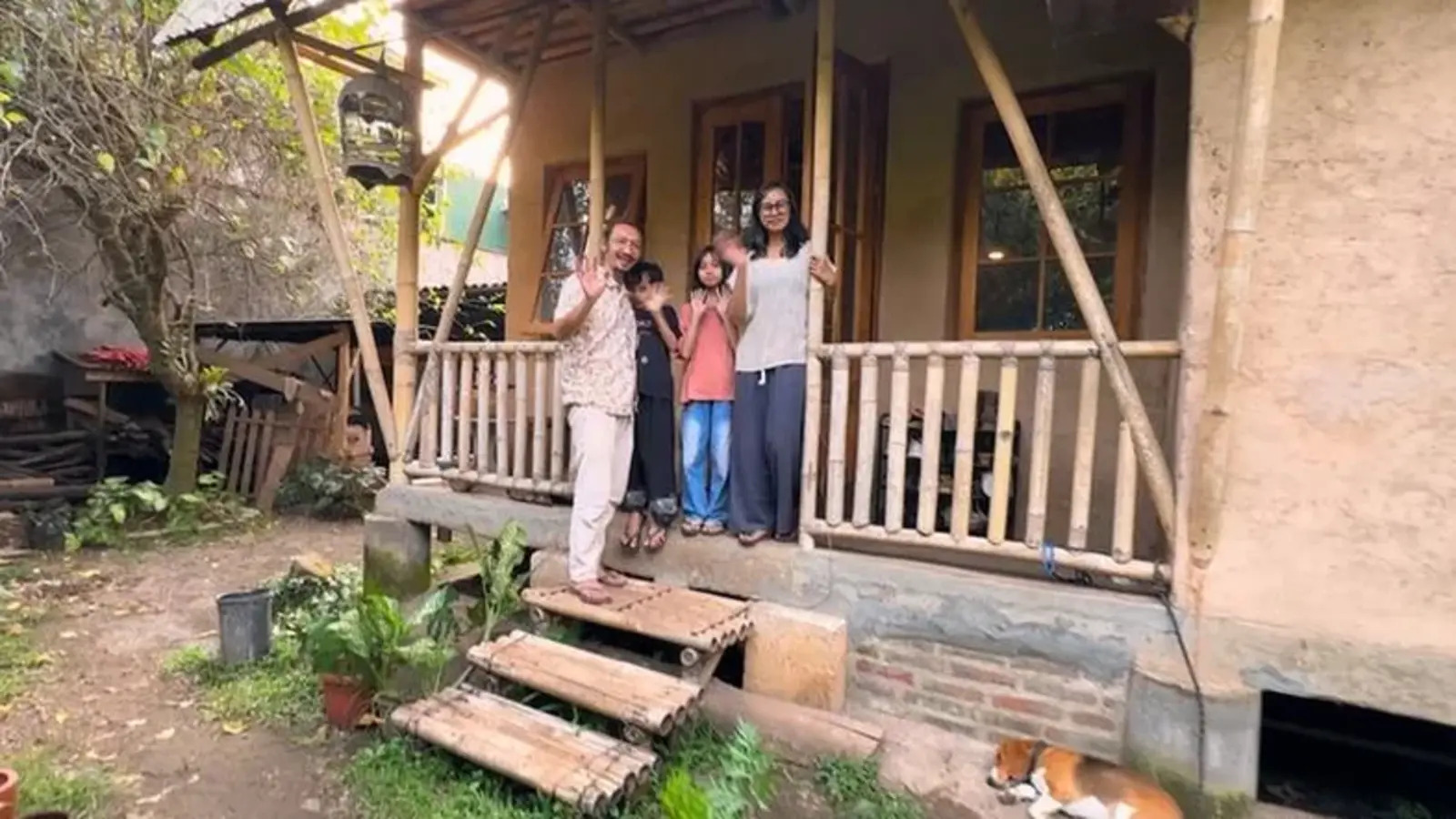
With earth, bamboo, straw, and lime mortar, a specialist builds a house for just over $460 and draws attention for its cost being much lower than traditional construction.
-
Rodrigo de Freitas Lagoon advances in environmental recovery with sanitation, elimination of irregular sewage, and the resumption of water sports in Rio de Janeiro.


Sustainability and the Historical Evolution of Soybean in Brazil
To understand the relevance of this movement, it is necessary to observe the historical trajectory of soy in the country. Starting in the 1970s, with technological advances and agricultural research, Brazil managed to adapt soy cultivation to the tropical climate. This advancement transformed the country into a global agricultural powerhouse.
For decades, growth occurred mainly through territorial expansion. However, beginning in the 2000s, environmental debate gained traction. International organizations like WWF began to warn of the impacts of deforestation associated with agricultural expansion.
At this moment, sustainability began to enter more structured into the agribusiness agenda. Initially as a response to external pressure. Later, as a long-term strategy to ensure competitiveness and access to markets.
Sustainability and Traceability as Pillars of the Sector
Sustainability in the soybean sector cannot be sustained without traceability. Monitoring the origin of the grain, verifying agricultural practices, and ensuring that production is not associated with deforestation have become basic requirements. Traceability has begun to function as a tool for management, control, and credibility.
According to WWF, deforestation-free production chains depend on robust monitoring and governance systems. In the case of CJ Selecta, the adoption of these systems allowed for the verification of virtually the entire supply chain.
Furthermore, traceability strengthens transparency. In an increasingly attentive market to the origin of products, reliable data becomes a competitive advantage. Companies capable of proving sustainable practices reduce reputational and regulatory risks.
Sustainability Integrated into the Business Strategy
One of the most relevant aspects of the international recognition received by CJ Selecta lies in the integration of sustainability into the business model. The company operates in a high-value-added segment, providing ingredients for animal nutrition, aquaculture, and food.
In this context, sustainability connects directly to competitiveness. More demanding markets tend to prioritize suppliers who can demonstrate environmental responsibility throughout the chain.
According to WWF, companies that strategically incorporate sustainability can reduce risks, expand access to capital, and strengthen long-term commercial relationships. Thus, environmental practices cease to be a cost and begin to generate value.
Sustainability and Access to International Markets
The role of sustainability becomes even more evident in international trade. The European Union, for example, has advanced legislation requiring proof that imported products are not associated with deforestation. This movement directly impacts Brazilian soy.
In this scenario, companies that have already adopted high standards are ahead. According to WWF, traceable and deforestation-free chains reduce trade barriers and expand opportunities in premium markets.
Moreover, institutional investors have begun to incorporate environmental, social, and governance criteria into their decisions. Sustainability, therefore, influences both commercial and financial flows.
Sustainability Beyond the Farm
The transformation of Brazilian soy is not limited to the field. It involves the entire production chain, from cultivation to industrial processing. Sustainability begins to guide energy, logistics, and industrial decisions, extending its reach.
According to WWF, responsible chains contribute to environmental preservation and the resilience of the agricultural sector itself. Preserved soils, biodiversity, and climate stability favor long-term productivity.
Furthermore, sustainable practices help reduce waste and improve operational efficiency. In this way, sustainability and efficiency go hand in hand.
A Structural Change in Brazilian Agribusiness
The international spotlight on CJ Selecta does not represent an isolated case. It signals a structural change in Brazilian agribusiness. Sustainability is now viewed as a central element of competitiveness, and not as an external obligation.
This movement tends to expand. As large companies adopt higher standards, suppliers and partners begin to follow suit. Thus, a cascading effect is created throughout the production chain.
According to WWF, this process helps to transform entire sectors, aligning agricultural production, environmental conservation, and economic development.
Sustainability as a New Pillar of Brazilian Soybean
Looking at the current scenario, it is clear that the new pillars of Brazilian soy go beyond productivity and export volume. Sustainability solidifies itself as a decisive factor for the sector’s future.
The example of CJ Selecta demonstrates that this path is viable. By verifying almost all of its soy as deforestation-free, the company shows that it is possible to reconcile production, environmental responsibility, and global competitiveness.
Thus, Brazilian soy enters a new phase. A phase in which sustainability, traceability, and business strategy become inseparable, redefining the country’s role in the global market and pointing towards a model of growth that is more balanced, responsible, and prepared for the future.







Seja o primeiro a reagir!