Portuguese


The TCU report covers 150 visits to 112 school, daycare and sports-court projects in 24 of Brazil’s federative units. In 36 inspections, construction remained stalled or had not resumed, with delays and payment discrepancies.
One in every four inspection visits to school, daycare and sports-court projects in Brazil found construction stalled or not yet restarted. The finding appears in a 2026 report by Brazil’s Federal Court of Accounts (TCU), based on 150 field visits covering 112 basic education projects in 24 of the country’s federative units, which comprise its states and the Federal District.
The survey documented 36 instances of stalled construction and identified another problem: at several sites, recorded payments did not match the physical progress observed by volunteers. In some cities, projects listed as under way in public databases were still awaiting essential steps before work could resume.
TCU records 36 visits to stalled projects and 16 more to projects at the bidding stage
The Citizen Participation Report on Resuming Education Projects covers inspections conducted through July 9, 2026. Of the 150 visits, 60 found projects under way, 38 identified completed construction or projects awaiting inauguration, and 16 recorded projects at the bidding stage.
-
J&F’s Eldorado gets until July 2027 to replace mooring points and berth protection at Berth 34, with Antaq’s approval for lease extension to 2091

-
MRV Launches R$ 138.4 Million Condominium with 372 Apartments in Olympic Barra, Concurrently Managing Construction and Sales in Rio’s Southwest Zone
-
Sabesp Builds Two Giant Metal Reservoirs Holding 30 Million Liters in Praia Grande, Invests R$175 Million, Closes Streets in Six Cities Until November 21, and Promises to Reinforce Supply for 238,000 People on the São Paulo Coast
-
Motiva Digs 21 Meters Below Taboão da Serra, Opens 3 Giant Wells Simultaneously, and Prepares Up to 10 Fronts to Bore 3.3 km of Tunnels for the Yellow Line for the First Time Outside São Paulo’s Capital


The other 36 visits, equivalent to 24% of the total, documented stalled construction or projects that had not resumed. Because volunteers returned more than once to some locations, the sample covers 112 distinct projects. The percentage reflects conditions recorded during those visits, not an estimate of the share of stalled projects nationwide.
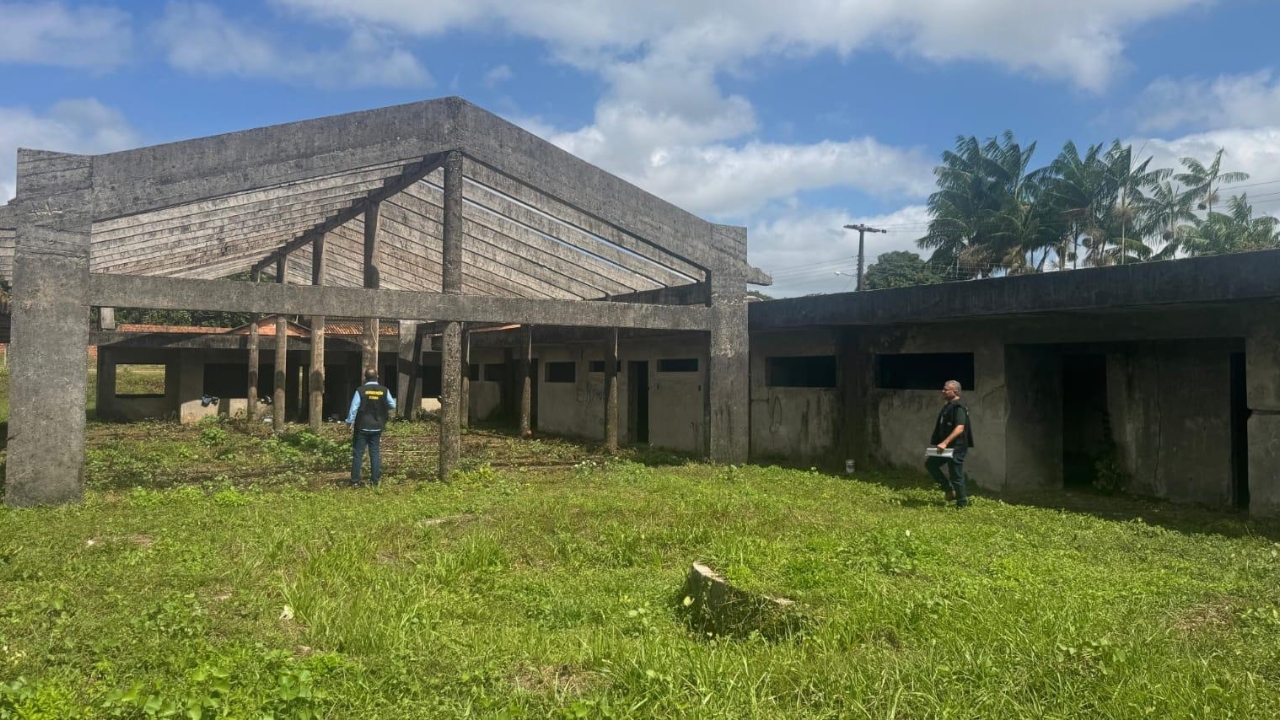
Most visits focused on early childhood education: 85 were to daycare centers and other facilities in that segment, 36 to sports courts or court covers, 25 to elementary and high schools, and four to other structures. Maranhão had the most visits, with 27, followed by Ceará with 22 and Minas Gerais with 12.
Ceará daycare project went from stalled construction to a site with just three workers
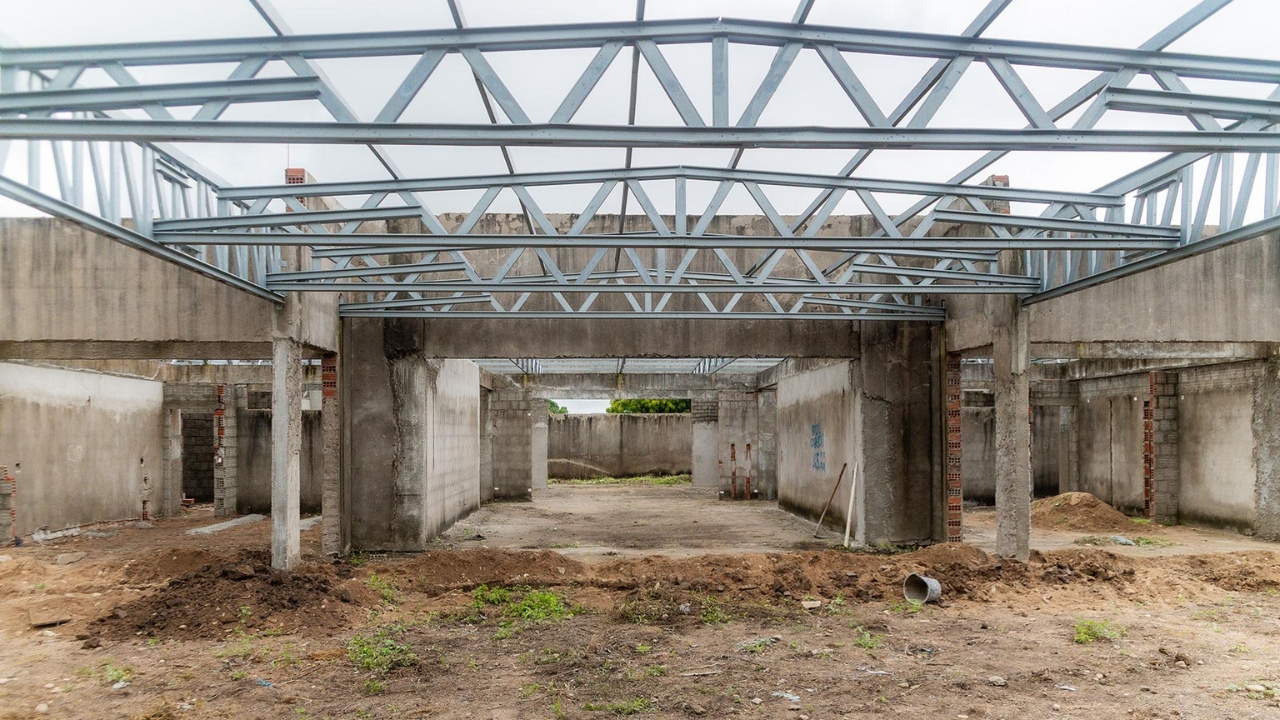
The report highlights the case of the Bairro Rampa Daycare Center in Reriutaba, Ceará. In December 2025, the site was listed as a stalled project, and there was no record of a bidding process being opened to resume work. A new visit in June 2026 found construction under way, but at what the report described as a very slow pace.
The contract inspector reported that the company was not meeting the schedule and had been formally notified. The contractual delivery deadline was November 2026. The structure and masonry were complete, but roofing work had not yet begun; electrical and plumbing installations and finishing work were progressing slowly.
On July 1, the volunteer team found only three workers at the site. Reported financial progress remained at 13%, based on the previous measurement, and inspectors noted that ceramic tiles had been installed before the roof, leaving them exposed to rain. These records describe conditions on the dates of the visits, not an update on the project in November.
Amazonas project listed as under way before notice to proceed was issued
Another example is in Alvarães, in the state of Amazonas. During a July 8, 2026, visit to a covered school sports court with locker rooms, the project was listed as under way in the monitoring system. The bidding process had already been approved and the contractor selected, but a notice to proceed had not yet been issued.
As of that date, physical work on the construction had not resumed, nor had any payments been made for the new services. The team also found no public confirmation that an inspector had been appointed for this phase. The case highlights the potential gap between a project’s administrative status and actual activity at the site.
Payments and construction progress did not always align during inspections
In addition to flagging stalled construction, the report identified recurring discrepancies between the share of a project completed on site and the financial progress recorded in official systems. In some cases, payments to the contractor exceeded the stage of construction observed; in others, the reverse was true, particularly after contract renegotiations.
The volunteers also found projects with few workers, delays linked to funding transfers and disputes over materials. During some visits, project plans, budget spreadsheets or schedules were not made available; during others, the responsible inspector was absent, making it harder to verify progress.
Specific deficiencies described by Brazil’s Federal Court of Accounts included cracks, poorly bonded wall coverings, hollow spots in floors, incomplete electrical installations and workplace safety issues. The accounts are monitoring records subject to technical review and may guide follow-up checks by oversight agencies.
Inspectors also found completed schools already serving students
The review also found progress. In Santa Rita, in Maranhão state, volunteers verified that Manoel Viana Municipal School had been operating since March 2023, although the system still listed physical completion at 97%. The record was updated to show the project as complete after the school’s status was verified.
At another project in the municipality, in the settlement of Recurso, the team found a completed six-classroom educational facility in operation, with no significant maintenance problems during the visit. The two records show how on-site checks can also update outdated information about facilities already delivered to the public.
National program seeks to get projects moving as municipalities continue oversight
The Citizen Task Force, developed by the TCU, Brazil’s Federal Court of Accounts, in partnership with Social Observatory of Brazil, uses trained volunteers to record information and take photographs during visits. The court says the data are collected with the support of the Citizen Union app and undergo guidance and technical review.
The effort comes amid a broader portfolio of suspended public projects. In November 2026, the federal government reported that 4,215 projects funded with federal money had been halted across the country and announced that new institutions had joined the Unlock Program, which aims to resolve legal and administrative obstacles, with priority given to education and health.
The national total covers different types of projects and is based on a monitoring system distinct from the 150 visits conducted by the Citizen Task Force. For schools and day care centers, continued monitoring depends on new inspections, updated contract information, and confirmation that work has actually begun or been completed.
The FNDE, Brazil’s National Fund for Education Development, maintains public tools for tracking project progress. Future records may show which construction sites have advanced since July, which contracts have moved forward, and how many facilities have finally been able to welcome students.