





 Portuguese
  English
  Spanish
  5 min of reading
  0 comments


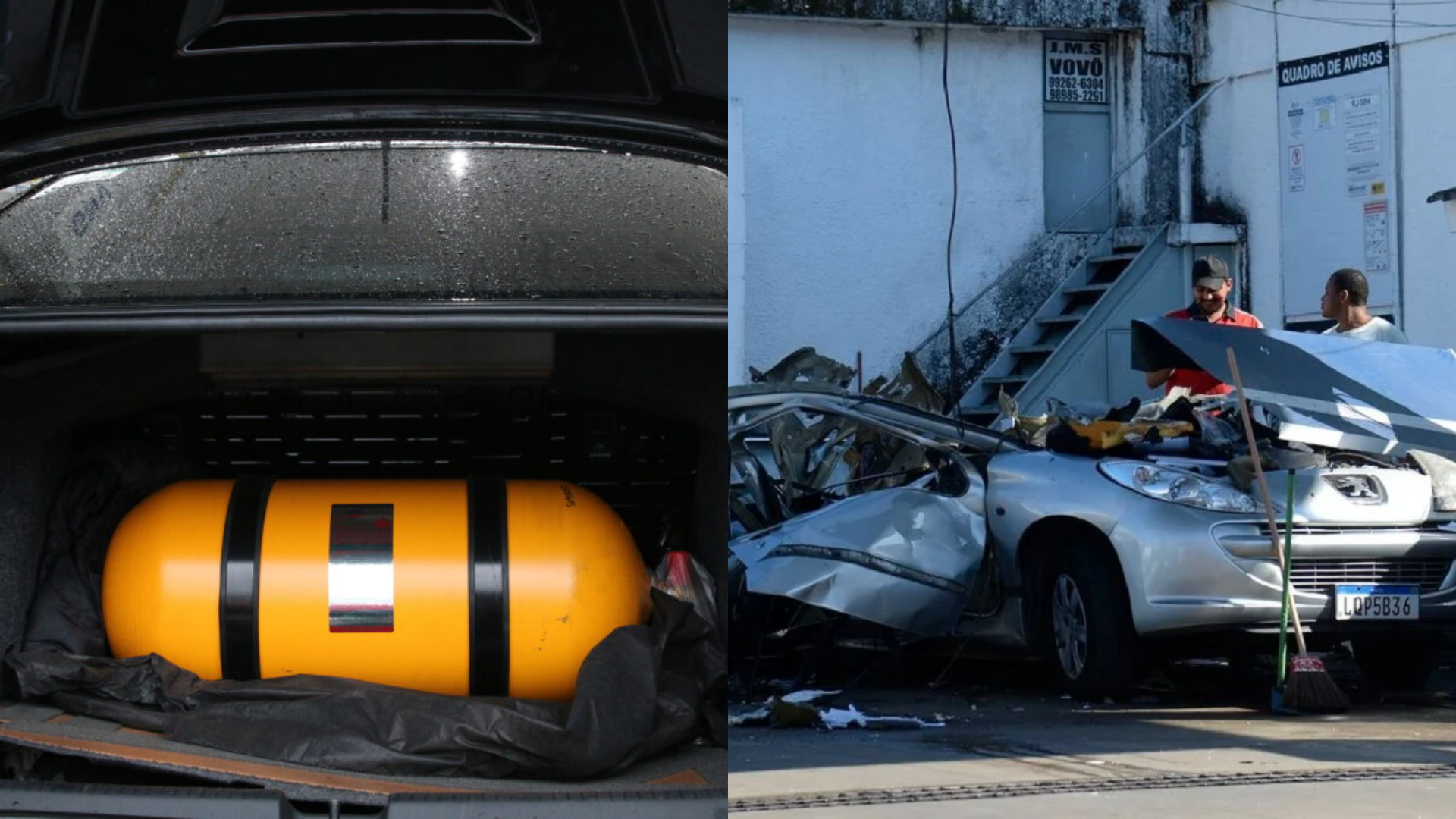

Discover How to Ensure the Safety of Your Car with CNG by Understanding the Risks of Explosions and the Importance of Proper Maintenance
In recent years, CNG (compressed natural gas) has established itself as a viable and economical alternative for many drivers in Brazil, according to the g1/globo website.
Considered a less polluting fuel, CNG offers significant financial benefits, such as lower refueling costs.
However, with these advantages, there are also concerns regarding the safety of vehicles using this type of fuel.
-
The village where two rivers run side by side without mixing in Santarém and Alter do Chão reveals some of the most beautiful freshwater beaches on the planet.

-
Brazil’s nuclear submarine with a speed 5 times greater than normal advances after nearly 50 years and R$ 40 billion spent.

-
A Brazilian island charges R$ 0.50 to receive visitors and prohibits any new residents.

-
Why was the Great Wall of China built? The truth that many are unaware of!


Recently, a tragic accident at a gas station in Rio de Janeiro, which resulted in two deaths, reignited the debate over the risks associated with the use of CNG.
To help you better understand this situation, we have gathered essential information on how to ensure the safety of your car and avoid accidents.
The Nature of CNG and the Associated Risks
It is important to understand that CNG, like gasoline and ethanol, is a flammable fuel.
This means that under certain conditions, it can explode.
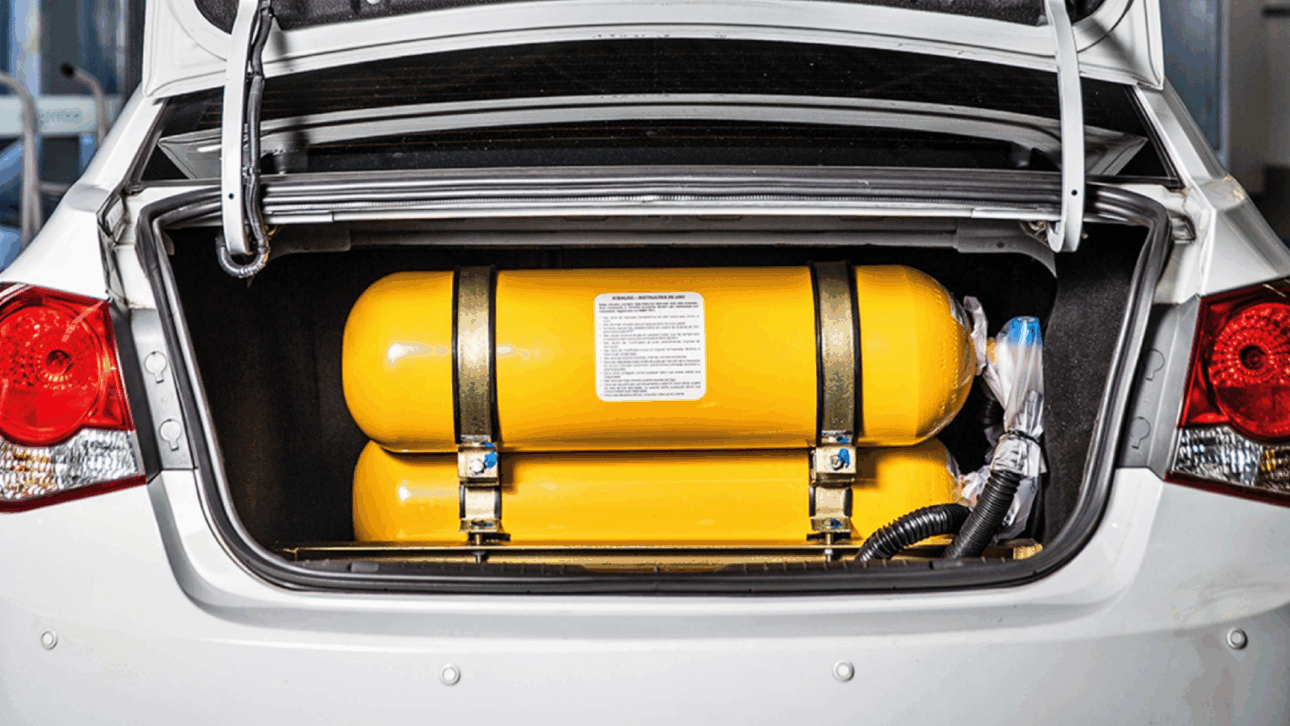
Mechanic Rui Camargo Barroso emphasizes that CNG is a volatile gas: “Any small gas leak can allow for an explosion. The gas is much more incendiary and explosive than liquid fuel.” This volatility makes proper installation of CNG systems and regular vehicle maintenance essential.
Did you know that most accidents involving CNG are related to human error?
This includes improper installation of equipment, lack of annual inspections, and use of unregulated components.
Unfortunately, many drivers end up putting their lives and the lives of others at risk by opting for modifications in illegal workshops or neglecting the maintenance of the cylinders.
Common Causes of Accidents Involving CNG

Accidents involving CNG can have various causes, and it is essential to know them to avoid problems. Some of the main reasons include:
1st Improper Installation: Many drivers turn to non-certified workshops for the installation of CNG systems. This can result in errors that compromise the vehicle’s safety.
2nd Unregulated Equipment: Using cylinders or components that lack Inmetro certification is extremely risky. These equipment can fail and cause explosions.
3rd Failure to Maintain: CNG requires regular maintenance, including requalifying cylinders every five years. Ignoring this need can result in accidents.
4th Gas Leaks: A small leak can become a dangerous situation, especially if it occurs inside the vehicle. The gas accumulates and can cause poisoning or explosions.
5th Damaged Cylinders: Cylinders that have been exposed to high temperatures or have suffered physical damage may not have the same strength. This can lead to catastrophic failures.
The Importance of Installation in Certified Workshops
To ensure the safety of your car with CNG, it is essential to have the installation done in a workshop certified by Inmetro.
This agency establishes strict standards for the installation of CNG systems, ensuring that the components used are safe and effective.
The installation should include not only the cylinder but also pipes, containment and propulsion valves, filters, and pressure gauges, all properly certified.
Installation by qualified professionals significantly reduces the risk of accidents.
Have you checked if the workshop where you had your CNG installed is certified by Inmetro?
This is a crucial step in ensuring your vehicle is safe.
Regular Maintenance: What You Need to Know
Maintaining the CNG system is vital for the vehicle’s safety.
Even with all components installed correctly, daily use and the natural vibrations of the car can affect connections and pipes. Therefore, it is recommended to carry out periodic inspections.
Inmetro requires that every CNG cylinder be requalified every five years.
This requalification includes the use of ultrasound equipment to inspect the cylinder’s integrity.
If you have a car with CNG, it is important to pay attention to signs of wear or damage.
Have you ever noticed leaks or strange noises in the system?
If so, don’t hesitate to seek a specialized workshop for an evaluation.
Preventive maintenance is always more economical and safer than emergency repairs.
The Role of Inmetro in CNG Safety
Inmetro plays a crucial role in the safety of vehicles that use CNG.
The agency establishes standards and guidelines for the installation and maintenance of systems, and conducts inspections to ensure that workshops comply with these standards.
It is essential for drivers to follow all Inmetro guidelines to prevent accidents.
Márcio André Brito, president of Inmetro, emphasizes the importance of annual inspections and cylinder requalification:
“These measures are not bureaucracy — they are essential for ensuring safety and protecting lives.”
Therefore, do not underestimate the importance of staying updated on legislation and Inmetro’s requirements.
CNG: A Viable and Safe Alternative
Despite the risks, CNG remains a viable and safe alternative for many drivers in Brazil.
By 2025, it is estimated that there will be 1,850 stations selling CNG in the country, representing about 4% of stations registered by the National Agency of Petroleum, Natural Gas and Biofuels (ANP).
The fleet of vehicles adapted for CNG is expected to reach 2,607,177 units, with Rio de Janeiro leading the ranking.
The savings provided by CNG is one of the main attractions.
Drivers who adopt this fuel can notice a significant reduction in refueling costs.
However, safety must always be a priority.
Before deciding to convert to CNG, it is essential to evaluate all aspects and ensure you are aware of the risks and responsibilities.
Final Considerations on CNG Safety
The safety of vehicles that use CNG depends on proper installation, regular maintenance, and the use of certified components.
By following Inmetro’s guidelines and performing the necessary maintenance, you can enjoy the benefits of CNG with more peace of mind.
If you have experiences or tips about the safe use of CNG, please share in the comments!
Your opinion can help other drivers make informed and safe decisions.
After all, road safety is the responsibility of all of us.






Gnv funciona e é muito econômico. Mas os palhaços do INMETRO exigem todo o ano além da inspeção do gás, **** dos freios, suspensão, **** dos vidros elétricos, da abertura e fechamento de portas, e MUITAS outras coisas que nada tem a ver com GNV e não é exigido dos outros veículos.