





 Portuguese
  English
  Spanish
  3 min of reading
  0 comments


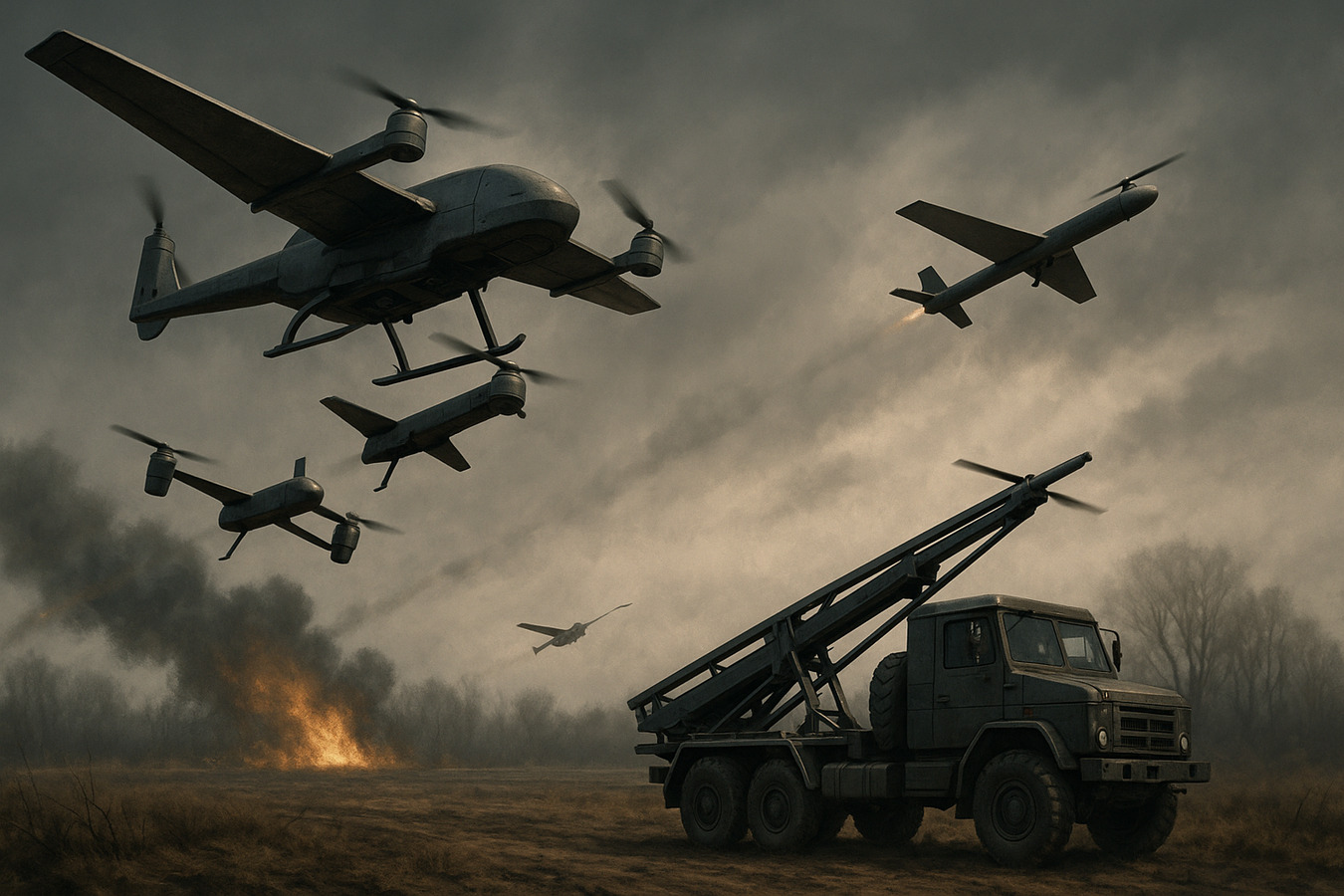
From Rifles to Kamikaze Drones, the War in Ukraine Is Experiencing a Tactical Revolution with Remote Attacks, Adapted Weapons, and Aerial Combat Between Drones
The war in Ukraine has undergone a radical change since 2022. In the early months, battles were marked by rifles, machine guns, and close combat in tree lines. Today, the landscape is different.
Swarm tactics with kamikaze drones and precision strikes have taken center stage, changing the way combat is conducted. Most importantly, these attacks have become increasingly intense and unpredictable in recent times.
A New Form of War
Earlier this year, the Guardian showed how Russian and Ukrainian troops now face each other miles away using FPV (First Person View) drones.
-
Xiaomi TV Stick HD 2 is announced with Google TV and dual-band Wi-Fi, offering 38% superior performance, HDR10+, Dolby Atmos, a quad-core chip, Mali-G31 GPU, 1 GB RAM, and support for 1080p at 60 Hz.

-
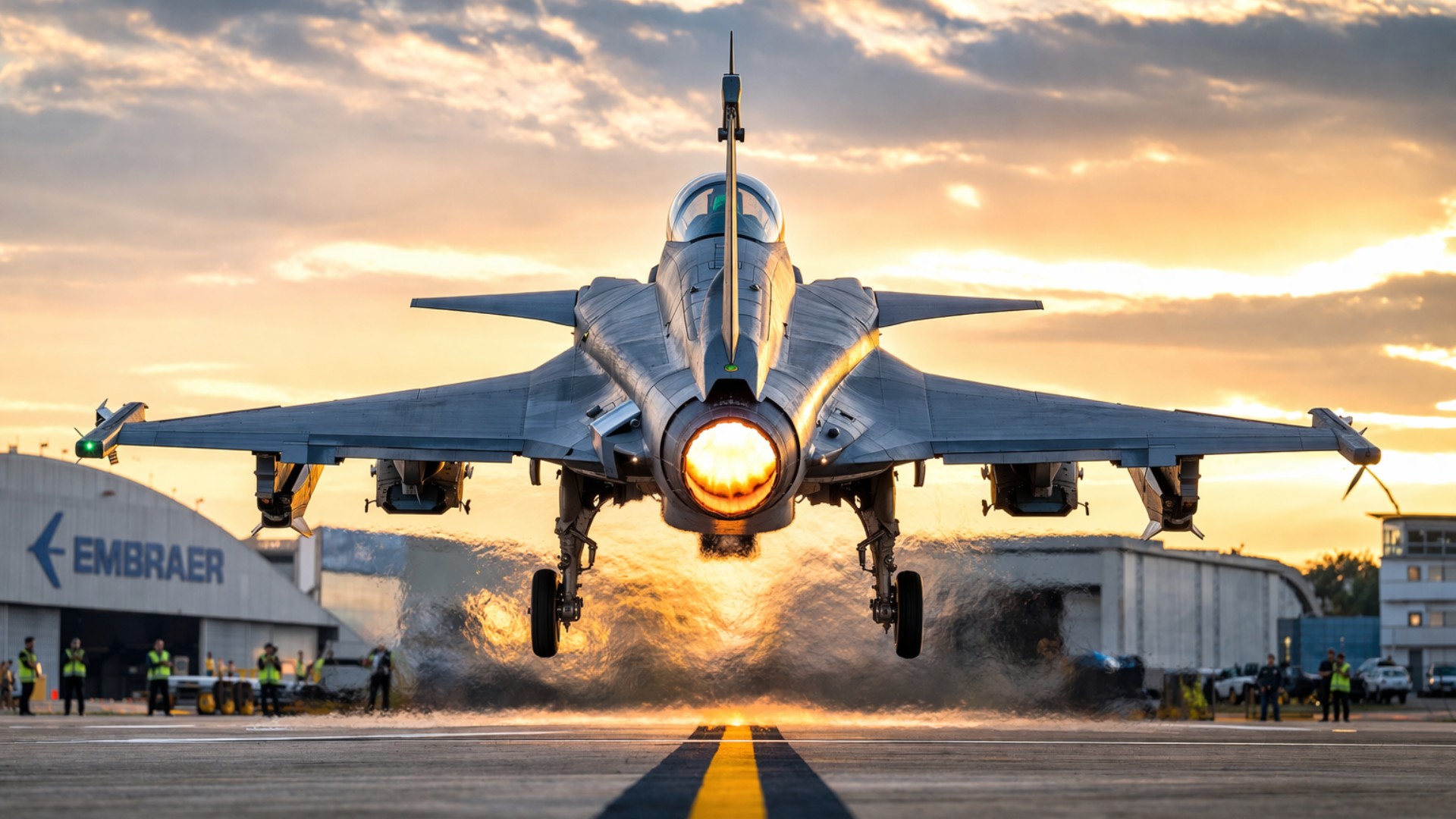
Brazil joins the select group of countries by producing a supersonic fighter that reaches 2,400 km/h with advanced electronic warfare technology, US$ 4 billion in investments, 36 units planned, 350 trained engineers, and unprecedented national production by 2032.
-
At the bottom of the sea, scientists have found a true underwater cathedral measuring 62 meters at the base, 31 meters at the top, and 1,347 square meters of giant coral in the Maug Islands, estimated to be 2,050 years old.

-
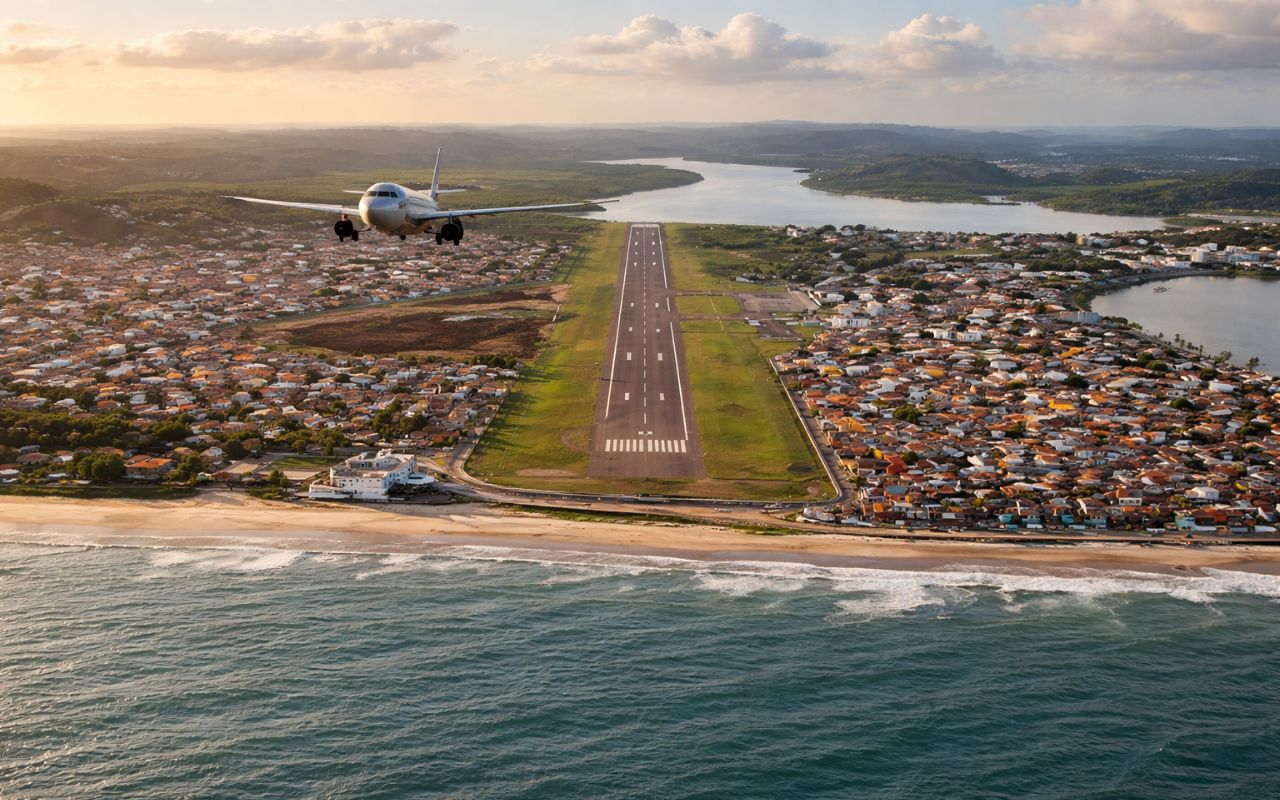
Surrounded by the sea, the airport will have a system to prevent airplanes from falling into the water; technology will be installed in Ilhéus (BA), with an investment of R$ 70 million.

Small but lethal, they carry up to one kilogram of explosives and have completely changed the dynamics of combat.
“It’s like being a sniper,” described Dima, a Ukrainian soldier, while showing a video of an FPV pursuing a Russian soldier until it hit him precisely.
The Democratization of Airstrikes
These drones have eliminated the idea of safe spaces. Due to their accessibility and effectiveness, any unit, even without air force support, can conduct precise attacks.
Samuel Bendett, a drone expert at the Center for Naval Analysis, explained that they have evolved from a novelty in 2022 to the dominant offensive tool in 2023 — and now they dominate the tactical field.
With speed, a range of up to 20 km, nighttime operation, and low cost, they have become perfect weapons for guerrilla warfare.
Armored vehicles need to move constantly, and troops can no longer stay too long in the same spot. Many traditional tactics have become obsolete.
“Mother” Drones and Combined Attacks
One of the most recent strategies involves “mother” drones: large models that carry and launch kamikaze drones in mid-flight.
This way, small FPV drones can reach targets behind enemy lines without expending energy before the attack.
One documented case showed a Ukrainian mother drone taking down a Russian reconnaissance drone, revealing that there are now also aerial battles between different types of drones.
Since the beginning of the war, Ukraine has adapted drones to carry explosives, grenades, and missiles. But recently, it has made advances in using mounted firearms on both aerial and ground drones.
There are reports of FPV drones firing double-barreled shotguns at Russian drones. Engineers have addressed recoil issues, allowing them to fire multiple times without losing stability.
A video showed one of these drones taking down three opponents in the air before attacking a soldier on the ground.
Tests with AK-74 rifles mounted on drones have also occurred, allowing bursts against enemy trenches.
They are not yet used on a large scale, but the trend of arming drones with conventional weapons is growing.
According to ArsTechnica, Burya is a notable example. It is a ground drone with a grenade launcher tower capable of firing up to 64 grenades at a distance of 100 meters.
It uses firing control software and gyroscopic stabilization, and could integrate with aerial reconnaissance drones to receive real-time coordinates.
Tactics for Electronic Warfare
Creativity has also reached electronic warfare. There are drones equipped with claws or magnets to capture enemy drones in the air, reminiscent of arcade games.
Another example is Pliushch, an unarmed ground drone that carries a 10-meter communications mast.
It acts as a radio repeater to extend the range of communications and also as a mobile electronic warfare station to jam enemy signals.
Electronic warfare on the front lines has intensified so much that many drones have become inoperable due to signal jamming.
To circumvent this, Ukraine has started using drones with fiber optics, avoiding detection by not emitting electromagnetic signals.
With information from Xataka.






-

-

-

-

18 pessoas reagiram a isso.