Alga Karenia cristata acts in low concentrations, proliferates in cold waters, and is linked to the death of more than 1 million animals.
Researchers identified Karenia cristata as the most toxic algae ever evaluated by science after investigating a mass mortality event that affected more than one million marine animals in southern Australia since March 2025. The conclusion, published on July 6 in the journal Nature Ecology & Evolution, resulted from genetic analyses, microscopic observations, and laboratory tests that showed damage even at very low concentrations.
The discovery also overturned two previous references. Karenia brevis was considered the most dangerous species of the genus, while its blooms were mainly related to warm waters. However, K. cristata showed higher toxicity and the ability to multiply at lower temperatures.
Algae increases concern for colder waters
The tolerance to reduced temperatures helps explain why the Australian episode did not completely fit the available knowledge about these blooms. The new result demonstrates that the occurrence of a highly toxic event is not limited to warmer environments.
-
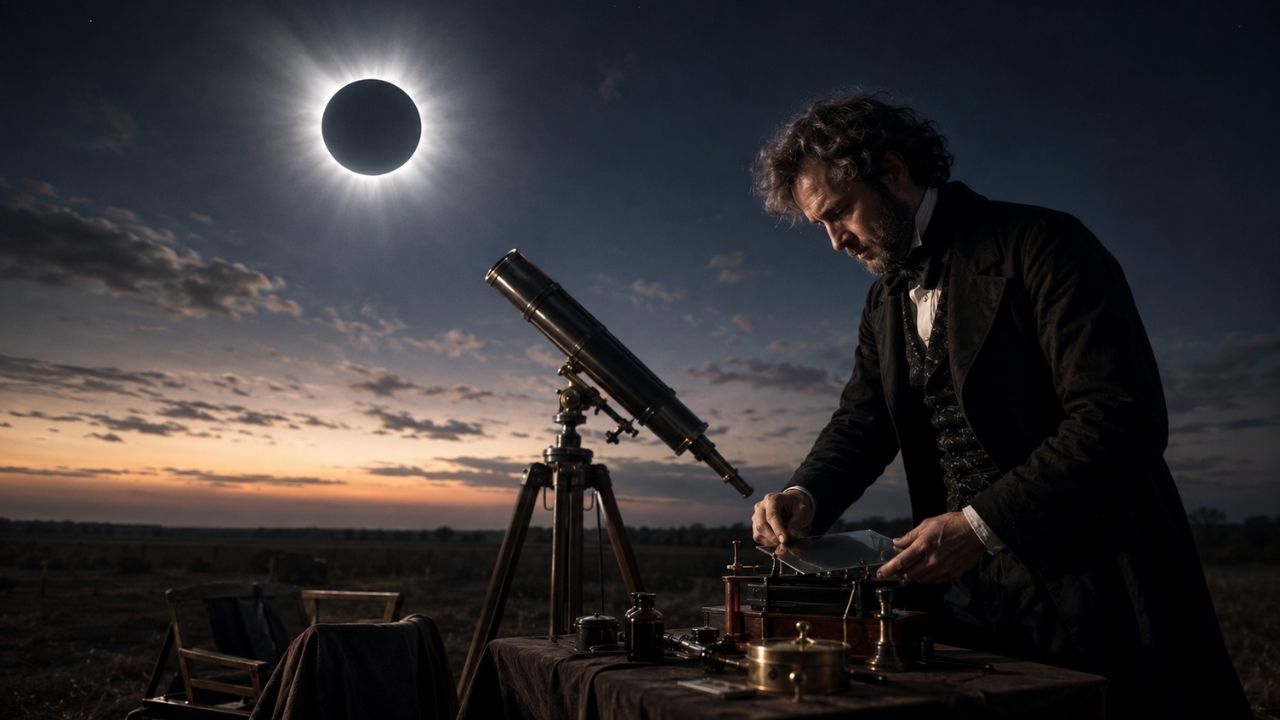
The first clear photograph of a total solar eclipse was taken 175 years ago by a man almost forgotten by history: captured during an 84-second exposure, the image revealed the Sun’s faint corona and paved the way for studies that today help understand solar storms and damage to satellites.

-
Three teenagers mixed gelatin, glycerin, and water to create fishing lures that work like plastic ones. They managed to catch fish in tests and made the material disappear in about two weeks when left in the sea, winning two local awards and a national science competition in Australia.
-
Three teenagers mixed gelatin, glycerin, and water to create fishing lures that work like plastic ones. They managed to catch fish during tests and made the material disappear in about two weeks when left in the sea, winning two local awards and a national science competition in Australia.
-
Without lithium or rare earths, new hybrid battery uses 3D-printed electrode, stores seven times more charge, and retains 82% capacity after 1,500 cycles.


Additionally, the microalgae release substances harmful to nerve cells. This action was observed in both invertebrate organisms and fish gill cells produced in the laboratory.
The authors reported to The Conversation that K. cristata “killed half of the invertebrates we studied” even when present in extremely small quantities. Among the organisms examined was also plankton.
Different analyses solved the identification
Before assessing toxicity, scientists needed to discover which microorganisms made up the bloom. Five species of the genus Karenia were found in the water samples, but the alga K. cristata appeared as dominant.

The investigation brought together procedures with distinct functions:
- cultivation of the species to measure its effects on organisms and cells;
- molecular genetics to differentiate species present in the same sample;
- high-power microscopy to examine and compare cellular structures.
This combination prevented similar species from being confused and allowed the predominant presence of K. cristata to be associated with the effects observed in the experiments.
Results help explain the disaster
The environmental dimension of the phenomenon emerged before its cause was clarified. In March 2025, a yellowish foam began to appear on Australian beaches. In the following months, deaths from intoxication were recorded among birds, marine mammals, mollusks, and fish.
Craig Styan, co-author of the research and environmental scientist at the University of Adelaide, told the Australian Broadcasting Corporation that the tests offer, for the first time, an explanation for the magnitude of the destruction observed in the environment.
The statement relates what happened on the beaches to the results obtained under controlled conditions. The high mortality recorded in the trials demonstrated how a reduced concentration of the microorganism could cause widespread consequences in the fauna.
Origin of the proliferation will still be investigated
The work answered which species predominated and proved its potency, but two questions remain open. Researchers now intend to identify the conditions that favored the unprecedented growth of K. cristata and understand how it produces such intense toxins.
These next steps may clarify what triggered the bloom and expand the understanding of similar events. So far, the evidence places the rare alga Karenia cristata at the center of the crisis that devastated marine life in southern Australia.
With information from One Planet Only