





 Portuguese
  English
  Spanish
  4 min of reading
  0 comments


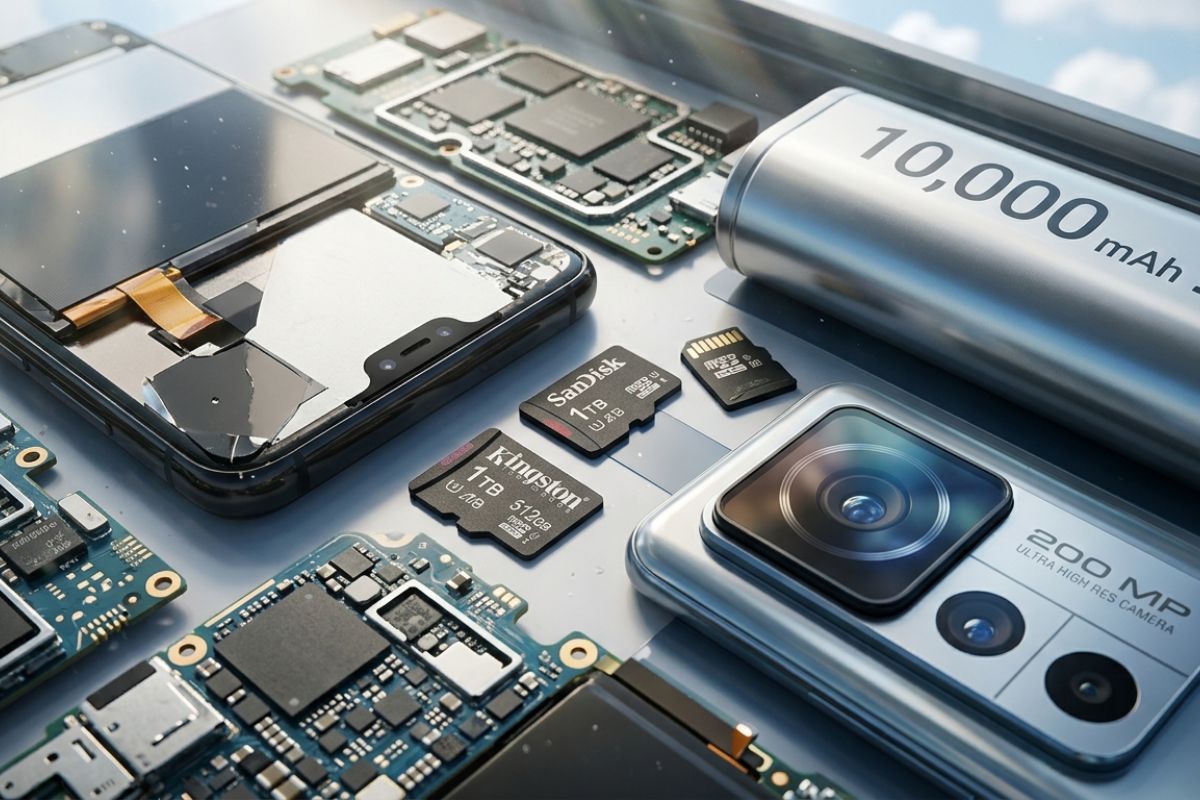
The microSD may reappear even in more expensive devices due to rising component costs, and rumors still talk about batteries of up to 10,000 mAh and 200 MP cameras
The memory chip crisis has once again shaken the market’s behind-the-scenes and may push smartphones towards choices that seemed buried. In 2026, the microSD and the waterdrop notch may return as part of a strategy to hold costs, avoid direct pass-through to consumers, and keep products competitive in a scenario of increasing demand for artificial intelligence.
At the same time, the week also brought promises and leaks pointing in opposite directions. On one hand, Microsoft says that Windows 11 will undergo a “cleanup” to become lighter. On the other, rumors of phones with huge batteries, reaching 10,000 mAh, and 200 MP camera sensors becoming even more common in the premium segment are emerging.
Memory chip crisis and the return of what seemed outdated
The alert comes from a straightforward scenario: components have become more expensive, and analysts associate this pressure with the demand for artificial intelligence resources. When costs rise, manufacturers seek shortcuts to maintain margins and prices, even if it means “regressing” in design and hardware choices.
-
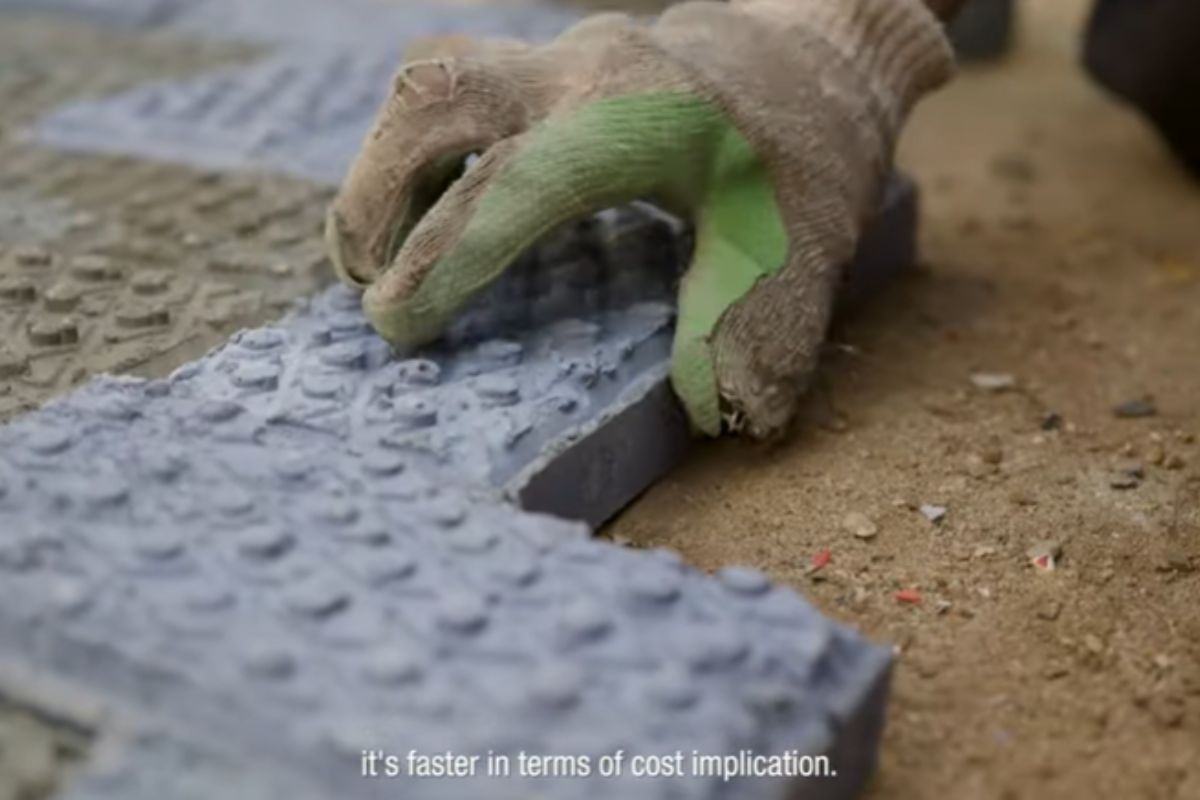
In Kenya, engineer Nzambi Matee created “bricks 2.0” using packaging plastic: a mixture with sand, heated and pressed; they are 5 times more resistant, already have official licensing, and are being used in streets and construction projects.
-
More than 20,000 positions could be opened, and thousands of technicians are starting to be trained in Brazil, as the expansion of data centers creates an urgent race for professionals to keep the internet, cloud, and artificial intelligence running 24 hours a day.

-
China approves the 15th Five-Year Plan 2026-2030 to become a global power: prioritizes brain implants, 6G with AI, humanoid robots, flying cars, quantum technology, and nuclear fusion, while strengthening defense and the economy.

-
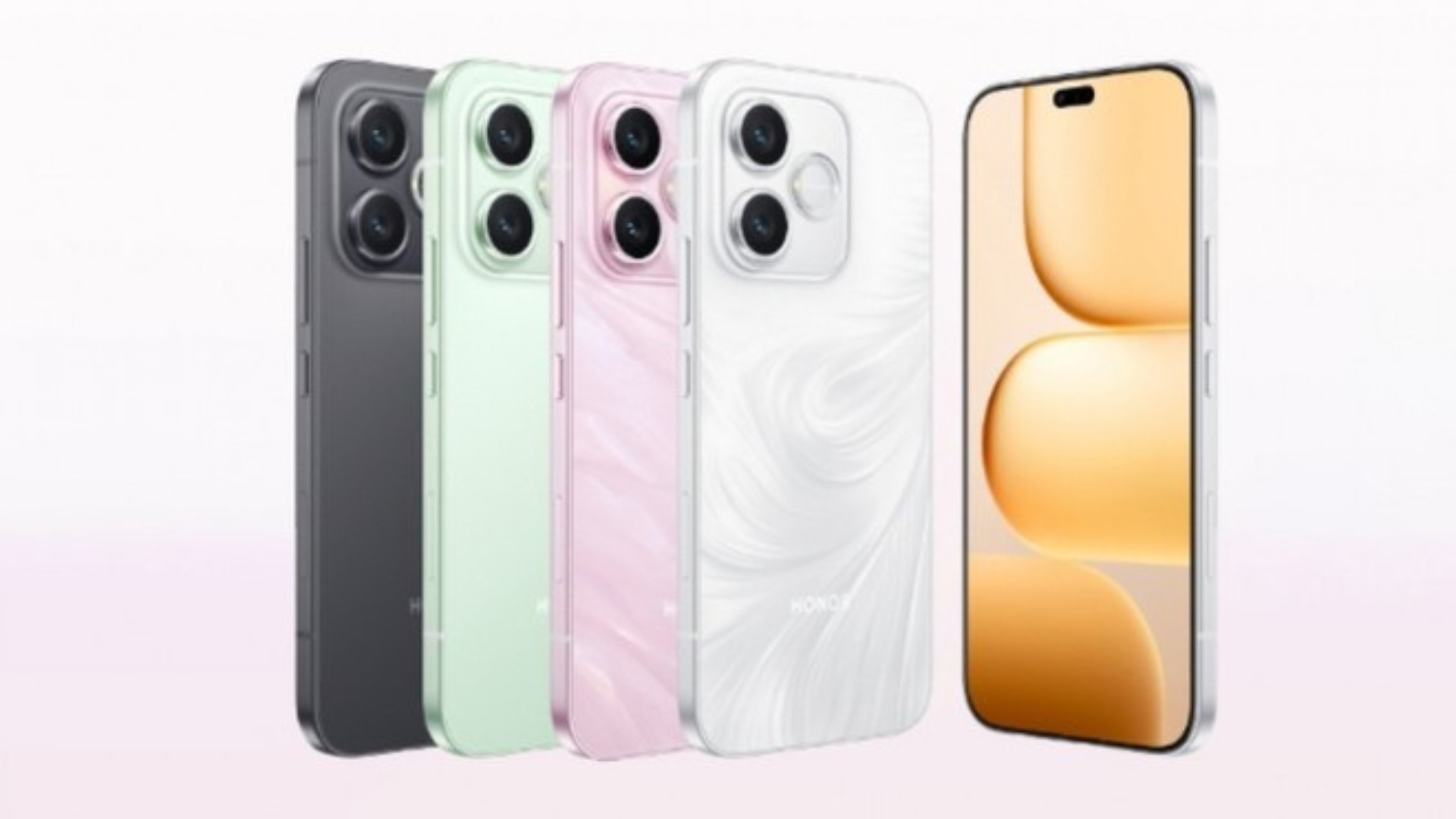
HONOR X80i arrives with a massive 7,000 mAh battery, a 120 Hz AMOLED display with a brightness of 6,500 nits, and the new Dimensity 6500 Elite chip, promising up to 22 hours of video playback and impressive performance in casual gaming.
It is in this context that the microSD reappears as a real possibility, even in categories where it has been disappearing. The idea is simple: hold the line, reduce the cost of some parts, and keep the product attractive at the final price.
Why waterdrop notch and microSD may return together

The return of the waterdrop notch and the microSD comes as a package of “cheap solutions” that are already known in the industry. The waterdrop notch tends to be simpler to implement than more advanced cutouts, and the microSD slot can serve as a value argument when internal storage becomes more expensive.
The noteworthy point is that this return would not be restricted only to the entry-level line. There is a chance that the microSD could appear even in more expensive segments, precisely because the goal would be to avoid passing the entire increase in component costs to the consumer.
What may “regress” in smartphones to hold costs
In addition to the waterdrop notch and microSD, comments and projections include a package of specifications that, for many, would sound like a setback:
- 90 Hz refresh rate screens
- only 8 GB of RAM with 512 GB of storage
- plastic frame
- optical sensor for fingerprint reading
The logic behind this is pragmatic: cut where it can be cut and keep the product sellable. If the market becomes more expensive, some features return to the drawing board as a “survival option.”
The good side: end of 128 GB at the top and in the premium mid-range
In the midst of this discussion, a point emerges that can be seen as progress. There are rumors that options with only 128 GB may lose ground in high-end and premium mid-range models.
In a scenario where the microSD may return, this movement also makes sense as a repositioning: larger internal storage becomes the standard, and the microSD slot returns as a complement for those who want expansion without paying a premium for higher variants.
Windows 11 promises to become lighter and less loaded with AI
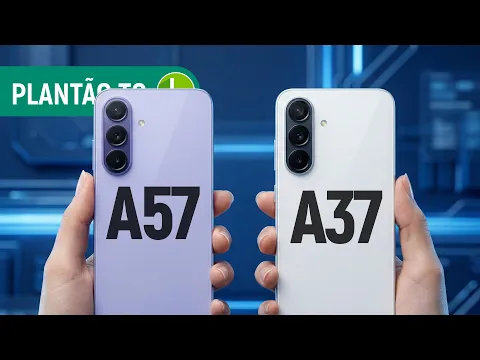

While hardware enters “tightening” mode, software tries to respond to criticism. Microsoft promises adjustments so that Windows 11 consumes less RAM and bets on a dedicated driver for NVMe memory to increase read and write speeds.
Usability and performance changes were also mentioned: the possibility of positioning the taskbar at the top or on the sides, rewriting the start menu to reduce CPU consumption, a more efficient file explorer, and restructuring Windows Update.
One point that caught attention is the promise of ending mandatory Copilot in native applications, such as Notepad and Snipping Tool. The company also states that new updates would undergo extensive testing on real physical hardware before reaching the Windows Insider channel.
Leaks point to giant batteries and 200 MP cameras
Despite the talk of restraint in some aspects, leaks remain aggressive in others. There are rumors of compact devices with batteries around 7,000 mAh, in addition to models that could reach 10,000 mAh, with the possibility of 100 W wired fast charging.
On the camera side, the number returns with force: 200 MP appears as a bet in both premium lines and more robust mid-range models, reinforcing the idea that the competition for “big numbers” in marketing is still alive.
What to watch for in 2026 before buying
If these trends are confirmed, 2026 could become a year of curious choices:
- microSD reappearing as a differentiator, even outside the basic line
- waterdrop notch returning in the name of cost and scale
- some cuts in finishing and screens to maintain price
- batteries and cameras growing as marketing showcases
- Windows 11 trying to regain trust with performance and less weight
The feeling is of a market divided between “simplifying to lower costs” and “exaggerating to impress.”
If the microSD really returns in 2026, would you prefer that even if the waterdrop notch also returns, or do you think it would be a difficult regression to accept?






Seja o primeiro a reagir!