





 Portuguese
  English
  Spanish
  3 min of reading


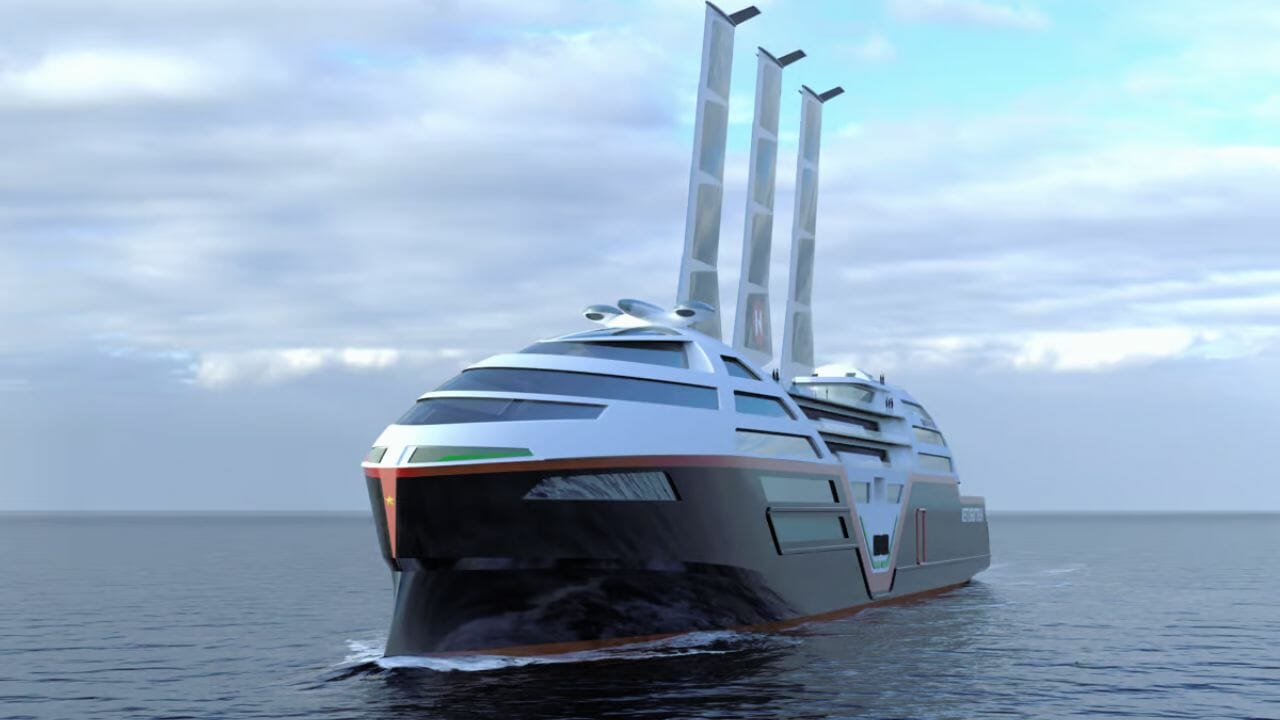
Hurtigruten Norway, a maritime company operating on the coast of Norway, is taking a big step toward sustainability with the development of the first cruise ship fully free of pollutant emissions.
The project, named Sea Zero, promises to be a revolution in the cruise ship market, as it will be powered by electric batteries and will have a wind and solar energy generator onboard, becoming a greener and more conscious alternative to the ships that currently pollute the world’s seas and exacerbate climate problems.
The goal is to have the first Sea Zero commercially sailing off the coast of Norway by the early next decade, thus launching a more sustainable alternative for the cruise market. It is no coincidence that the company has brought together a consortium of 12 companies and also the renowned independent research institute, Sintef, one of the largest in Europe, to develop this ambitious and innovative alternative for the maritime sector.
In the maritime context, every stage of the process needs to be strategically thought out to ensure the project’s success.
For this reason, the company believes that one of the biggest challenges is having available and effective technologies by the early next decade. The technologies necessary for the project are still under development and require intensive research.
-
With 74% of companies facing difficulties in hiring, technicians and engineers in renewable energy are becoming scarce in Brazil and are essential to support the expansion of solar, wind, and green hydrogen projects.

-
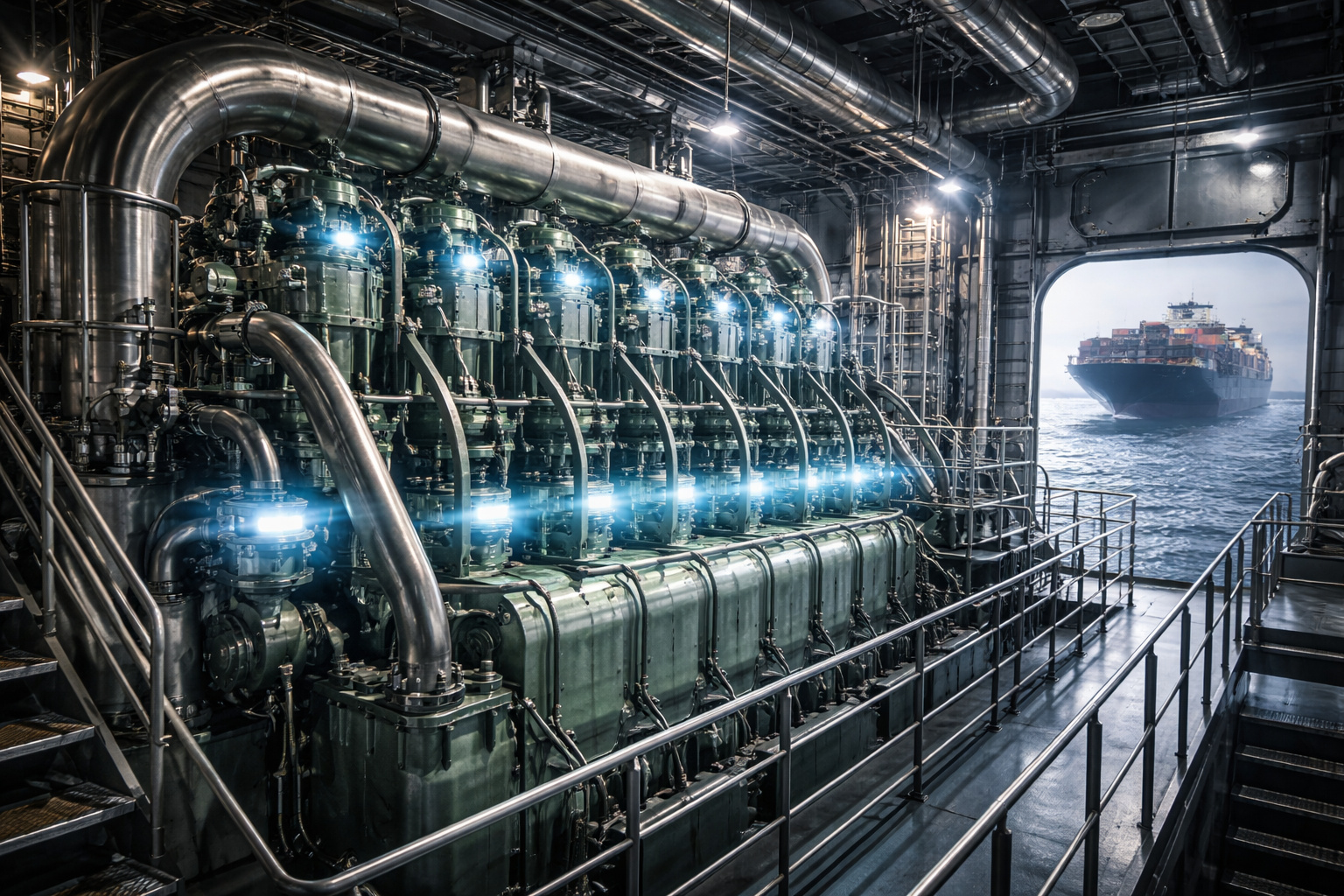
Europe is trying to create an ammonia-powered marine engine without auxiliary fuel, which could unlock the race for giant emission-free ships. The technology aims to eliminate one of the biggest obstacles to clean maritime propulsion.
-
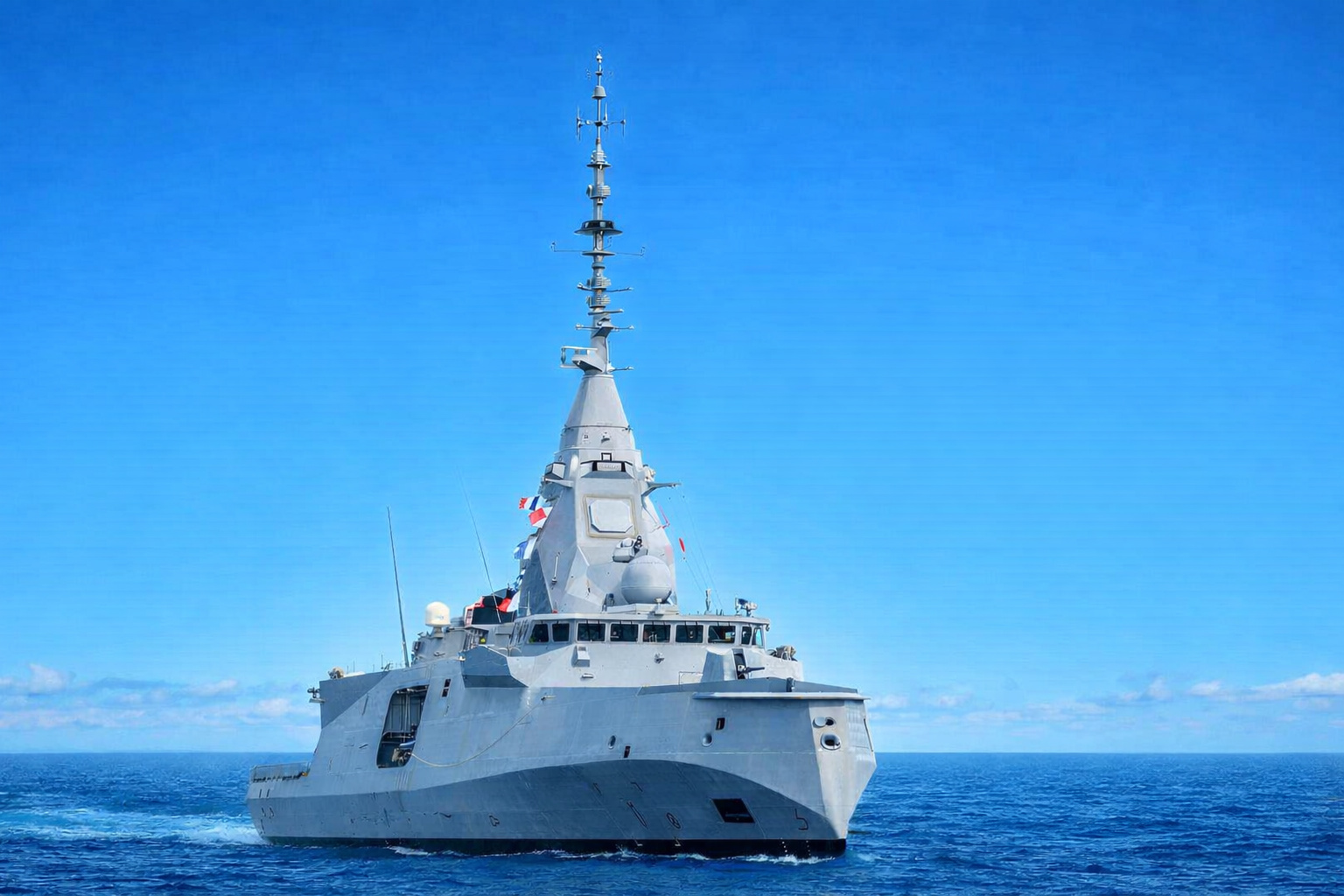
A 4,500-ton frigate with just over 100 crew members, state-of-the-art radar, and cruise missiles is being touted as the new standard of naval warfare in the 21st century.
-
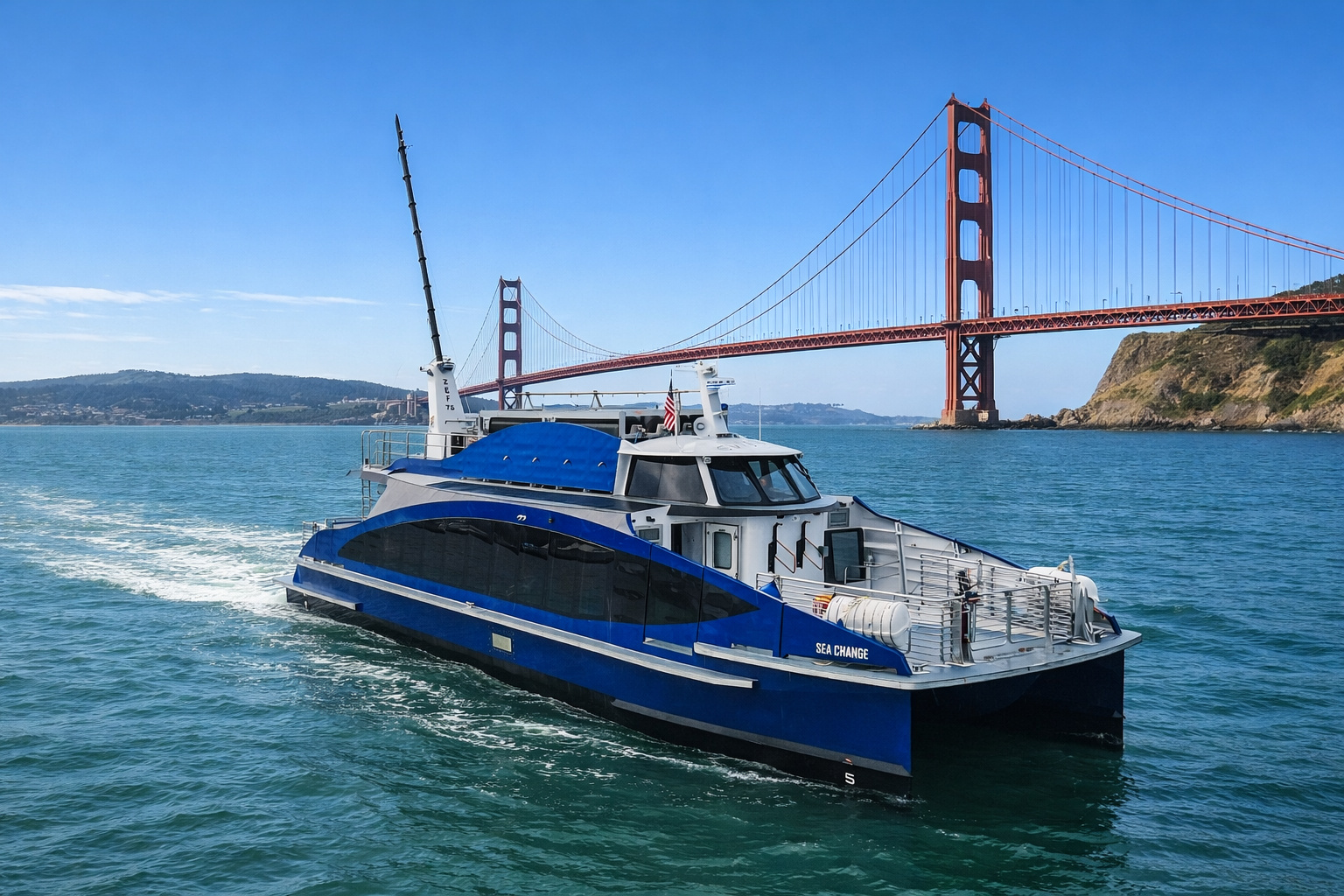
The first commercial hydrogen-powered ferry enters operation in the U.S., eliminates the use of diesel, uses fuel cells to generate clean energy on board, and transforms San Francisco Bay into a landmark of the new era of emission-free navigation.

Although some technologies have reached an advanced stage, there is still a need for dedicated research and development to ensure efficient implementation in the maritime context.
Some technologies are still in early stages and require fundamental research and complete testing. One of the company’s priorities is to identify the most promising technologies and apply them wisely in its future and innovative emission-free ships.
The Sea Zero is a 135-meter-long vessel with capacity for 500 passengers and 99 crew members, in addition to having a cargo hold.
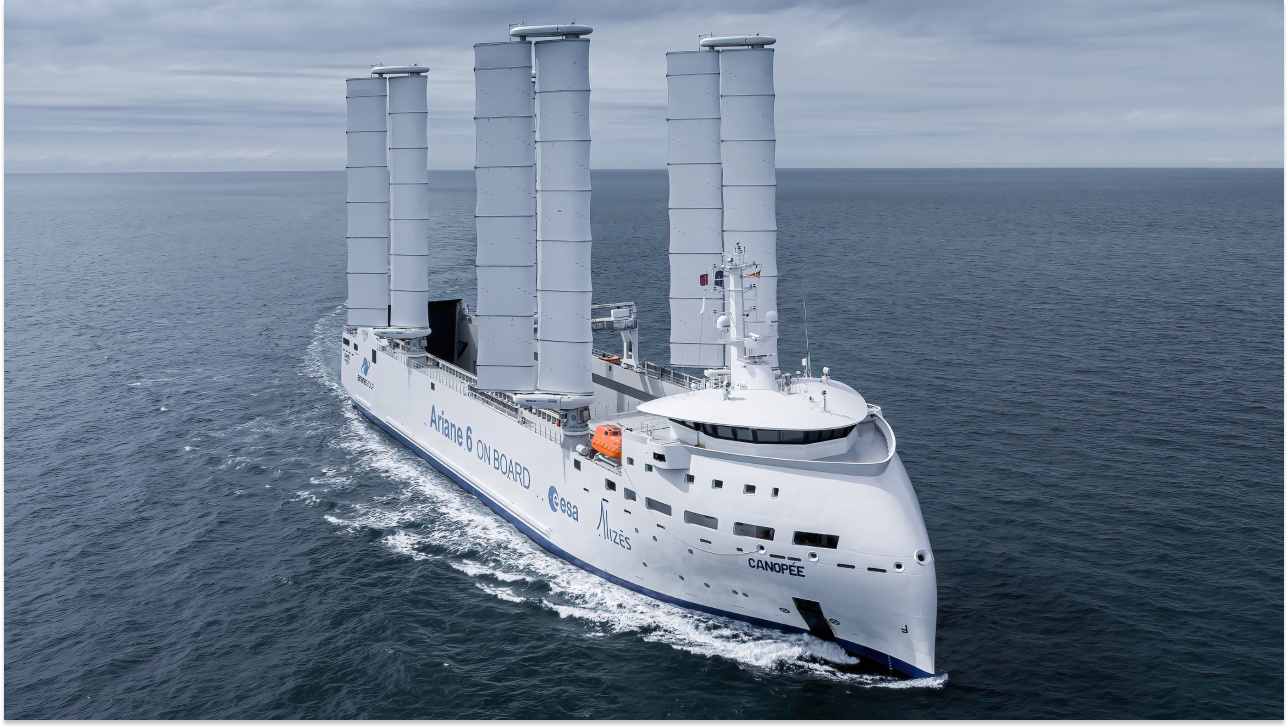
The future emission-free ship will be electric and equipped with batteries that will be charged at ports. Combining 60 MWh battery solutions with wind technology, the vessel will also have retractable sails with solar panels, maneuvers conducted by artificial intelligence software, multiple retractable propellers, contra-rotating propellers (CRP), and air lubrication.
The bow, where the captain and crew control the ship, is expected to be significantly reduced, resembling an airplane cockpit, due to the use of advanced artificial intelligence. Hurtigruten Norway has been operating for over 130 years on the coast of Norway and has a solid knowledge of the 34 ports it uses daily. For this reason, the artificial intelligence of its future ships will be developed with data so that the systems learn the most efficient mooring and unmooring methods for each port.
The company’s commitment to sustainability also includes guest interaction in the emission-free ship experience.
Guests will be invited to participate in the zero emissions effort and will have an interactive mobile app, where they can operate the ultra-modern cabin ventilation and measure their own water and electricity consumption.
Although the construction of this ship is in its early stages, it is already possible to see the vision of a sustainable future in the maritime sector. Hurtigruten Norway firmly believes that building this ship is just the beginning of a new era of innovation and sustainability in the cruise ship market.
With each new technology developed and implemented, it is believed that it will bring a greener and more conscious maritime transport future. Sustainability in the maritime sector is no longer an option, but a necessity to ensure the survival of the seas, and the construction of the ship entirely free of emissions is an important step in that direction.








Seja o primeiro a reagir!