





 Portuguese
  English
  Spanish
  3 min of reading


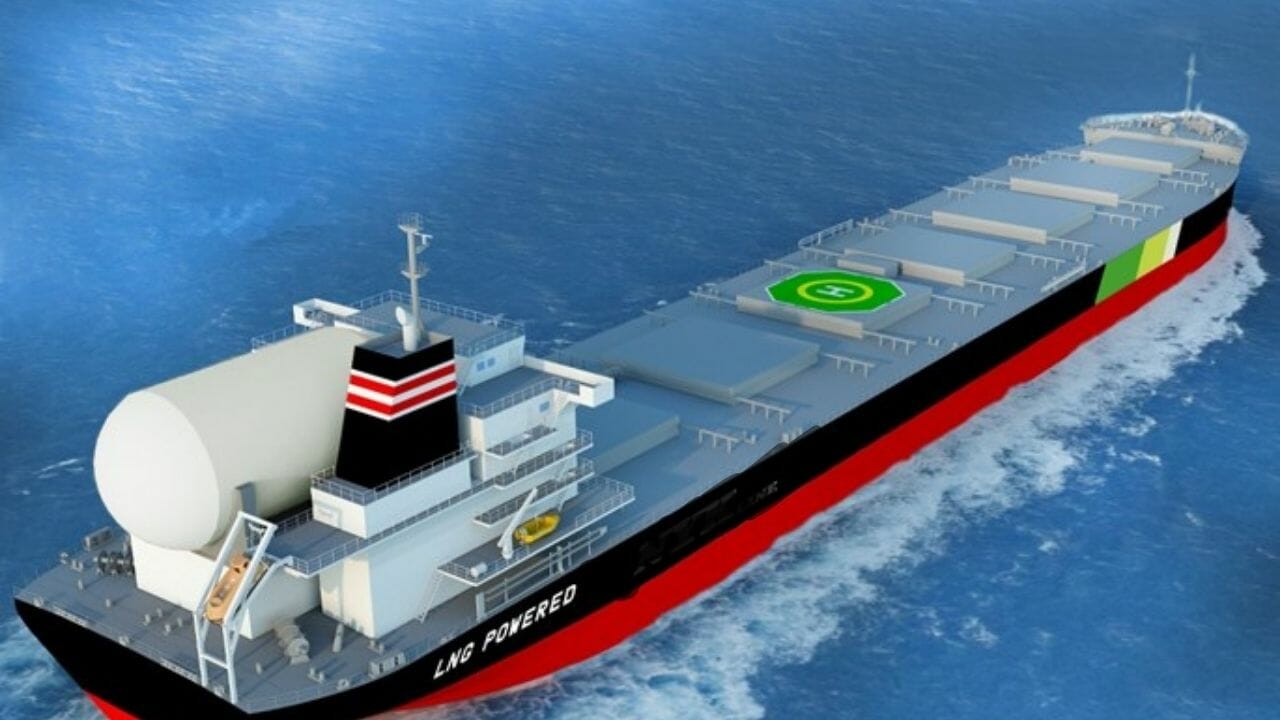
The MOL is a Japanese shipping company aiming to achieve net-zero greenhouse gas emissions by 2050.
To this end, the company has set an ambitious goal that drives its actions towards sustainability in the shipping industry. The company has already ordered and built LNG-powered cargo ships, bulk carriers, oil tankers, barges, and a tugboat.
With increasing concern regarding sustainability, the shipping industry has been seeking alternatives for cleaner fuels. LNG is one such option, as it is considered a cleaner fuel than diesel. It is produced from conventional natural gas, which undergoes a liquefaction process, enabling its use as fuel.
The MOL already has 17 LNG-powered ocean vessels in its fleet, representing a significant advancement towards sustainability and environmental preservation goals. The company has ordered a new dual-fuel coal carrier capable of operating on LNG.
-
From 30 cooperators to an agro-industry that brings together 390 families, from the agrarian reform in Paraíba, embarking on a historic leap, the first goat milk powder industry from family farming in the Northeast, a R$ 3.75 million project to tackle the drought in the Semi-Arid region.

-
Toyota’s factory in Porto Feliz has been completely demolished after a windstorm, and rebuilding from scratch changes the engine plan until 2028.

-
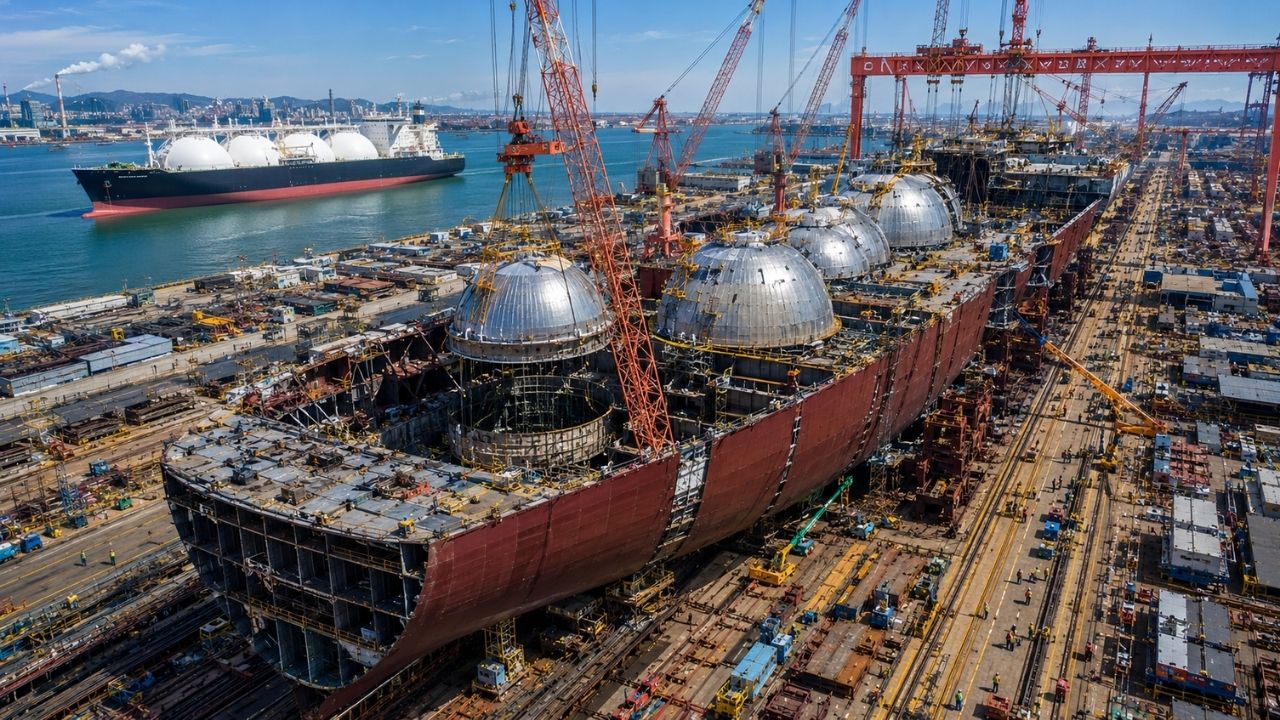
China begins construction of the world’s largest LNG ship, a 344-meter giant capable of supplying 4.7 million homes for a month, carrying 271,000 m³ of gas, and placing QatarEnergy in the largest naval order ever recorded in world history.

-
Bangladesh tested a house that seems to have hidden buoys, stays firm on the ground on dry days, and floats during floods without turning into a houseboat.


Ambitious Goals and Objectives
The company has set the goal of having at least 90 LNG or methanol-powered vessels in its fleet by 2030. This is quite an ambitious goal, demonstrating the company’s commitment to making a difference in sustainability within a market as crucial as the shipping sector.
Methanol is another alternative fuel that provides a clean and sustainable option for shipping. It is produced from renewable sources such as biomass and can be used in internal combustion engines of vessels, just like LNG.
The goals set by MOL are indeed ambitious, but the company has shown a real commitment to sustainability and environmental preservation. The company understands that to achieve its goals, it is essential to invest in clean and alternative technologies, such as LNG and methanol.
Clean Fleet and Environmental Concerns
The shipping industry is traditionally recognized as a polluting sector, but environmental concerns have become increasingly prevalent in the market, especially regarding navigation. MOL is at the forefront of this movement by investing in clean and sustainable technologies, such as LNG and methanol.
This concern for the environment has also been driven by the efforts of governments in various countries that have encouraged the adoption of cleaner fuels and emission reductions. However, MOL has gone further by establishing its own sustainability goals and objectives.
The company has also invested in other renewable energy sources to reduce its carbon footprint, such as wind and solar energy. It has also been working on solutions to improve the energy efficiency of its vessels through more advanced and efficient technologies.
Sustainability in the shipping sector is a fundamental issue for environmental preservation. MOL is leading this change with the construction of a clean and sustainable fleet, based on less polluting and alternative technologies that significantly reduce greenhouse gas emissions.





Be the first to react!