





 Portuguese
  English
  Spanish
  6 min of reading
  0 comments


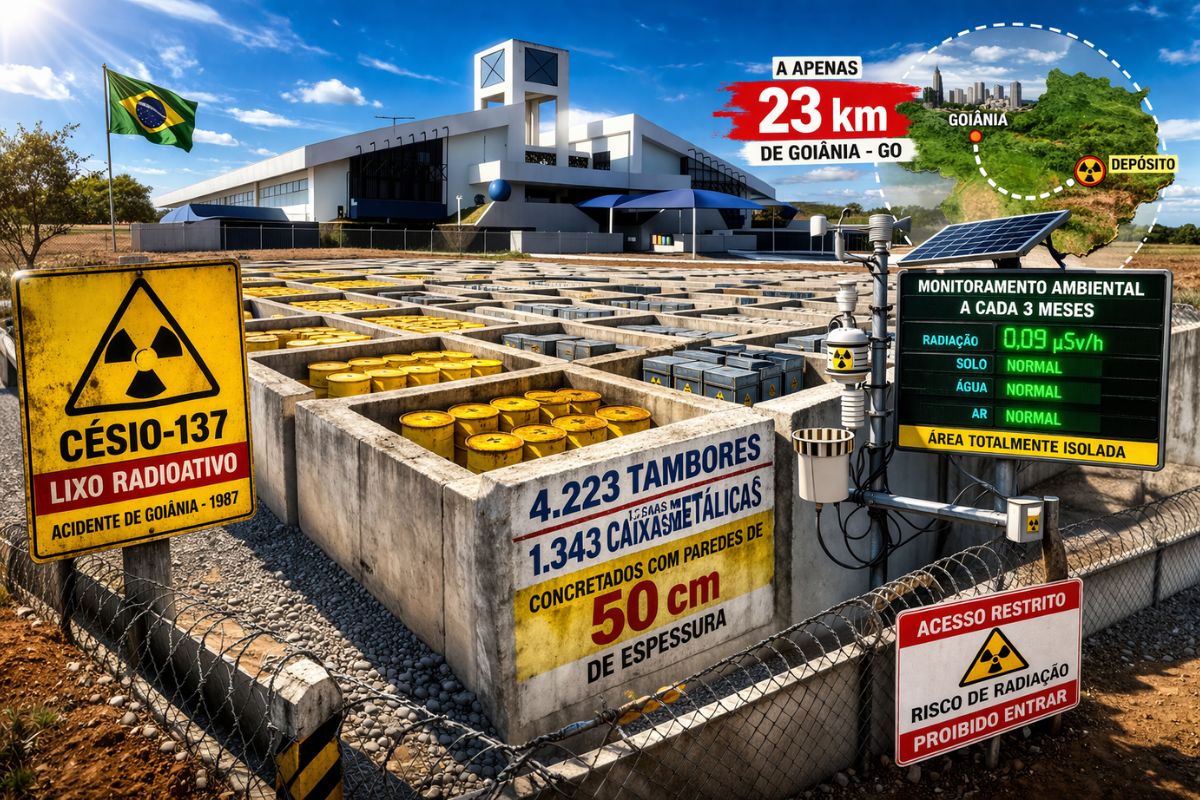
Almost four decades after the disaster with Cesium-137, the largest radiological accident in Brazil still requires constant monitoring: all the radioactive waste generated by the tragedy is buried in Abadia de Goiás under layers of concrete, with rigorous environmental monitoring that analyzes soil, water, and vegetation every three months to ensure that Goiânia and the region remain safe.
The worst radiological accident in Brazil has been over 37 years, but its remnants remain buried, concreted, and monitored. In September 1987, an abandoned capsule of Cesium-137 in a deactivated clinic in Goiânia triggered the largest radiological tragedy ever recorded outside of nuclear plants. The result was 3,500 cubic meters of radioactive waste that needed to be collected, sealed, and deposited in a place safe enough to last for centuries.
This place exists. It is only 23 kilometers from Goiânia, in the city of Abadia de Goiás, within the Telma Ortegal Park. Under two perfectly symmetrical mounds, 4,223 drums, 1,343 metal boxes, and 10 containers hold everything that was contaminated from clothing and debris to pets. Environmental monitoring is conducted every three months by specialized technicians because the radiological accident in Brazil is not a thing of the past: it is a continuous present.
What happened in Goiânia in September 1987
The story begins with a forgotten medical device. A radiotherapy clinic in downtown Goiânia was deactivated and left behind a capsule containing Cesium-137, a radioactive isotope used in cancer treatments.
-
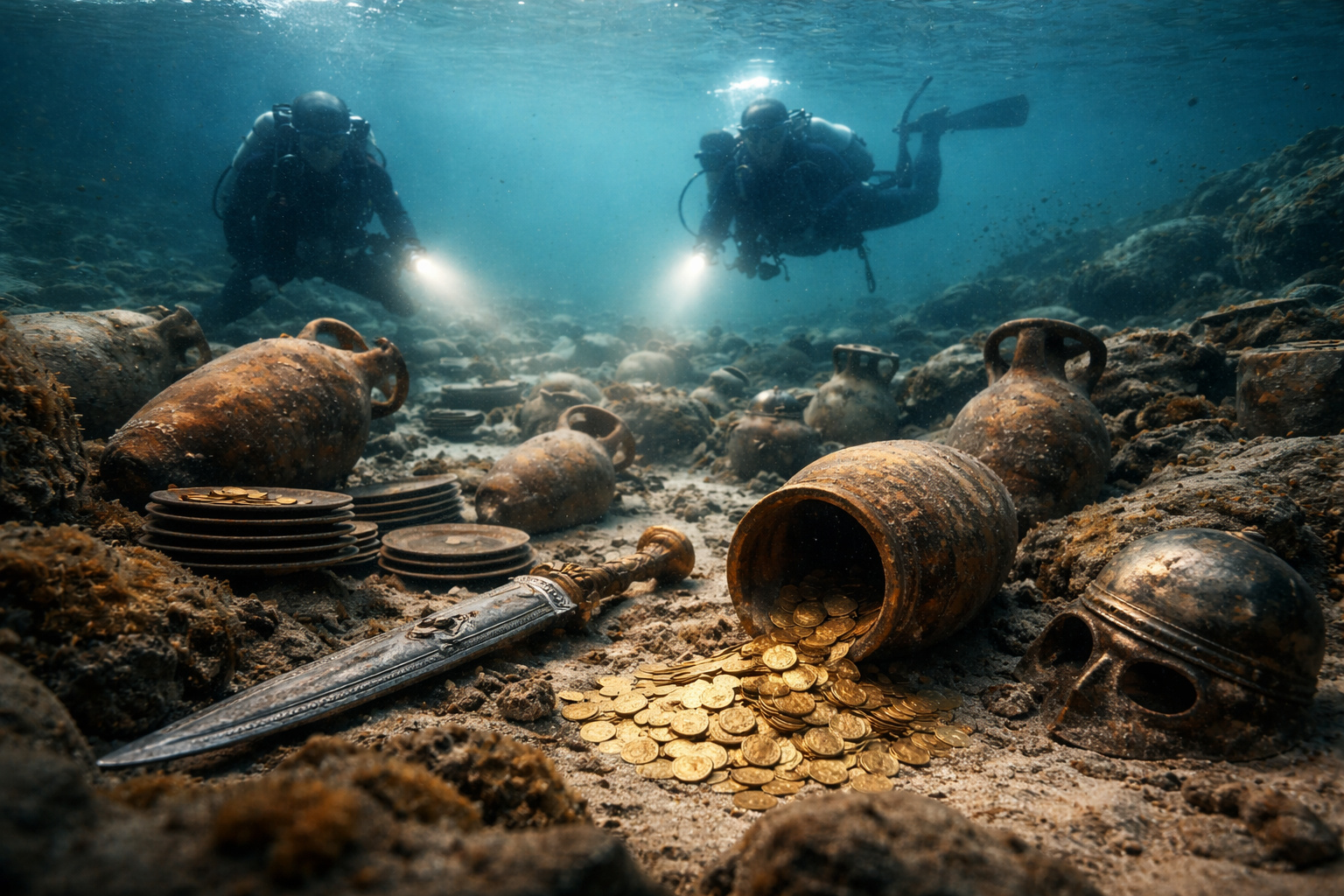
Giant Roman treasure found at the bottom of Lake Neuchâtel in Switzerland reveals an advanced trade system, circulation of goods, and armed escort in the Roman Empire about two thousand years ago.
-
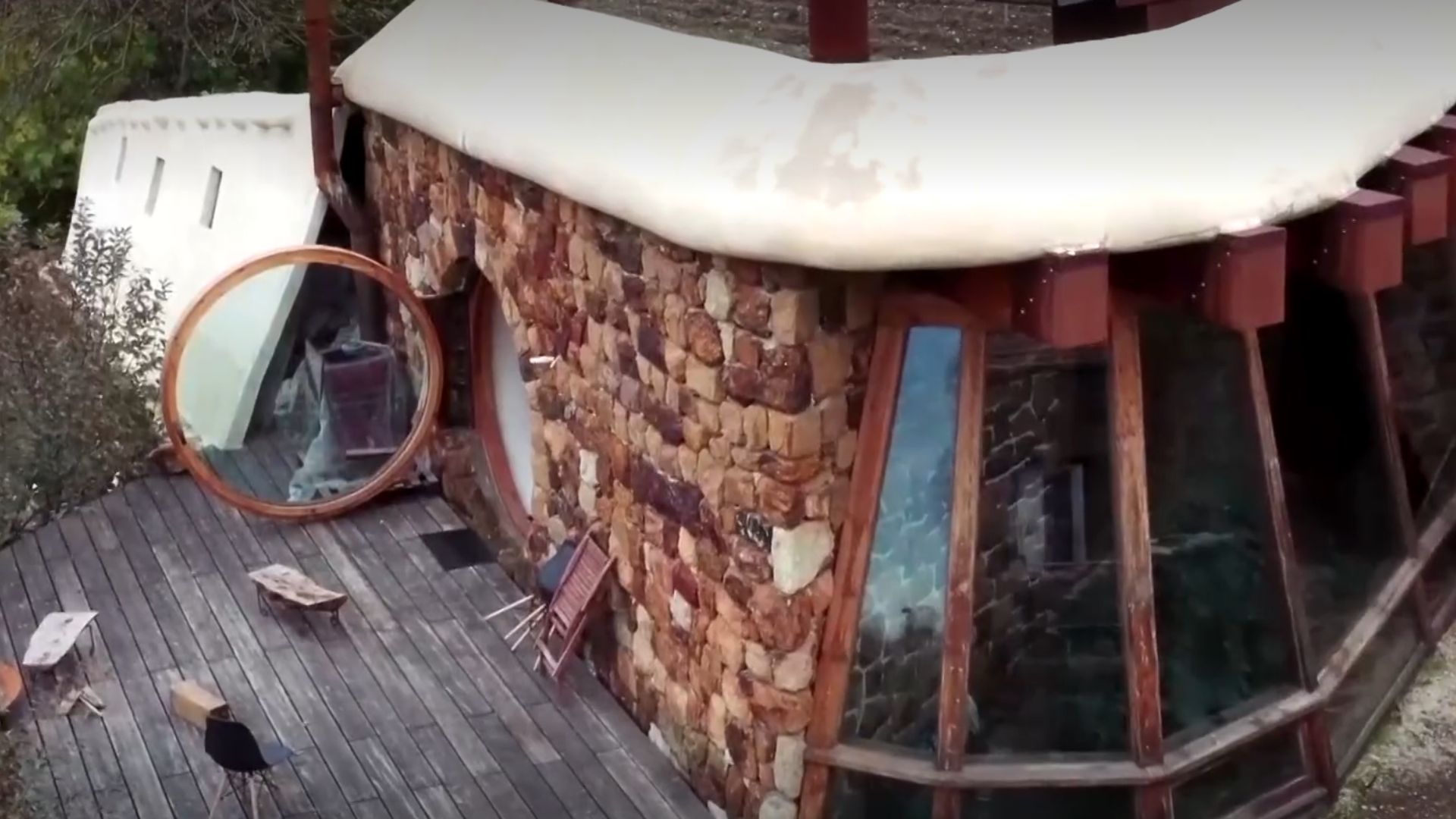
He buried 1,200 old tires in the walls to build his own self-sufficient house in the mountains with glass bottles, rainwater, and an integrated greenhouse.
-
The aircraft carrier HMS Prince of Wales is heading to the Arctic with F-35 fighters, helicopters, and warships in an operation that repositions the United Kingdom at the forefront of NATO in 2026.

-
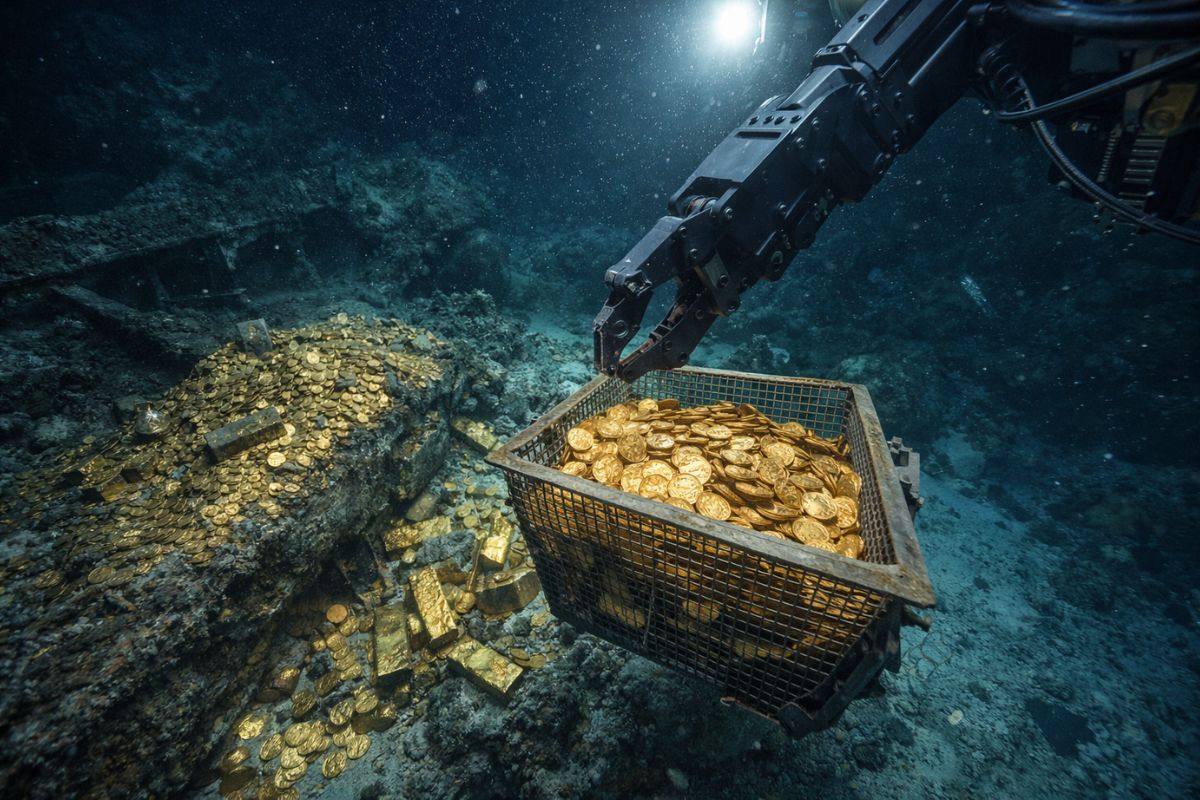
He found the largest gold shipwreck in the United States with tons of the precious metal at a depth of 2,400 meters in the Atlantic and recovered a treasure that no one thought possible to reach, but 500 gold coins disappeared without explanation.

Two recyclable material collectors found the device, dismantled the shielding, and exposed the radioactive source without knowing what they were handling.
The bright blue powder that came out of the capsule fascinated neighborhood residents. It was passed from hand to hand, taken to homes, rubbed on children’s skin.
When the first symptoms of contamination began to appear—vomiting, burns, hair loss—it was already too late to prevent the radiological accident in Brazil from becoming a catastrophe of international proportions.
In the end, four people died directly from radiation, hundreds were contaminated, and Goiânia entered history for one of the most tragic episodes of the nuclear age.
How 3,500 cubic meters of radioactive waste were collected and sealed

The cleanup operation was as extraordinary as the disaster itself. Technicians had to walk through streets, houses, and lots in Goiânia identifying and removing everything that had been contaminated by Cesium-137.
Clothing, furniture, walls, soil, vegetation, and even pets that had contact with radiation were collected and cataloged as radioactive waste.
According to physicist Walter Mendes Ferreira, in a statement to the Legislative Assembly of Goiás, a total of 4,223 drums, 1,343 metal boxes, and ten containers were used to store the contaminated material.
Each item was isolated in lead boxes to prevent radiation leakage. The final volume reached 3,500 cubic meters—equivalent to completely filling more than one Olympic swimming pool with radioactive waste.
The next question was where to deposit all of this. The chosen site was in Abadia de Goiás, 23 kilometers from the capital. The original plan was for the deposit to be temporary, but the conditions of the land changed that decision.
The area posed no risk of groundwater contamination, and moving all the material again brought dangers that no one wanted to take. The radioactive waste from the worst radiological accident in Brazil remained where it was this time, with engineering protection designed to last.
Inside the 50-centimeter walls that isolate Cesium-137

Disclosure/Semad
The containment system is not improvised. The deposits were concreted and placed within two large concrete structures with walls 50 centimeters thick.
The goal is to create a robust physical barrier to prevent any level of radiation from escaping to the external environment. Everything was buried and covered with earth, forming the two symmetrical mounds that are now part of the landscape of Telma Ortegal Park.
On top of the mounds, grass and vegetation grow normally. For those passing by the site without knowing the history, the hills seem just part of the natural terrain. But beneath the surface, layers of lead and concrete keep sealed the physical legacy of a tragedy that marked Goiânia and placed Brazil on the map of the worst radiological accidents in the world.
The containment engineering was designed considering that Cesium-137 has a half-life of approximately 30 years. This means that every three decades, radiation decreases by half.
But “by half” does not mean “safe”—it will take about 300 years for radioactive levels to become negligible. The concrete, lead, and environmental monitoring need to function throughout this period.
The environmental monitoring that happens every three months
Sealing the radioactive waste was not the last step. Since the waste was deposited, technicians from the Environmental Monitoring Program (PMA) for Radioactive Waste of CRCN-CO have been conducting quarterly inspections at the site.
Every three months, teams collect soil samples, analyze the quality of groundwater, examine vegetation, and check the sediments around the deposit.
The goal of environmental monitoring is twofold: to confirm that the containment barriers remain intact and to detect any signs of leakage before it becomes a problem.
To date, no analysis has indicated contamination in the surrounding area. But vigilance cannot be interrupted—the radiological accident in Brazil left a legacy that requires continuous attention for generations.
This inspection routine transforms Telma Ortegal Park into one of the few places in the world where the waste from a civil radiological disaster receives permanent and systematic technical monitoring. It is a protocol that combines nuclear science, environmental engineering, and historical responsibility all just over 20 kilometers from the center of Goiânia.
The Telma Ortegal Park: the reserve that was created to protect a radioactive cemetery
The decision to transform the area into a park was not aesthetic; it was strategic. With urban expansion encroaching on Abadia de Goiás, there was a real risk that construction would reach the site where the radioactive waste was buried. The creation of an environmental reserve was the way found to prevent any future development from drilling into the soil and reaching the containers.
The law that created the reserve was approved in 1995. The name “Telma Ortegal Park” came in 1997, in honor of the first mayor of the municipality, who passed away during her term.
In addition to physically protecting the deposit of Cesium-137, the park serves as an educational space. Students from public and private schools visit the site to learn about the history of the radiological accident in Brazil and the dangers of handling radioactive materials.
The park is, at the same time, a memorial and a warning. It reminds us that the remnants of a tragedy caused by human negligence do not disappear—they need to be monitored, maintained, and explained so that future generations do not repeat the same mistakes. And that constant environmental monitoring is the price of living with a legacy that will last for centuries.
What the largest radiological accident in Brazil teaches almost four decades later
Cesium-137 is not just a page in the history of Goiânia. It is a permanent reminder that abandoned radioactive materials can cause catastrophes that span generations.
The 4,223 drums buried in Abadia de Goiás are the physical proof that negligence has a measurable cost in lost lives, compromised health, and tons of radioactive waste that someone needs to store for centuries.
The containment structure and quarterly environmental monitoring work as they should. But the lingering question is whether the country has learned enough from the worst radiological accident in Brazil to ensure that radioactive sources are never again abandoned in deactivated clinics in cities where children might find them.
With information from the portal R7.
What do you think: has Brazil truly learned from the tragedy of Cesium-137 in Goiânia, or are we still vulnerable to accidents with abandoned radioactive materials? Leave your opinion in the comments—this debate needs to continue.









Seja o primeiro a reagir!