





 Portuguese
  English
  Spanish
  5 min of reading
  0 comments


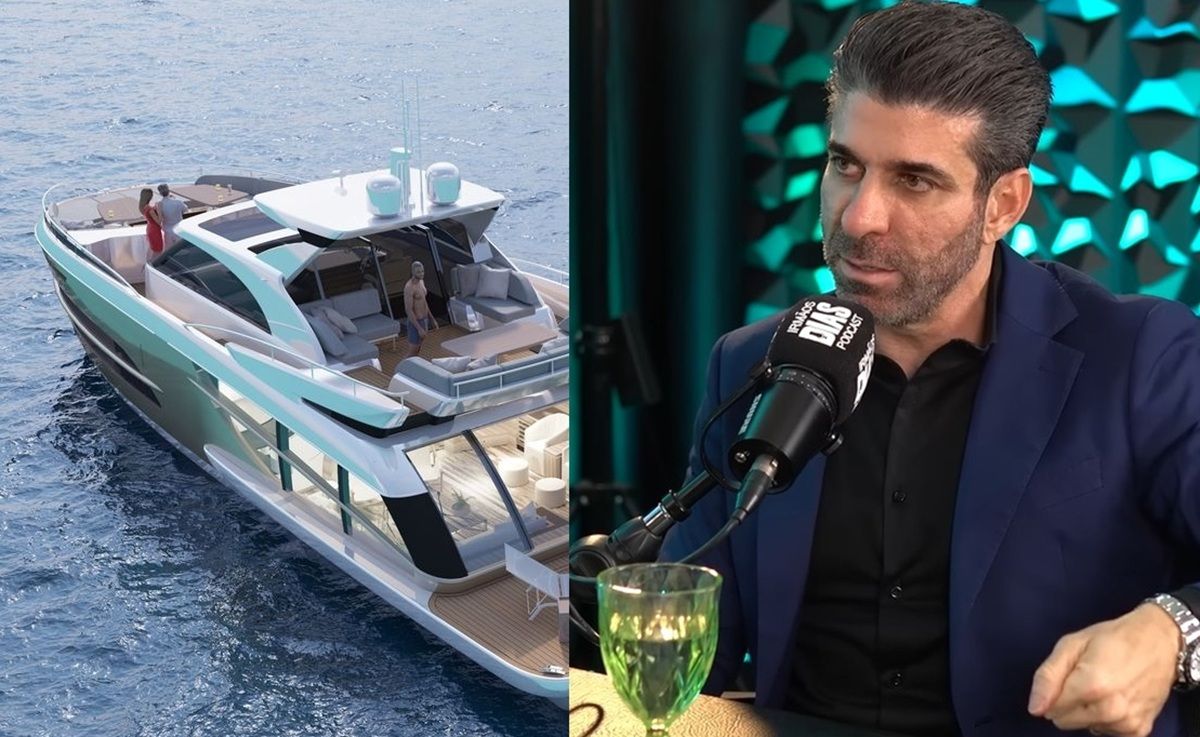
In the podcast “Irmãos Dicas,” Thiago Tcar revealed the true financial weight of owning a 60-foot boat, detailing monthly expenses on marina, mariner, fuel, and maintenance that turn luxury into a headache
Behind the scenes of the podcast “Irmãos Dicas,” businessman Thiago Tcar opened up about one of the most expensive symbols of ostentation: owning a boat. He shared that he has had two vessels — one 38 feet and another 60 feet — and that, according to him, having a boat is “for those who are truly wealthy,” because the fixed and variable costs add up impressively, even for high earners.
“My company made 100 million, and even then it didn’t make sense to have a boat,” he said. “It’s a waste of money.”
Fixed Costs That Keep Growing
Thiago detailed what it means to maintain a large vessel in Brazil. The first fixed expense is the mariner: “I paid 4,500 reais in salary, with a signed contract, CLT, because otherwise, you can face a labor lawsuit. And with taxes, that turned into almost 10,000 reais.”
-
These are the drivers who may stop paying tolls on highways in a project that promises to reduce costs for those who live from transportation in Brazil.

-
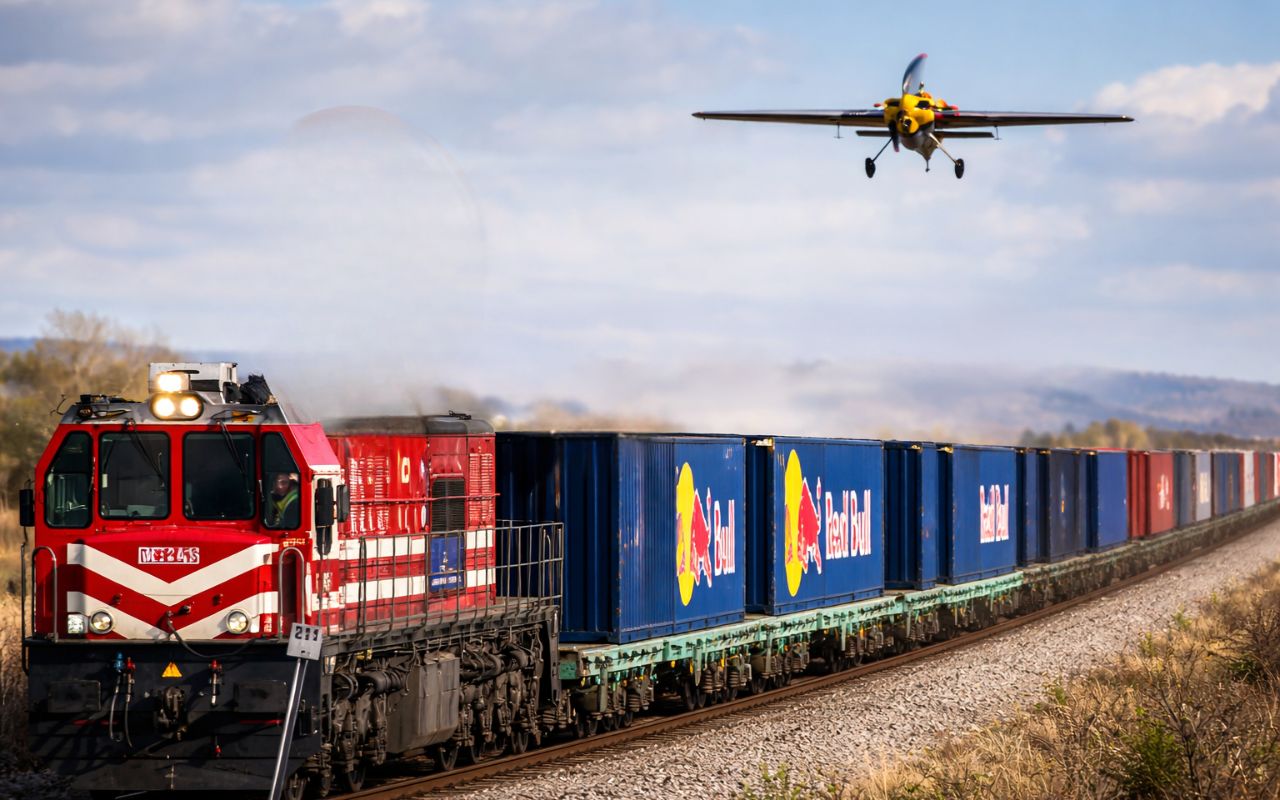
(Video): Italian pilot lands plane on moving train at 120 km/h and achieves unprecedented feat in aviation, even with a narrow runway and without direct visual contact.
-
It seems to have come out of a science fiction movie: A Brazilian city where it rains almost every day, recording over 4,000 mm per year, driven by climatic factors — a direct result of its strategic location in the Amazon.

-
The water crisis that could change everything this year has already begun; it’s not just about the climate, it affects technology, raises product prices, and can halt entire companies without warning.


The next expense is the marina — the place where the boat is stored.
According to him, to keep his 60-foot boat in a considered good marina, he paid R$ 9,500 monthly to keep it “out of the water” when not in use. “Just that already amounted to almost 20,000 reais a month,” he recalls.
But expenses don’t stop there. Whenever the boat needs to be put in the water, there is an additional launch fee charged by the marina. And, due to the size of the vessel, it was necessary to hire an assistant in addition to the main mariner.
“This assistant cost about 300 reais a day, and I usually used them from Friday to Sunday, meaning almost 1,000 reais extra every weekend,” he explained.
Insurance, Fuel, and Unexpected Costs
Thiago also noted that insurance is mandatory for a boat of this size, as it involves a property valued in millions of reais. The annual cost was around R$ 20,000.
And the fuel, according to him, is one of the biggest expenses: “To fill the tank of a boat like mine, with two diesel engines, it was R$ 15,000. If I went from Guarujá to Angra, I had to fill up again when I was getting there. Just for fuel, it was 40,000 reais for a round trip.”
Even when sailing only to nearby beaches, a tank lasted, at most, a weekend and a half. And that’s not counting unexpected costs. “If anything breaks, it’s at least five thousand reais. Everything on a boat is expensive,” he asserted.
The Invisible Cost of Leisure
In addition to technical costs, there are also leisure expenses — the ones that make the trip enjoyable but quickly add up to the total. Thiago illustrated with a typical weekend outing: “You invite a couple of friends, take your wife, daughter, and nanny. You buy meat, drinks, whiskey, beer, everything nice — another five thousand reais.”
During the trip, he mentioned that it was common to order food directly from local restaurants: “You call, they send a small boat with the order, and that’s another thousand reais a day, easily.”
When the fun ends, cleaning costs begin: “You have to send the bedding from the three suites on the boat to be washed. Just that costs 800 reais. And if anything breaks, it’s another five thousand. It’s an endless cycle,” he summarized.
Depreciation and Resale Value
Despite all the costs, Thiago explained that the depreciation of boats is different from that of cars. “The boat depends on usage hours, which are like mileage. If you have low hours, you can maintain the price and even make a little on resale, because there isn’t as much supply. It’s not like cars, which are available at every dealership.”
Still, he emphasized that the boat is an asset that requires a constant cash flow. “It feels like you turn on a faucet and the money just flows out,” he said.
From Euphoria to Regret
Thiago shared that the initial feeling of owning a boat was one of victory: “On Friday, when I looked at the boat, I thought: ‘I have succeeded in life’. It’s impressive, a symbol of a boat owner.”
But the excitement quickly turned to worry: “On Monday, when I saw the bills, I thought: ‘I’m going to go broke’. From Friday I was a millionaire, by Monday I was bankrupt,” he joked.
The Share Model: A Possible Way Out?
During the conversation, the host discussed the shared ownership model, increasingly common in the southern part of the country.
In this system, four or more people share the cost and use of the boat. Thiago acknowledged that the practice exists and can work financially, but with caveats.
“You gather four guys, buy a boat worth one and a half million, each contributes 350,000 and creates a usage calendar. In theory, it’s great. But it has to be well aligned because there will be the guy who uses it more, the one who uses it for parties, the one who uses it with family. And that’s when problems start.”
He illustrated the situation with a practical example: “You took your family, everything was brand new. Then the next guy goes the following weekend, has a party, scratches the table, breaks something. When you come back, everything’s already deteriorated. So if there’s no alignment, it doesn’t work.”
The Verdict of Someone Who Lived the Experience
At the end of the account, Thiago Tcar made it clear that although a boat is a status symbol and a source of pleasure, it requires a bottomless pocket and willingness to handle constant maintenance. “It’s a luxury that drains your wallet. I got excited at first, but then I realized it was just expenses. It’s a very expensive toy.”
His conclusion summarizes the view of someone who has sailed through the waters of ostentation and returned to reality: “Owning a boat is for those who really don’t worry about money. Because if you think about it, it has stopped being fun.”







Seja o primeiro a reagir!