





 English
  Francês
  Alemão
  Italiano
  Japonês
  Norueguês
  Portuguese
  Spanish
  3 min of reading


Tim Is Using Off-Grid Solar Energy Systems in the Expansion Project of Its 4G Coverage to Cover 100% of Brazil by 2023
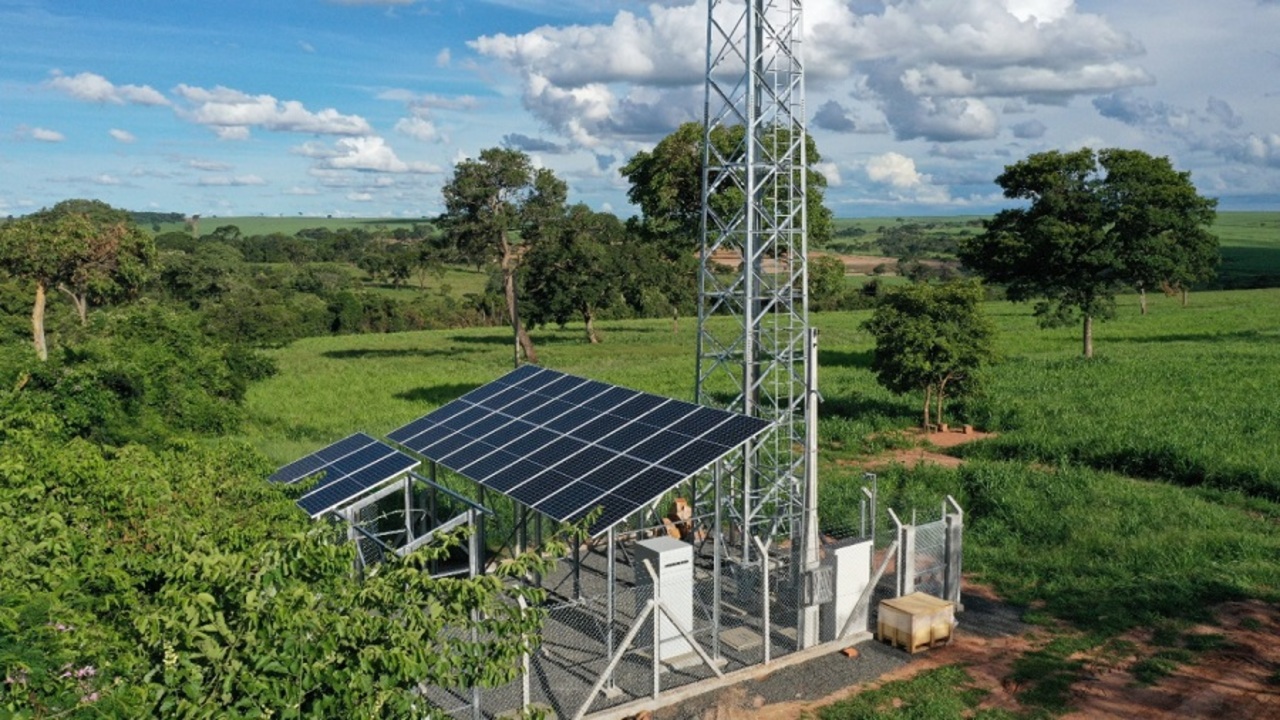
The carrier Tim is using off-grid solar energy systems in the expansion project of its 4G coverage, which will reach all Brazilian municipalities by 2023. With the carrier’s project, hard-to-reach locations without available electricity will begin to have Tim’s 4G technology through the installation of towers and antennas powered by solar energy panels.
Read Also
The first two off-grid solar energy systems were installed and activated in February, in partnership with Highline. One is located in Presidente Bernardes, providing 4G coverage for part of BR 374, and the other is in General Salgado, serving SP 463.
Another 13 solar energy systems are also being installed in the states of São Paulo, still with Highline, and in partnership with IHS and Winity in Santa Catarina, Pará, and Acre.
-
Rio Grande do Sul accelerates energy transition: State invests in renewable technologies and consolidates decarbonization strategies and pathways to attract billions in new industrial investments.

-
With 160,000 m² of collectors, an area larger than 20 football fields, Silkeborg, in Denmark, hosts a solar thermal plant that heats 19,500 homes and could become the largest solar heating plant in the world.

-
A study reveals the expansion of renewable energy procurement in Brazil and shows how companies are taking advantage of opportunities to reduce expenses, ensure energy efficiency, and strengthen strategic environmental commitments.

-
Mato Grosso do Sul excels in the sugar-energy sector: the state reaches a milestone of 22 operating mills and accelerates the production of clean energy in MS with a focus on sustainability.



Tim’s Actions in the Solar Energy Market
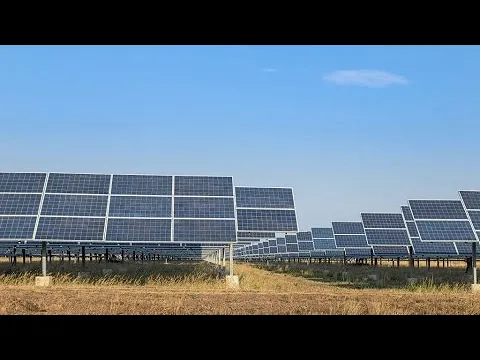
This initiative is part of Tim’s goals regarding the use of renewable energy sources, eco-efficiency, and access to connectivity, which is already being implemented in the country, bringing the company’s 4G to various locations that are currently underserved by other operators.
Each system has its own solar energy generation with photovoltaic panels, and to ensure complete autonomy and greater capacity for charge and discharge cycles, the project includes lithium batteries, resulting in a longer lifespan for the equipment. According to Tim, this ensures greater 4G coverage with simplified infrastructure, low environmental impact, and lower costs.
The estimated reduction in carbon dioxide emissions is approximately 3 tCO2/MWh per year for each system, and the reduction in conventional energy consumption is at least 15 MWh per year.
Construction of 4G Sites in SP
In the operator’s schedule presented this Tuesday, the 13th, there are another 13 sites preparing to receive solar energy. The projects in São Paulo have support from Highline. Meanwhile, the scheduled sites in Acre, Pará, and Santa Catarina will have support from IHS and Winity.
In terms of architecture, the off-grid solution will have a maximum physical footprint of between 16 m² to 24 m², providing significantly higher autonomy of 36 hours. This will allow a reduction of 3 tons of carbon dioxide (CO²) per MWh per year per site. In terms of conventional consumption reduction, the expectation is to see 15 MWh less annually.
The solar-powered site technology is part of TIM’s plan to achieve 80% eco-efficiency in data transmission and 90% of its energy consumption from renewable sources by 2025. Recently, the company announced the construction of two solar plants in Bahia as part of its green energy initiative.
Words from the CTIO of Tim Brazil
According to Leonardo Capdeville, the operator’s goal is to bring connectivity to every corner of Brazil using various technologies, to cover 100% of the country with its 4G network by 2023.
Mario Girasole, VP of Regulatory and Institutional Affairs, discusses the importance of green initiatives like this, aligned with the company’s ESG pillars. According to him, the project is part of their ESG ambitions and will also contribute to their goal of achieving 80% eco-efficiency in data traffic and having 90% of their energy consumption coming from entirely clean sources by 2025, in addition to helping with social aspects by promoting digital inclusion.








Seja o primeiro a reagir!